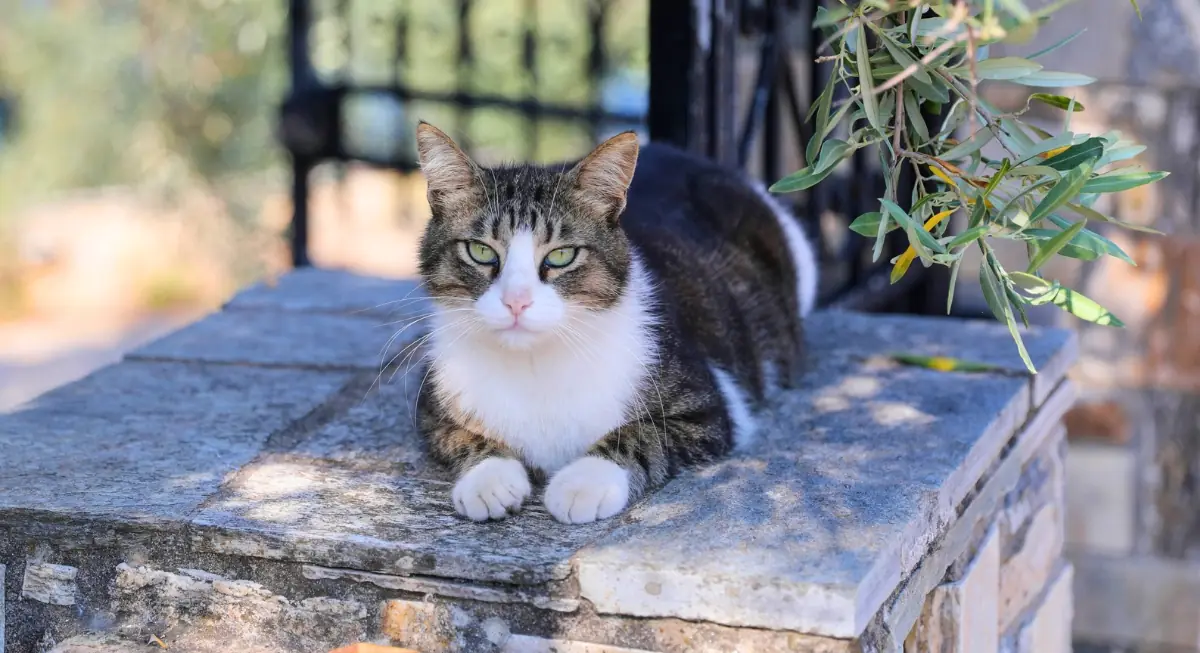
Cats have developed a strange new favorite hangout, and it is not a fancy bed or a cardboard box. Across TikTok and Instagram, videos show cats immediately climbing onto plain concrete slabs, rubbing against them, rolling around, and settling in as if the block was made just for them. Some owners have even started picking up concrete pavers from hardware stores after seeing how strongly cats react to them. The behavior shows up again and again, which makes it more than a passing internet joke. So what is it about concrete that cats seem to love so much?
Why Concrete Feels Instantly Right to Cats
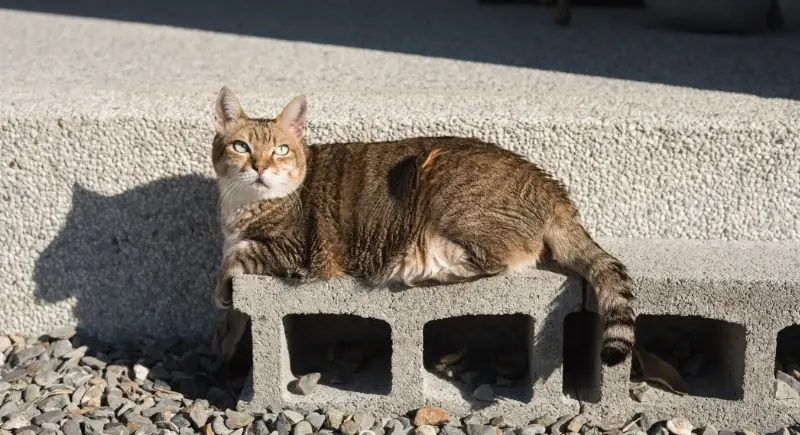
Concrete checks several instinct-driven boxes simultaneously, which explains why cats respond so fast, and texture sits at the top of the list. The surface feels rough without being sharp, which makes it ideal for scratching, stretching, and rubbing. Cats rely on physical contact with surfaces to gather information and reinforce comfort.
Additionally, concrete delivers steady feedback under their paws and along their sides. Then there’s scent. Concrete is porous, which allows scent to linger longer than it does on smooth flooring or furniture. Cats use scent to establish familiarity and security. Rubbing cheeks, flanks, or shoulders against a slab leaves a mark that sticks around.
The Role of Temperature Control
Concrete retains its temperature well, and cats are extremely sensitive to temperature fluctuations. A slab placed in sunlight warms quickly and stays warm longer. In shade or air conditioning, it remains cool, providing cats with multiple options. Control over body temperature supports regulation and calm behavior. Cats constantly seek spots that help them manage heat without effort. Concrete offers that without fluff, padding, or movement. It stays predictable, and predictability lowers stress.
Stability Makes Cats Feel Secure
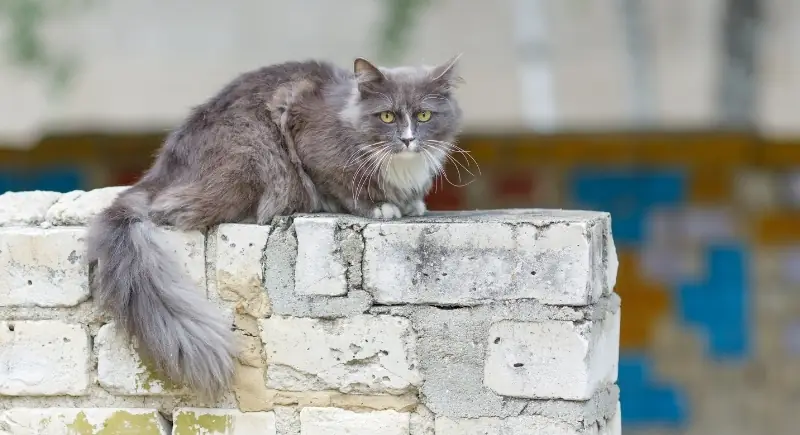
Obviously, concrete doesn’t move, but it’s a big deal in cat behavior. Lightweight beds, cardboard scratchers, and soft mats shift when cats stretch or roll. That stability supports confidence. A heavy slab provides cats with a solid base for rolling, arching, and scratching without requiring adjustments to their posture. The slight elevation many slabs provide also matters.
Cats tend to feel safer when positioned just off the ground. It improves awareness of surroundings without placing them too high. The shape adds another aspect to this phenomenon, as rectangular slabs create clear boundaries. Cats often gravitate toward defined spaces, which explains their love of boxes, taped squares, and tight corners. A slab offers structure without enclosure.
Novelty Starts the Interest but Doesn’t Carry It
A new object placed in familiar territory triggers investigation, especially when it looks out of place. That curiosity explains the initial approach seen in so many videos. However, what keeps cats coming back is function, because concrete remains useful even after the newness fades. It scratches, holds scent, regulates temperature, and stays stable. That’s why cats don’t abandon slabs after a day or two; they simply slot them into their daily routines.
What looks strange through a human lens turns out to be surprisingly practical through a feline one. Cats didn’t suddenly develop a taste for construction supplies. They responded to an object that meets their needs quietly and efficiently. That explanation took a while to surface, but once it did, the obsession made a lot more sense.