Cats might seem like they have it all under control, but when something’s off, they rarely make a scene. In the wild, showing weakness could be dangerous, so even the most pampered indoor cat will hide discomfort until it can’t anymore. Spotting these early clues could make all the difference.
A Sudden Dip in Appetite
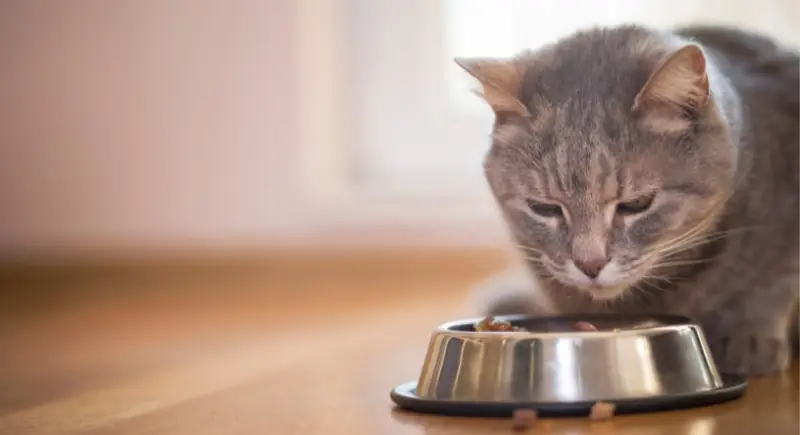
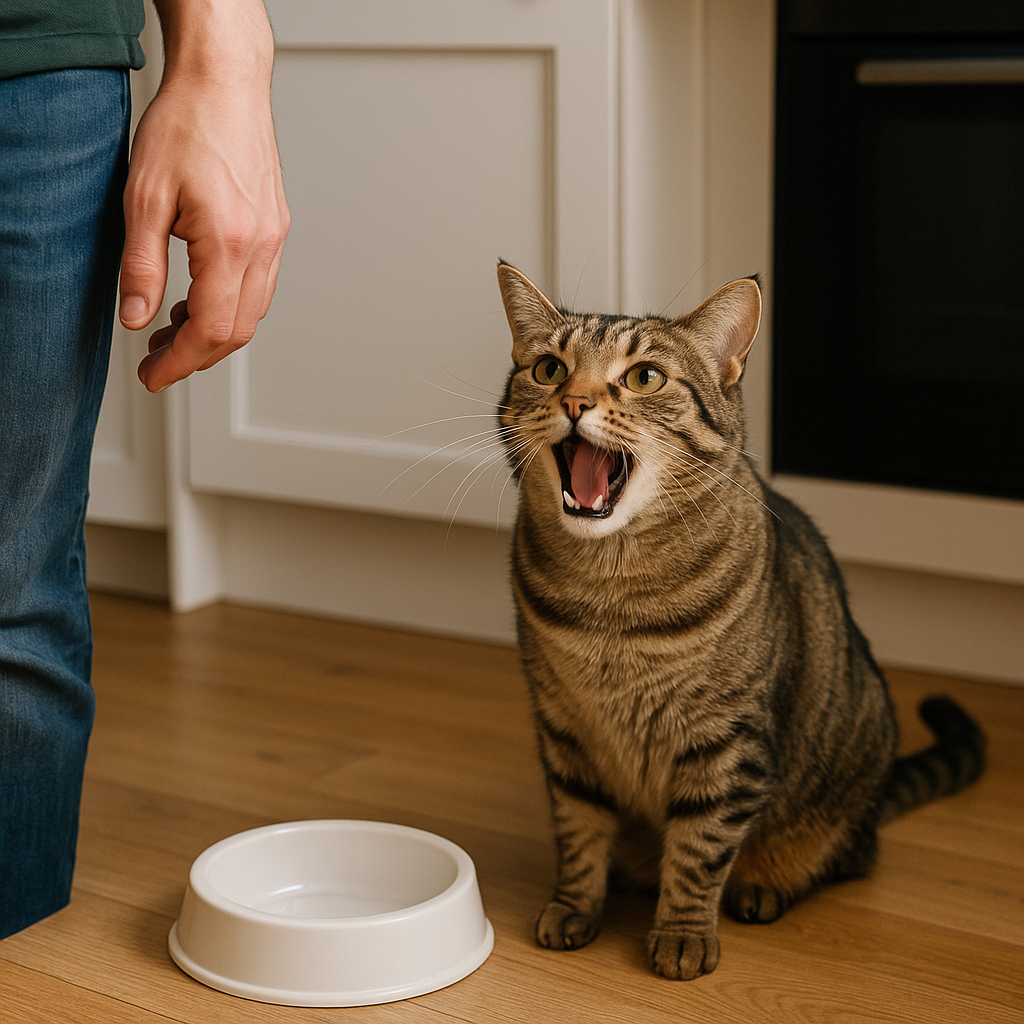
When your cat suddenly shows little interest in food, it’s not just a matter of them being finicky. This shift can be a sign of underlying issues like nausea, pain, or even early organ trouble. Missed meals may seem minor, but when cats stop eating, they can develop serious liver problems, so it’s worth a vet visit.
Strange New Sounds
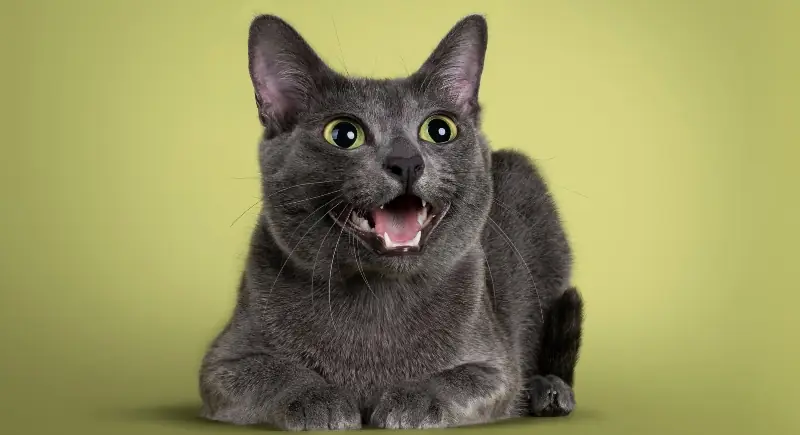
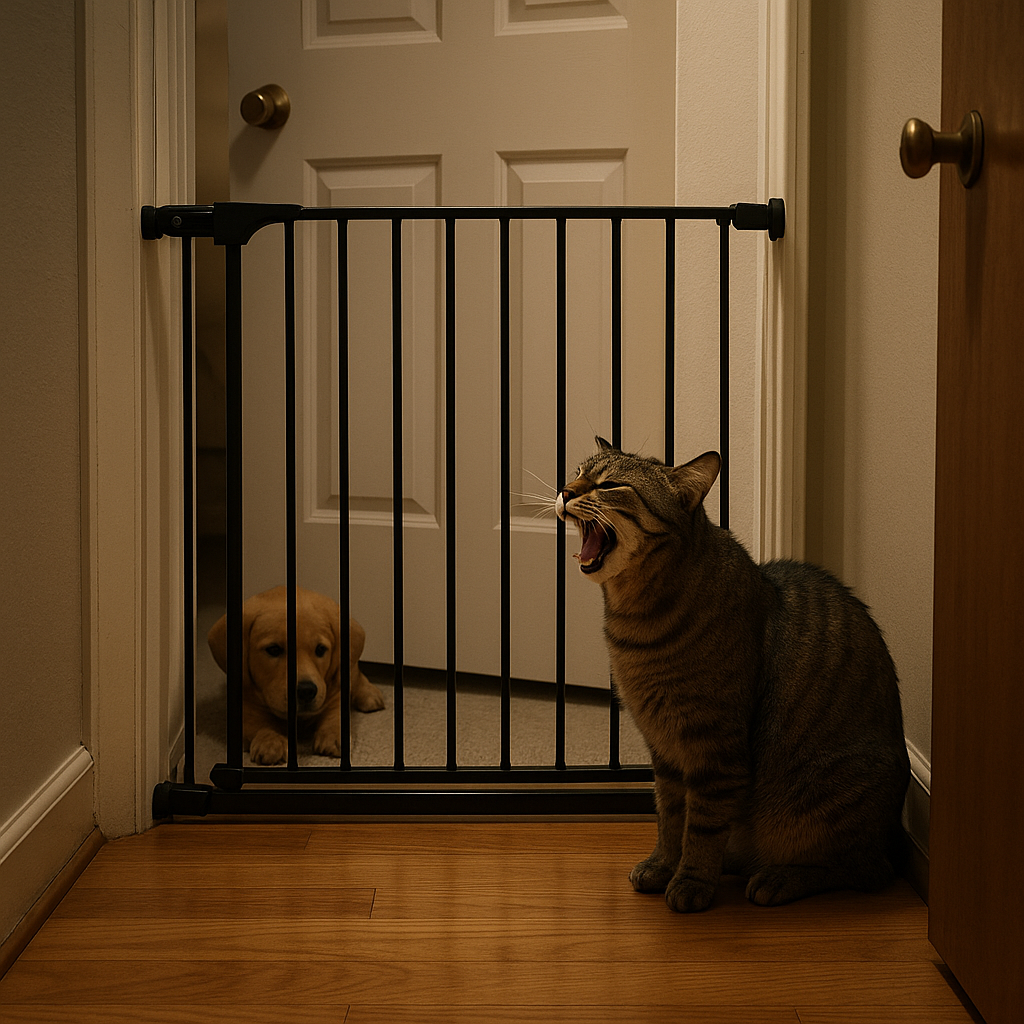
Excessive meowing, a sudden shift in vocalization, or unusual sounds could signal your cat’s discomfort or stress. This behavior is particularly common in cats with hyperthyroidism or cognitive decline. Even a slight change in the pitch or timing of their vocalizations could mean they’re trying to tell you something isn’t right.
Unusual Litter Box Habits
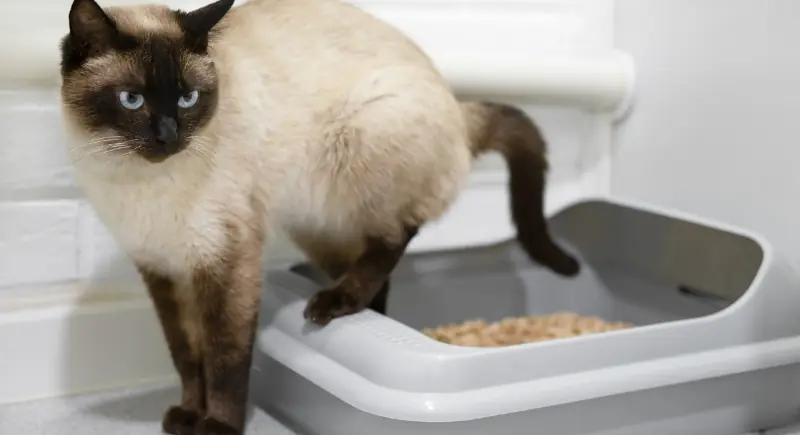
If your cat starts leaving puddles outside the box or seems to strain when using it, it’s a warning sign. Kidney problems, urinary tract infections, or even diabetes can cause changes in bathroom behavior. Cats are especially prone to dangerous urinary blockages, so if your male cat is struggling to pee or stops altogether, seek medical help immediately.
Drooling Without a Meal in Sight
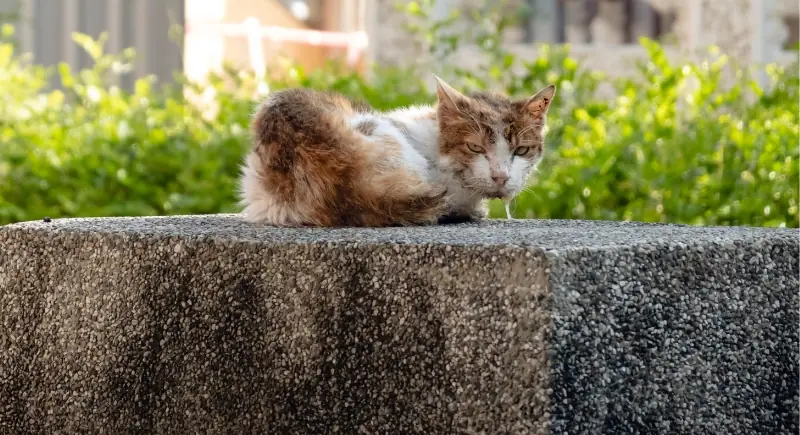
While a little drool here and there is normal, excessive salivation can point to something more serious. It could be a dental issue, oral infection, or even poisoning from household plants. If you notice your cat pawing at their mouth, licking their lips excessively, or refusing food, it’s time for a check-up.
Bad Breath That Isn’t Just “Cat Breath”
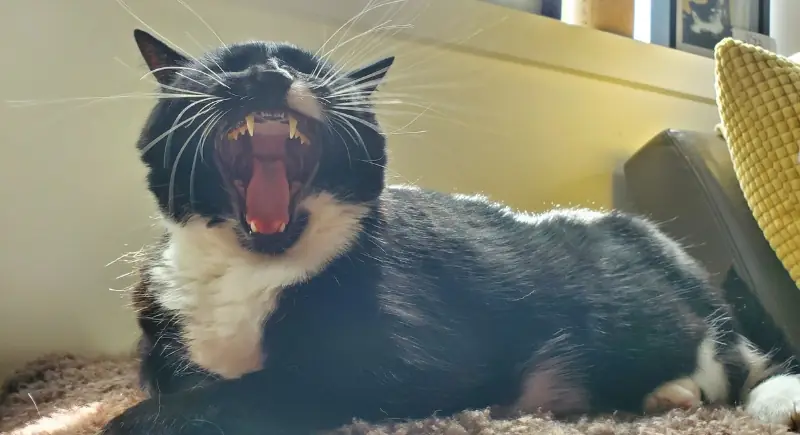
A cat’s breath that smells like something out of a horror movie could point to dental decay, kidney disease, or metabolic disorders. Add bleeding gums or drooling to the mix, and that’s your cue to book an exam.
Hiding More Than Usual
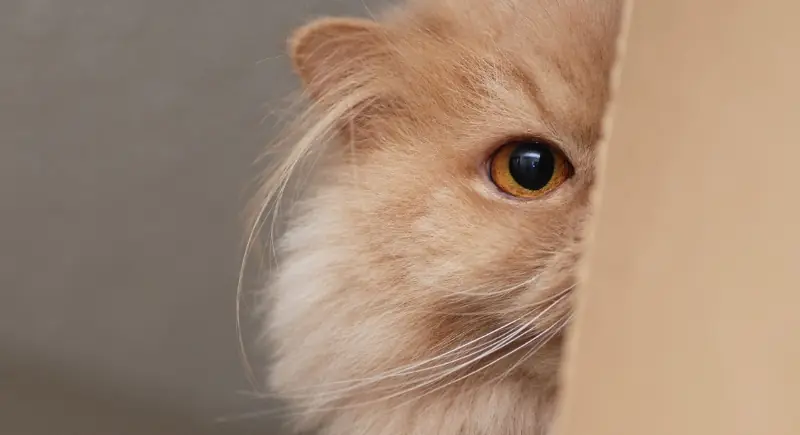
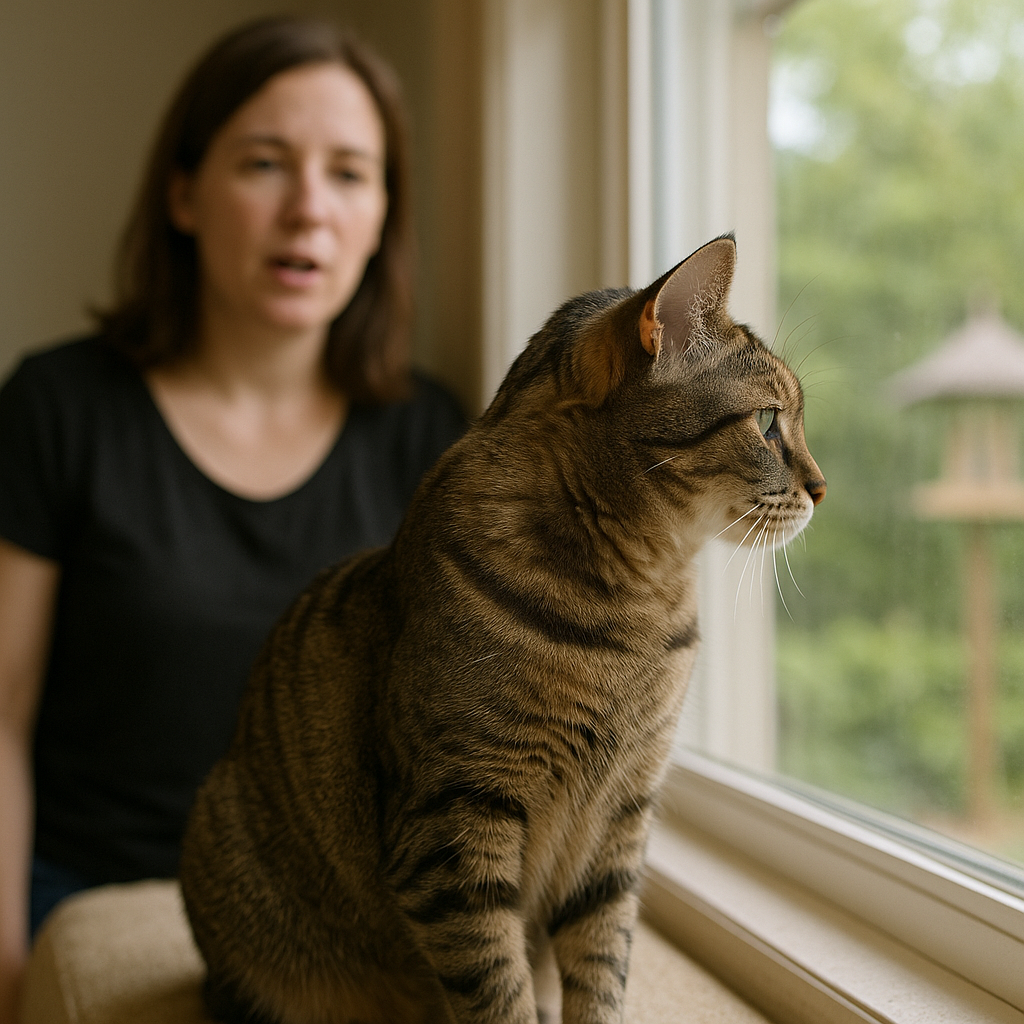
All cats like a bit of alone time, but too much isolation may signal something’s wrong. Even affectionate cats withdraw when they feel off. It’s a quiet red flag that’s easy to miss, until you realize you haven’t seen your cat all day.
Weight Loss That Sneaks Up On You
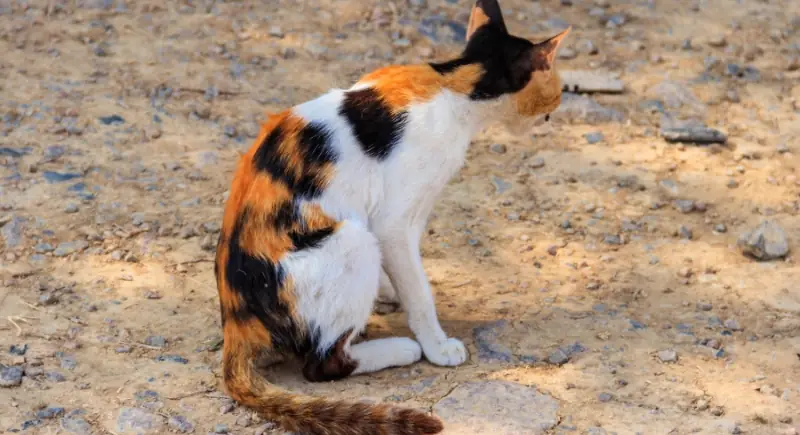
Sometimes it’s not obvious until you run your hand down their back and feel more spine than fluff. Gradual weight loss often points to chronic illnesses like kidney disease, cancer, or hyperthyroidism. Quick weight drops, especially in previously overweight cats, are just as serious and can cause further complications.
Eyes Telling a Different Story
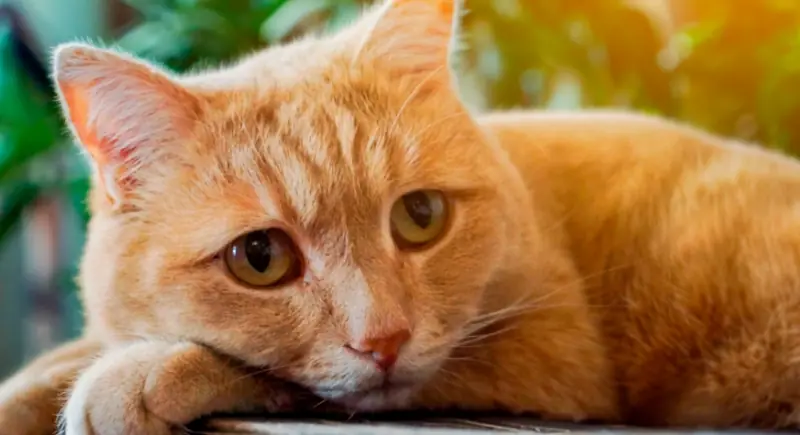
Redness, discharge, uneven pupils, or a third eyelid peeking out are all signs your cat’s eyes need medical attention. Sudden changes in eye appearance can indicate infections, injuries, or high blood pressure, especially in senior cats. Since eye issues can lead to permanent damage, catching these changes early matters.
Drinking Like They Own a Desert
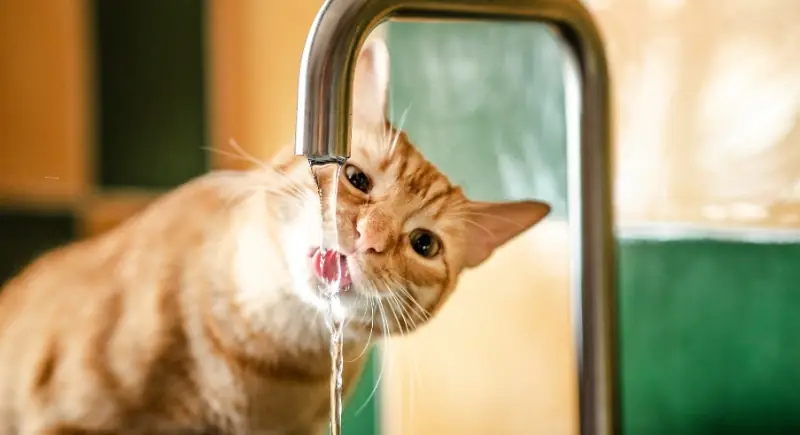
Cats aren’t big water drinkers by nature, so a noticeable spike in thirst usually means something’s up. It could be diabetes, kidney disease, or thyroid issues. If the water bowl empties faster than usual or your cat’s suddenly fascinated with faucets, bring it up at your next vet visit.
Grooming Gets Sloppy—or Obsessive
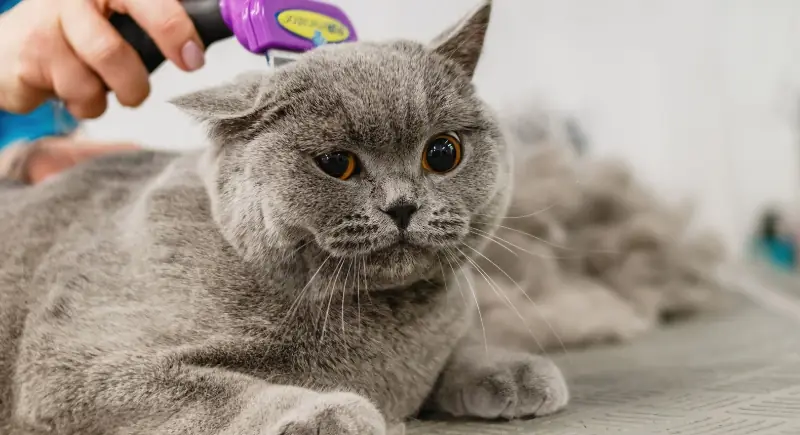
A cat’s coat can say a lot about its health. If your cat’s fur suddenly looks greasy, matted, or lackluster, it could be a sign of stress or illness. On the other hand, if your cat is fixated on grooming one area to the point of bald patches, it could indicate allergies, skin problems, or anxiety. Pay attention to these changes as they can offer important clues about their well-being.
Persistent Vomiting Isn’t Just a Hairball
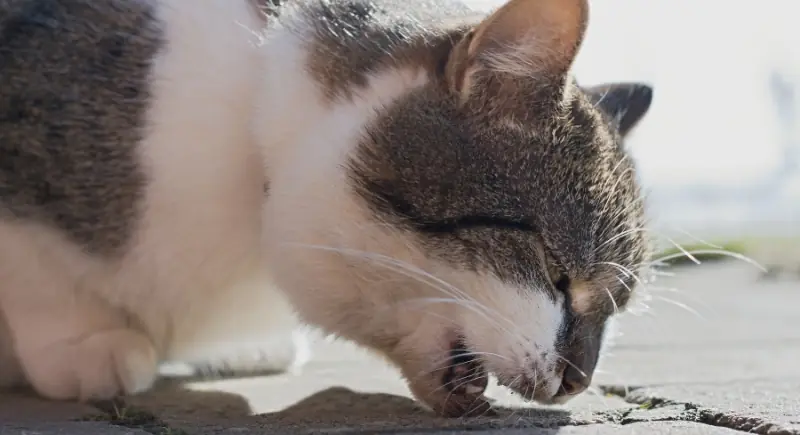
While hairballs are common, frequent vomiting—especially if it’s clear liquid, bile, or food—needs attention. It could point to food intolerance, internal issues, or even a blockage. If your cat is vomiting every few days, it’s time to consult a vet. It’s not a normal occurrence and should be taken seriously.
Breathing Doesn’t Look Right
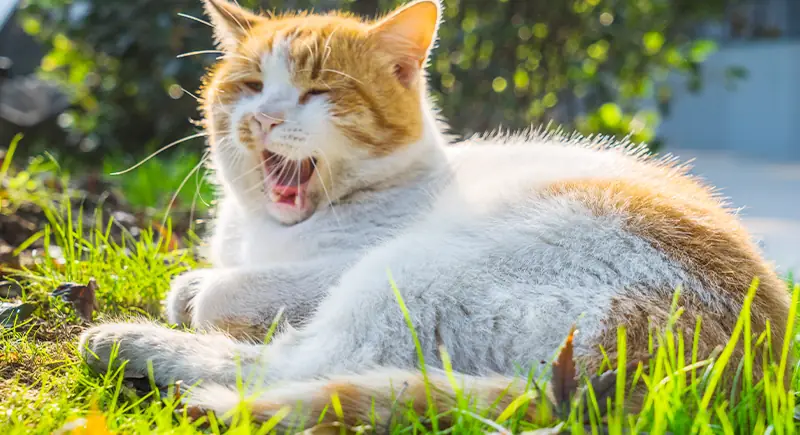
You shouldn’t really notice your cat breathing. So if you suddenly see shallow breaths, open-mouth panting, wheezing, or your cat stretching its neck to breathe better, that’s an emergency. Breathing issues can come from heart problems, fluid in the lungs, or airway obstruction.
Discharge That Doesn’t Belong
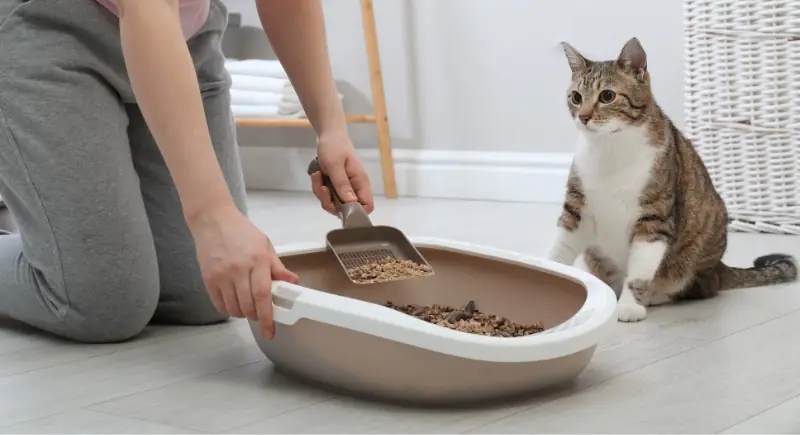
A healthy cat’s nose, eyes, and ears should stay relatively clean. Yellow or green gunk, crust, or excessive wetness may mean infection or illness. Upper respiratory infections are common in multi-cat homes or shelter cats, and they spread fast. Early treatment can make recovery quicker and easier.
Gums That Change Color
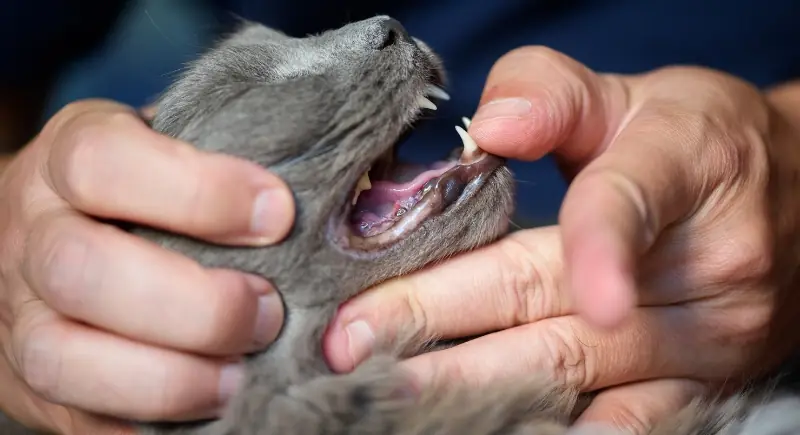
Healthy gums should be bubblegum pink. Pale gums could hint at anemia, yellow ones might mean liver trouble, and bluish tones suggest a lack of oxygen. These are often signs of something systemic—something that affects the whole body.
Balance That’s Suddenly Off
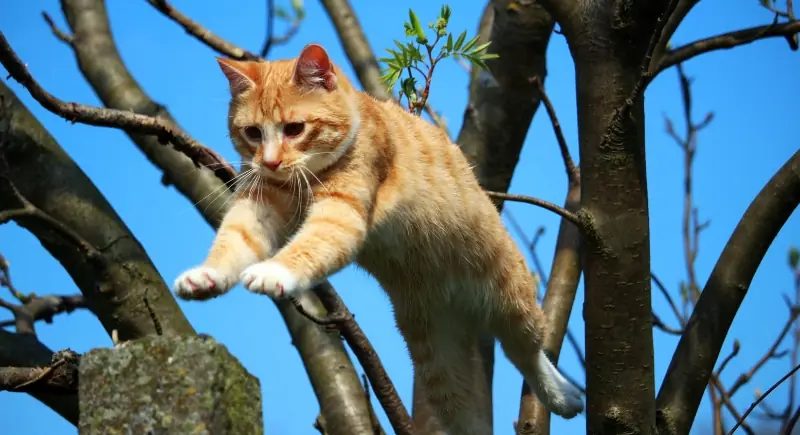
If your cat, usually graceful, begins to stumble, tip over, or struggle with jumps, it’s not just clumsiness. These changes could point to a neurological issue or an inner ear problem. Conditions like vestibular disease, trauma, or even toxin exposure can all affect a cat’s coordination, so it’s important to get them checked out if you notice this behavior.
Nighttime Restlessness
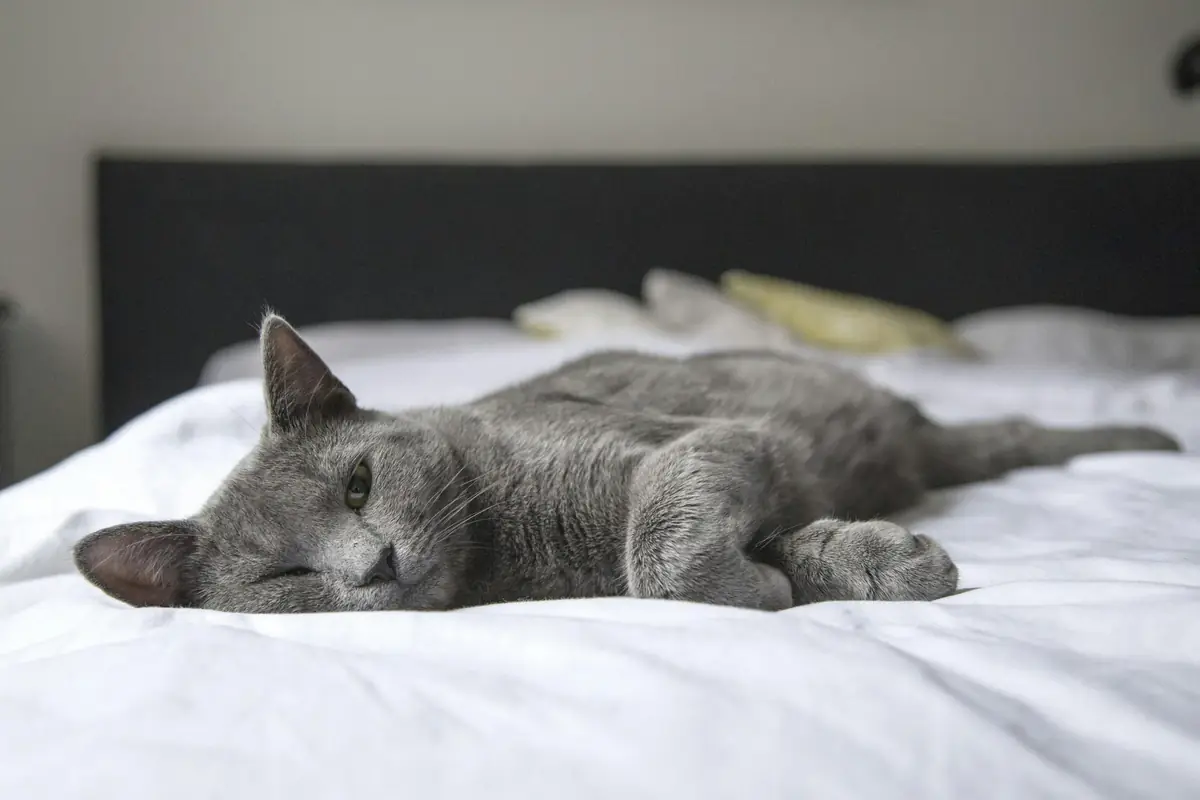
Is your cat pacing, yowling, or seeming confused at night? Restless nocturnal behavior can indicate hyperthyroidism, high blood pressure, or even feline dementia.
Seizures or Sudden Tremors
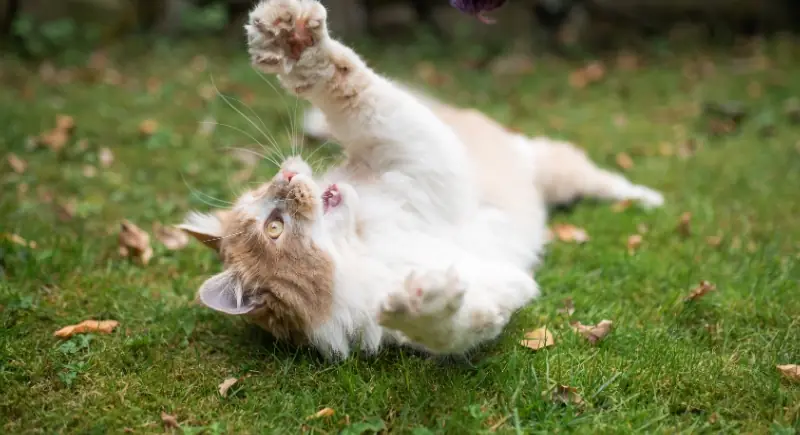
A cat that shakes, stiffens, collapses, or stares into space needs help. It can be a seizure, toxin exposure, injury, low blood sugar, or a brain issue. Keep hands away from their mouth, move sharp objects aside, and call the vet. Film it if you can. That clip may help.
Swollen Abdomen
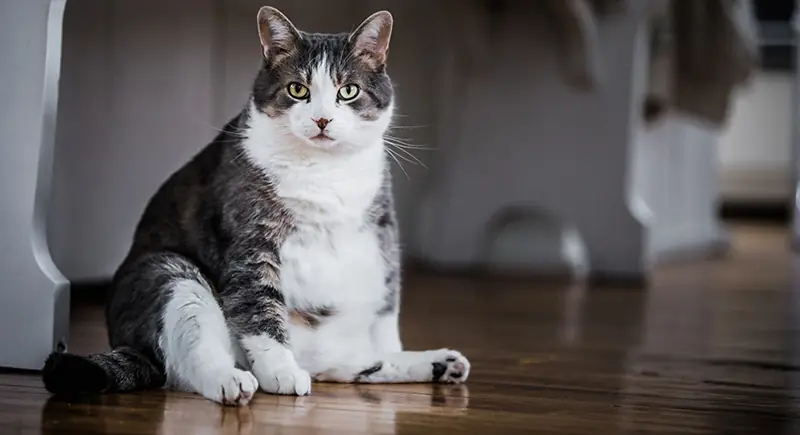
A round, tight belly can look like weight gain at first, but it may point to fluid buildup, worms, organ trouble, pregnancy, or a mass. Watch for hiding, panting, vomiting, or pain when touched. Don’t press on it. Cats mask pain, so a sudden swollen abdomen deserves a vet visit.