We often see cities changing their layout to accommodate cars, bikes, and people, but very few realize that some cities calmly redesign buildings to accommodate pets. In parts of Europe, pet access has reached a level where exterior structures now exist solely to help animals travel between the floors of apartment buildings.
Local support from residents, flexible housing rules, and clear animal-welfare guidance make it possible. While the setup may look unusual at first, it reflects long-standing cultural norms around independence, everyday routines, and shared urban space.
Cats Shape Housing Design In Switzerland
View this post on Instagram A post shared by About Switzerland (@aboutswitzerland)
Switzerland has one of the highest cat ownership rates in Europe. Estimates suggest roughly 1.4 million to 2 million domestic cats live there, and about 28 percent of households have at least one. Cats also thrive in rental housing environments because landlords often tolerate them more easily than dogs due to noise concerns.
About two-thirds of Swiss residents live in rental properties, which has created demand for safe ways for cats to move between indoor and outdoor spaces without relying on owners being home. Over time, exterior pet access solutions became the norm in cities like Bern and Zurich.
The Tiny Staircases Taking Over Building Exteriors
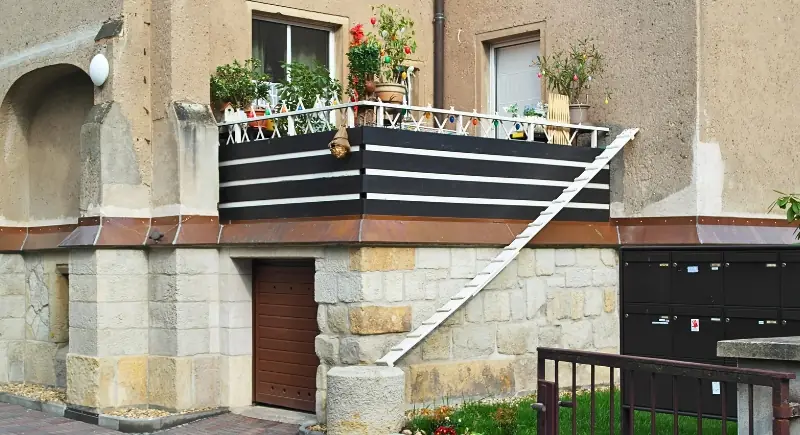
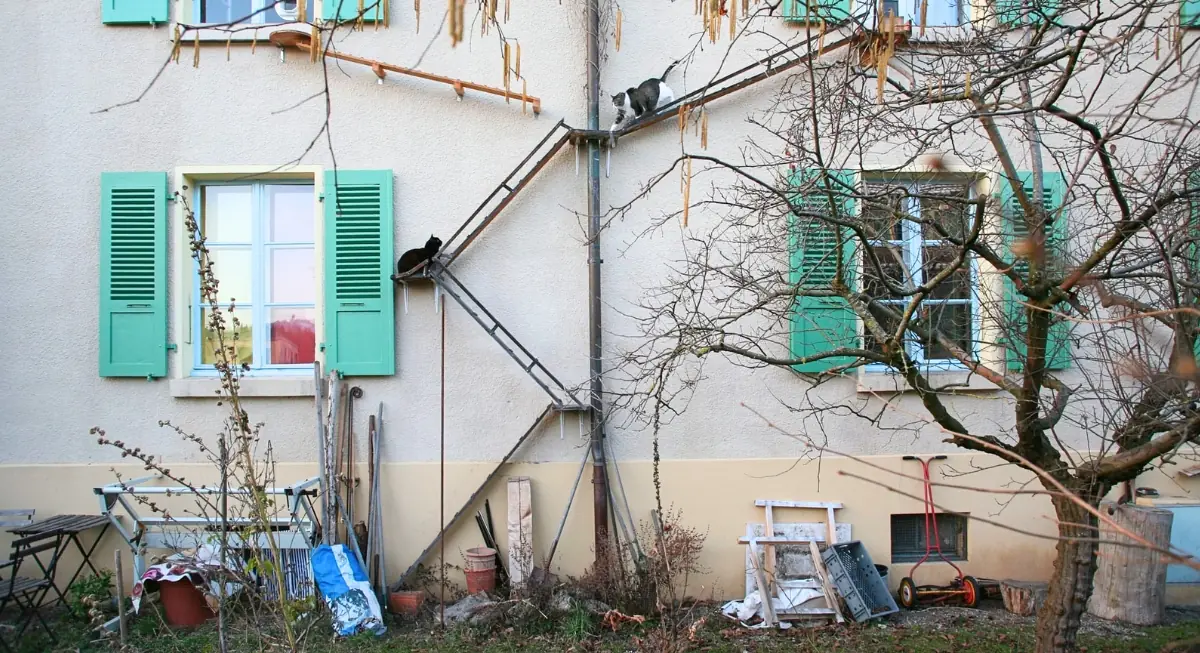
These small outdoor stair systems connect windows, balconies, trees, and garden areas. Designs range widely, from wooden ramps to miniature spiral staircases or zigzag climbing bridges attached to exterior walls.
Some property owners build them using repurposed materials, such as chicken ladder planks or rain pipe step treads. Others order custom builds online or hire specialists who focus only on cat mobility structures. Safety features sometimes include side rails, anti-slip surfaces, or landing platforms where cats can turn around comfortably.
The Lifestyle Convenience Factor
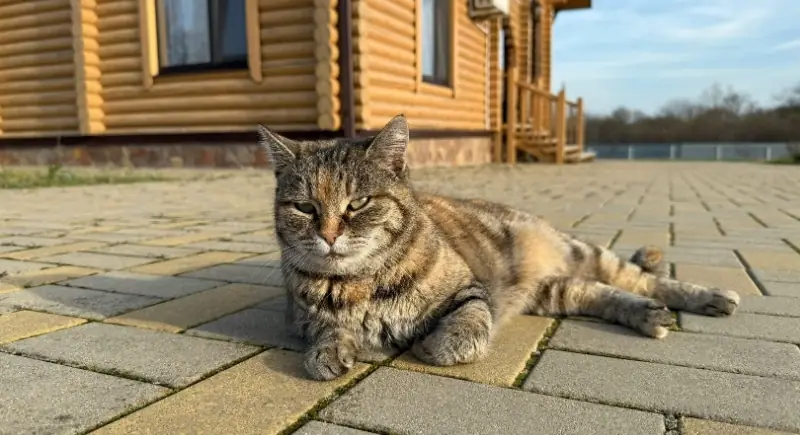
These structures benefit both pets and owners because they allow cats to access outdoor territory independently, which supports natural hunting and exploration behavior. Owners gain flexibility because they do not need to constantly open doors or windows.
Technology supports this system, as Switzerland has seen significant growth in microchipping, with hundreds of thousands of cats registered nationwide. Modern cat flaps can read microchips, allowing only the household pet inside while keeping other animals out. Recovery rates improve as well. Data suggests roughly 70 percent of lost microchipped cats reunite with owners within about a week.
The Hidden Industry Behind Cat Staircases
A niche market has formed around custom ladder construction. Specialized companies build and export custom cat stair systems across Central Europe. Prices typically range between about CHF 1,244 and CHF 6,800, depending on size, materials, and design complexity. Some models include decorative finishes or eco-friendly coatings. Others focus purely on function.
The existence of professional builders shows how normalized this building modification has become in certain regions. Housing rules still apply, as tenants usually must get written approval before installing exterior ladders. Neighbors sometimes must approve if a structure crosses shared building space.