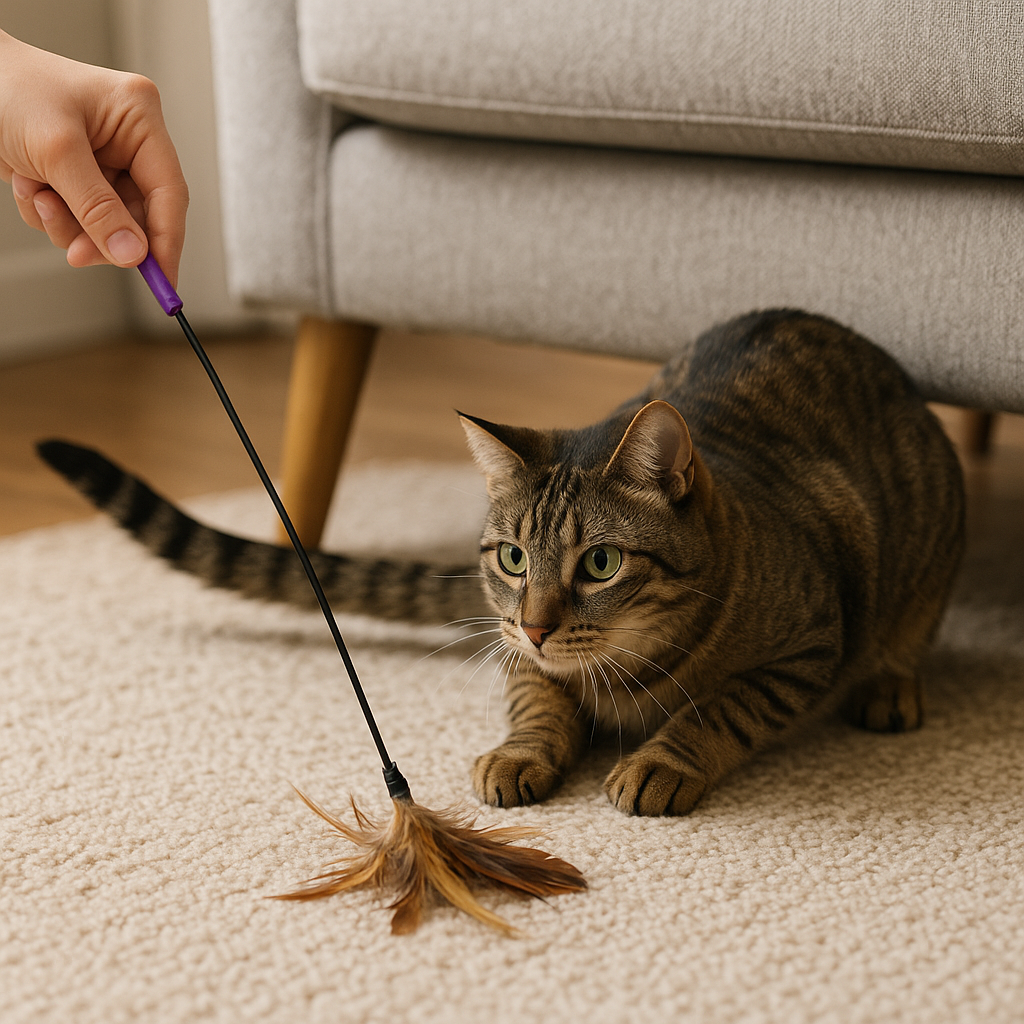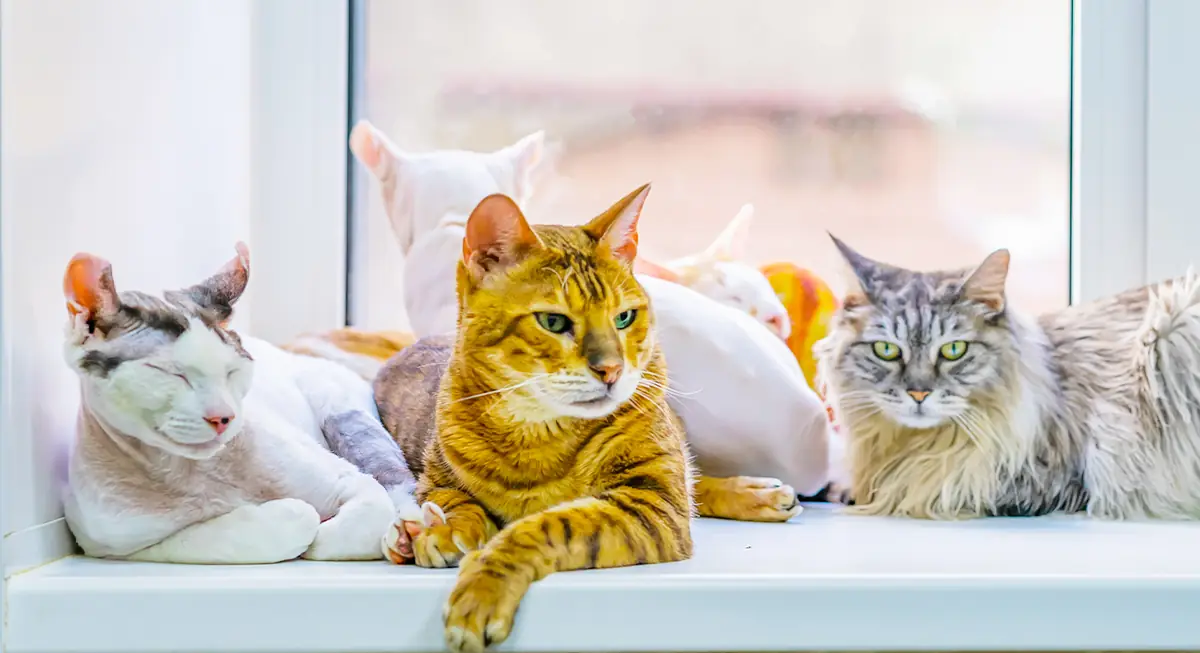
In homes with multiple cats, a kind of social order often forms without anyone really planning it. It can be easy to miss at first, but it shows up in small, everyday moments.
One cat may consistently claim the best sleeping spot. Another might wait its turn near the food bowl or step back when a more confident cat walks in. Sometimes it is just a look, a slight body shift, or a push that decides who gets access to what.
Behavior experts say these routines usually start with resources. Food bowls, litter boxes, sunny window spots, and even human attention can all become things cats learn to negotiate over.
The “Boss Cat” Isn’t Always Aggressive
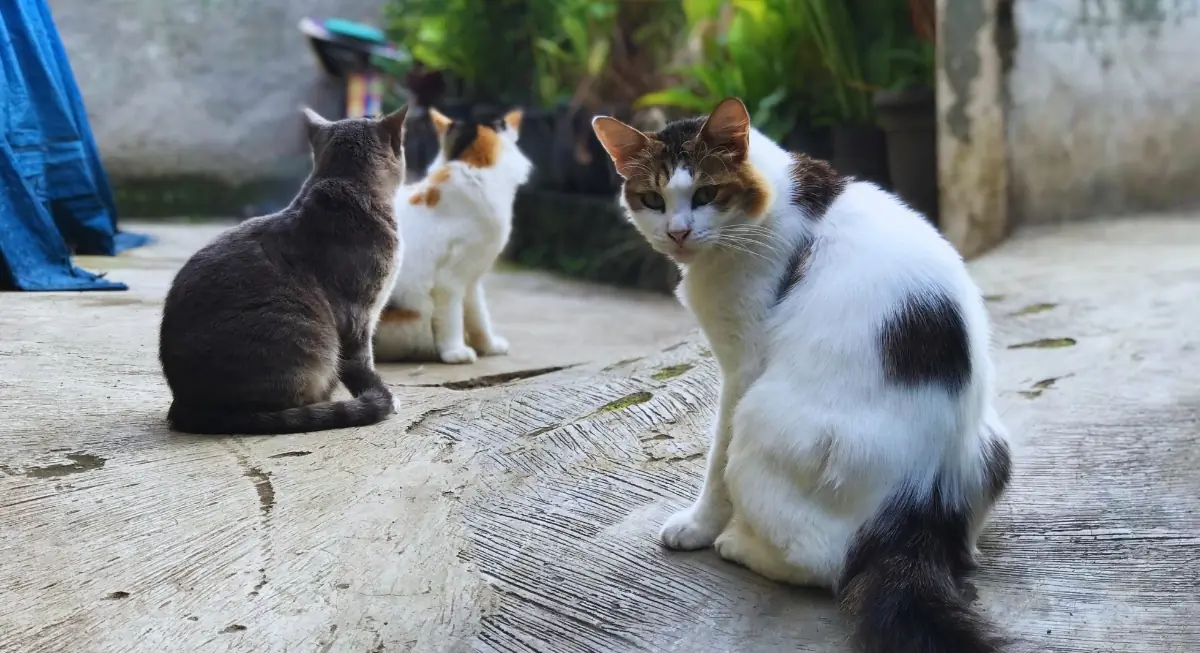
People often assume the dominant cat is the loudest or meanest one in the room. In reality, the cat running the household can look calm and quiet. Many cats maintain status through routine pressure instead of open aggression. One cat may sit near a feeding station until another walks away. Another may patrol a doorway and silently block access. Some take over elevated spots while lower-ranking cats avoid confrontation altogether.
That behavior stems from feline survival instincts. Domestic cats descended from mostly solitary hunters that preferred controlling safe territory and reliable food sources. In the wild, cats could spread out if tension built. Inside a home or apartment, that escape route disappears. The result is a social balancing act in which each cat figures out which spaces, times, and resources are safe to access.
Food Drama Usually Means Something Bigger
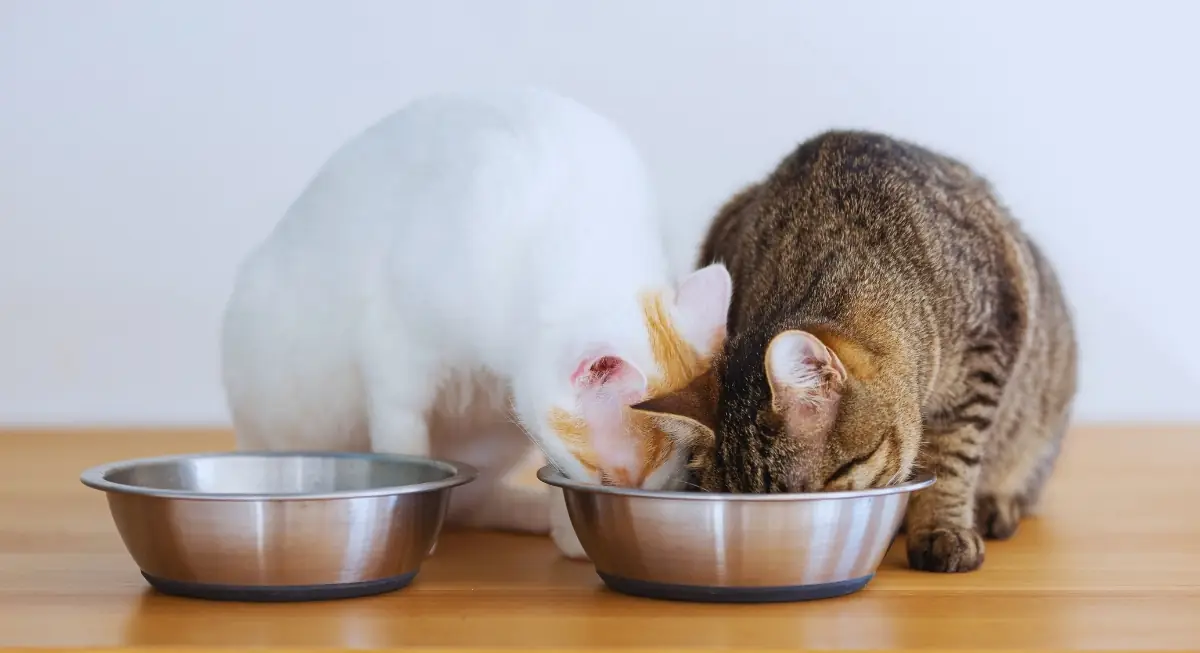
Mealtime often reveals the household hierarchy faster than anything else, and food-stealing is one of the clearest examples. A cat with a full stomach may still walk over and take another cat’s meal. That behavior can reflect insecurity, competition, or social control rather than hunger.
Submissive cats often adapt in unhealthy ways. Some start eating too quickly because they expect an interruption. Veterinarians sometimes call the aftermath “scarf and barf” syndrome, where stressed cats gulp food and vomit minutes later. Others begin avoiding food bowls completely until the dominant cat leaves the room.
Long-term stress can lead to more serious health problems. Chronic tension has been linked to immune suppression and stress-related conditions like feline idiopathic cystitis, a painful bladder inflammation commonly triggered by anxiety. The physical split inside some multi-cat homes can become extreme. One cat gains dangerous amounts of weight while another quietly loses it.
Age Changes The Dynamic
A 2025 Danish survey published in “Applied Animal Behavior Science” followed 308 households introducing new cats into homes with resident cats. The results challenged several common assumptions about feline introductions.
More than half of owners skipped gradual introductions and allowed cats to meet immediately. Surprisingly, many households still reported more curious and friendly behaviors than hostile ones during the first month.
Younger cats often adapted more quickly, even when introductions occurred quickly. Older cats showed higher rates of hissing, tension, and defensive behavior. Structured introductions with barriers, scent swapping, extra resources, and separate feeding setups appeared more helpful in homes with older cats. This helps explain why some households settle into harmony within days while others spend months negotiating sofa rights.
A stable hierarchy is not automatically unhealthy. Many cats work out boundaries and coexist without trouble. Intervention is important when a cat loses normal access to daily life. Separate feeding stations can immediately reduce tension. Vertical space helps timid cats move freely without crossing another cat’s path. Behaviorists also recommend placing multiple litter boxes throughout the home instead of clustering them in one area.