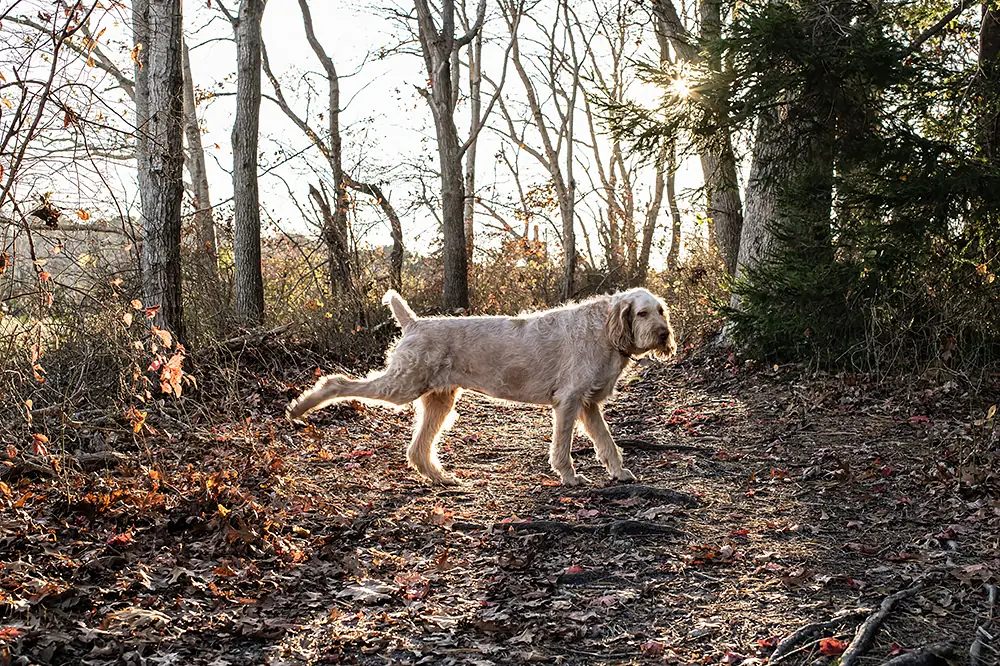
Ever watched your furry friend do a little jig right after they finish their business? It might look like a weird dance move, but there’s a whole lot more to this quirky behavior than just shaking off the last few drops. Let’s unpack why dogs kick and scrape their feet after doing their duty.
It’s All About Marking Their Territory
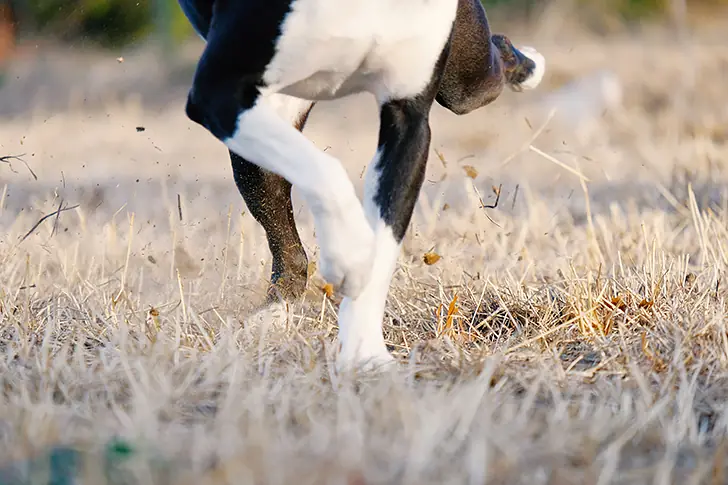
Believe it or not, when your dog kicks up dirt and grass after relieving themselves, they’re actually engaging in a form of communication. Known as scent marking, this behavior is not just about staking territory claims—it’s a way for dogs to leave messages for their canine counterparts. Dogs have scent glands located in and between the pads of their paws. By scraping and kicking the ground, they help spread these pheromones around the area.
But what exactly are they communicating? It turns out quite a bit! These scent messages can convey a range of information to other dogs who pass by later—things like the kicker’s age, gender, stress level, health status, and even their reproductive availability. It’s like a social media update for the animal kingdom, announcing “I was here” along with a bunch of personal hashtags.
Not Just a Guy Thing
It’s a common misconception that only male dogs scent-mark in this way. Female dogs are just as likely to kick and scrape, using their paws to broadcast their own set of pheromones. So, regardless of whether your dog is a dude or a lady, those post-potty kicks are part of their instinctual toolbox.
When Kicking Becomes Problematic
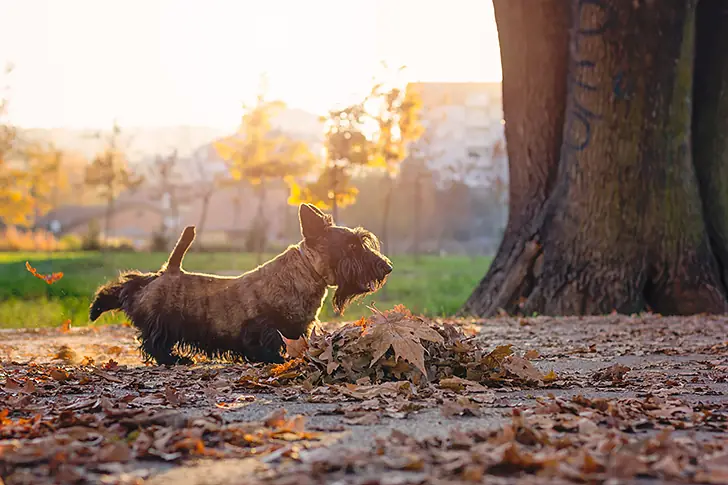
Most of the time, this kicking behavior is perfectly normal and harmless. However, there are moments when it can be a little misdirected. Take my dog Sookie, for instance—sometimes she gets carried away and starts kicking dirt right onto the sidewalk (not exactly the neighborly thing to do!). When that happens, I gently call her name to grab her attention and we simply move on with our walk.
If you find your dog frequently scent marking around your yard, especially in places that aren’t ideal (like near your freshly planted flower beds), you might want to consider taking more structured, leashed walks. This not only gives them a chance to do their business but also to engage in healthy scent-marking away from your garden. Alternatively, setting aside a specific area of your yard for bathroom breaks can help contain both the mess and the behavior.
Post-Kick Paw Care
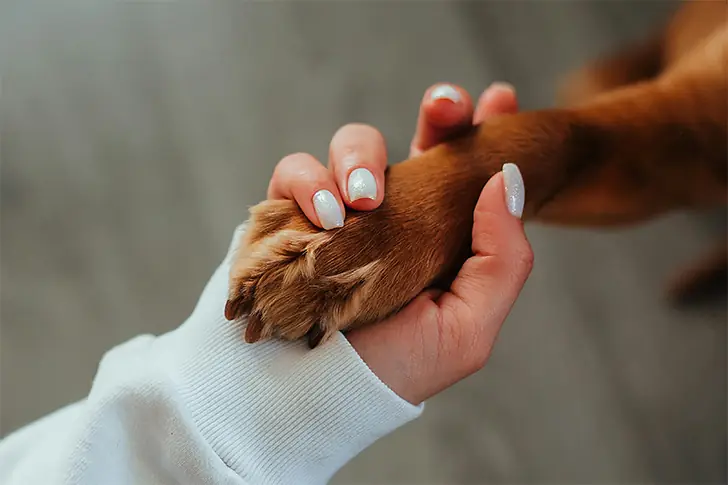
After your dog has finished their kicking routine, it’s a good idea to give their paws a quick check. Look for small rocks, burrs, or foxtails that might have gotten caught between their toes. These can cause discomfort or even turn into a more serious issue if not removed. Keeping your dog’s paws clean helps prevent these problems and keeps their feet in tip-top shape for their next scent-marking adventure.
Understanding why dogs kick after they poop helps us see the world a bit more from their perspective. It’s not just a quirky behavior but a significant part of how they interact with their environment and other dogs. So next time you’re out for a walk and your dog starts their post-potty dance, just remember: they’re not just kicking grass—they’re crafting a message!