Scientists conducting biodiversity surveys in northern Saudi Arabia found physical evidence that challenged long-held assumptions about big cats in the region. The remains were unusually intact, preserved well enough to retain genetic material spanning thousands of years.
Initial examinations created questions about how large predators ended up protected in conditions rarely associated with their behavior. But laboratory analysis later revealed why this discovery was more significant beyond the caves where it was found.
A Discovery Hidden In Plain Sight
<span data-mce-type="bookmark" style="display: inline-block; overflow: hidden; line-height: 0" class="mce_SELRES_start"></span>
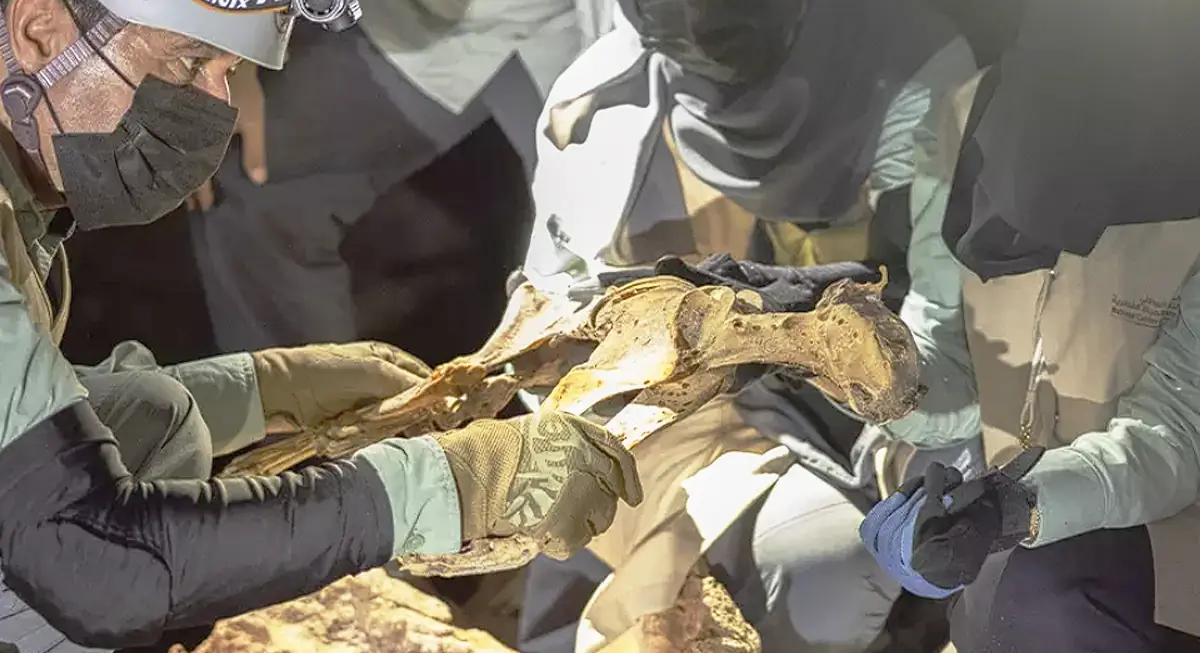
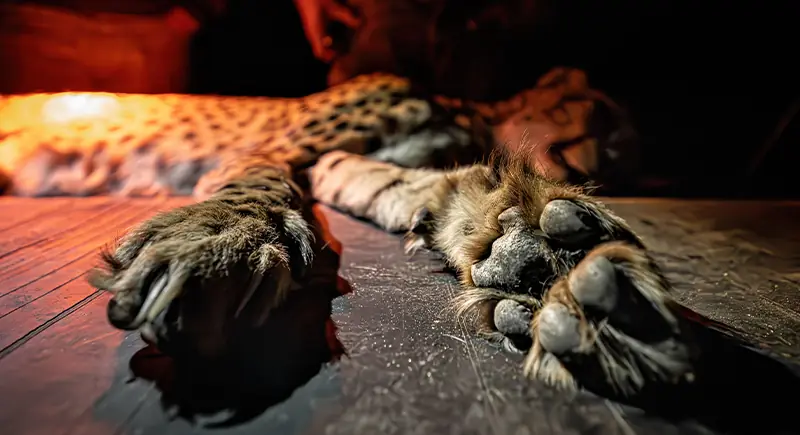
The finding traces back to surveys conducted in 2022 and 2023 by teams working with the National Center for Wildlife. While mapping cave ecosystems near the city of Arar, researchers encountered seven cheetahs preserved through natural mummification. Some remains date to roughly 150 years ago, while others date back more than 4,000 years. Alongside the mummies, scientists documented skeletal remains belonging to 54 additional cheetahs.
Large cats rarely preserve this way, and natural mummification demands stable temperatures, low humidity, darkness, and protection from scavengers. These caves provided all of it. The result recorded the first confirmed case of naturally mummified large cats discovered on the Arabian Peninsula.
Why These Caves Changed Science
Cheetahs were never known to use caves as shelter, but the evidence inside told a different story. Researchers identified cheetah scat, prey bones, and multiple occupation layers, indicating the caves served as dens over many generations. The caves offered relief from desert heat while unintentionally creating ideal conditions for preservation.
That environment also did more than protect fur and bone; it protected DNA! Scientists successfully extracted full genomes from mummified tissue, enabling direct genetic comparison with living cheetah populations. The results were published in Communications Earth & Environment and reshaped assumptions about cheetah history in the region.
The Genetic Surprise Inside The Mummies
Cheetahs once ranged across Africa and large parts of Asia, yet today they occupy only about 9 percent of that historic territory. Five subspecies remain, with the Asiatic cheetah estimated at 50 to 70 individuals living wild in Iran. Saudi Arabia lost its cheetahs by the 1970s, long assumed to be exclusively Asiatic.
The genomes told a more complicated story. Only the youngest mummy aligned most closely with Asiatic cheetahs. Older individuals showed strong genetic similarity to Northwest African cheetahs, a subspecies that still numbers around 400 and exists in both wild and managed breeding populations. That connection expanded the conversation around what once lived in Arabia and what could realistically return.
Reintroducing cheetahs has always faced a genetic bottleneck. Using a population measured in dozens limits long-term viability. The genetic link to Northwest African cheetahs introduces options grounded in evidence rather than hope. It also reduces the risks of inbreeding, disease vulnerability, and population collapse.
Saudi Arabia has already begun laying the groundwork. Protected areas are expanding. Prey species such as oryx and antelope are being bred and conserved. These steps support long-term stability. Rewilding is slow and costly, but genetic evidence now allows planning grounded in data, feasibility, and ecological fit.