Feeding ducks is a popular way for people to interact with wildlife, especially at local ponds or parks. However, many foods people bring can actually harm ducks more than help them. Some items seem harmless but cause long-term health problems, attract pests, or pollute the water.
Ducks are built to forage for their own food, and when we feed them the wrong things, it interrupts that natural balance. Understanding what not to feed them is just as important as knowing what’s safe. These common snacks may appear to be treats, but they often do more harm than most realize.
Bread
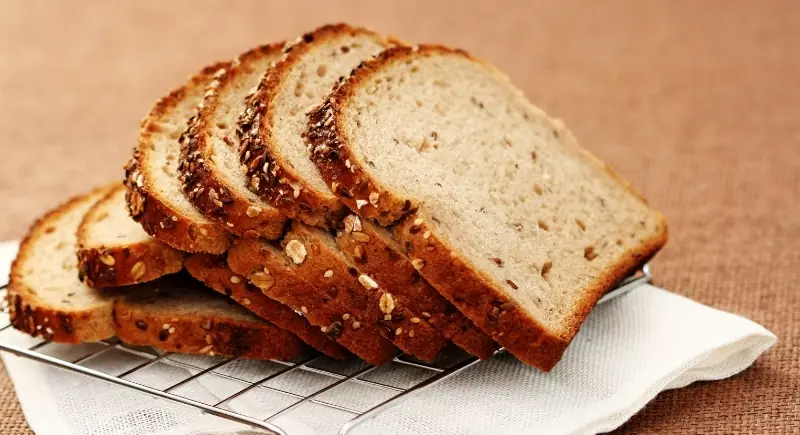
It’s a go-to snack for pond visits, but bread lacks the nutrients that ducks need to thrive. It fills them up fast and discourages them from foraging. Moldy bread brings additional risks, including fungal infections like aspergillosis. In some cases, dense bread clumps have blocked the digestive tracts of smaller ducks.
Potato Chips and Crackers
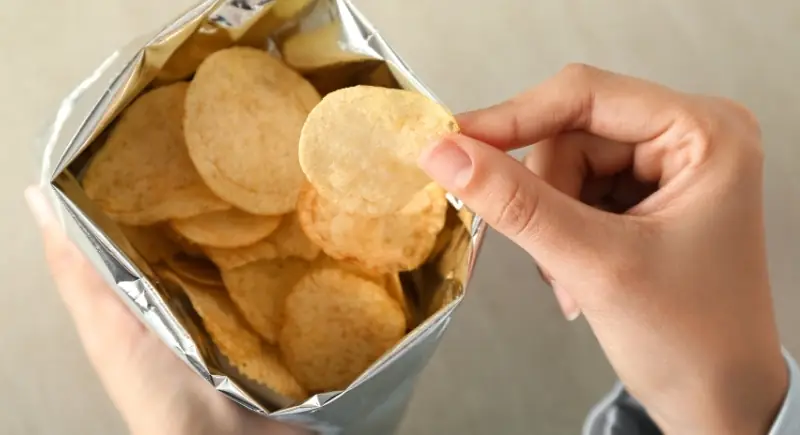
These snacks lack nutritional value and are heavy on salt. Ducks aren’t built to handle high sodium, and their kidneys suffer from repeated exposure. Crumbs left behind degrade in water, which leads to algae growth and draws unwanted bacteria into shallow areas where ducks tend to congregate.
Sweet Baked Goods

Cookies, pastries, and similar snacks are packed with sugar and artificial ingredients that ducks can’t process. These foods throw off nutritional balance and weaken immune function over time. Large numbers of ducks attracted by these treats often result in dense waste buildup, which increases the risk of spreading illness in ponds.
Spinach
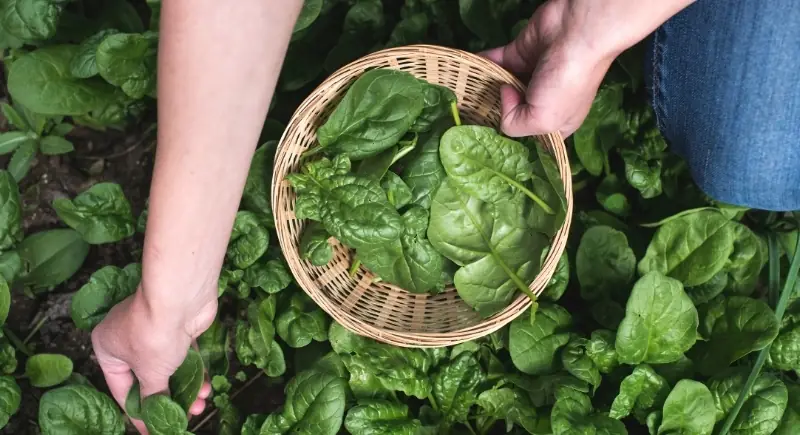
Oxalic acid makes spinach a concern. It binds to calcium, which reduces the amount that ducks can absorb. This becomes especially dangerous for egg-laying females, who depend on calcium for shell formation. Over time, regular spinach intake can affect bone strength and eggshell quality, especially in growing or breeding birds.
Swiss Chard
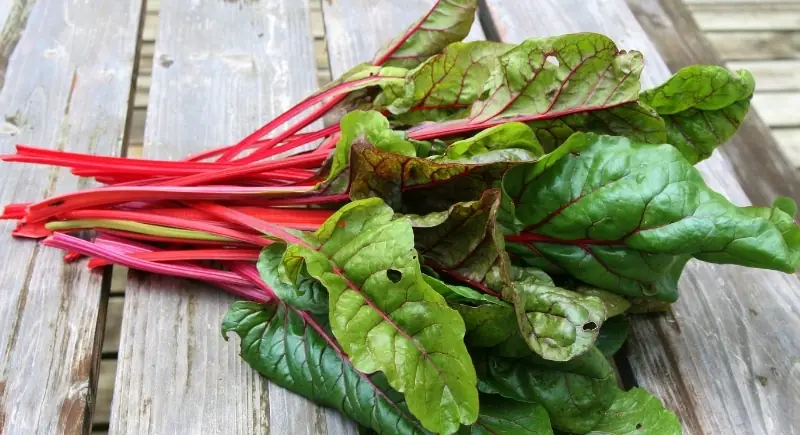
Like spinach, chard is high in oxalates, which interfere with calcium metabolism. While a few bites may seem harmless, repeated feeding can throw off mineral levels. It’s a bigger issue for ducklings, whose bones are developing fast. Bone weakness from calcium deficiency can show up quickly in young ducks.
Salted Nuts and Seeds Packaged for People
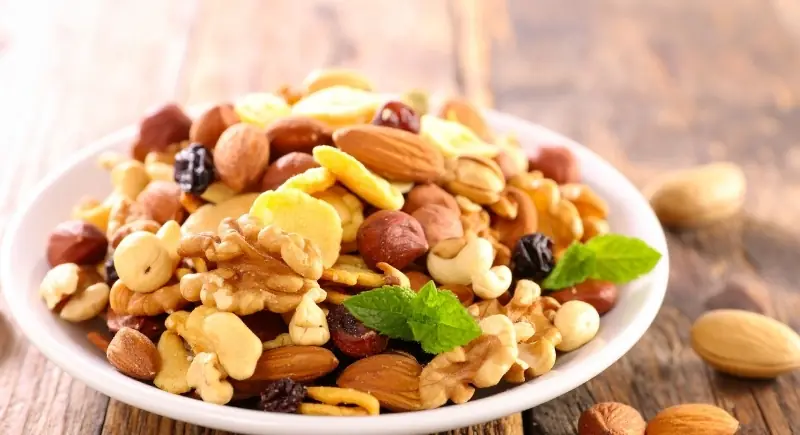
Most people’s snacks, such as trail mix or seasoned sunflower seeds, often include salt and flavoring agents. Ducks consuming them take in more sodium than their bodies can process. These products also condition birds to ignore natural food sources, which makes them less resilient when human feeding stops.
Bacon Grease and Processed Animal Fats
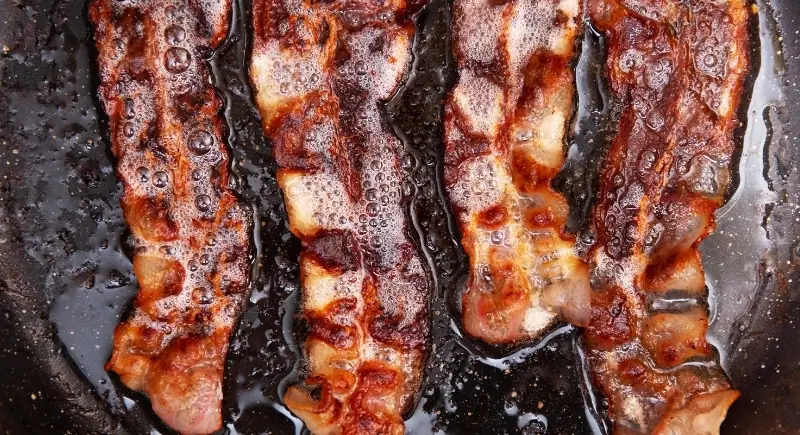
Although some believe animal fat helps waterfowl in cold weather, grease and processed fats often contain salt and chemical additives. Spoiled fat also draws insects, rodents, and scavengers. Ducks feeding in those areas frequently ingest harmful residues while preening or dabbling in contaminated water.
Pet Food
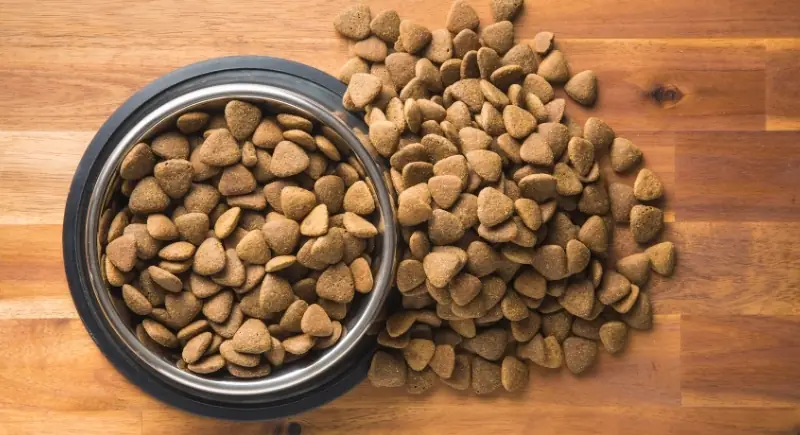
Kibble may look like a protein boost, but it’s made for dogs and cats, not birds. Ducks that eat pet food can experience stomach upset and long-term health issues from ingredients intended for carnivorous mammals. Any leftovers also attract raccoons and rats.
Raw Meat
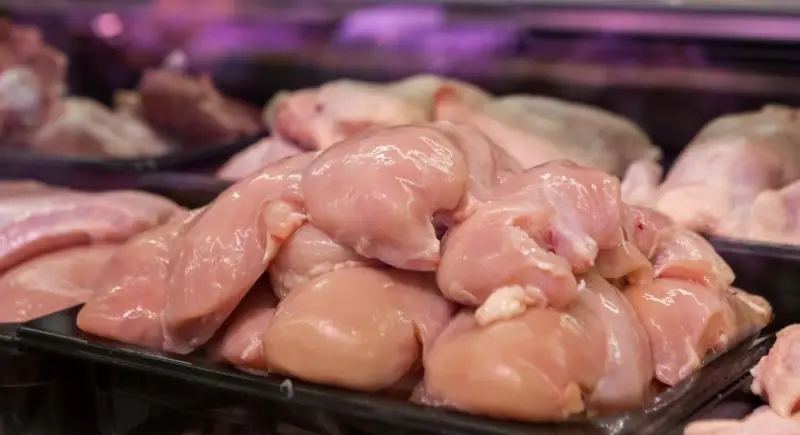
Raw meat spoils rapidly without refrigeration and becomes a source of bacterial growth. Ducks pecking at decaying meat may ingest pathogens uncommon in their natural diet. Wildlife authorities also caution that exposed meat attracts scavengers.