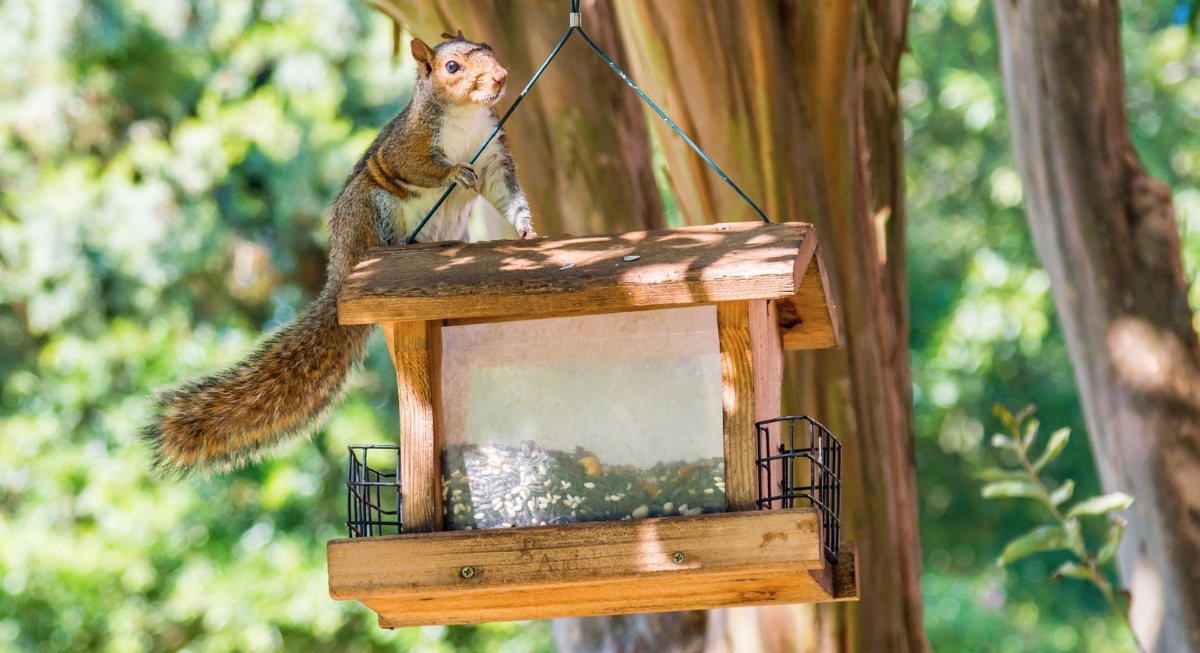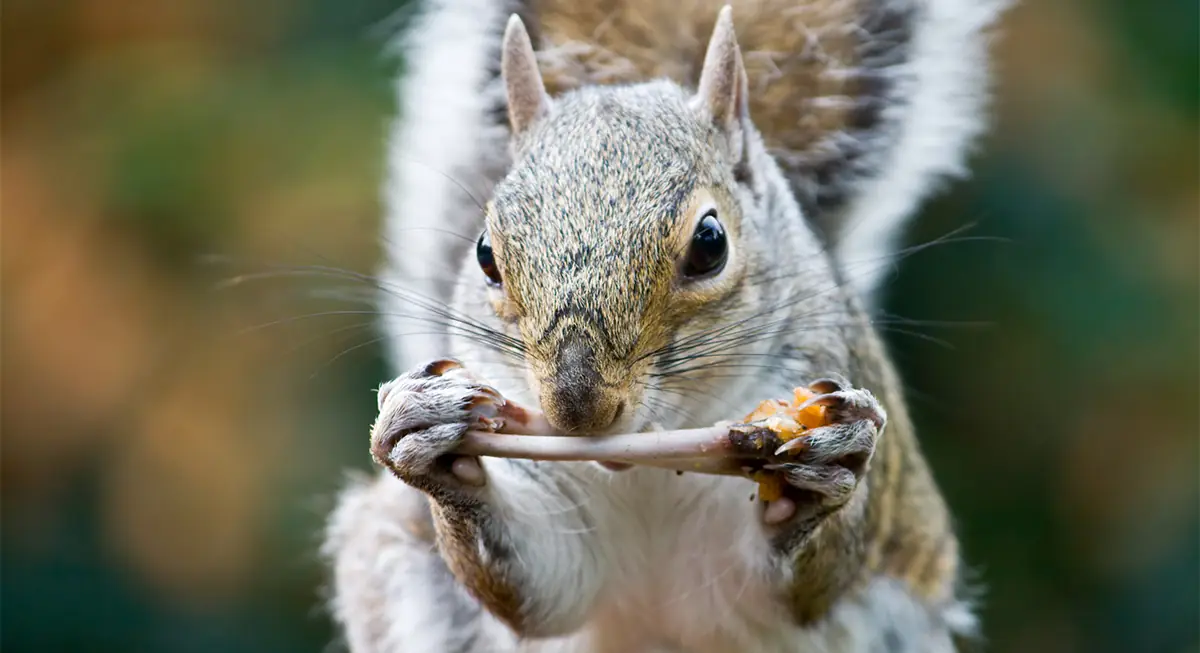
For most of us, squirrels are harmless, slightly chaotic nut-hoarders. You can see them darting across sidewalks, digging up flowerbeds, and staring through windows like they pay rent. They’re annoying in a cute way. But now, experts in California have caught them doing something no one expected: hunting live prey and eating it.
You might take it as a single, isolated incident, but scientists have discovered a pattern. They have clearly documented it, and it’s changing how we think about one of the most familiar animals in North America.
Field Researchers Witnessed the Change
@cnn A new study reveals the first evidence of California squirrels hunting and eating small rodents. CNN’s Julianna Bragg explains why researchers think this natural phenomenon is critical to future behavioral discoveries in animals. #cnn #news #squirrels #squirrelsoftiktok #rodents ♬ original sound – CNN
The discovery took place in Briones Regional Park, just outside Berkeley. A team led by Jennifer Smith of the University of Wisconsin-Eau Claire had been studying ground squirrels there for over a decade. During the summer of 2024, they began recording an entirely new behavior: California ground squirrels actively pursuing voles, small rodents roughly the size of a mouse.
Over six weeks, the team logged 74 interactions between squirrels and voles. In 42% of those encounters, the squirrels hunted and consumed their prey. Video evidence backed up the findings, showing clear predatory techniques, such as neck bites, rapid shaking, and even the removal of fur before eating.
A Sudden Vole Boom Provided the Opportunity
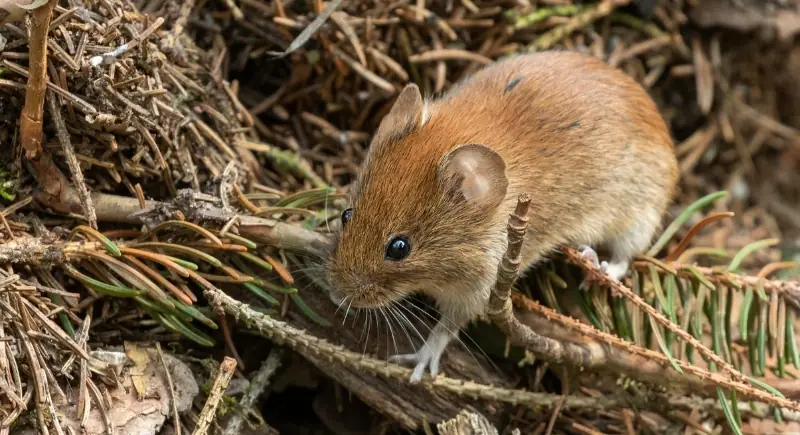
Everyone wondered why this behavior had suddenly begun. The timing lined up with a massive increase in vole populations. Voles are small, mouse-like rodents that breed quickly, and their numbers often rise and fall in cycles depending on rainfall and vegetation.
Reports from the iNaturalist app revealed just how unusual the summer was: vole sightings came in at seven times the ten-year average. With so many rodents underfoot, squirrels didn’t pass up the chance to add them to their diet.
You might think that our seed stashers did this out of desperation or a lack of food. But that wasn’t the case. Acorns, seeds, and fruit were still available in the park. Instead, the squirrels exploited an unexpected resource that delivered protein and calories in abundance.
Hunting Behavior Spread Across the Population
Some researchers initially suspected the behavior might be limited to females needing extra energy for reproduction. Field observations dismissed that idea. Both sexes, across all ages, were seen hunting voles, showing the shift wasn’t tied to a single group or a few odd cases.
The style of attack varied. Some squirrels sprinted after prey in the open, while others crouched low and pounced. After a kill, fights often erupted, and in several instances, squirrels tried to snatch prey from one another. Meat had quickly become something worth contesting.
What This Means for the Future
Scientists are viewing this change as an example of how animals can adjust rapidly when ecosystems change. As climate pressure disrupts food chains and alters habitats, species with flexible diets may be more likely to endure.
For now, the behavior has only been confirmed in one California park. Professionals want to know if it will spread elsewhere, if younger squirrels will learn it, and how it might impact local predator-prey dynamics.