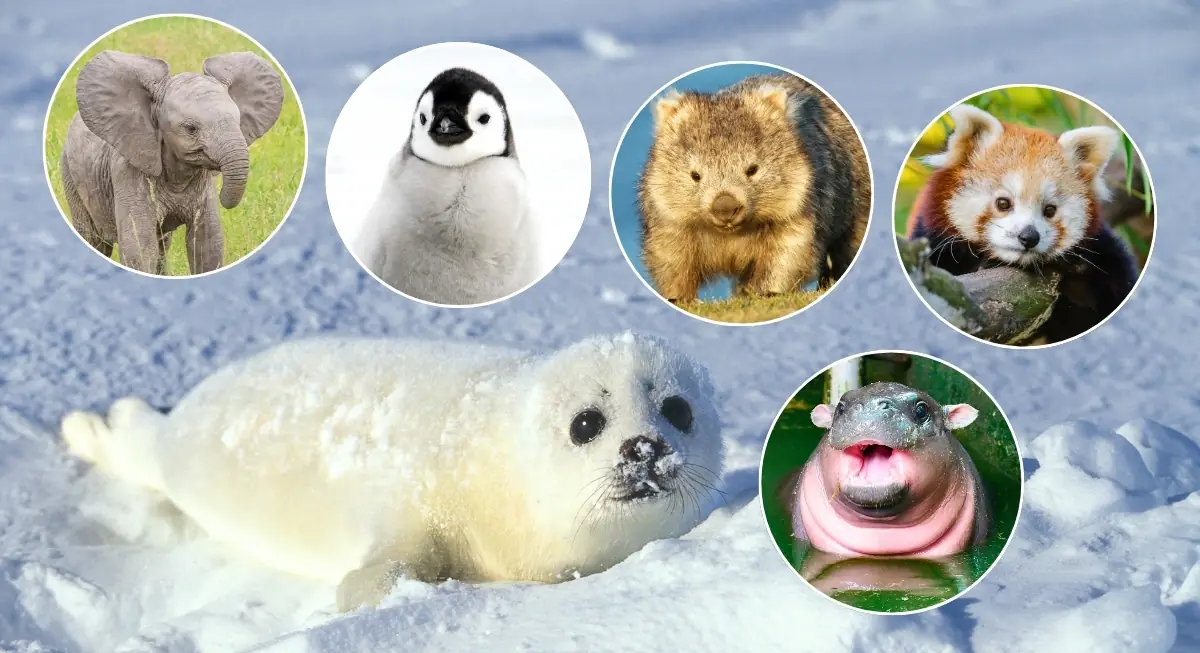
Cuteness can shift moods and lower cortisol, and science backs it up. Looking at baby animals, like a seal pup blinking on a beach or a panda somersaulting, actually lights up the same brain areas as looking at a loved one. These 53 baby animals might be pure therapy.
Giant Panda
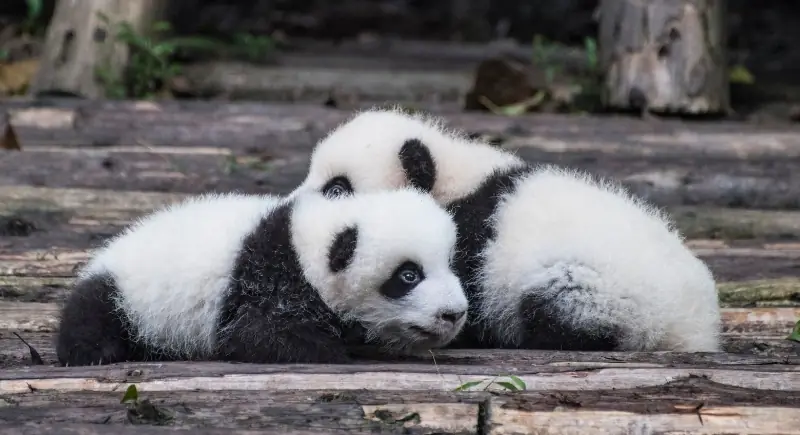
Giant panda cubs are born weighing about four ounces, blind and pink, which barely resembles their adult selves. They stay with their mothers for around three years, learning to climb and forage for food. Their round bodies and clumsy movements make them one of the most adored animals in China.
Emperor Penguin
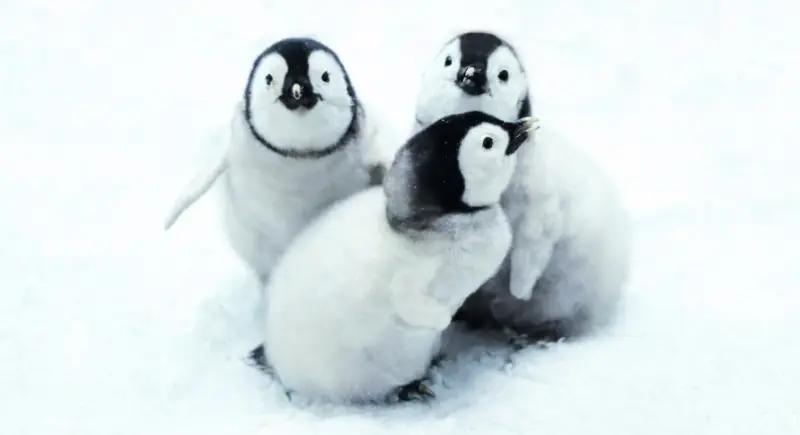
After hatching on their father’s feet during the brutal Antarctic winter, emperor penguin chicks are insulated by fluffy gray down. They form “crèches” with other chicks for warmth while parents take turns feeding. Their high-pitched calls and fluffy forms make them irresistible, even while surviving the coldest place on Earth.
Harp Seal
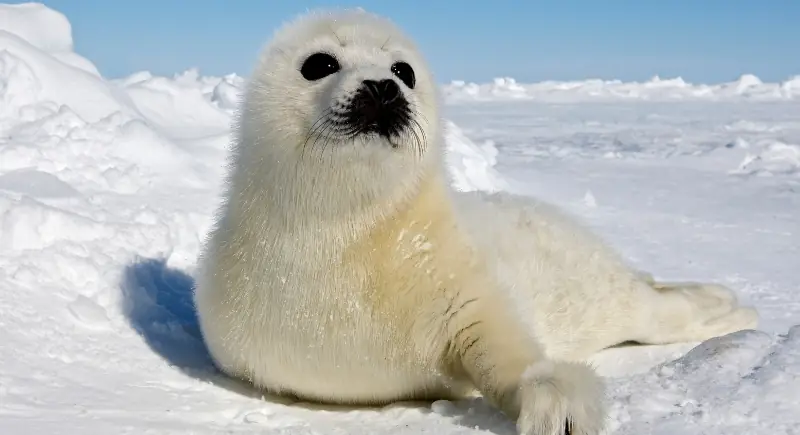
After being born on sea ice with thick, white fur, harp seal pups remain motionless to avoid predators. The fur insulates them during Arctic winds until it molts after two weeks. They nurse on high-fat milk while gaining five pounds daily. Their big black eyes and snowy coats turn these pups into ice-cold icons.
Fennec Fox
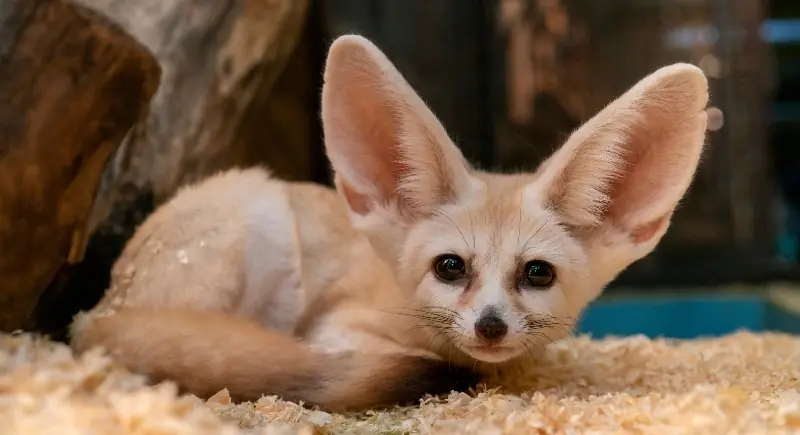
Native to the Sahara, fennec fox kits are born blind but begin exploring after ten days. Their enormous ears grow quickly and help dissipate heat. By six weeks, they’re playful, fast, and use sand for cover. Watching them pounce and wrestle at sunset feels like nature’s version of Saturday cartoons.
Red Panda
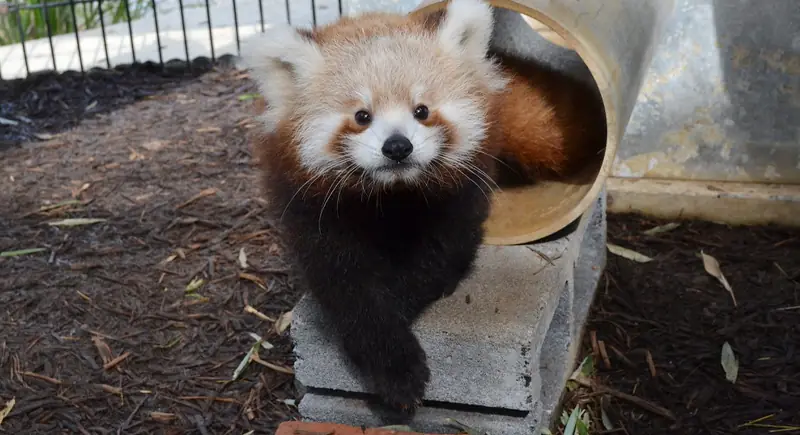
Red panda cubs are delivered in tree hollows and remain hidden for over a month. At birth, they’re grayish and fluffy, and they develop their signature rusty coat later. These climbing rookies learn balance by tumbling through branches. They sleep up to 18 hours a day, usually curled into a cinnamon ball.
Hippopotamus
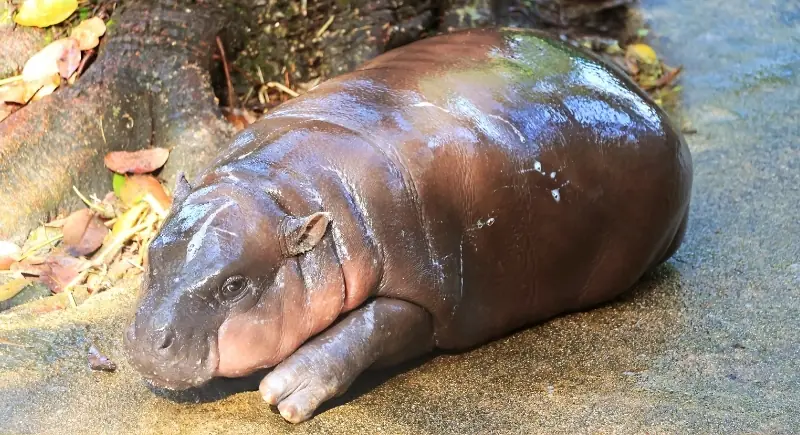
Did you know that baby hippos come about underwater and swim before they can walk? Though they weigh about 100 pounds at birth, they’re still dwarfed by their 3,000-pound mothers. They suckle underwater and nap on their mom’s back. Despite their size, their yawn and stubby legs give them unexpected charm.
Koala
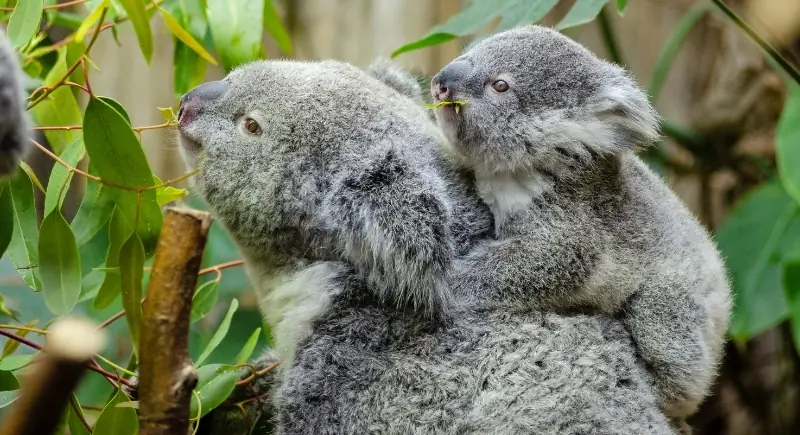
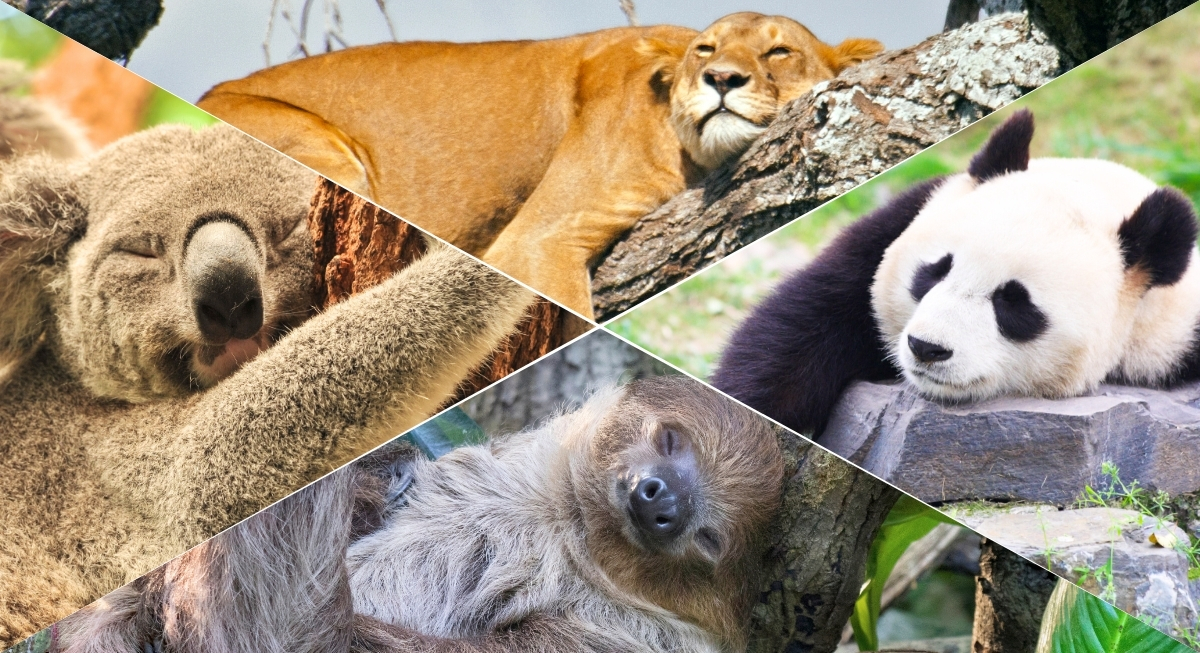
Koalas are born the size of a jellybean and climb into their mother’s pouch immediately. For six months, they grow, then begin eating pap, a specialized pre-digested eucalyptus snack. Their button noses and fuzzy ears make them poster animals for Australian wildlife, although they spend up to 22 hours a day sleeping.
Quokka
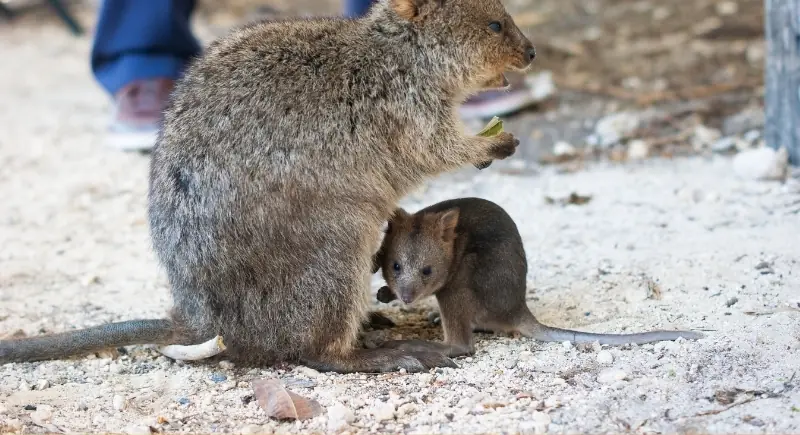
Often called “the world’s happiest animal,” baby quokkas peek from their mother’s pouch around six months old. They’re native to Rottnest Island in Australia, and their smiles are a result of facial structure, not mood. Still, it’s hard to look at their bright eyes and round cheeks without grinning back instinctively.
Sloth
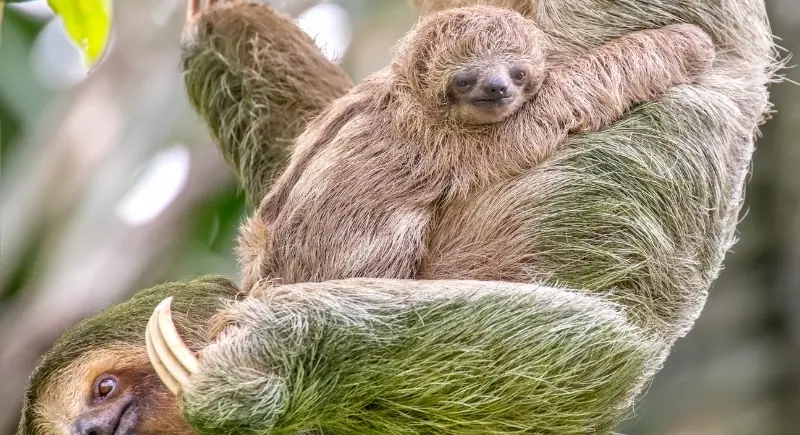
Two-toed sloth babies cling tightly to their mothers for six months. They’re born with claws and begin mimicking slow-motion eating habits within weeks. Their wide-eyed stare and upside-down naps make them look like living stuffed animals, swaying with the trees.
Elephant
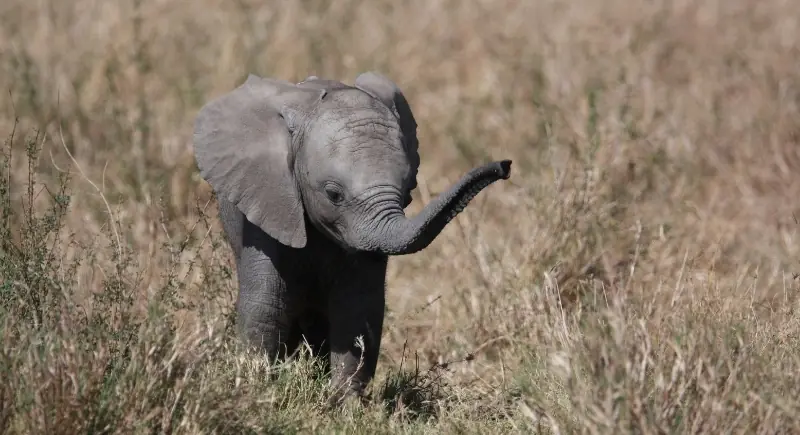
Elephant calves weigh around 250 pounds at birth but are surprisingly wobbly on their feet. Within minutes, they stand, following their moms across savannas or forests. Trunks take months to fully control, often flopping like garden hoses. Those uncoordinated steps paired with oversized ears make baby elephants lovable right away.
Otter
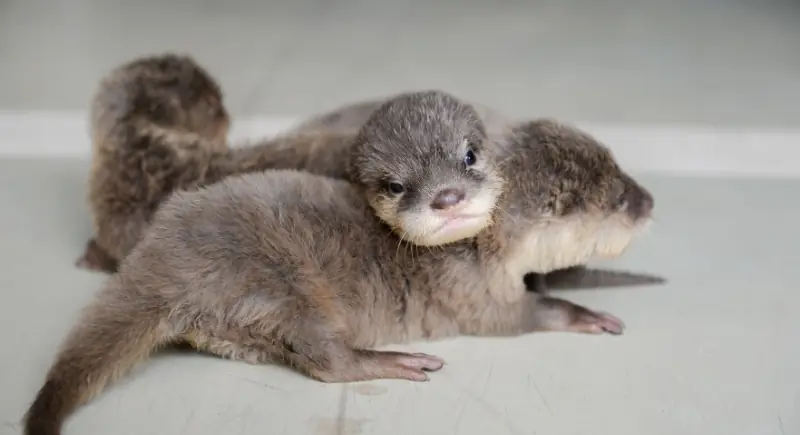
Otter pups float on their backs minutes after birth. In sea otters, mothers wrap pups in kelp like nature’s crib to keep them from drifting. Their baby coat is so thick that they can’t dive until it sheds. Plus, with the whiskers and high-pitched chirps, they’re definitely the marine version of cute.
Polar Bear
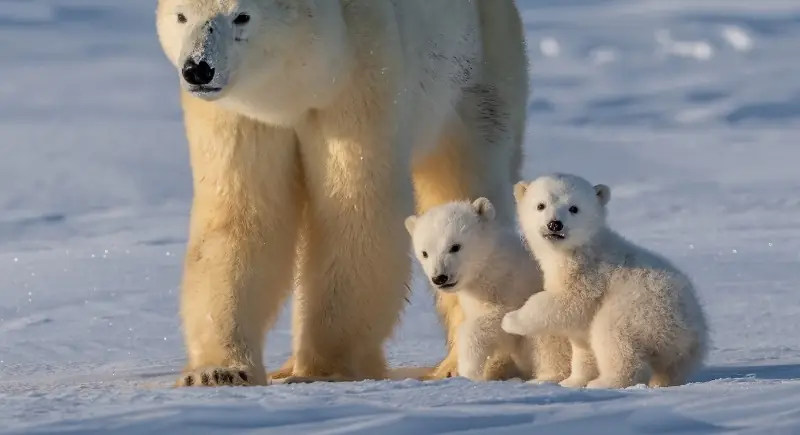
Polar bear cubs, born blind and hairless in Arctic dens, rely on their mom’s warmth for months. They weigh just over one pound at birth, but grow fast on rich milk. First steps outside the den are cautious but curious.
Penguin
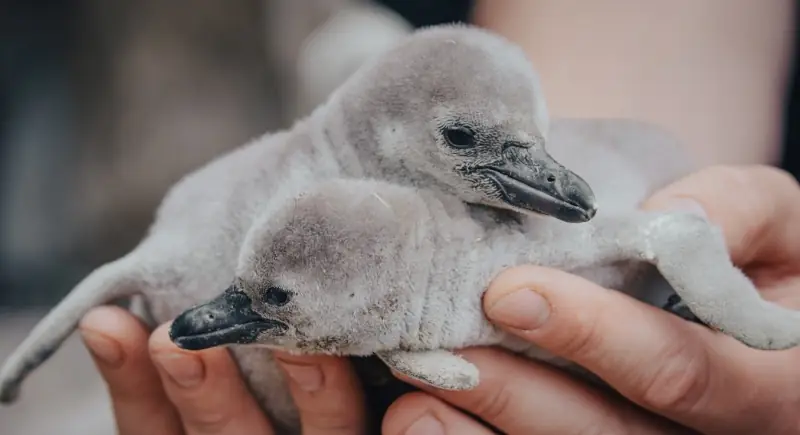
A penguin’s debut starts with oversized feet and a wobble that screams “new here.” They hatch in freezing climates, so some species balance atop a parent’s feet to avoid ice burns. Others form crèches, little penguin preschools that help them survive. Their high-pitched peeping helps parents find them in the crowd.
Meerkat
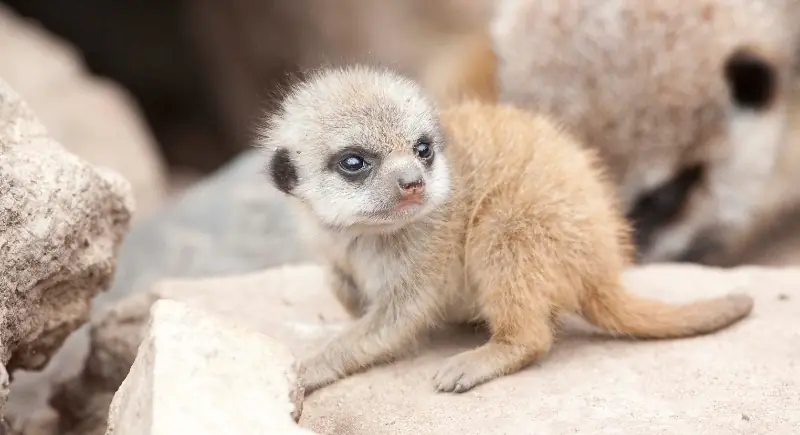
Found in underground burrows, meerkat pups stay hidden for the first few weeks. When they emerge, a full babysitting squad awaits, often older siblings and aunts. Their dark eye patches reduce glare, even as they clumsily imitate adult sentry duty.
Alpaca
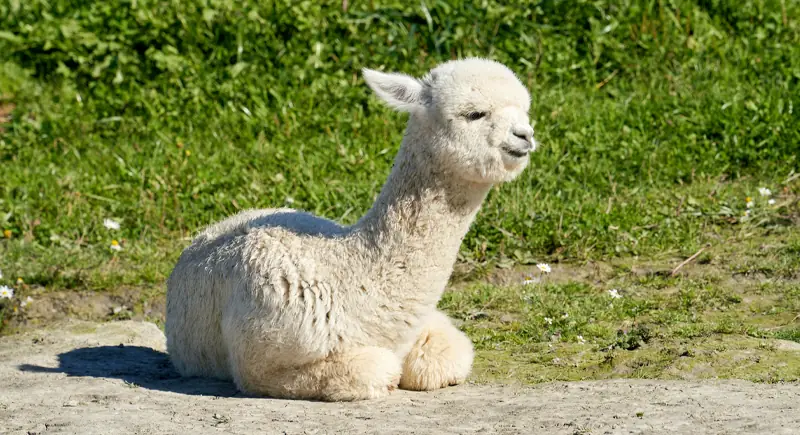
Also called crias, baby alpacas arrive with long necks and spindly legs, often humming when nervous. They’re found mainly in South America, and come into this world already walking and running within hours. Their soft fleece is prized worldwide, but it’s their wide eyes and mop-top foreheads that earn them the most attention.
Raccoon
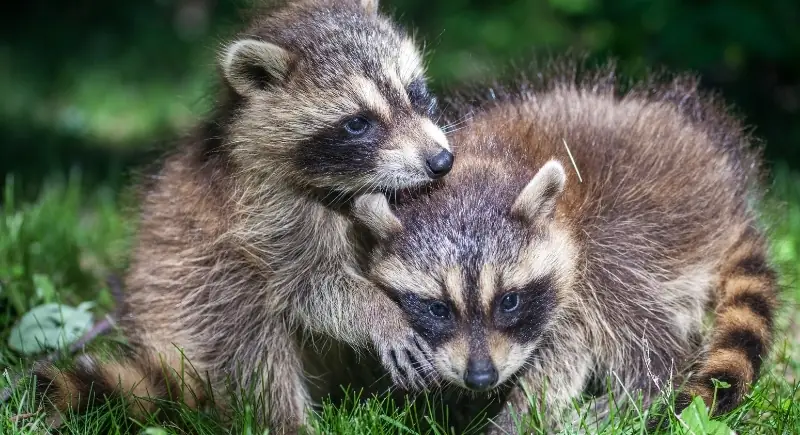
Given that they’re blind and deaf at birth, raccoon kits cling to their mother in tree hollows or attics. By eight weeks, they explore with twitchy curiosity and nimble paws. Their masked faces might give off mischief, but when they waddle behind Mom on moonlit nights, it’s suburban stealth at its cutest.
Wombat
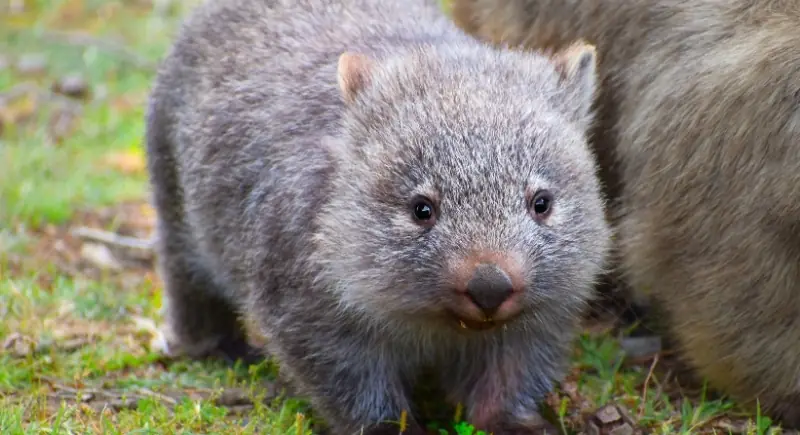
Unlike kangaroos, wombat joeys stay in a backwards-facing pouch. That prevents dirt from filling it when Mom digs. After six months, they peek out, often nibbling grass or following her across the Australian bush. Their stubby legs and barrel-shaped bodies make them natural-born bulldozers with faces straight out of storybooks.
Chimpanzee
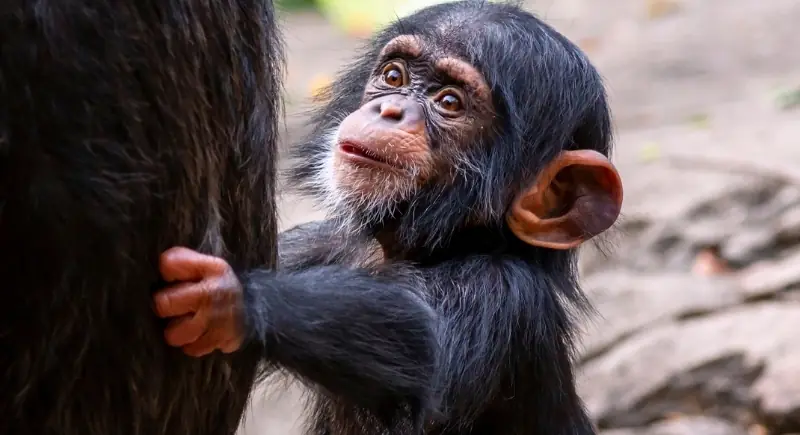
While holding tightly to mom’s fur, baby chimps begin mimicking expressions within days. Their oversized ears and wrinkled brows give them a look of constant surprise. These little climbers rarely let go, riding on their mother’s back while observing everything. It’s in those watchful, learning eyes that future intelligence begins.
Tapir
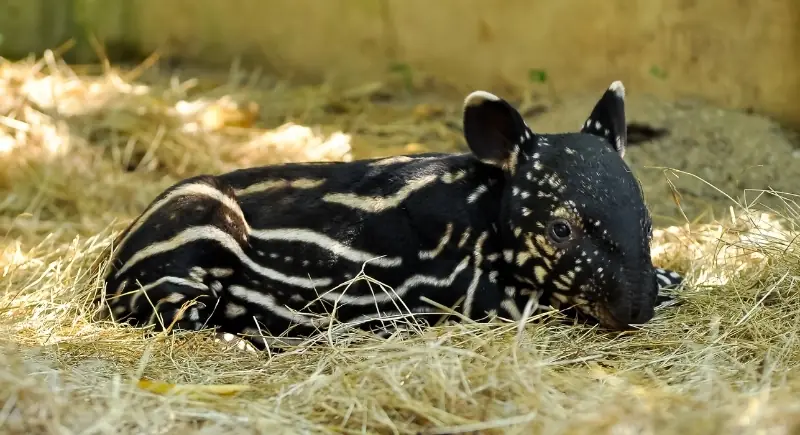
A watermelon with legs—that’s what baby tapirs resemble, thanks to their striped and spotted coats. These markings help camouflage them in the dense rainforest understory. They immediately have snouts they can use to sniff, suckle, and squeal. In just weeks, they’re splashing in streams and shadowing mom like jungle explorers.
Kangaroo
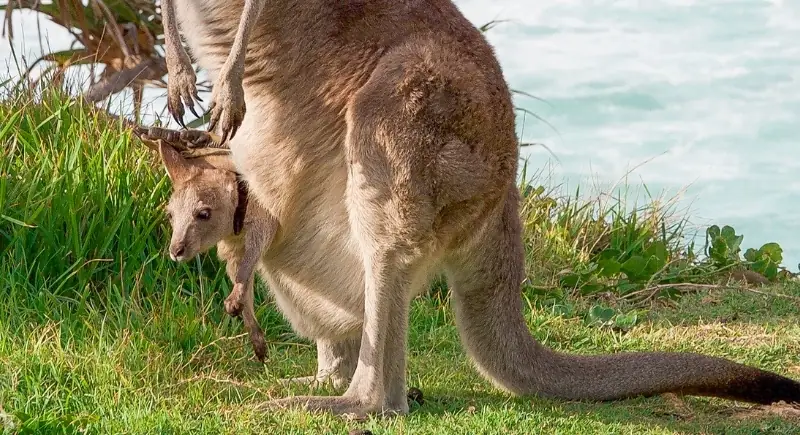
Barely the size of a jellybean, kangaroo joeys crawl into the pouch right after birth. Inside, they latch on to nurse and grow for months before even poking out a nose. First peeks show tiny twitching ears and blinking eyes. Once out, they hop awkwardly.
Red Fox
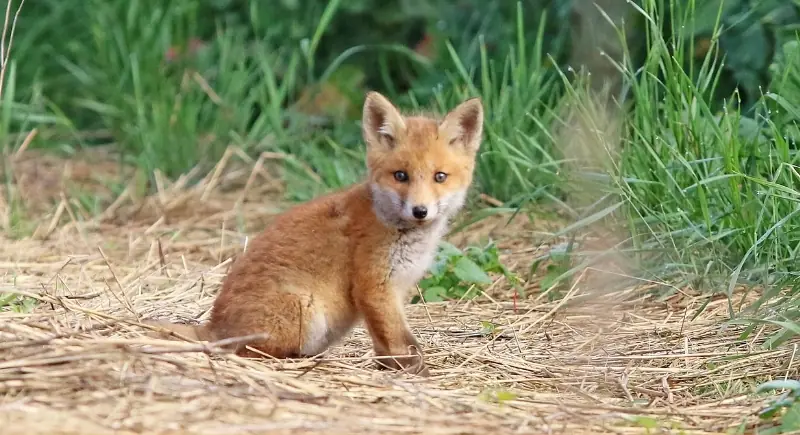
Red fox kits are born blind, gray-furred, and helpless, tucked inside dens with several siblings. By four weeks, their fur reddens, and curiosity takes over. They begin pouncing on insects, tumbling in the grass, and hiding in old logs. Though shy around humans, their playful streak makes them woodland comedians-in-training.
Manatee
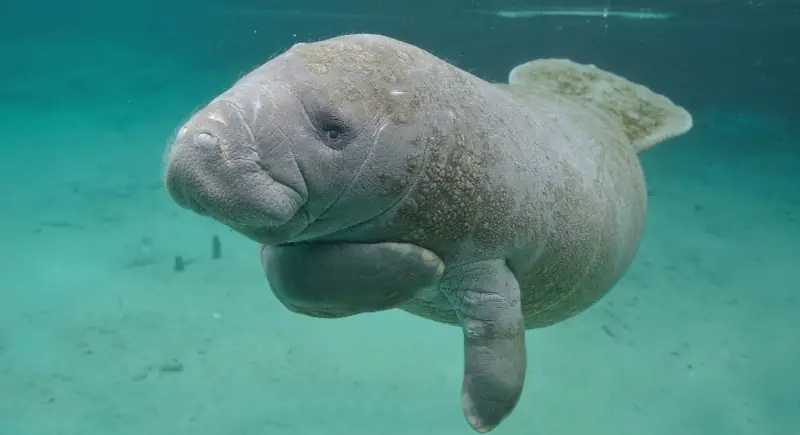
Florida’s manatee calves weigh nearly 70 pounds at birth and nurse underwater for up to two years. They make squeaking sounds to stay connected with their mothers. As slow swimmers and gentle floaters, they’re often seen riding mom’s back like sea cows on parade. Those round faces could soften anyone’s day.
Zebra
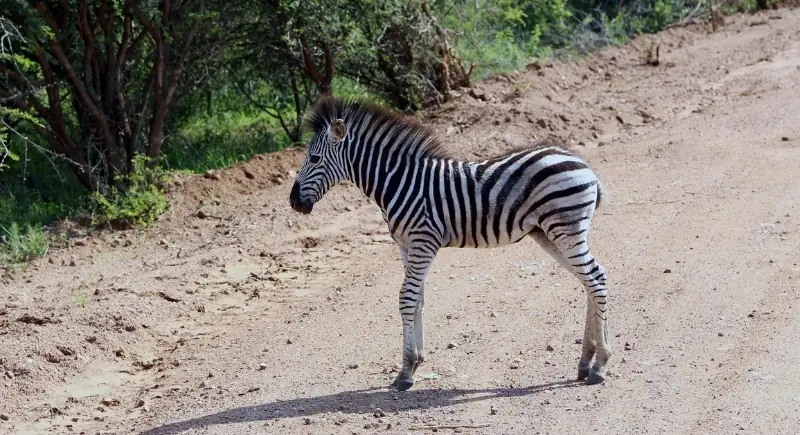
Within 15 minutes of birth, a zebra foal can stand. By an hour, it’s walking. Each foal has a unique stripe pattern, much like fingerprints. They memorize mom’s scent and call right away to stay close during migrations. That fluffy baby mane gives them an almost punk-rock vibe in the African grasslands.
Wallaby
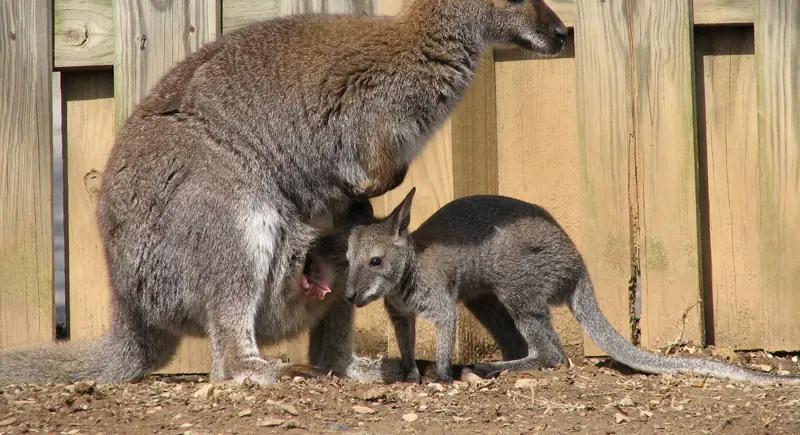
Much like kangaroos, wallaby joeys stay hidden in their mom’s pouch. But what sets them apart is their preference for cliff habitats and forest edges. Their tiny pink faces begin poking out around four months. Watching them peek from the pouch is cinematic.
Reindeer
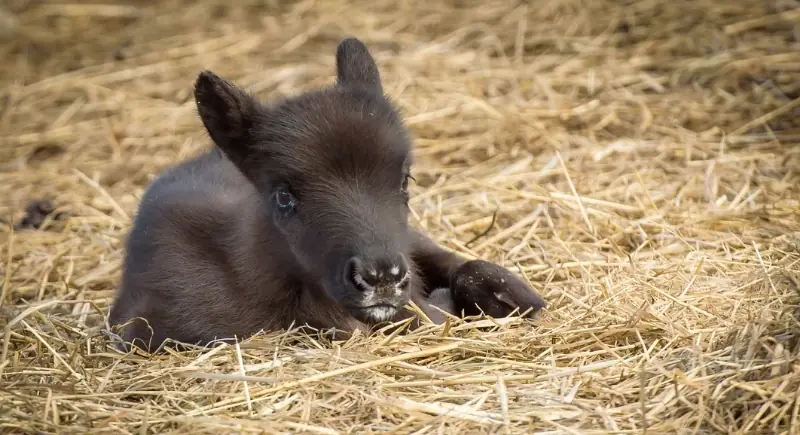
Born in Arctic spring, baby reindeer—called calves—can outrun a human by their second day. Both sexes grow antlers, and calves begin developing theirs in just weeks. They’re covered in a soft brown coat, graze on moss, and stay glued to their mother’s side, even through deep snow and icy winds.
Serval
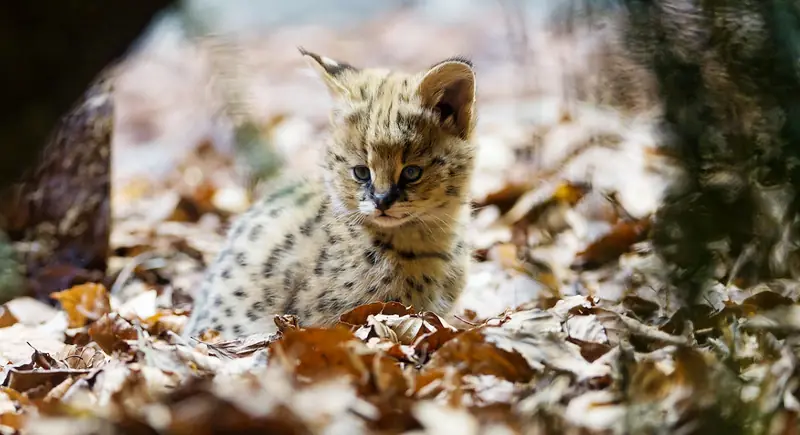
Serval kittens are born in grassland dens with dark, inky spots that help with camouflage. Their ears, already oversized at birth, twitch constantly to detect the slightest movement. Within a few weeks, they’re leaping for insects. That playful leap becomes a signature hunting move used even when fully grown.
Moose
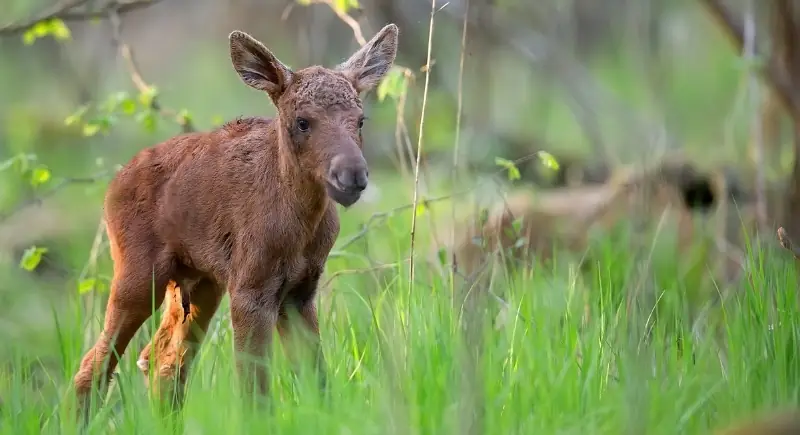
Newborn moose calves weigh up to 35 pounds and can swim within days. They often wobble through wetlands in spring while growing fast on a diet of mother’s milk and aquatic plants. Their clumsy strolls resemble someone learning stilts, with ears flopping and wide eyes scanning every noise.
Pangolin
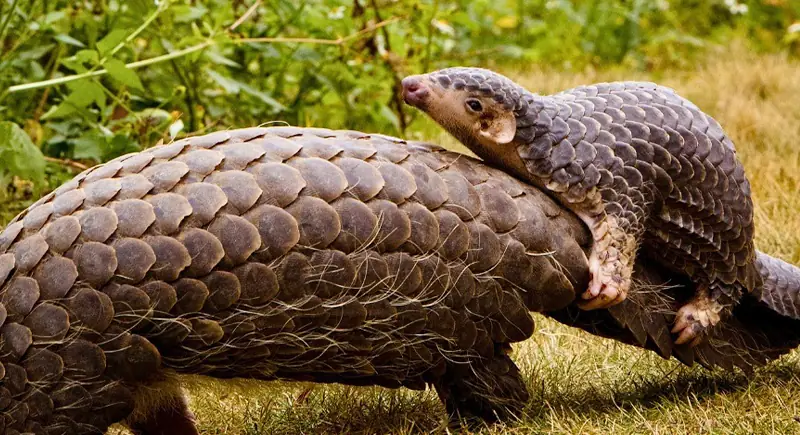
Tiny pangolins are born with soft, rubbery scales that harden within a few days. They’re carried on their mother’s tail, and curl up when frightened—a defense they’ll rely on for life. These babies nurse for three months while practicing their digging technique in soft forest soil.
Lemur
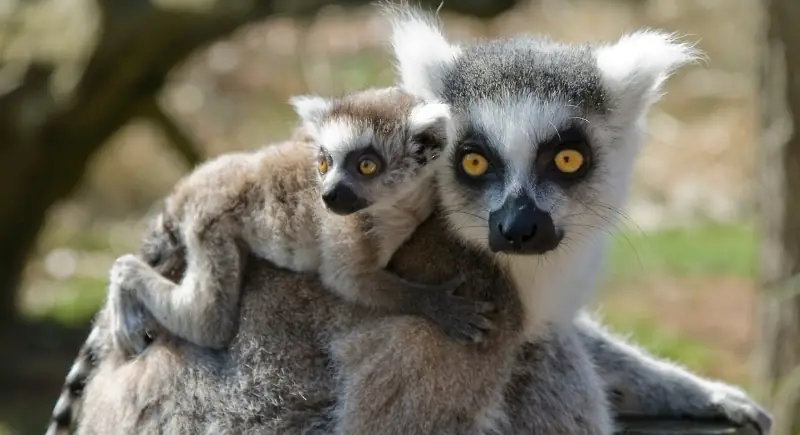
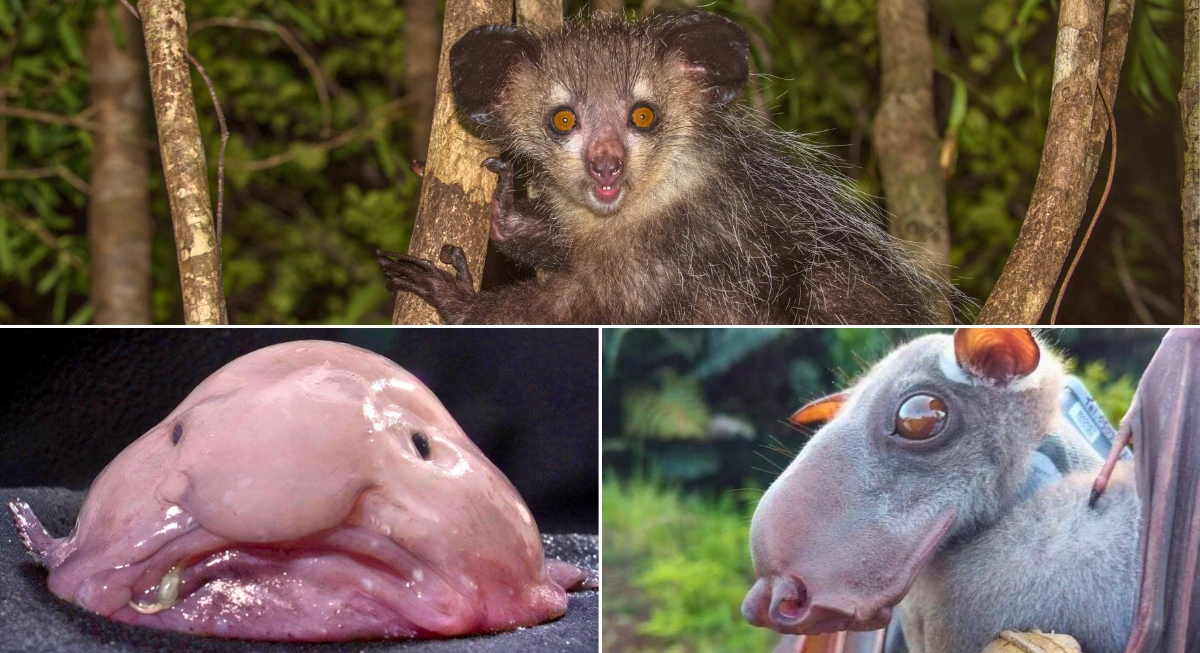
Baby lemurs cling to their mother’s belly and ride along as she leaps from tree to tree. At a few weeks old, they switch to riding on her back. Their golden eyes and soft, woolly coats stand out in Madagascar’s forests, and their chirps echo through the canopy.
Vicuna
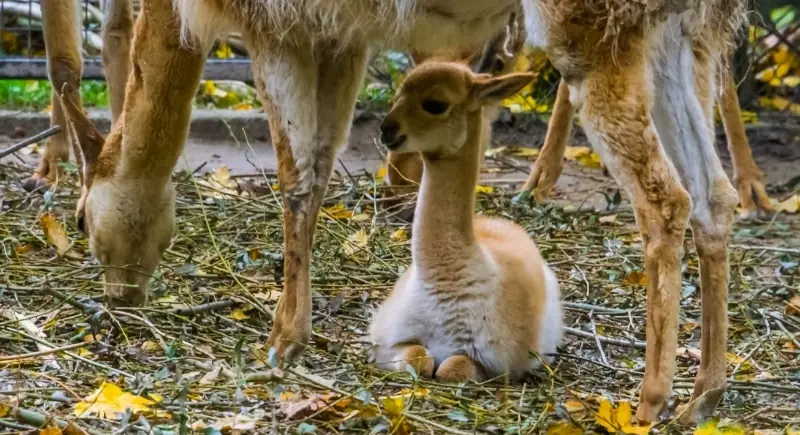
Vicuna crias are delivered high in the Andes and begin walking within thirty minutes. Their wool is finer than cashmere and helps insulate them from cold winds. In small herds, they play with other youngsters and graze on grasses.
Coyote
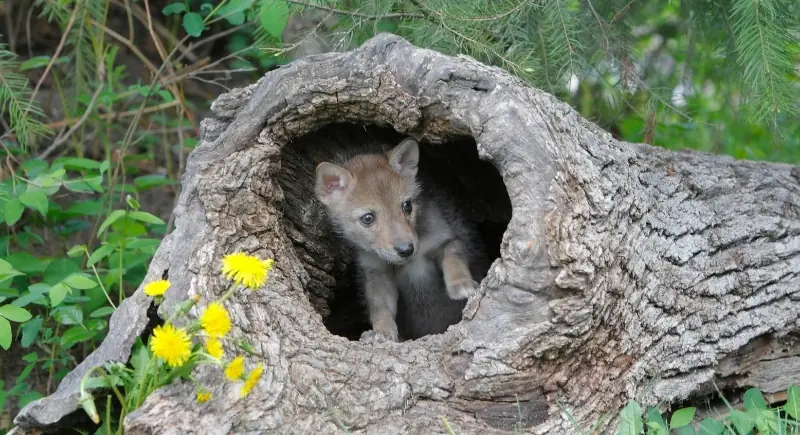
Coyote pups are blind upon entering the Earth and stay in a den for the first few weeks. By month two, they start practicing howls and learning hunting tricks through games with siblings. Their big ears and bushy tails grow fast, but they keep their signature puppy yip well into the summer season.
Armadillo
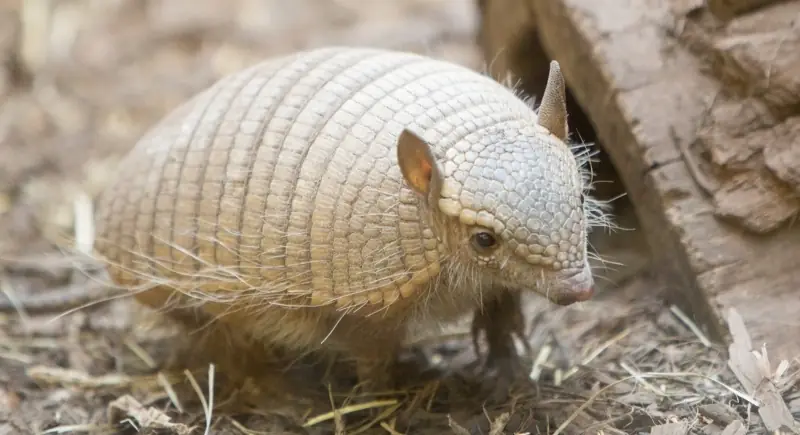
Nine-banded armadillo babies develop inside a leathery shell that hardens within weeks, and are born in identical quadruplets. They nurse for three months and start digging as soon as their claws are strong enough to do so. Their awkward waddle and snout-led exploring make them look like wind-up toys on a mission.
Giraffe
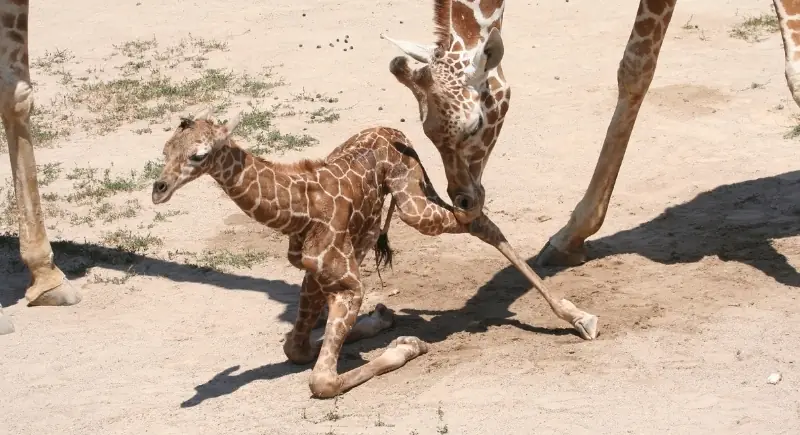
Giraffe calves drop nearly six feet at birth and stand up within an hour. That fall actually jumpstarts breathing. Their legs are already taller than most adult humans. By a month old, they’re sprinting to keep up with the herd and their blinking long lashes that seem designed just to win hearts.
Ocelot
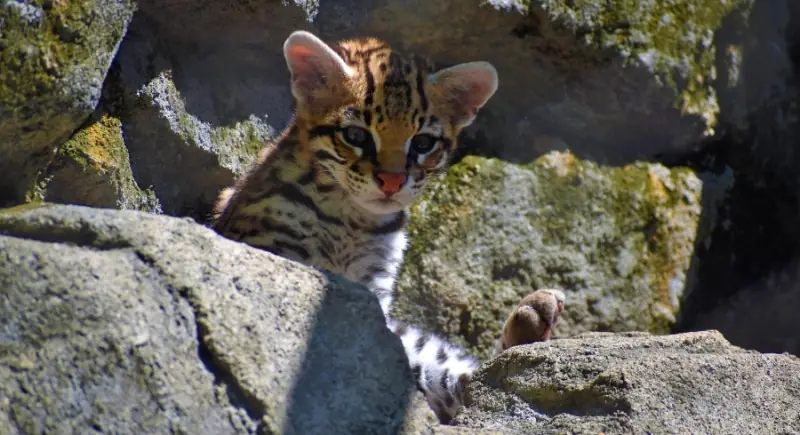
Ocelot kittens are born with closed eyes upon birth and a spotted coat that helps them blend into dense underbrush. They begin pouncing practice early, even inside the den. That soft mewing, paired with wild cat curiosity, makes them look more like housecats than jungle predators.
Tamarin
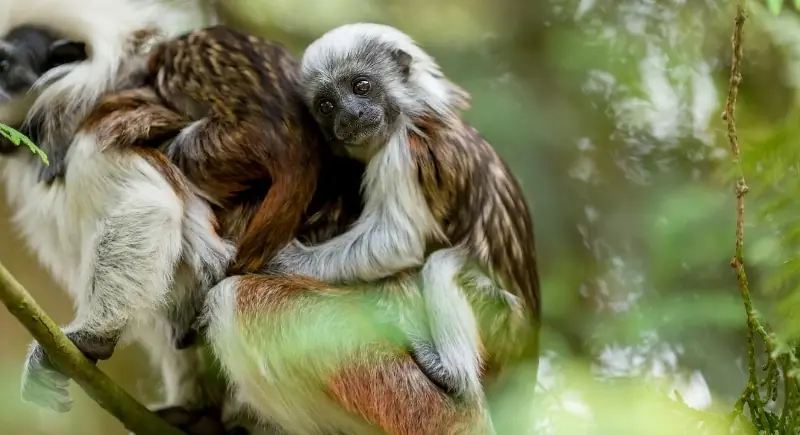
Tamarin infants, weighing less than a stick of butter, cling to dad’s back while mom takes a break. These tiny monkeys live in South American rainforests and travel in family troops. Their wide eyes and tiny gripping hands are made for tightrope travel among branches—and nonstop attention from relatives.
Bighorn Sheep
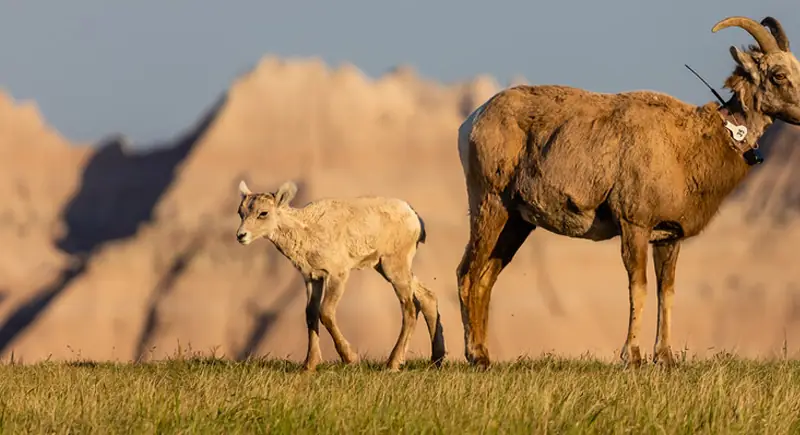
Baby lambs can be found on steep cliffs and navigate rocky ledges within hours. Their rubbery hooves grip almost impossibly well and allow them to keep up with their mothers in high altitudes. These sure-footed babies often leap before they look.
Wolverine
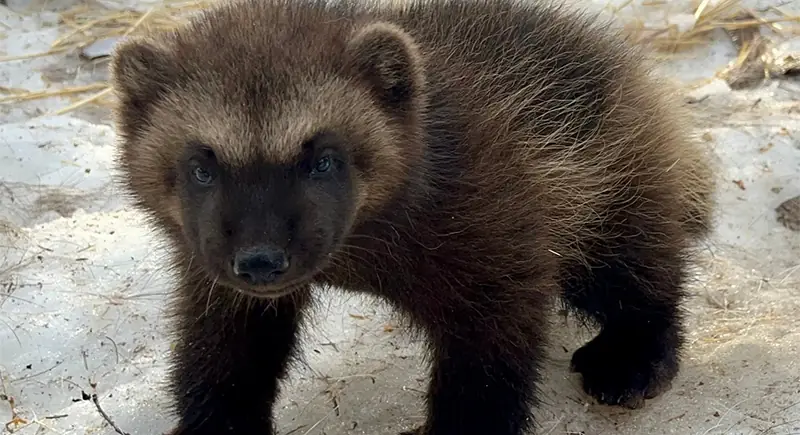
Wolverine kits are born in snow dens and nursed for ten weeks before emerging to wrestle and climb. Even at a young age, they exhibit impressive strength, as evidenced by their ability to chew bones and chase rodents.
Ibex
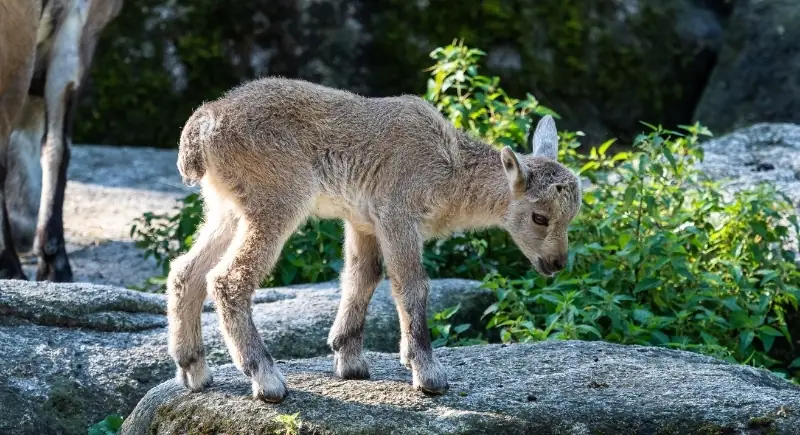
Within minutes of birth, ibex kids are climbing sheer rock faces in the Alps. Their hooves have rubber-like soles that provide grip on dangerous ledges. These mountain goats barely stumble, even as days-old newborns.
Bush Baby
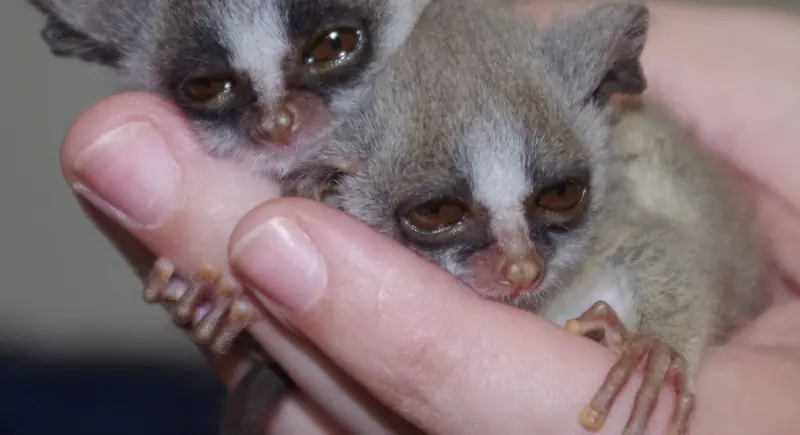
Also called galagos, bush babies are nocturnal primates born with strong grips and extra-large eyes adapted for moonlight. They emit high-pitched calls and can leap several times their body length by the time they’re weaned.
Mink
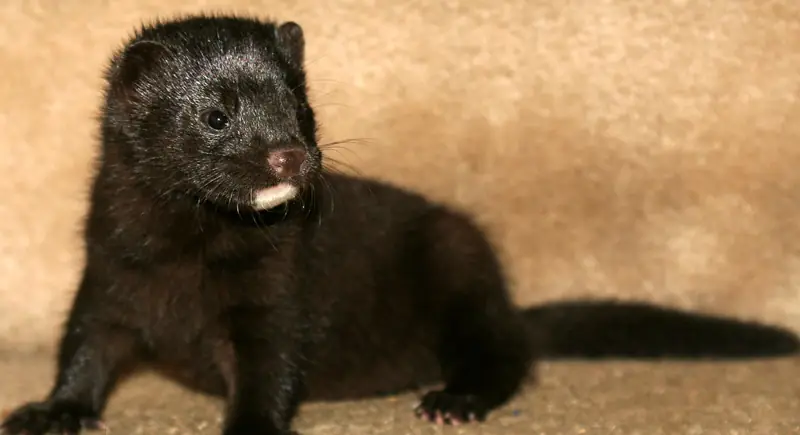
Mink kits are hairless and pink once delivered but grow sleek, waterproof fur by four weeks. They’re raised in dens near rivers or marshes, and quickly learn to swim and dive. Their curious noses and wriggly bodies make them riverbank specialists, but their tiny sneezes and chirps keep the cute factor high.
Springbok
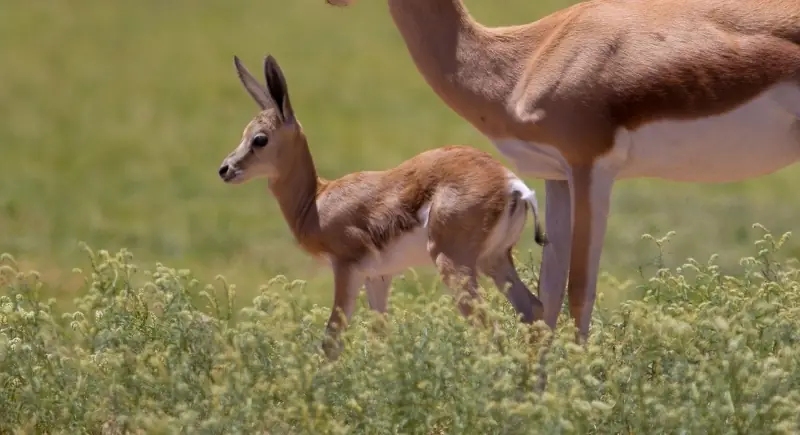
Calves are dropped in tall grass, hidden from predators by stillness and scent-masking. Within hours, they join the herd and start practicing “pronking”—that signature vertical leap springboks use for display or escape. Those white faces and bounding hops give even dry savannas an energy that feels playful and light.
Okapi
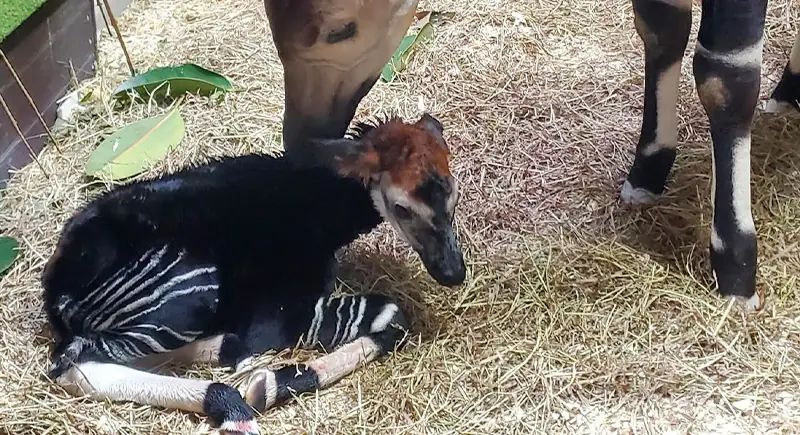
Baby okapis are born in dense Congo rainforests and spend their first months hiding in vegetation. Their zebra-like leg stripes help camouflage them from predators. Though related to giraffes, they’re shorter and more reclusive. Calves can stand within 30 minutes and stay motionless for hours.
Platypus
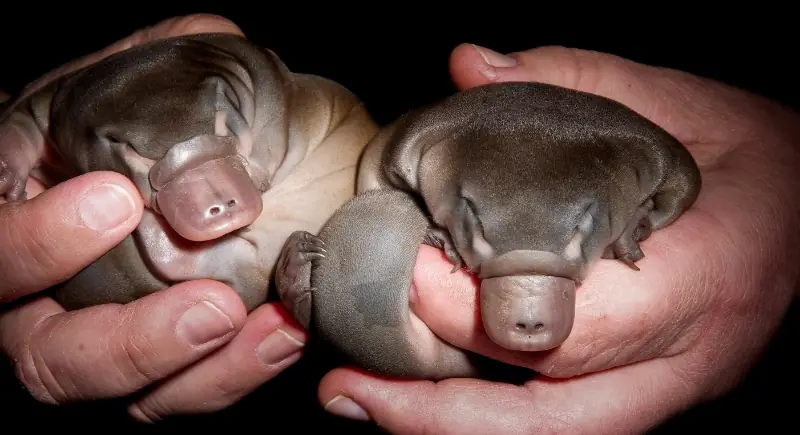
Baby platypuses—called puggles—spend months inside burrows along rivers in Australia. They’re blind and hairless, nursing without nipples as milk oozes from pores on the mother’s skin. These unique mammals grow webbed feet and bills later.
Saiga Antelope
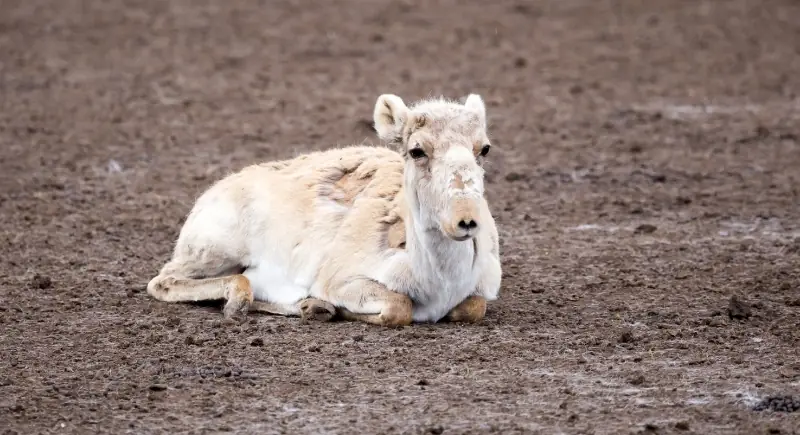
Saiga calves arrive in spring with sandy-colored fur and a strange, bloated nose. That snout filters out dust and cools the air. By day five, these babies sprint across the steppe beside their mom. Their fragile appearance masks a high endurance built for surviving the open grasslands of Kazakhstan.
Clouded Leopard
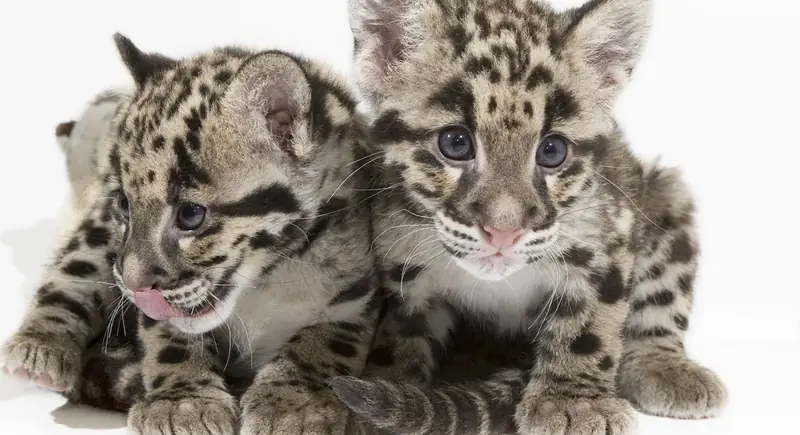
Clouded leopard cubs are so cute with their full coats and begin climbing by five weeks. They use long tails for balance and have the largest canine teeth relative to head size of any wild cat. Despite their stealth, the wide eyes and sleepy yawns make them impossibly cute.
Aardvark
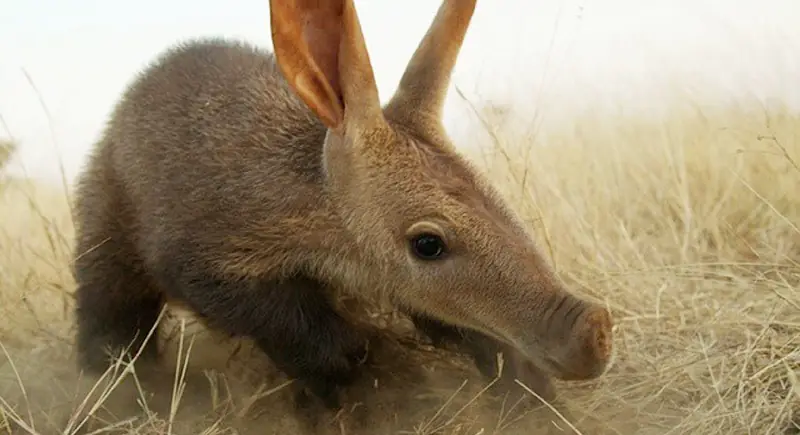
As for newborn aardvarks, they look like something from a cartoon: wrinkled skin, bat-like ears, and strong front claws. They’re born in burrows and remain there for weeks, nursing before venturing out at night. They soon begin sniffing for termites, led by an almost pig-shaped snout that never stops moving.
Addax
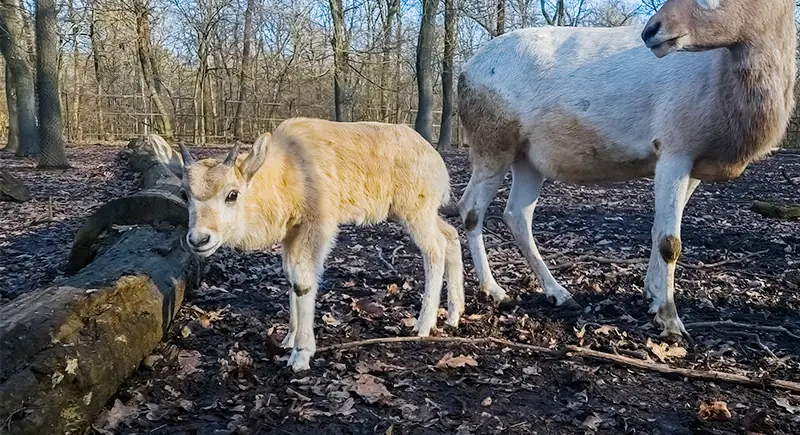
Addax calves come into desert conditions with pale coats that reflect sunlight. Native to the Sahara, they start walking within an hour and graze early. Their soft, sand-colored fur and long eyelashes protect against the sun and dust.
Dhole
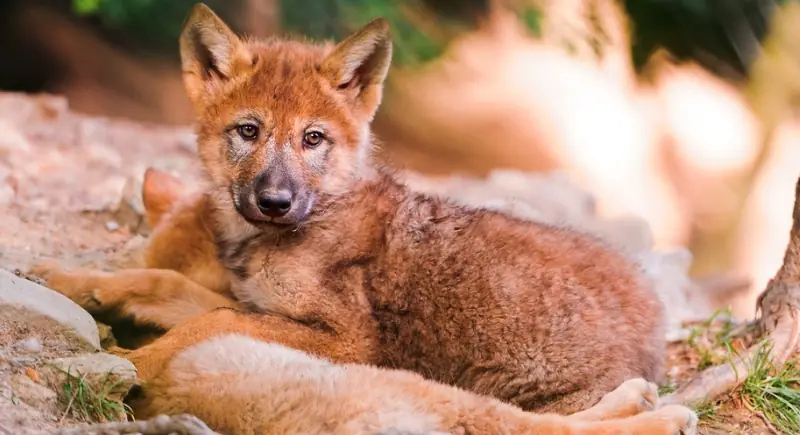
Raised by the entire pack, dhole pups, also called Asiatic wild dog pups, are born in dens. They chirp and squeal constantly as they learn to hunt by shadowing adults. Their thick reddish fur and playful tug-of-war games make them resemble foxes, but they belong to a genus of their own.
Musk Ox
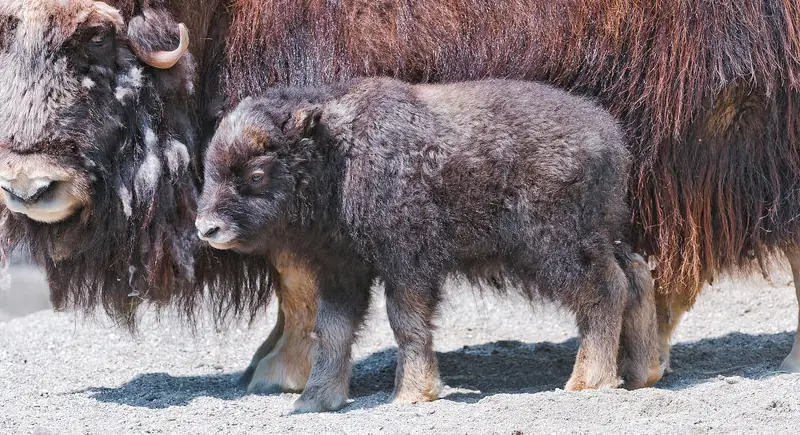
Musk ox calves have shaggy coats that help insulate them from Arctic cold right away. These sturdy babies weigh about 20 pounds at birth and can run within hours. During blizzards, adults form a circle around them for protection. That cozy huddle creates one of the most loyal-looking sights in nature.
Caracal
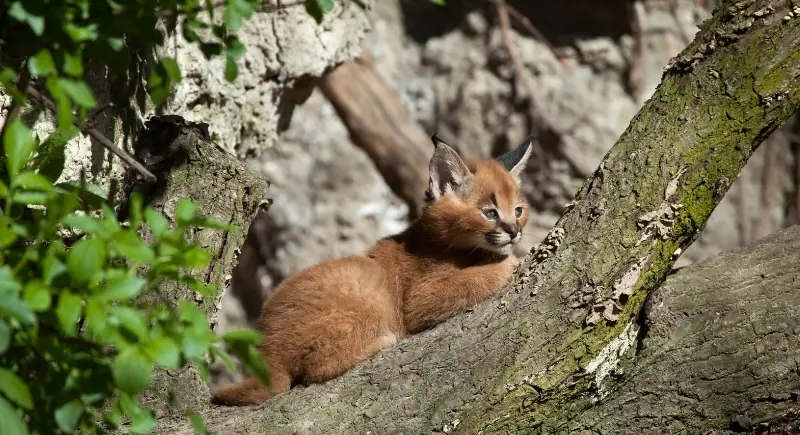
Born with closed eyes, caracal kittens grow into expert jumpers capable of leaping ten feet to catch birds. Those iconic black ear tufts flick like antennae and appear early. As they grow, they stalk and pounce. Their small size hides powerful agility developing under the fluff.
Markhor
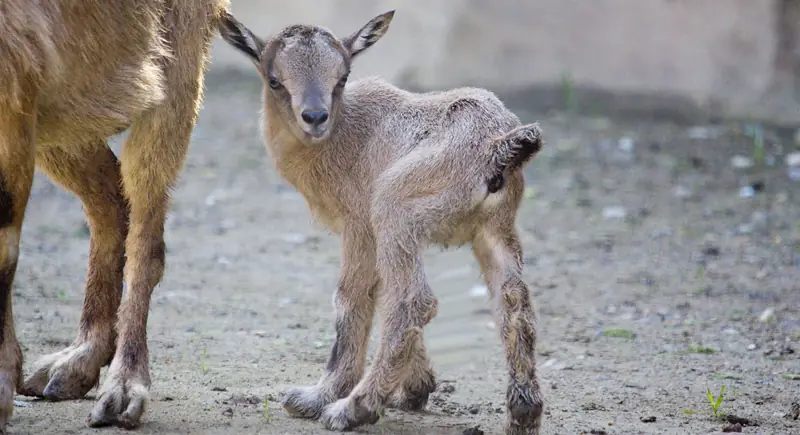
Markhor kids are born on rocky cliffs in Central Asia. They scramble across ledges by day two, using rubbery hooves and strong legs. Twisting horns start developing within weeks. Though born into rugged terrain, they nurse calmly under mom’s thick coat.
Dik-Dik
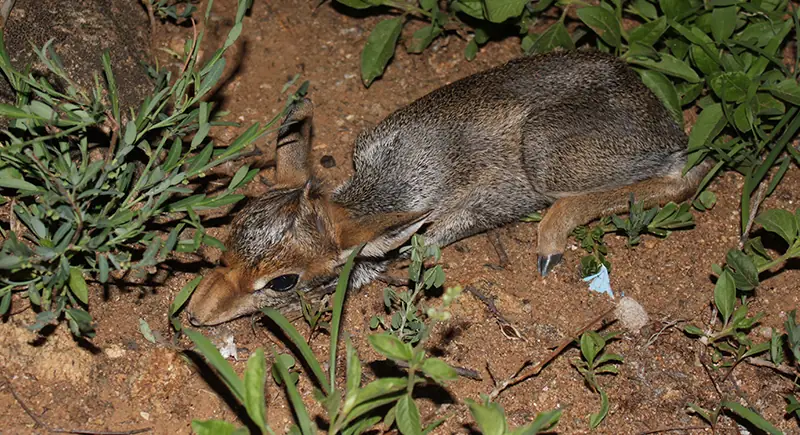
A baby dik-dik looks like it could fit inside a picnic basket. It spends its first weeks tucked away in tall grass while its mother slips back for short feeding visits. Those wide eyes do the rest. One look, and it is hard to think about anything else.
Pudu
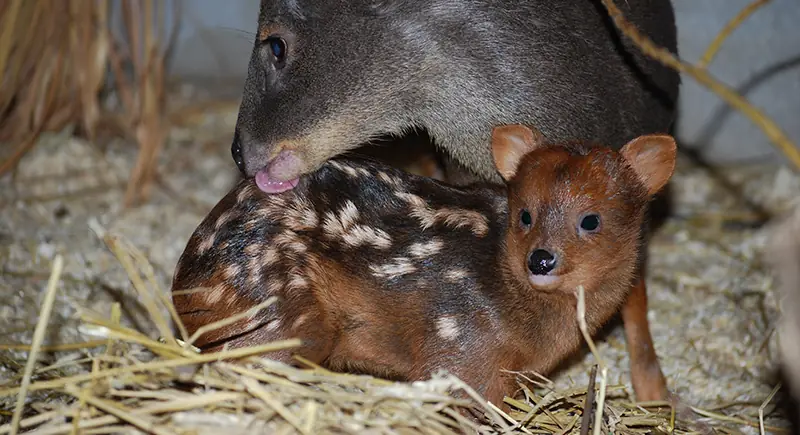
A baby pudu arrives with white spots and legs that seem borrowed from a toy. The smallest deer on Earth starts life hidden beneath forest cover, staying close to its mother before stepping out to explore. It barely reaches loaf-of-bread size at birth, which makes the first glimpse feel unreal.