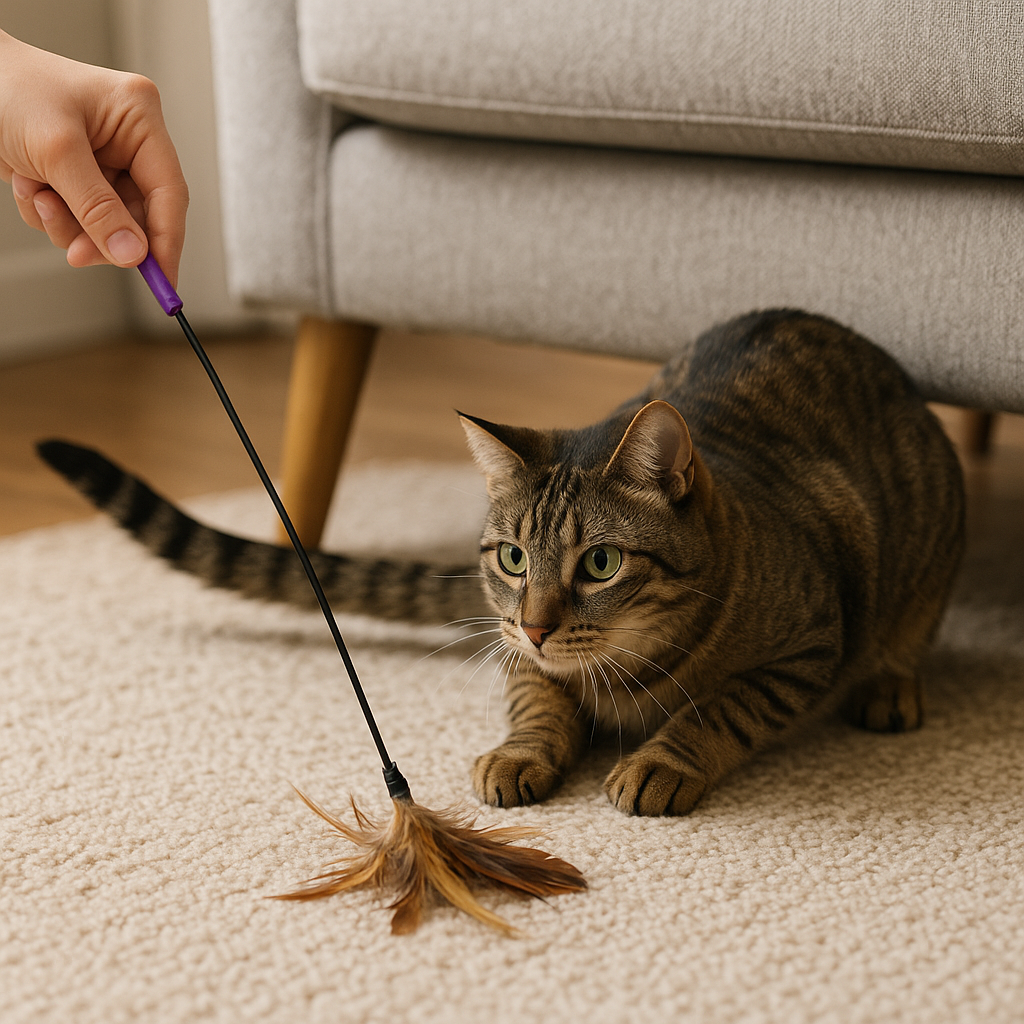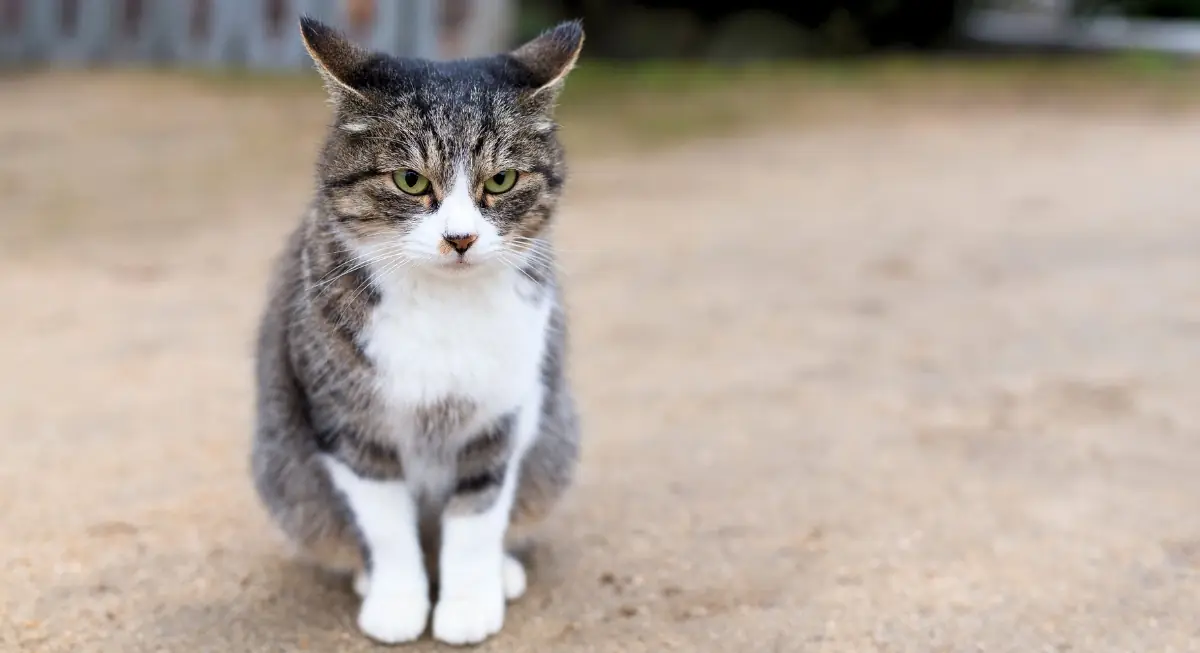
Cats didn’t become house pets because humans needed them. They didn’t herd animals, pull carts, or guard property. They weren’t even invited. Yet today, millions of people feed and care for them without asking much in return. Their rise was slow, subtle, and mostly self-directed.
New research suggests that cats domesticated themselves on their own terms, choosing when and how to coexist with humans. Here’s how cats went from wild hunters to household companions without ever really changing.
They Crept Into Our Lives, Not Our Plans
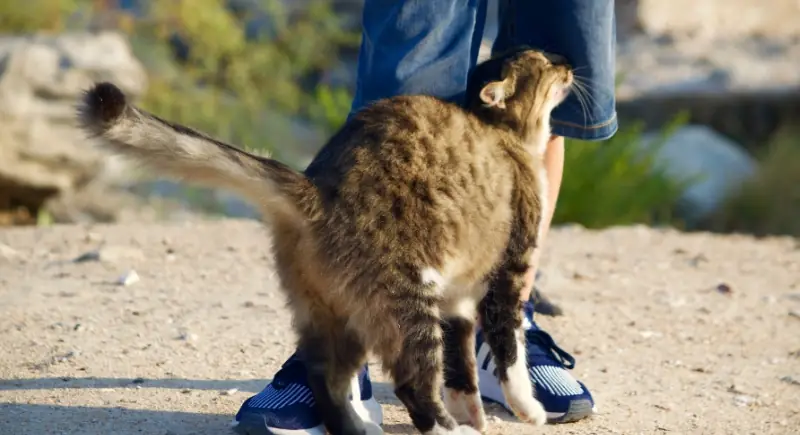
Humans didn’t domesticate cats on purpose. Wildcats began hovering near early settlements to hunt rodents, and people tolerated them. That tolerance gradually turned into coexistence. Unlike livestock or dogs, cats weren’t chosen. They chose to stay close and wait us out.
China’s First Feline Experiment Didn’t Take
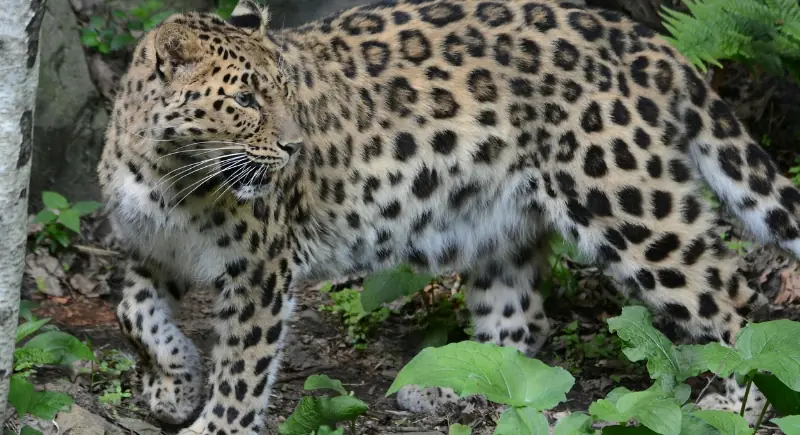
Asian leopard cats coexisted with humans in China for 3,500 years without adapting. Researchers refer to this as a “failed domestication.” These cats never developed domestic traits and eventually retreated to the wild. They left no real legacy in the house cats we know today.
Food Proximity Wasn’t Enough
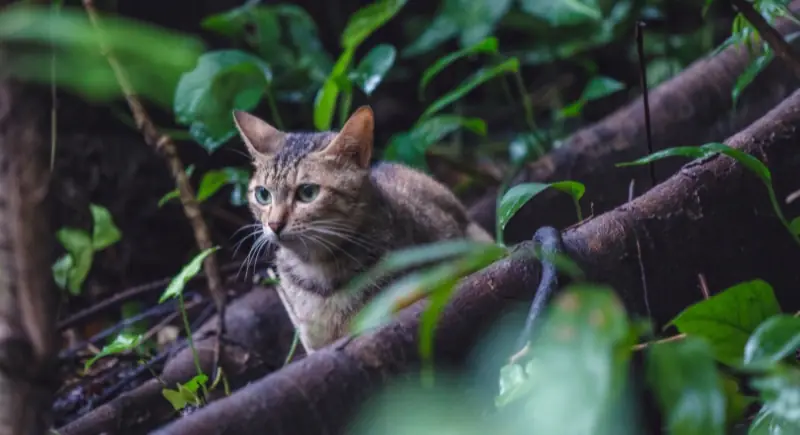
Food proximity alone didn’t lead to domestication. Wildcats lived near human stores, but that never turned into a settled bond. In China, climate shifts altered farming in ways that made human settlements less useful to them. Once the food supply became unreliable, the cats moved on, even after centuries nearby.
Turkey’s Ancient Cats Weren’t Tame

Cats found in Neolithic Turkish sites were once believed to be among the earliest domesticated animals. However, new nuclear DNA analysis revealed that they were still fully wild. Physical proximity to humans hadn’t yet changed their genes or behaviors at all.
True Domestication Came Late and Fast
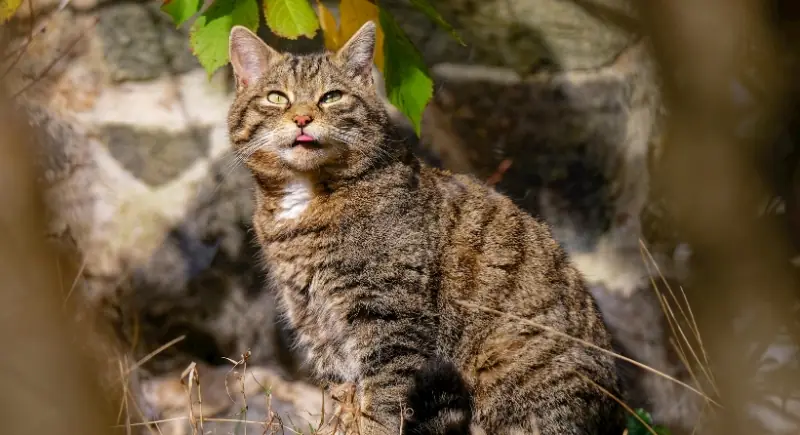
Even after millennia of coexistence with humans, cats remained genetically independent. True domestication, the kind that alters a species, didn’t show up until around 2,000 years ago. That’s relatively recent compared to the long history of cats in human life. But once the shift started, their presence in homes expanded quickly.
Mixing With Wildcats Slowed the Process
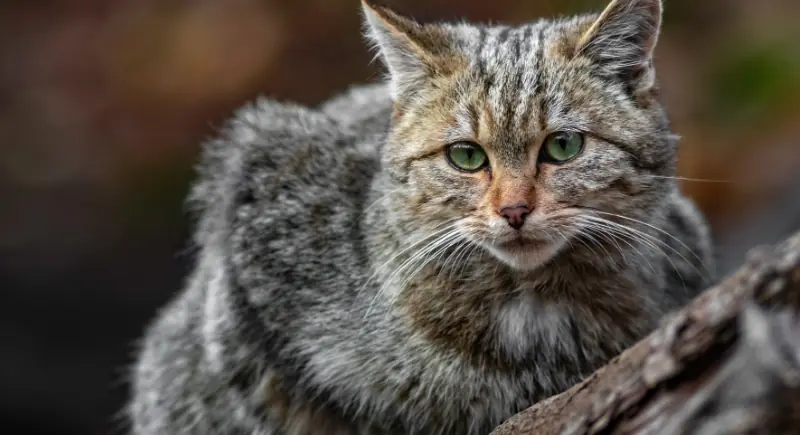
Domesticated traits had trouble sticking. That’s partly because early cats didn’t stop breeding with local wildcats. That constant genetic mixing watered down any emerging domestic behaviors. It took a long time before a consistent domestic type emerged, one that stayed genetically distinct even when wild cousins were nearby.
They Spread by Sneaking Onto Trade Routes
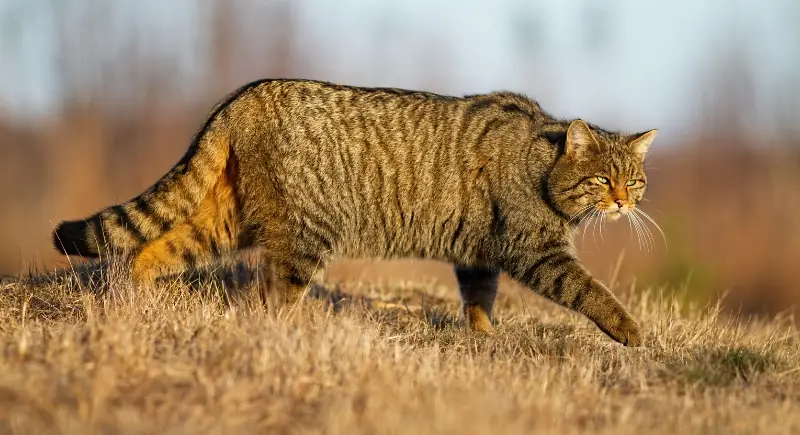
Cats spread by moving along trade routes on their own terms. They weren’t shipped in crates or managed through breeding programs. They slipped into cargo, trailed caravans, and followed the movement of people when it suited them. Their journey across continents happened by accident, driven more by their pest-control value on ships than by any planned effort to take them along.
They Left Almost No Archaeological Footprint
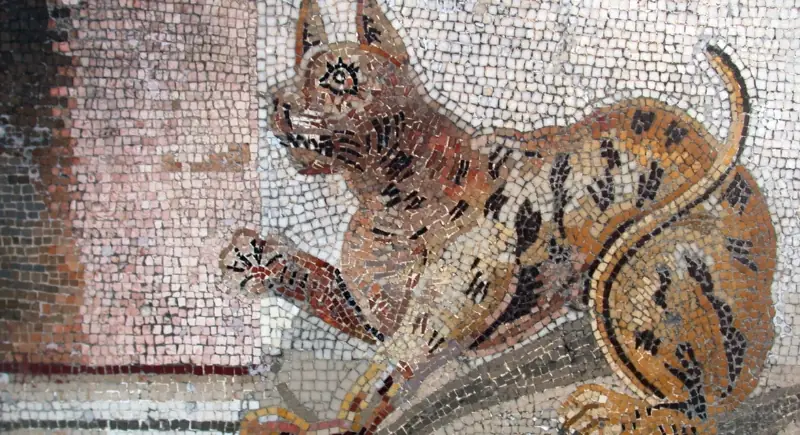
Cats are nearly invisible in the archaeological record. Their bones are small and easily overlooked. Since they weren’t eaten or ritually buried like other animals, remains are rare. That’s made their domestication timeline difficult to trace, especially compared to dogs or livestock, whose remains are far more common.
Genetic Research Flipped the Timeline
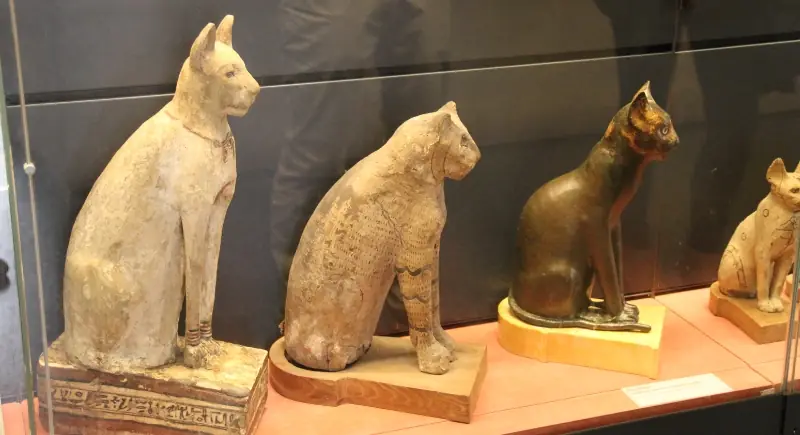
Earlier studies relied on mitochondrial DNA, which tracks maternal ancestry but overlooks a significant amount. Newer nuclear DNA testing has revealed that many ancient cats once thought to be early domesticates were, in fact, still wild. Those findings forced a significant revision of the timeline and a clearer understanding of how slow the process really was.
They Gained Food Without Giving Up Freedom
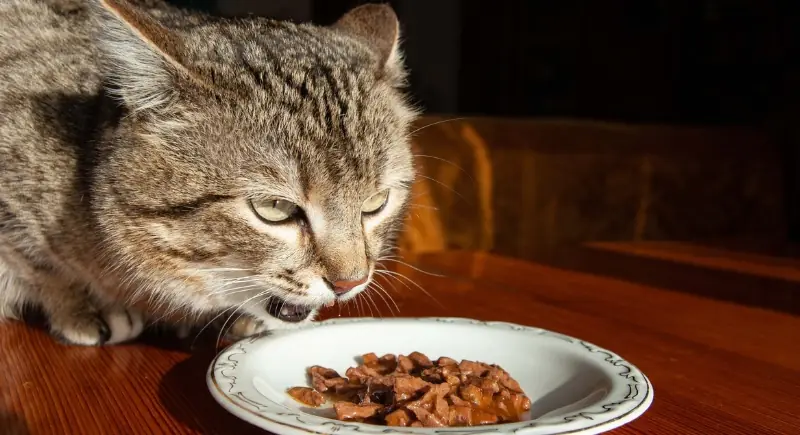
Unlike other domesticated animals, cats remained independent. They didn’t change much, behaviorally or genetically. Instead, they learned to linger near humans just enough to get fed without becoming dependent. That low-effort strategy worked, and still does.