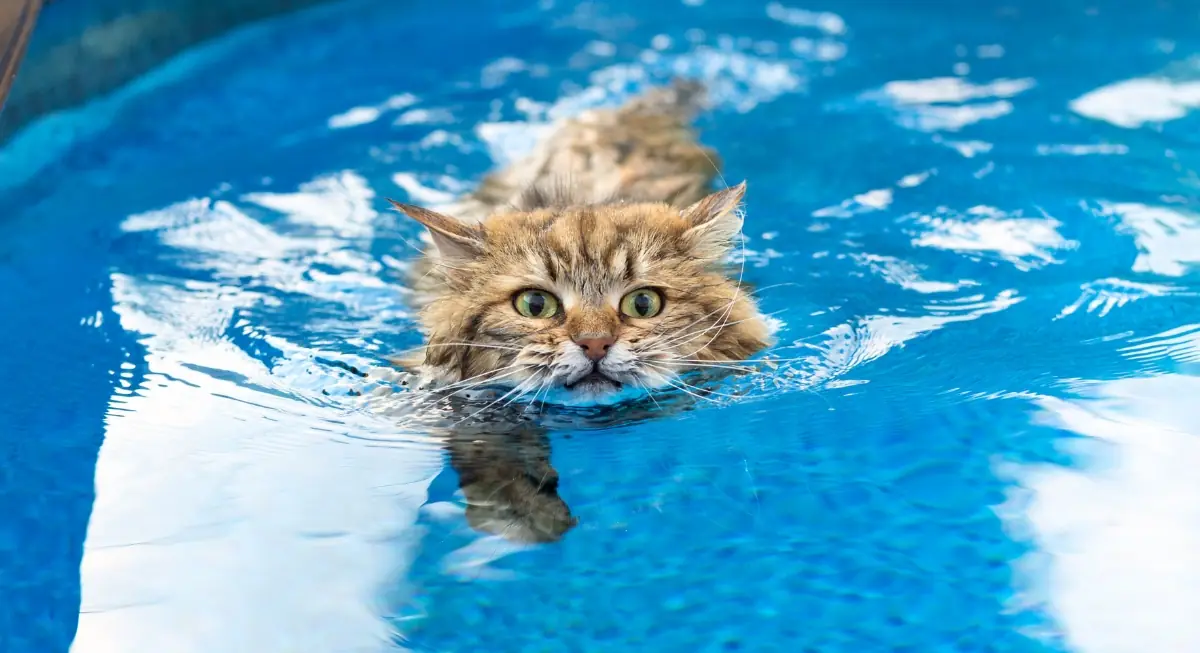
There’s a certain reputation of cats around water, mainly because most cats avoid water. A small number do not. Certain breeds regularly interact with sinks, bowls, tubs, and moving water without distress. This behavior shows up consistently in homes and has been documented for years. These breeds stand out because water does not interrupt their normal routines.
Turkish Van
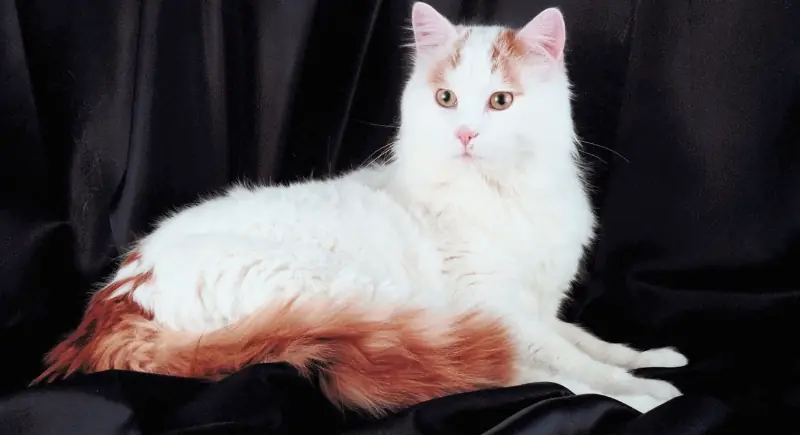
With this cat, water barely registers as something unusual. A Turkish Van might step into a tub or lake the same way another cat steps onto a windowsill. Water is simply another texture worth standing on for a while.
Bengal
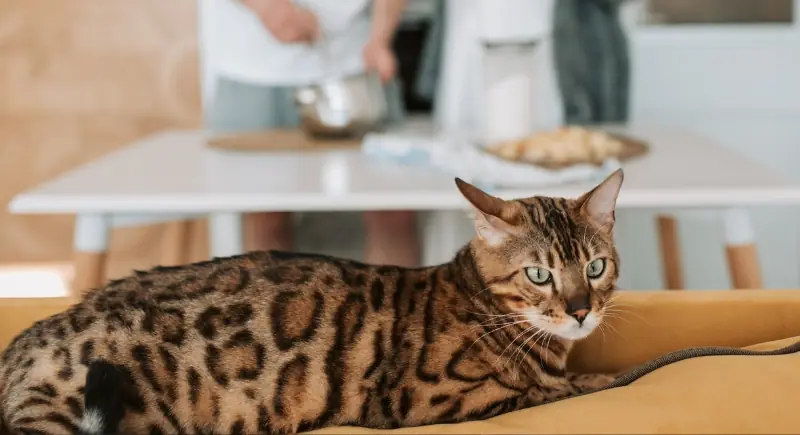
There aren’t a lot of things that hold a Bengal’s attention like something that responds instantly. Water drips back when tapped, ripples when touched, and refuses to stay still. That responsiveness turns sinks and showers into interactive objects. Engagement is driven by the same curiosity that sends Bengals climbing shelves or opening cabinets.
Maine Coon
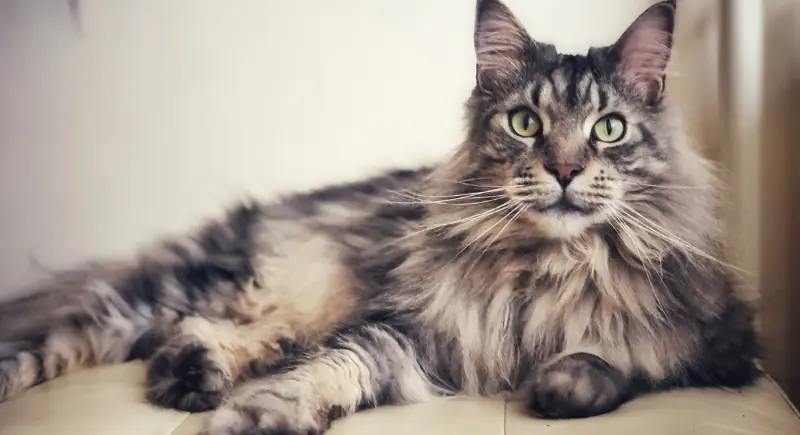
Everything about a Maine Coon’s approach is unhurried. When water enters the picture, the reaction follows suit. Watching comes first, then testing, then repeating the process later. The interest builds slowly and stays controlled.
Turkish Angora
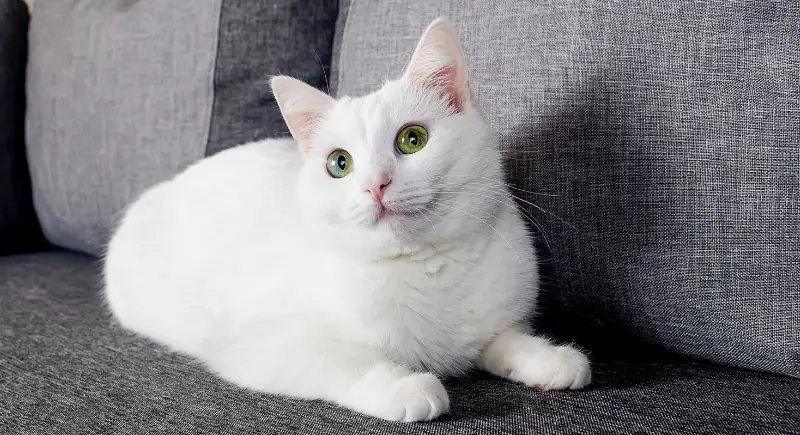
Activity draws Turkish Angoras in more than the water itself, because these cats like being where things are happening, and bathrooms tend to qualify. When people are nearby, water becomes part of the scene.
Norwegian Forest Cat
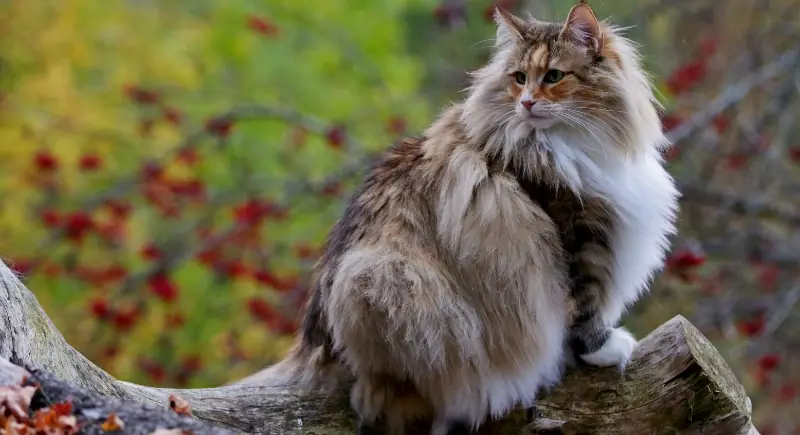
This breed handles water the way it handles most things: calmly. Damp surfaces, nearby movement, or a bowl being filled rarely trigger strong reactions. The presence of water blends into the environment.
Savannah
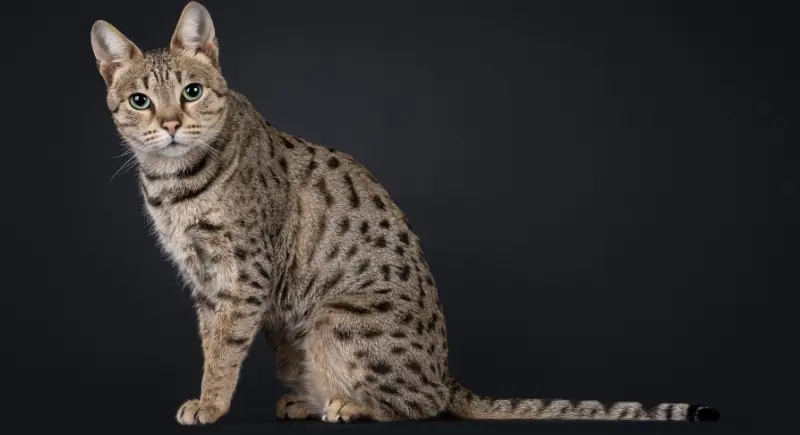
Outdoors, shallow water barely slows a Savannah down. Their longer legs and confident movement make puddles, creeks, and damp ground feel navigable. On leash walks, especially, these cats treat water as part of the path instead of something that interrupts momentum.
Abyssinian
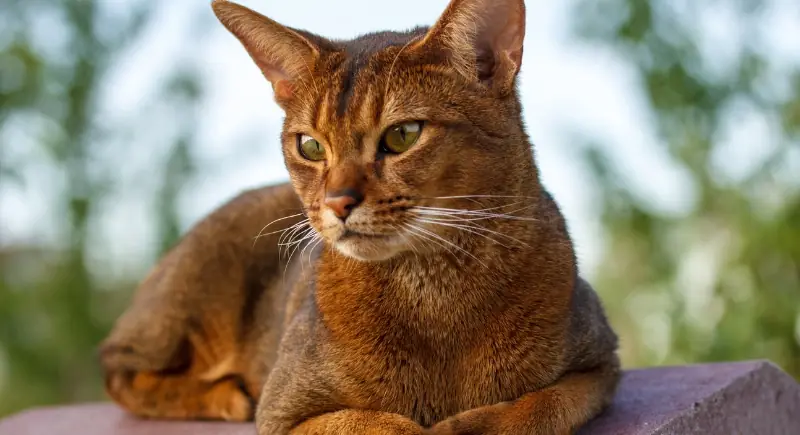
Abyssinians rarely miss anything that moves, which is why water so often ends up being engaged with. Ripples, reflections, and quick changes catch attention immediately for temporary entertainment.
Manx
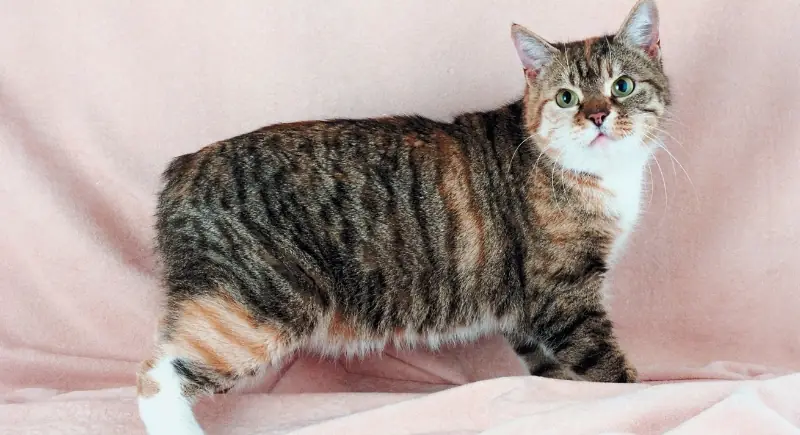
What draws a Manx toward water is the reaction itself. A light touch creates motion, and motion invites another test, and that simplicity suits the Manx mindset. The interaction is focused on watching results rather than escalating the moment into full play or retreat.
Japanese Bobtail
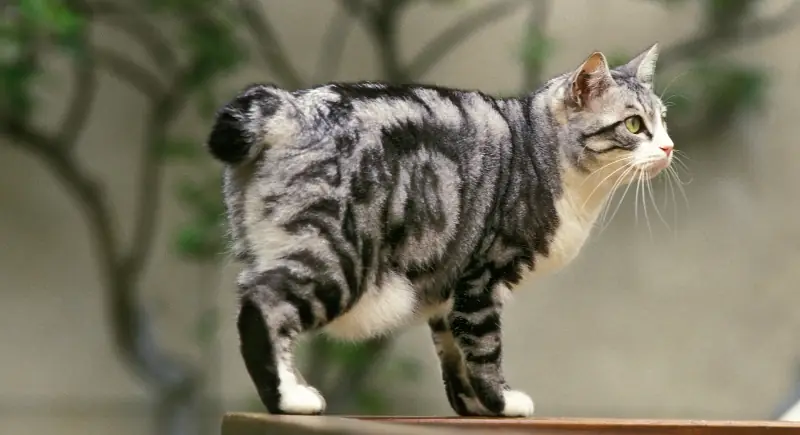
In busy households, Japanese Bobtails tend to insert themselves wherever activity is happening. Kitchens and bathrooms qualify, especially when hands, toys, or movement are already involved. Water becomes part of the action, especially when toys or hands are already involved.
Egyptian Mau
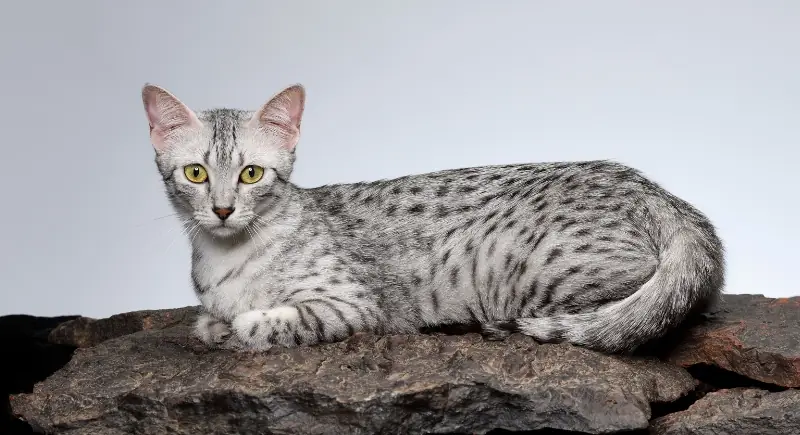
Egyptian Maus respond to their surroundings with fast reflexes. Drips, splashes, and sudden movement trigger immediate attention. Water provides plenty of opportunities to react in real time.