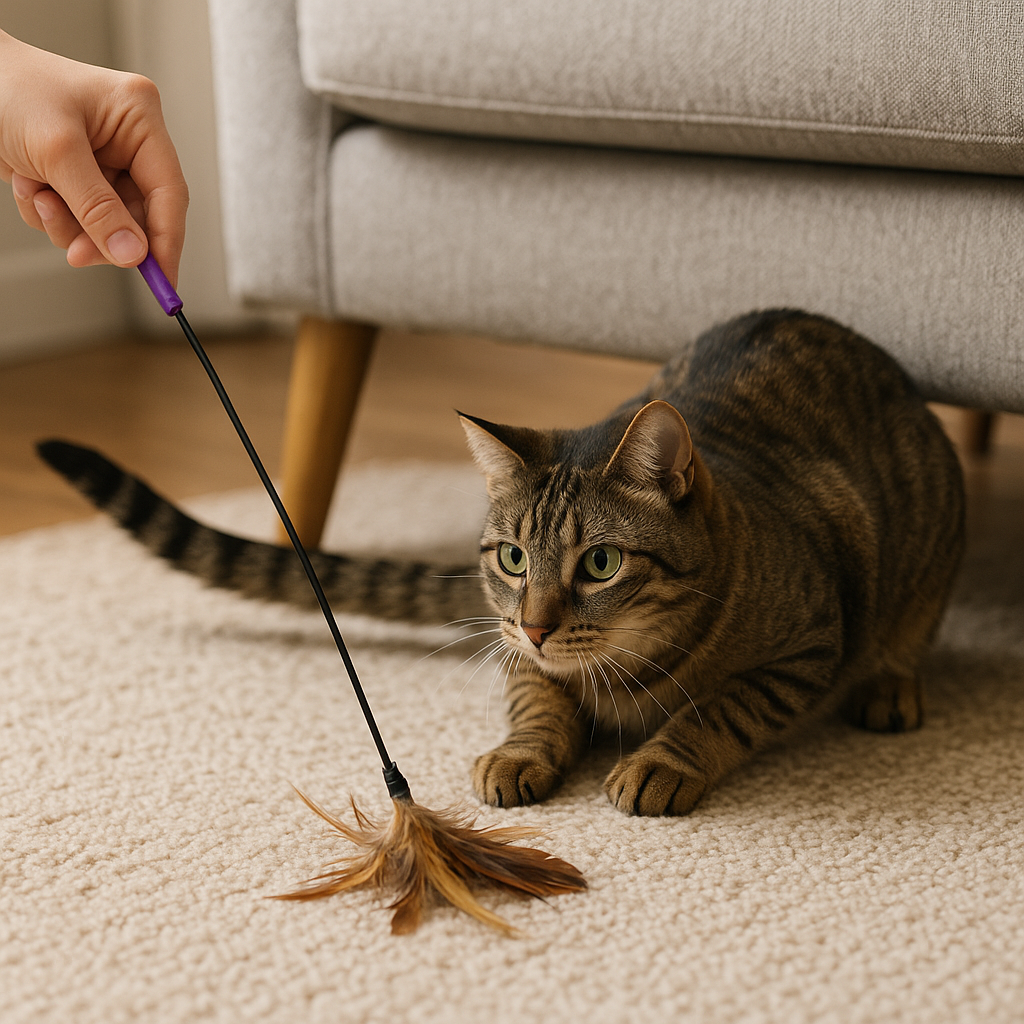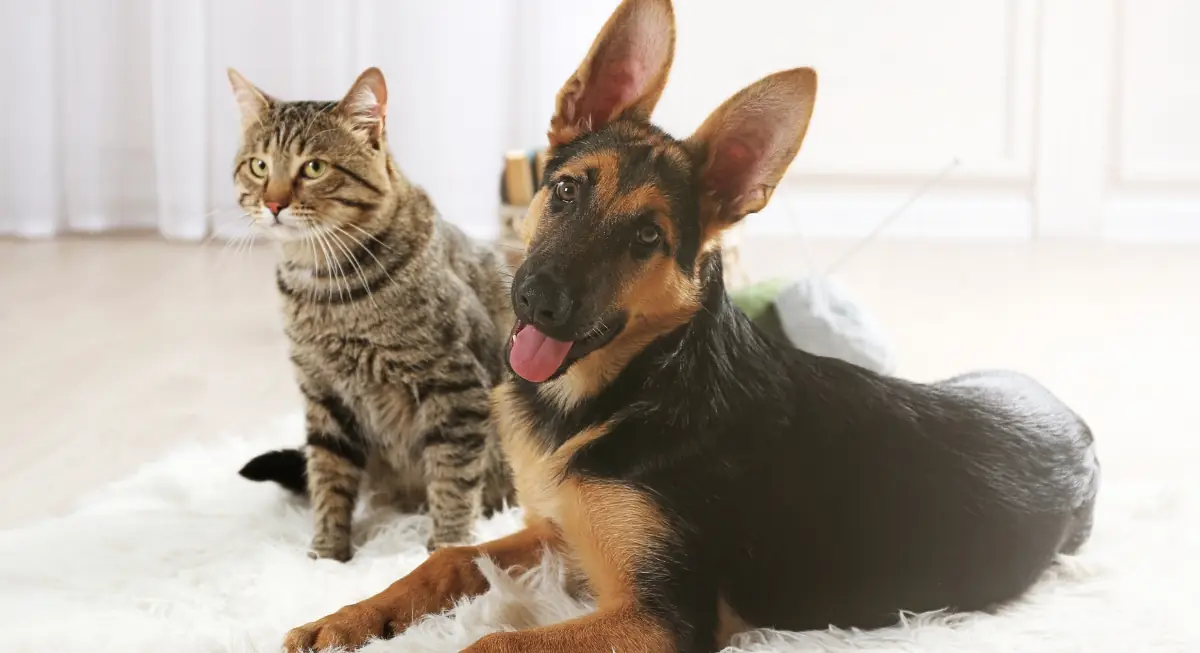
Living with both cats and dogs can go a few different ways. Some cats keep their distance, some learn to tolerate the noise, and some end up choosing one dog they stick close to. When that happens, it usually comes from small, repeated interactions that feel safe and predictable.
Breed plays a role in how that plays out. Not because certain cats are wired to pick a dog, but because each breed brings its own pace, tolerance level, and way of moving through a shared space. Those traits shape which interactions continue and which ones fade out, and in some homes, that’s enough for one specific pairing to stand out.
American Shorthair
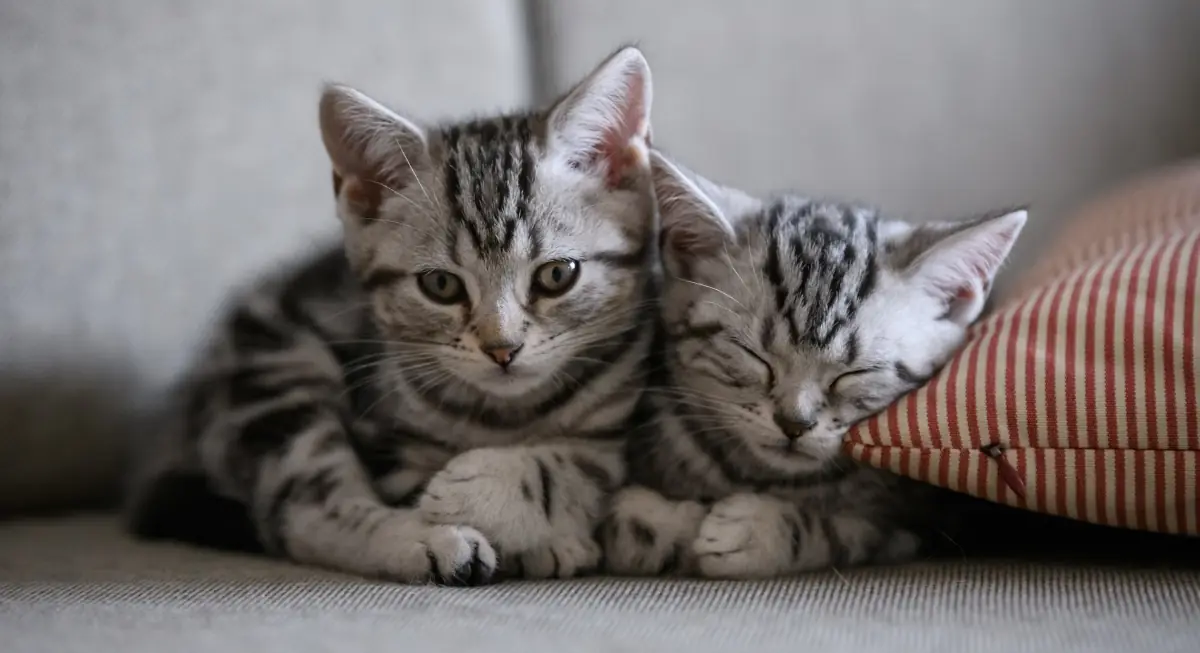
In homes where a dog is already part of the routine, the American Shorthair tends to adjust without much disruption. This breed was developed from working cats brought to North America and is known for its sturdy build, dense coat, and long lifespan. It doesn’t require constant attention and usually adapts to the household’s existing patterns.
Maine Coon
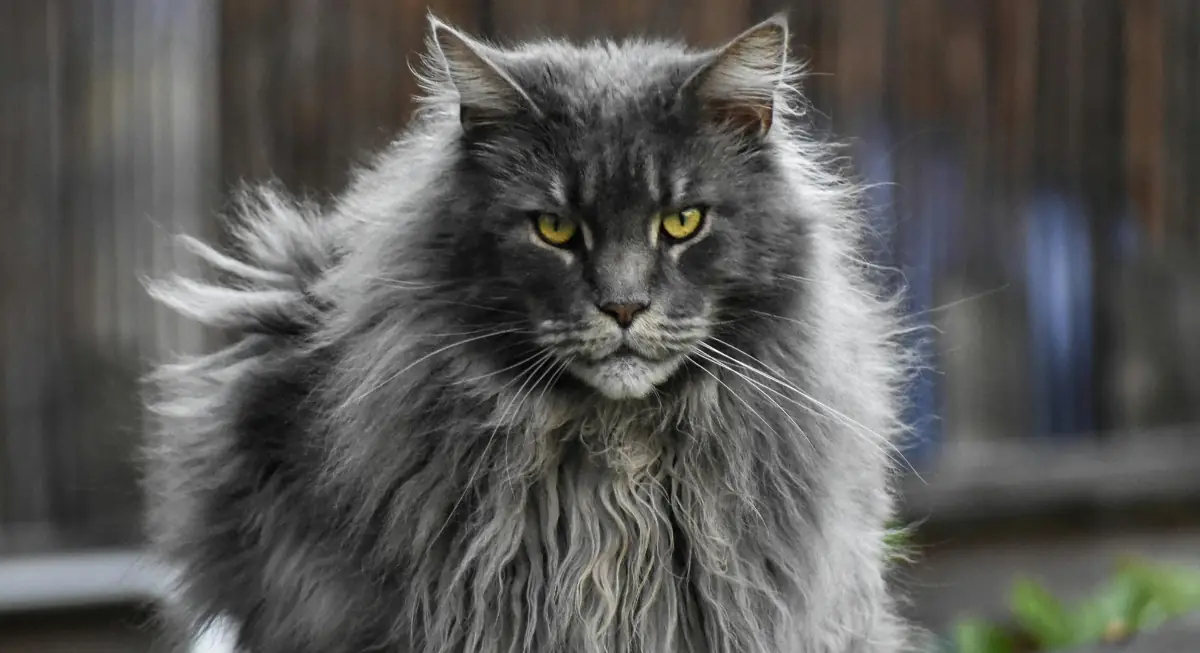
The Maine Coon is one of the largest domestic cat breeds, with a strong, muscular frame. Its size often changes how it interacts with other animals, including dogs, since it is less easily intimidated than smaller breeds. Beyond that, it is known for its gentle temperament and quiet vocalizations, often described as chirps rather than typical meows.
Abyssinian
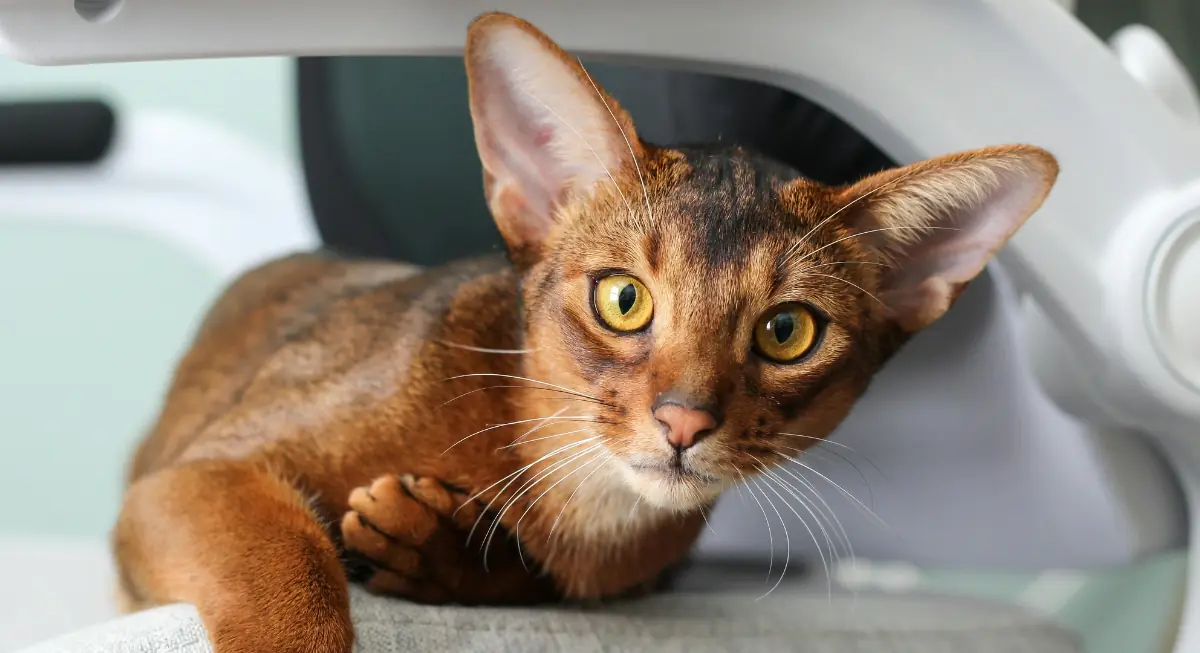
The Abyssinian is recognized for its short, ticked coat and constant activity. It rarely stays still and will likely explore every part of its environment, often choosing elevated spaces. In a household with an active dog, that same energy can lead to more frequent interaction, simply because both animals remain engaged with movement throughout the day.
Birman
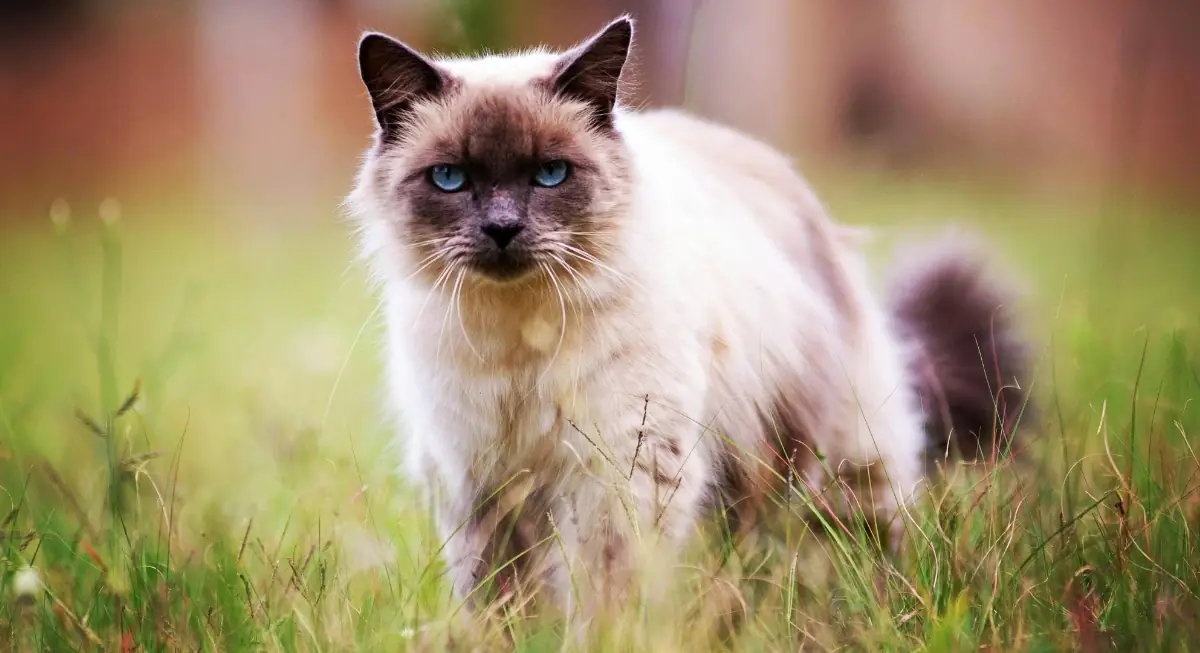
Within the home, the Birman forms strong attachments, and that attachment style carries over into its relationship with other animals, including dogs. This long-haired breed with blue eyes and distinctive white markings on its paws is generally gentle. A calm, steady environment supports more relaxed interaction over time.
Japanese Bobtail
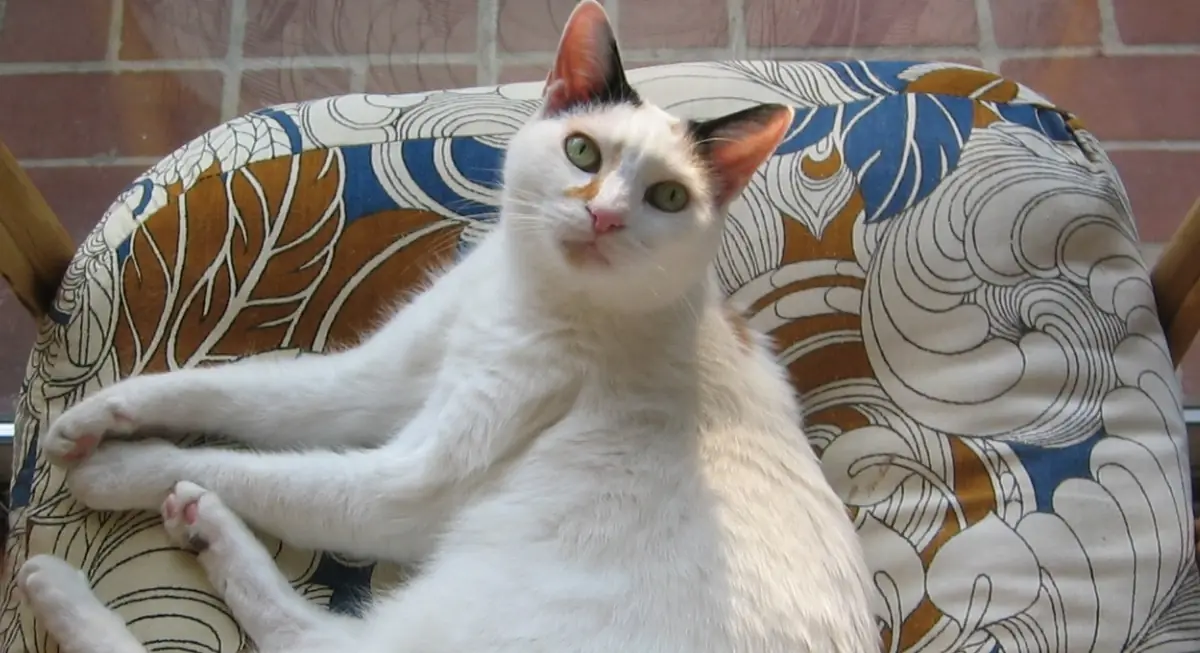
Being highly intelligent, this breed often responds well to routines and structured activities. Feeding schedules, training sessions, and repeated daily patterns are useful for holding its attention. And when a dog is part of those same routines, both animals often end up sharing those moments.
Devon Rex
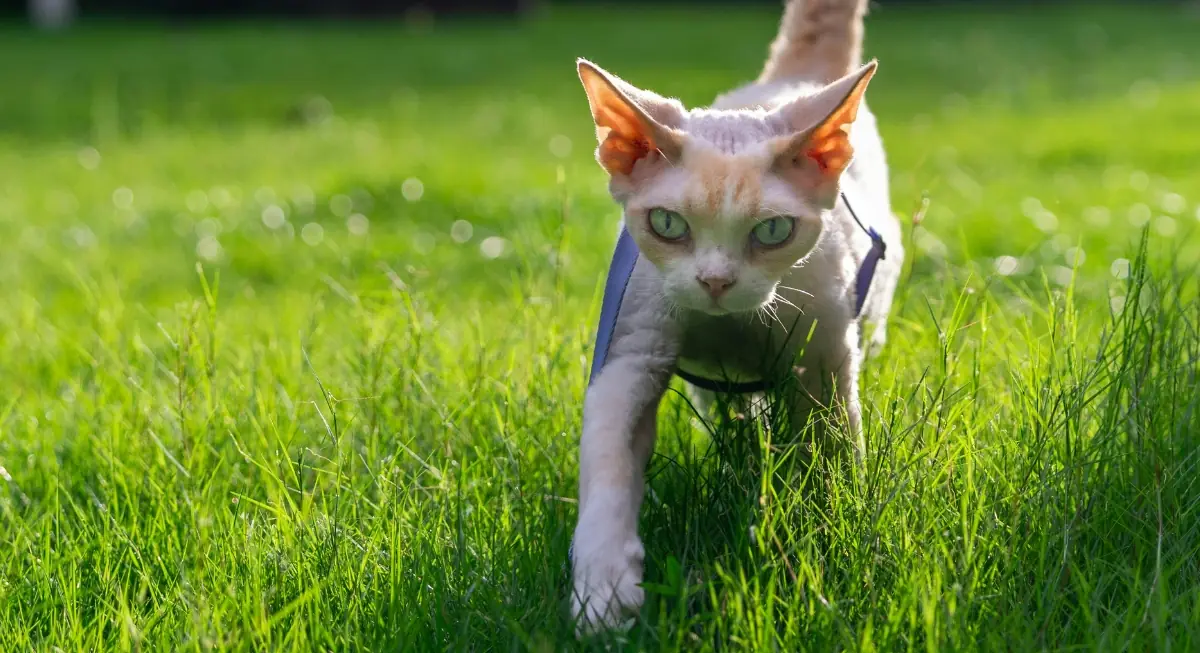
The Devon Rex has a distinctive look, with large ears and a soft, wavy coat. It is highly social and gets involved in whatever is happening around it. Its engagement level often includes interaction with other pets, and in homes with dogs, it may remain nearby simply because it prefers to stay connected to ongoing activity.
Bengal
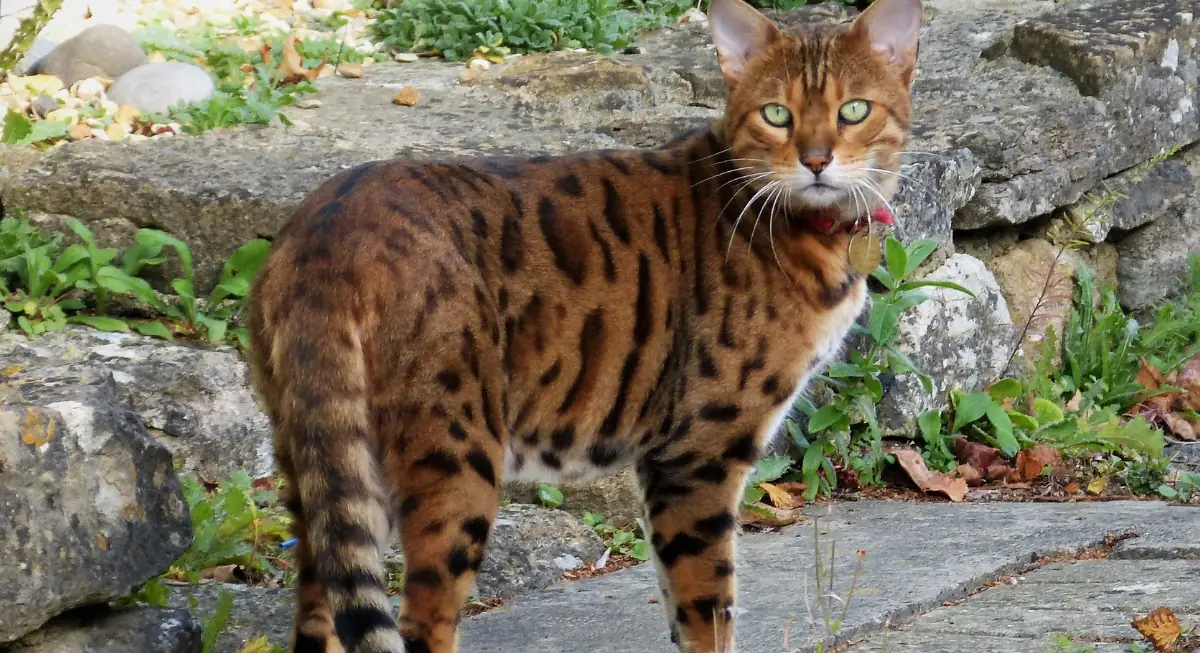
Bengals are known for their muscular build and striking coat patterns that resemble those of wild cats. They require regular stimulation and are often more active than typical domestic breeds. When that energy is shared with a dog that engages in play, it can lead to repeated interaction as part of their daily activity.
Bombay
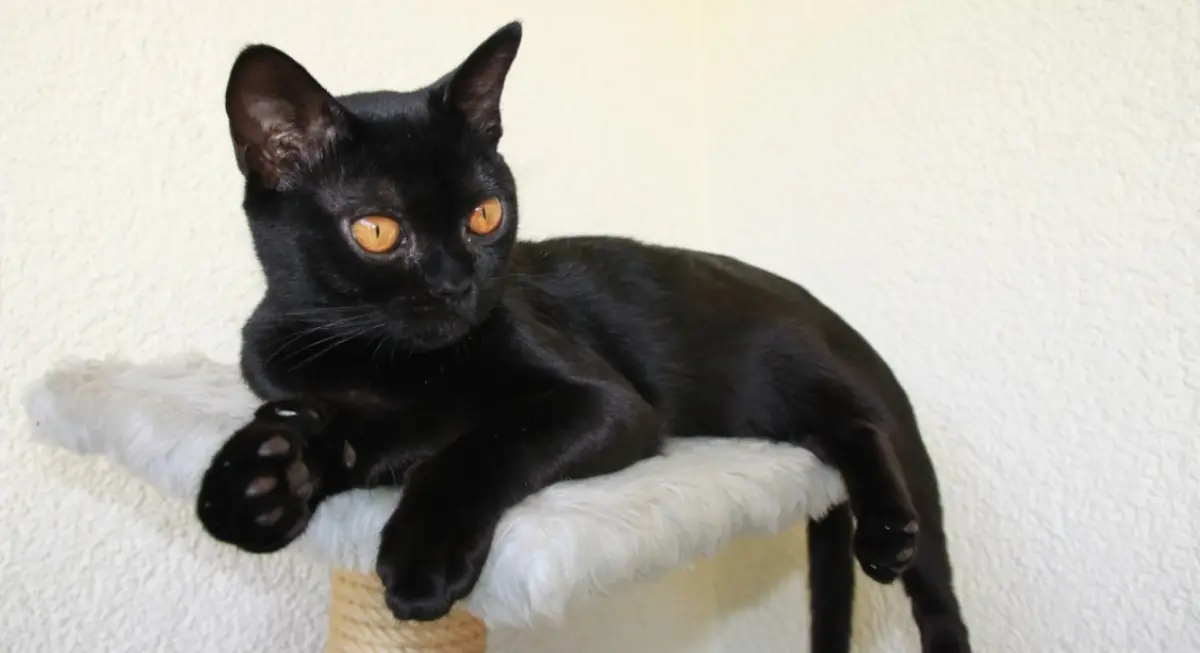
The Bombay was developed to resemble a miniature panther and is known for being highly social. Rather than staying isolated, it tends to seek out companionship, which can include spending time around other animals in the home, including dogs.
Norwegian Forest Cat
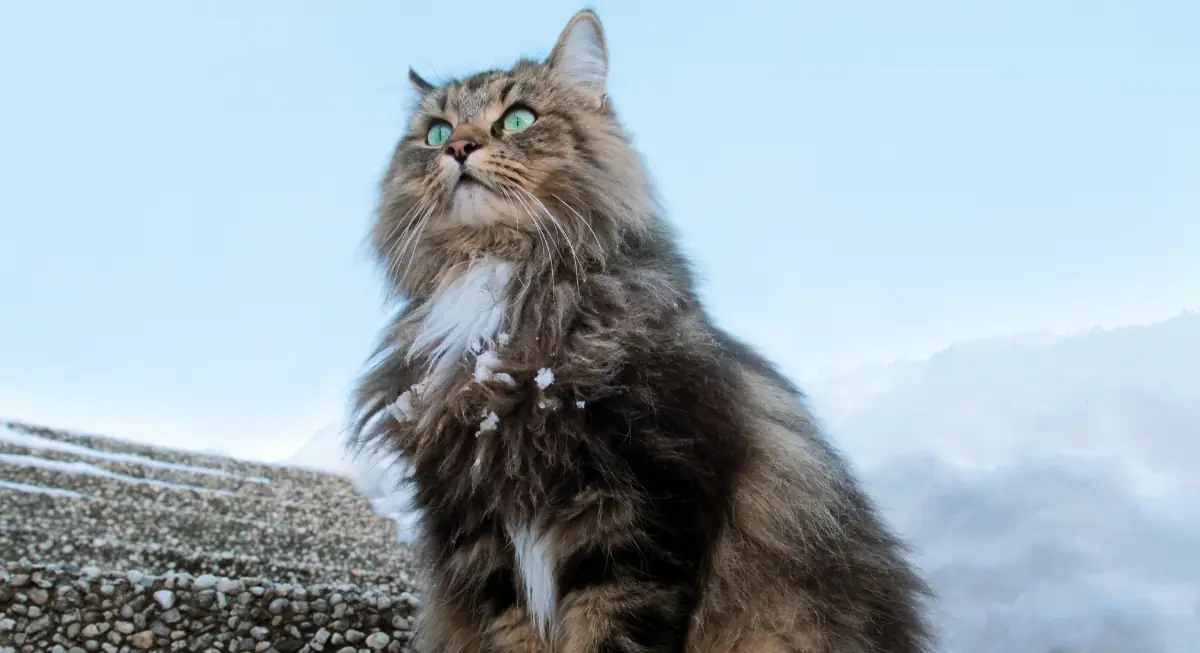
For the Norwegian Forest Cat, early stages of living with dogs often involve gradual exposure. This breed is very independent and may take longer to adjust to new surroundings. They are, however, built for cold climates, with a thick double coat and strong climbing ability.
Ragdoll
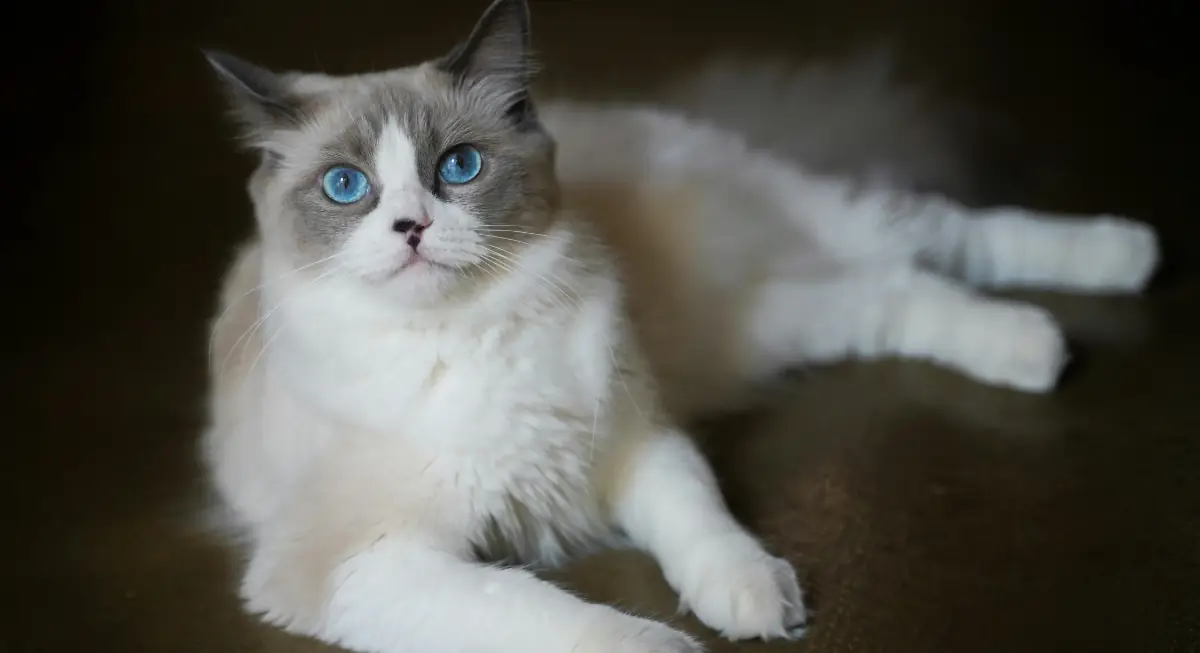
Ragdolls tend to stay easygoing and unbothered, even in a home with dogs. Instead of reacting to every movement or burst of energy, they usually take their time and adjust at their own pace. That steadiness makes it easier for them to share space, especially with dogs that aren’t constantly pushing for attention or play.