If you’ve held off getting a cat because you don’t like stray hairs on your clothes, carpet, or couch, there are cats that don’t shed or don’t shed nearly as much as you’d think.
Of course, this will require some legwork on your part in terms of grooming. It’s important to remember that no cat is truly hypoallergenic. If you do have allergies, consult a physician before getting one.
15. Kurilian Bobtail
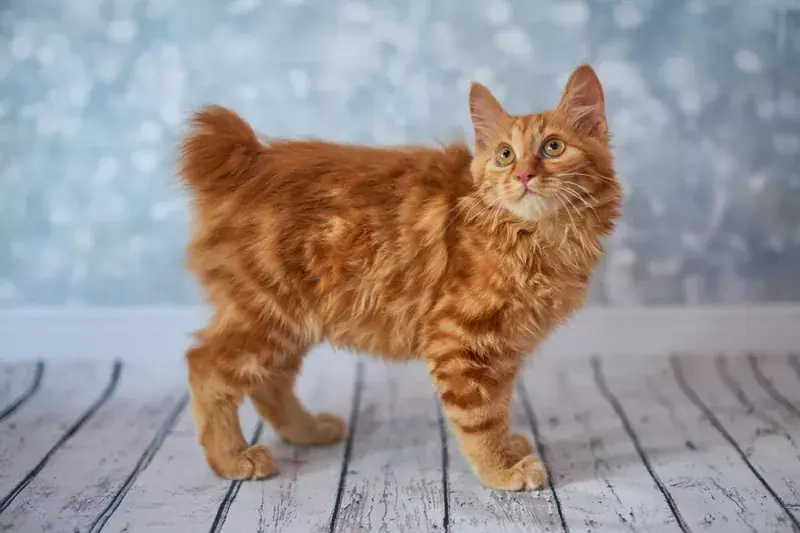
Weight: 8 to 15 pounds Lifespan: 15 to 20 years Grooming: Weekly brushing Personality: Sociable and playful
Bottom Line: Kurilian Bobtail
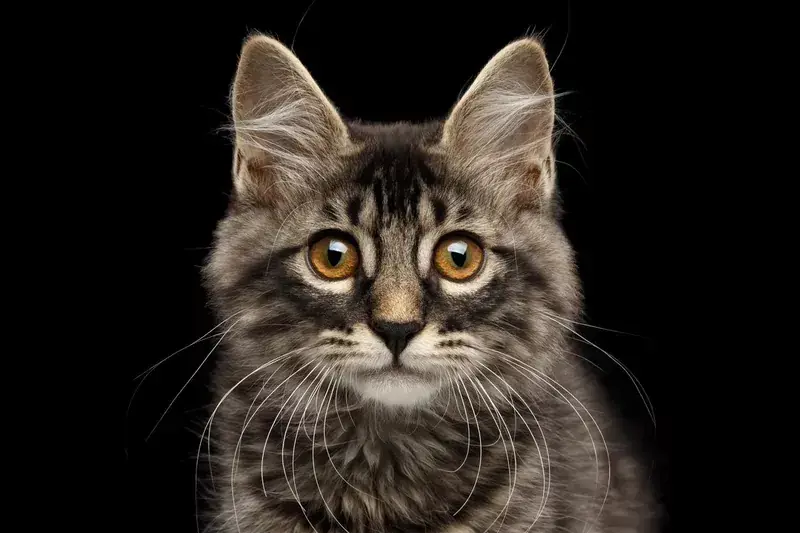
The Kurilian bobtail can be short or long-haired. In both types, the hair is flat with a moderate undercoat. As a result, the bobtail’s hair resists matting and is, therefore, fairly easy to care for. Brushing and an occasional bath will keep its already low to moderate shedding at bay.
14. Peterbald
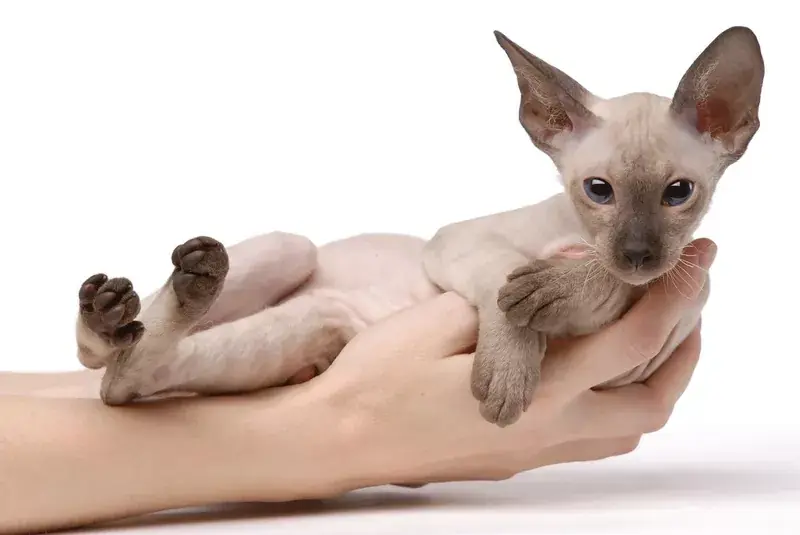
Weight: 7 to 14 pounds Lifespan: 12 to 15 years Grooming: Bathing every other week Personality: Affectionate and sweet
Bottom Line: Peterbald
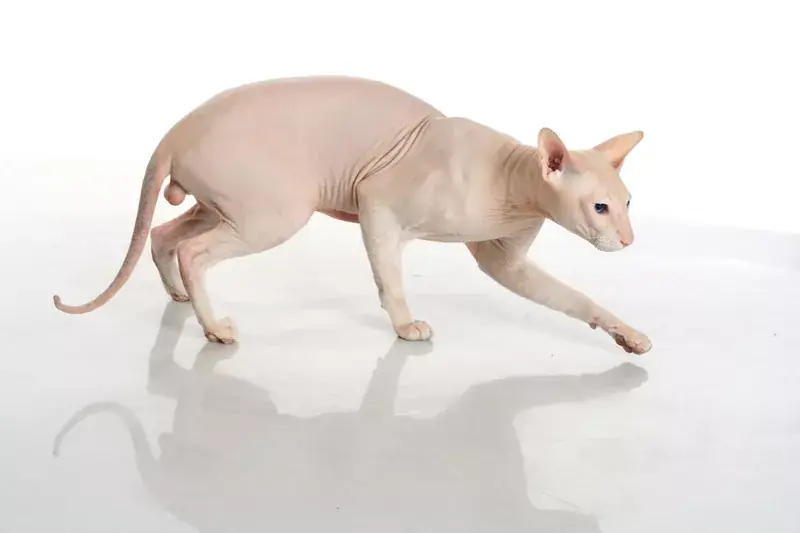
This rare, mostly hairless cat hails from Russia. It is named after its city of origin. A relatively new breed, the Peterbald is one of the few cats that can have a short-haired coat, peach fuzz or have no hair at all. But this can change during the cat’s lifetime. That said, when they do have hair, the Peterbalds’ shedding is at a minimum.
13. Singapura
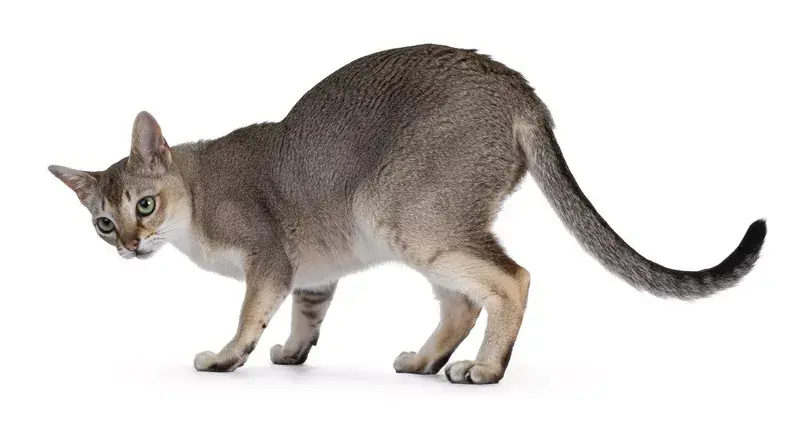
Weight: 4 to 8 pounds Lifespan: 11 to 15 years Grooming: Brushing once a week Personality: Assertive, intelligent and playful
Bottom Line: Singapura
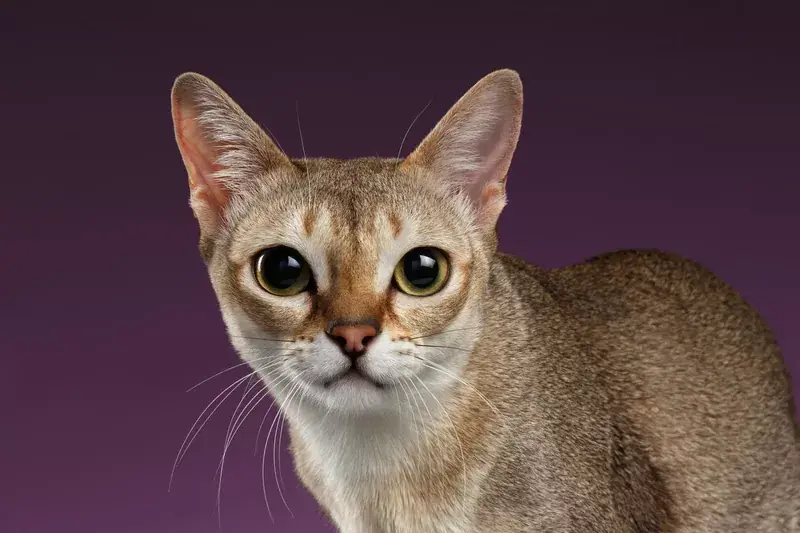
The Singapura is the smallest domestic cat breed. They don’t shed much, and grooming them is fairly easy. This feline extrovert is perfect for families with small children and other pets, including dogs. What it is not, however, is hypoallergenic. Singapuras produce dander, which can actually make allergies worse.
12. Russian Blue
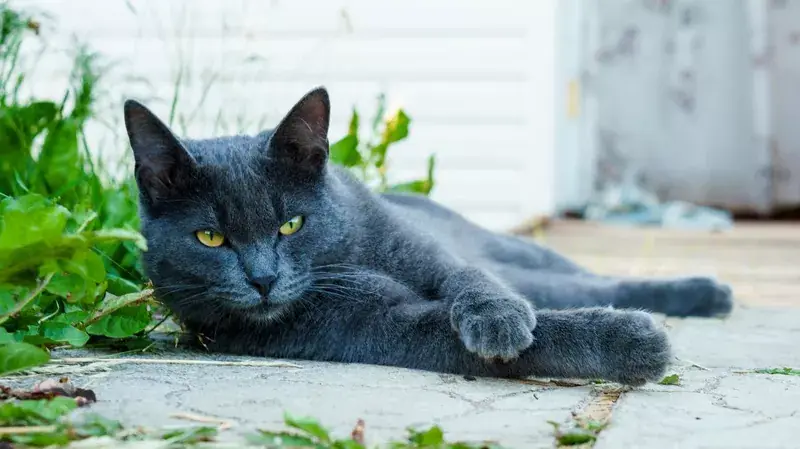
Weight: 7 to 15 pounds Lifespan: 15 to 20 years Grooming: Brushing or combing once or twice a week Personality: Curious, calm, affectionate and intelligent
Bottom Line: Russian Blue
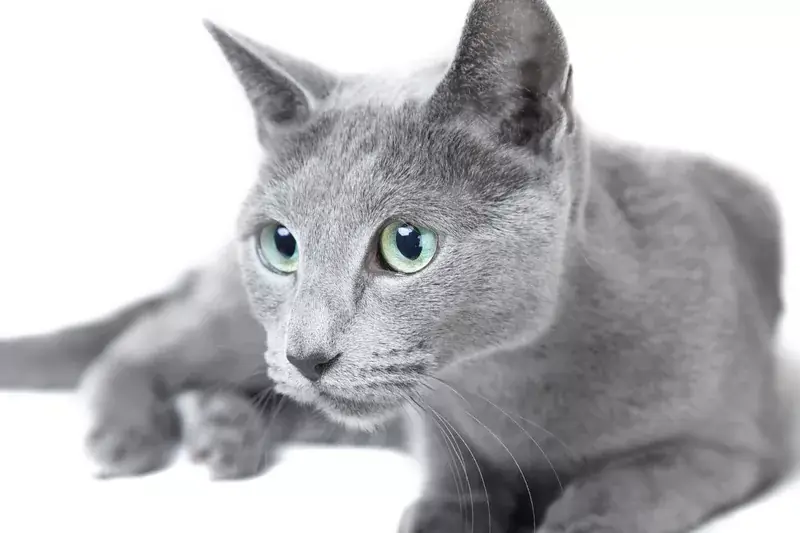
The Russian blue is a naturally occurring breed, with an origin that has been lost to history. They made their way to the United States in the early 19th century and became a recognized breed in 1912. Despite their thick coats, the Russian blue sheds very little. Brushing them once or twice a week will remove loose hair and allow for the distribution of their natural skin oils. They do have a shedding season in spring. During that time, you may want to increase their grooming.
11. Dwelf
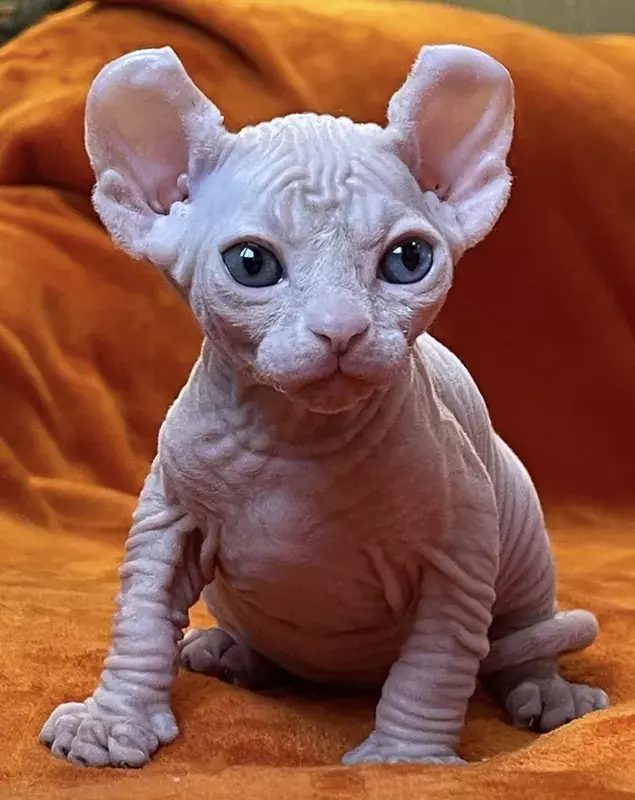
Weight: 4 to 9 pounds Lifespan: 12 to 15 years Grooming: Weekly or biweekly baths Personality: Social, friendly, playful, smart and energetic
Bottom Line: Dwelf
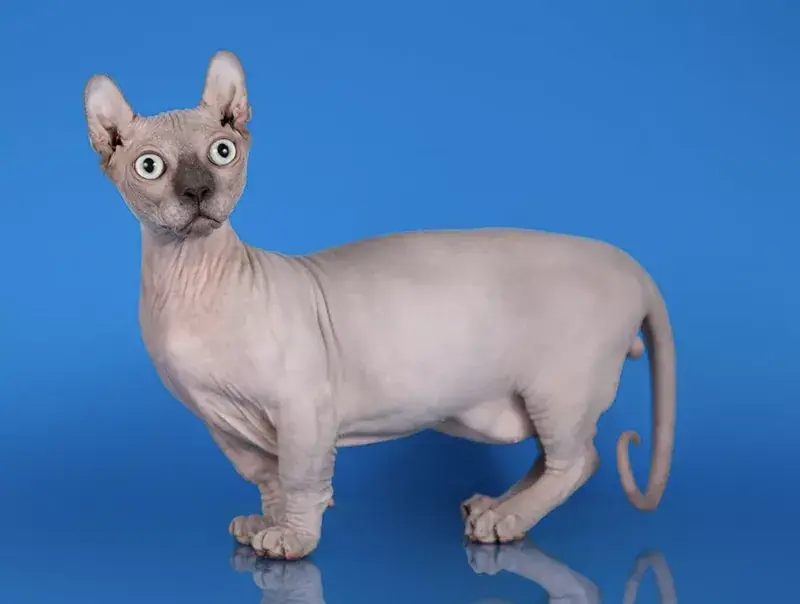
The dwelf gets their name from combining the words “dwarf” and “elf.” They’re a combination of munchkin, Sphynx, and American curl breeds. They look like a miniature Sphynx but have the ears of the American curl. Without a coat, there is no shedding, but the dwelf can become greasy and sticky if it isn’t bathed regularly.
10. Ocicat
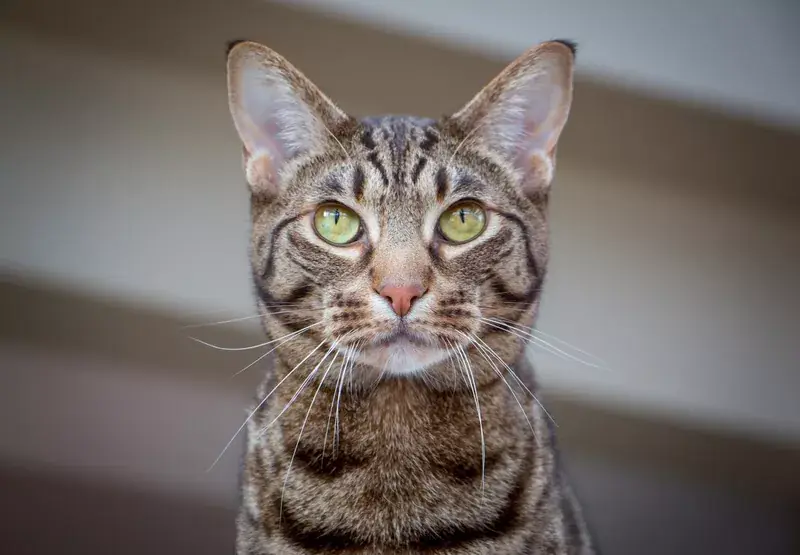
Weight: 6 to 14 pounds Lifespan: 15 to 18 years Grooming: A rubdown with a chamois cloth once a week Personality: Outgoing and happy
Bottom Line: Ocicat
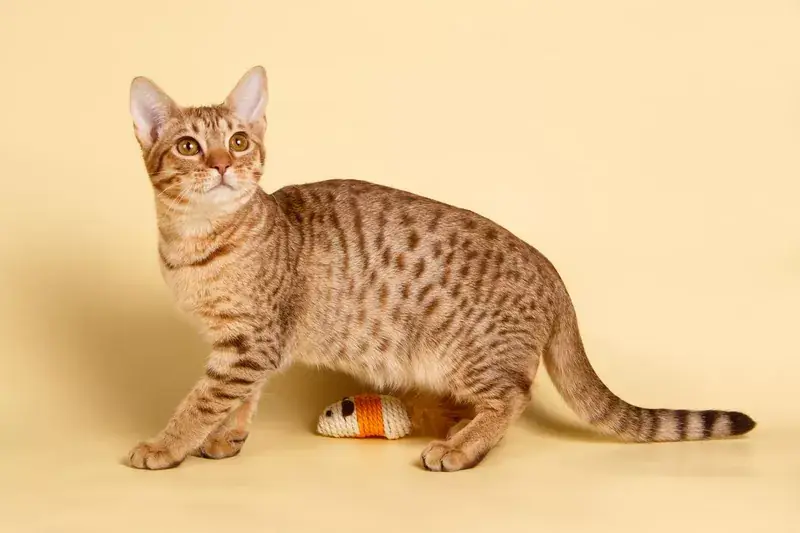
Created through breeding Abyssinians, Siamese and American domestic shorthairs, the first ocicat was registered with the Cat Fanciers’ Association in 1986. It may look like a wildcat due to its markings, but it is still very much a domestic animal, who loves nothing more than being an attentive family member. They are low-shedders, and grooming just takes a few minutes a week.
9. Devon Rex
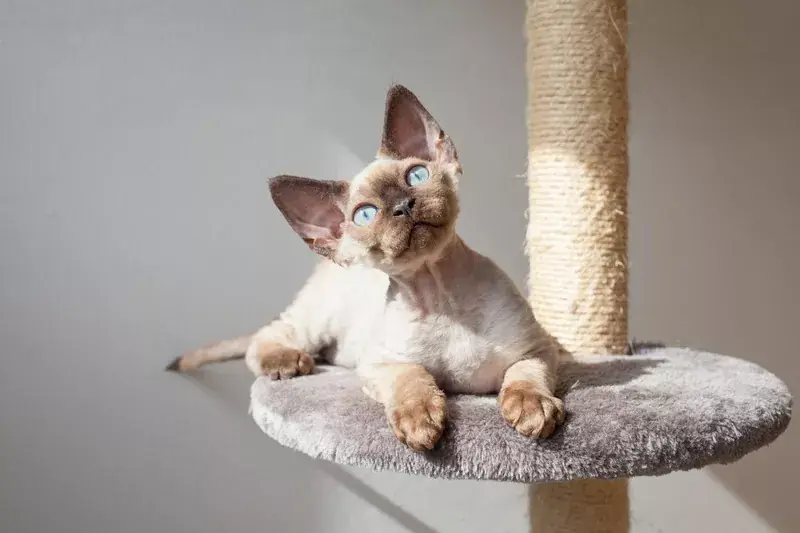
Weight: 6 to 9 pounds Lifespan: 10 to 15 years Grooming: Wipe the Devon with a damp cloth each week Personality: Alert and active
Bottom Line: Devon Rex
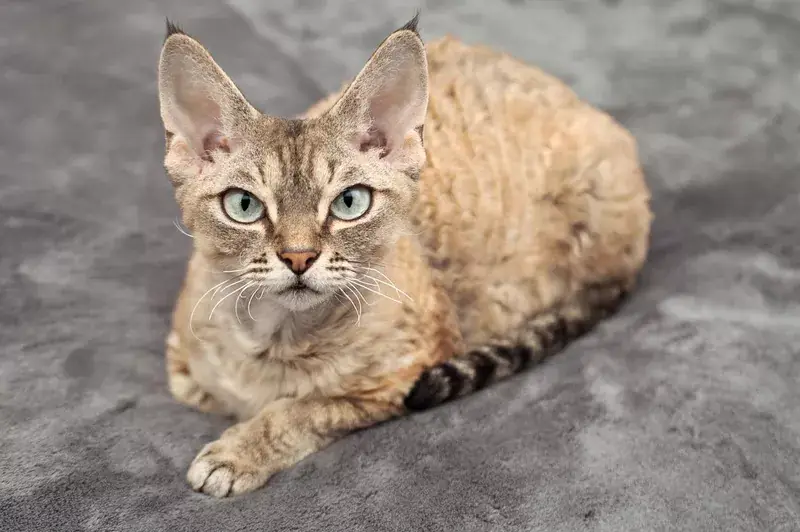
Outside of the occasional bath, all a Devon needs is a weekly rubdown with a damp cloth to keep shedding to a minimum. While they do shed, the coat structure makes it less obvious, but they are not hypoallergenic. Some Devon owners do have a reaction, and some do not.
8. Minskin
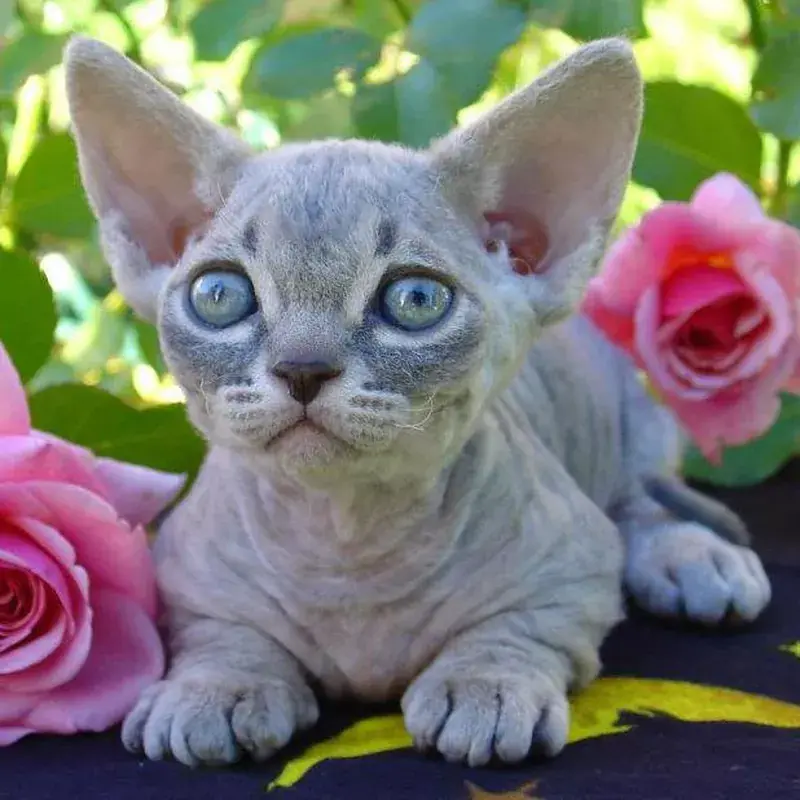
Weight: 6 to 9 pounds Lifespan: 12 to 14 years Grooming: Bathed weekly with a tear-free cat shampoo Personality: Sweet, playful and friendly
Bottom Line: Minskin
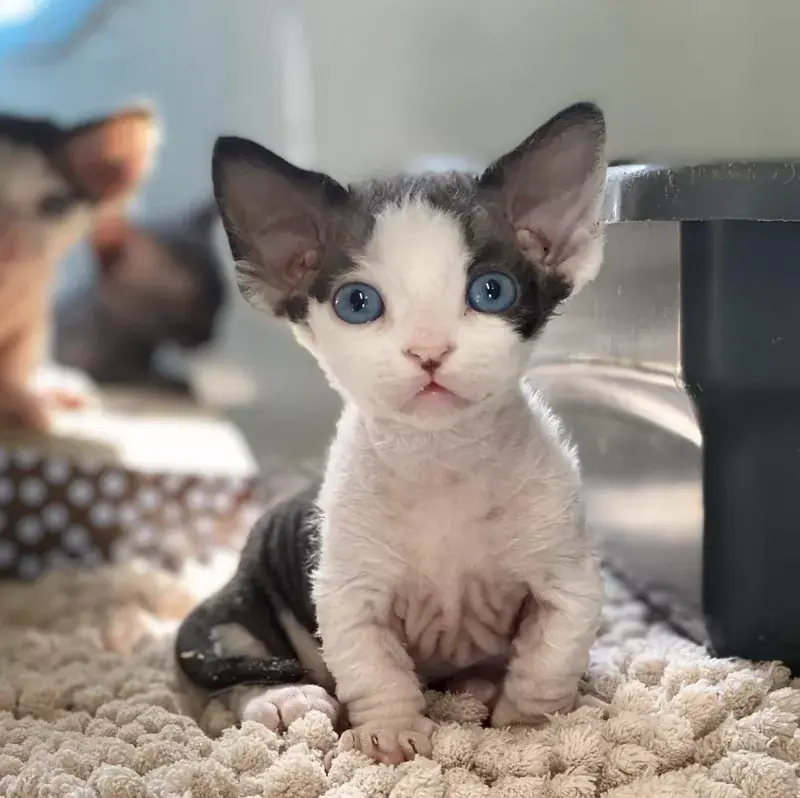
These short-legged, stocky cats are low to moderate shedders. This will depend on the length of their coat. They are a mix of Sphynx, munchkin, Burmese and Devon rex breeds. These adorable cats are both short and longer-haired. Those with longer tresses will shed more and require more frequent grooming to keep loose hairs under control.
7. Ukrainian Levkoy
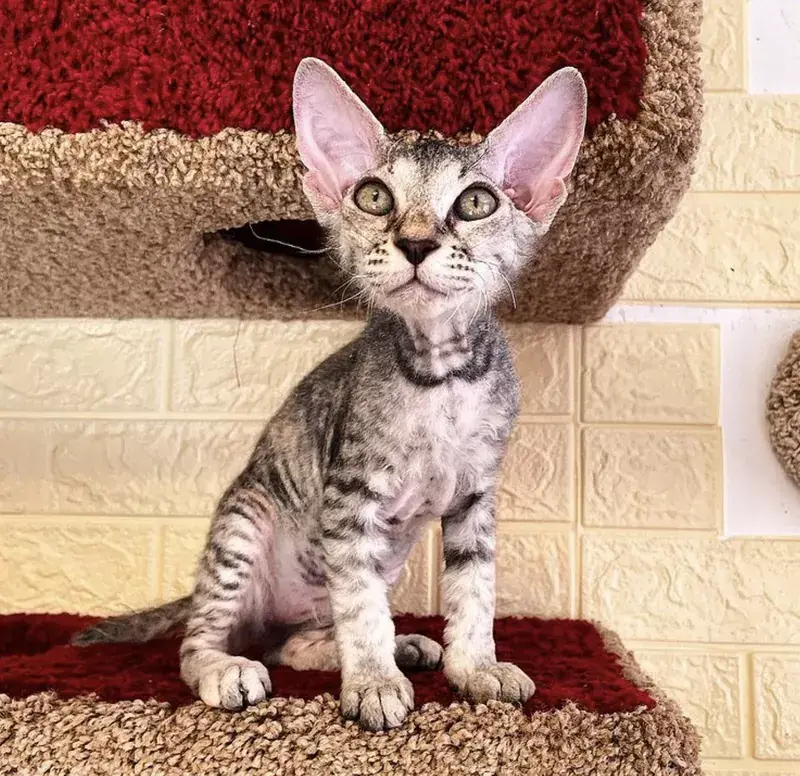
Weight: 11 to 15 pounds Lifespan: 15 to 20 years Grooming: Use cat grooming wipes or a washcloth with warm water on them twice a week Personality: Docile, social and very vocal
Bottom Line: Ukrainian Levkoy
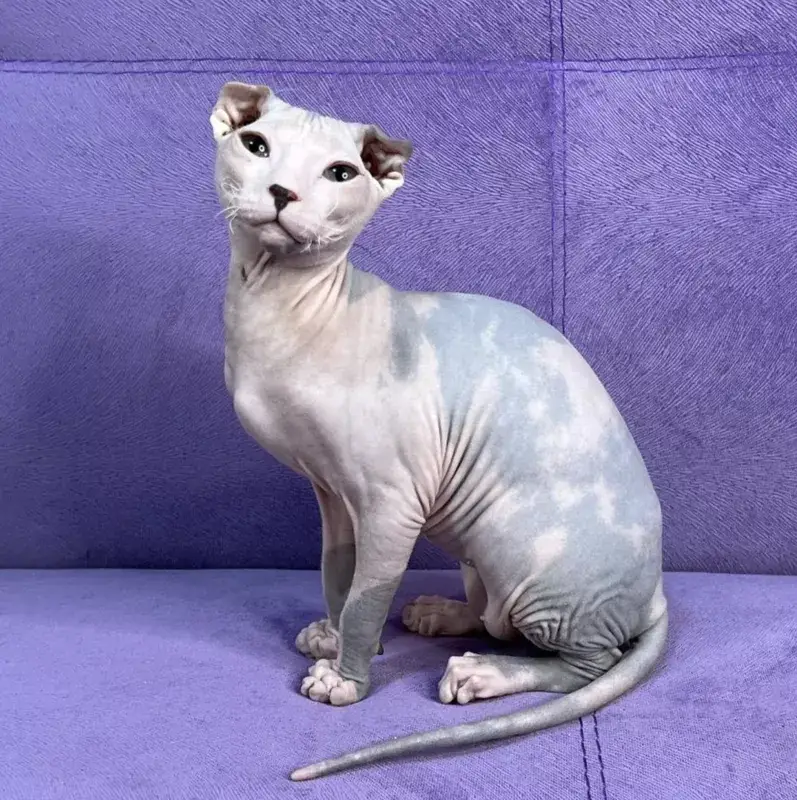
A cross between the Donskoy and Scottish fold breed, the rare Ukrainian Levkoy has little to no hair. As a result, you’ll never need to worry about plucking hair off of your sofa. Those that do have hair have a baby-fine down coat that doesn’t come loose.
6. Selkirk Rex
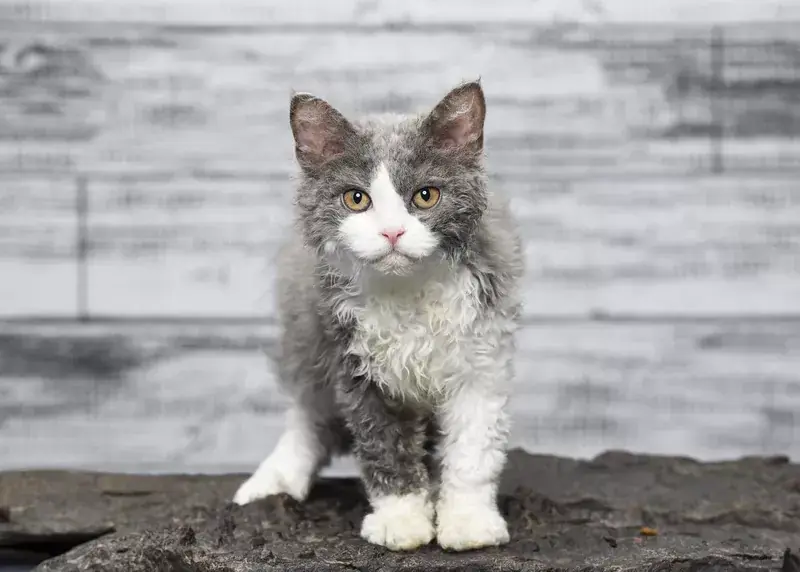
Weight: 6 to 16 pounds Lifespan: 15 to 20 years Grooming: A once a week combing Personality: Energetic and friendly
Bottom Line: Selkirk Rex
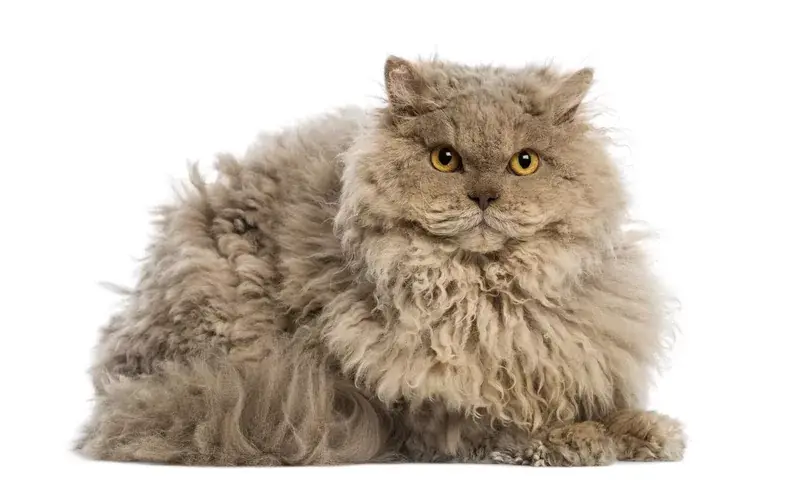
The Selkirk rex’s coat is one of the fluffier on this list. Surprisingly, as curly-coated cats, they shed far less than a straight-coated feline. A wide-mouth comb will keep errant hairs on the run. But if you’re planning on showing him, he’ll need a bath. Luckily, his curls are only in need of a quick towel dry.
5. Bombay
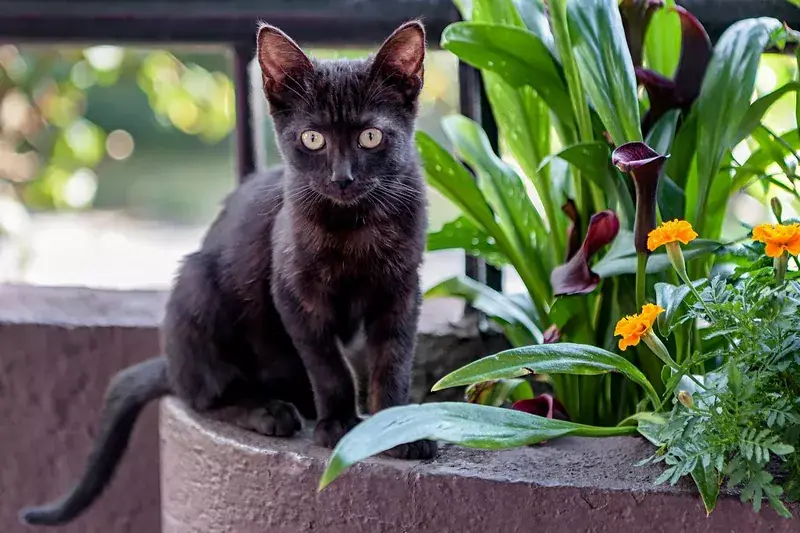
Weight: 8 to 15 pounds Lifespan: 12 to 18 years Grooming: An occasional brushing or damp cloth across the fur Personality: Sociable and affectionate
Bottom Line: Bombay
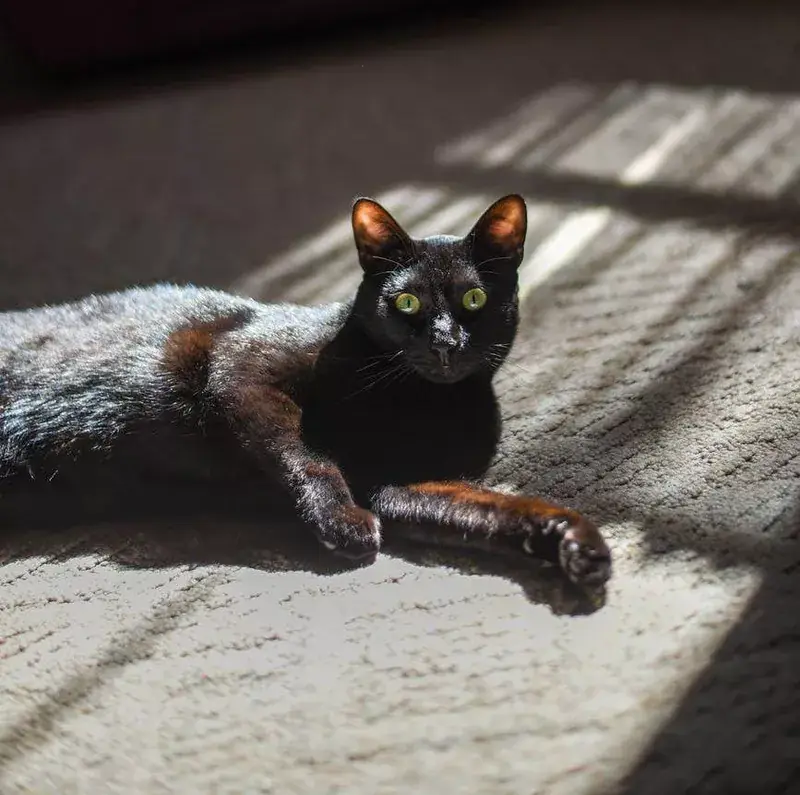
The first Bombay breeders wanted to produce a domestic cat that looked wild and crossed a sable Burmese with black American shorthair. These medium-sized cats have a short, glossy, black coat, which makes them resemble a miniature panther. They do not come in other colors or have other markings. Brushing them weekly will help keep them clean, shiny and healthy.
4. Japanese Bobtail
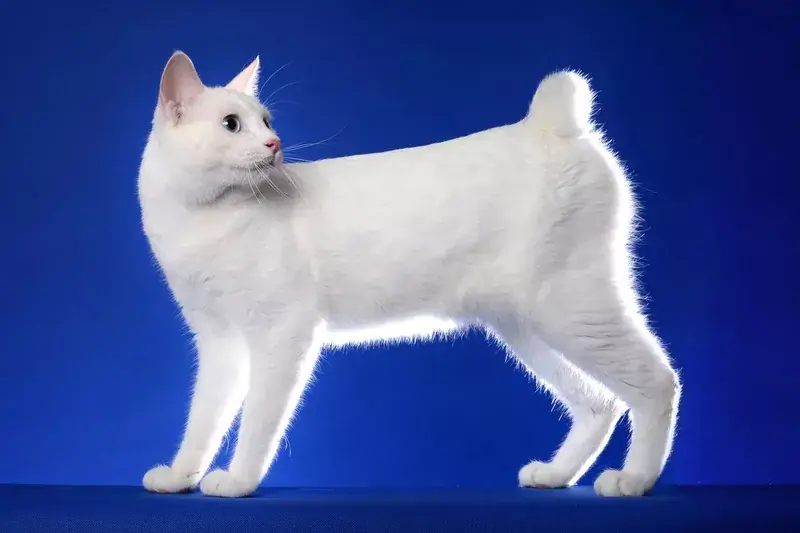
Weight: 5 to 10 pounds Lifespan: 9 to 15 years Grooming: Twice weekly brushing or combing Personality: Active, affectionate and smart
Bottom Line: Japanese Bobtail
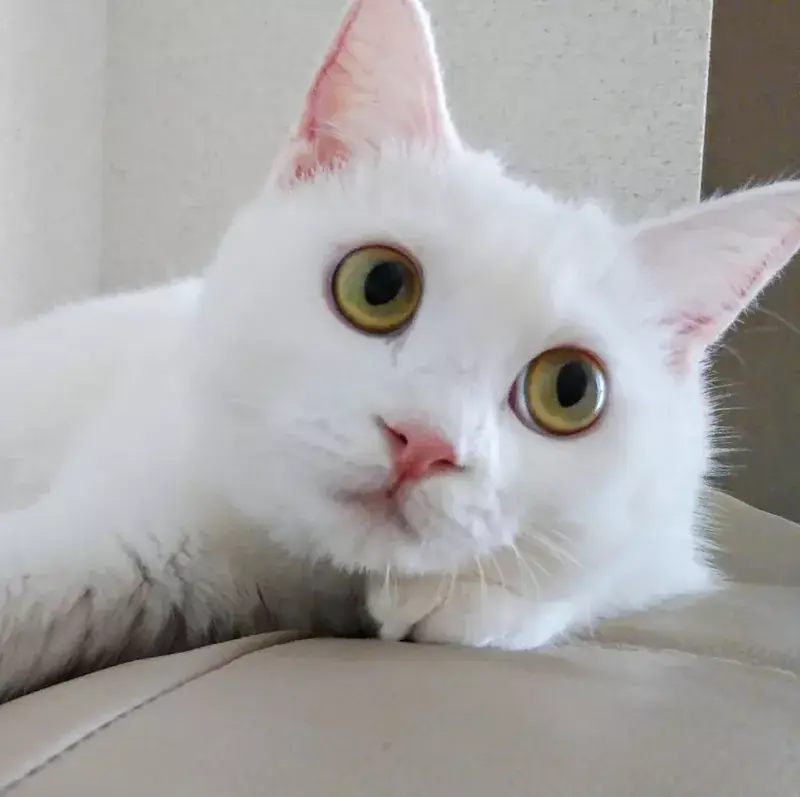
This unusual bobtail cat has been known in its native country for centuries and has been depicted in traditional Japanese art and folklore. While these adorable cats are low shedders, they do have seasons where they shed more than others, particularly spring and fall. Regular grooming will decrease the loose hair that does come off of them.
3. Exotic Shorthair
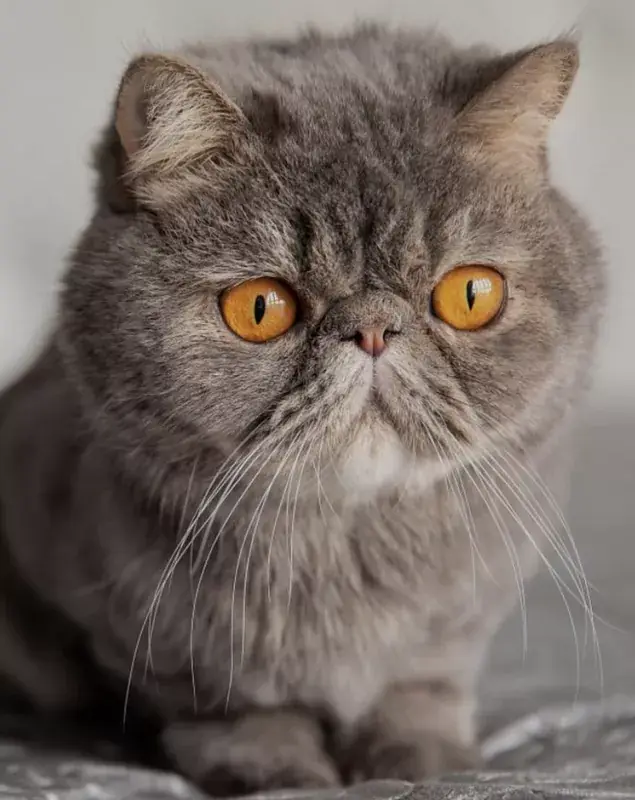
Weight: 10 to 12 pounds Lifespan: 10 to 15 years Grooming: Weekly brushing Personality: Friendly and calm
Bottom Line: Exotic Short Hair
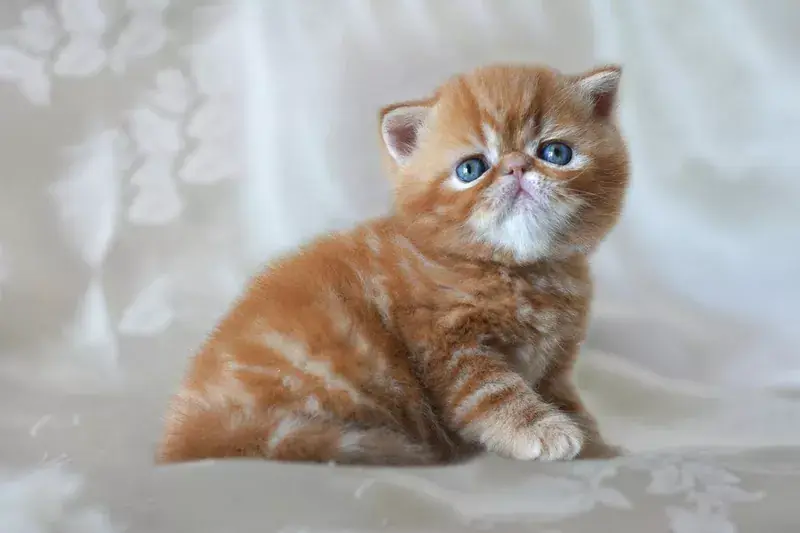
This short-haired Persian cat does shed but for having such a thick coat, not that much. Of course, they need brushing to keep them from dropping loose hair. This will also keep their coat tangle free. They do have thick undercoats, which can become clumpy without the proper care. However, they do spend a significant amount of time cleaning themselves.
2. Birman
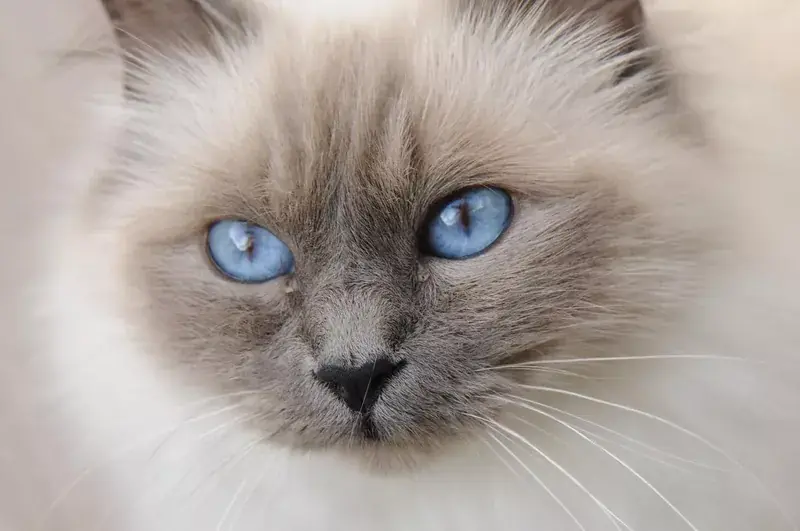
Weight: 10 to 12 pounds Lifespan: 13 to15 years Grooming: Twice weekly combing Personality: Affectionate, friendly, gentle and curious
Bottom Line: Birman
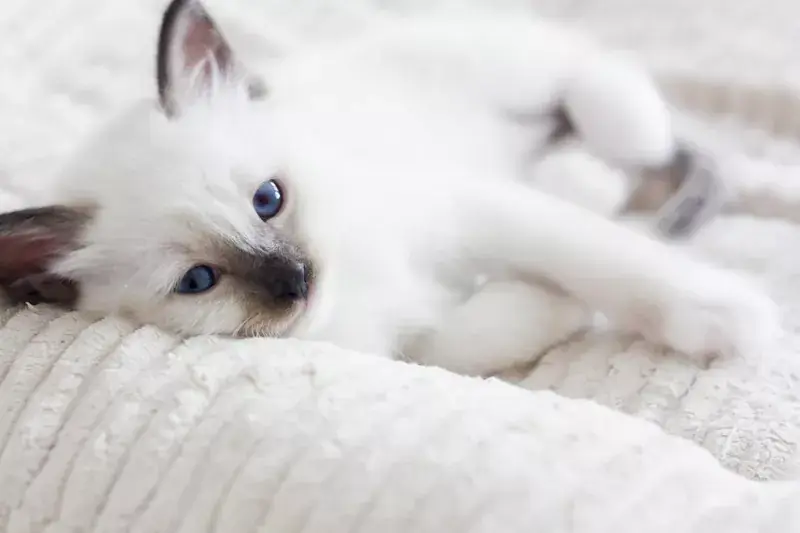
Say hello to the Birman, another low to medium shedder. Their hair does not tangle, even though it is on the longer side because they do not have an undercoat. This does not mean, however, that you should ignore their grooming needs. Regular combing is paramount for keeping this kitty happy and healthy. If you find a knot or two, it’s better to cut it out entirely, so you don’t cause the Birman pain by combing it.
1. Sphynx
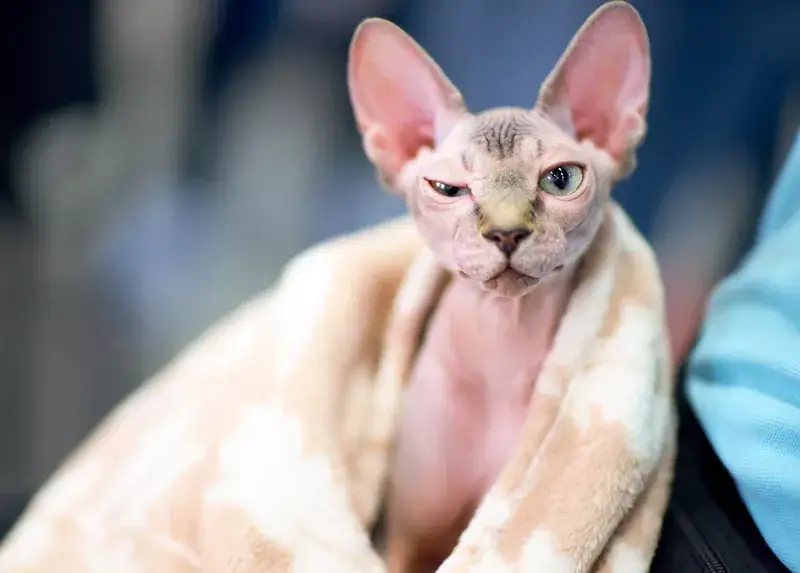
Weight: 6 to 12 pounds Lifespan: 8 to 14 years Grooming: Weekly warm water baths Personality: Energetic and loyal
Bottom Line: Sphynx
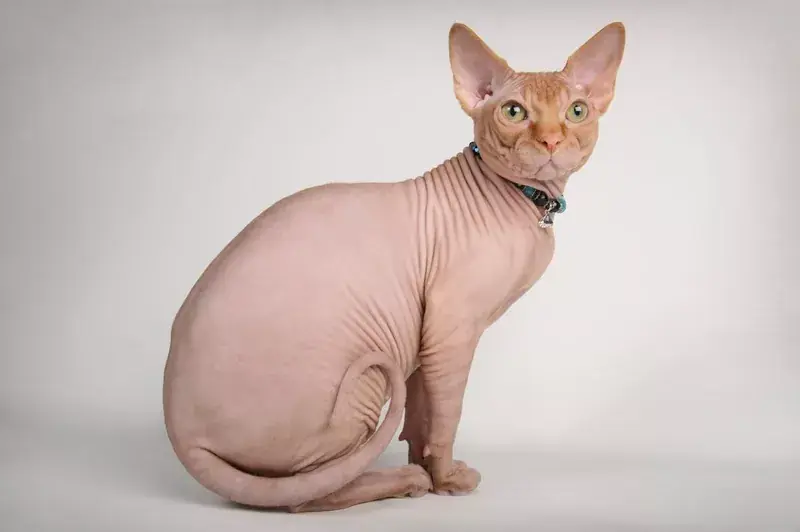
The most widely recognizable hairless cat, the Sphynx has little to no hair with which to shed. What little hair they do have is a fine layer of fuzz. All cats like the Sphynx with exposed skin lack natural protection from sun, dirt and climate changes. Therefore, more frequent bathing and sunscreen (with UVA and UVB barriers of SPF 15 or SPF 30) are a must.