Cat owners spend plenty of time checking food labels, hiding toxic cleaners, and keeping medications off counters, yet one of the biggest poisoning risks still enters homes through flower arrangements and garden centers. Certain lilies pose a serious risk with minimal exposure.
A few bites from a leaf, pollen brushed onto fur, or water from a vase can already place a cat in medical crisis. Veterinarians treat suspected lily exposure with extreme urgency because kidney failure can develop frighteningly fast once symptoms start. Many of these plants look ordinary in bouquets, kitchens, patios, and neighborhood flower beds.
Easter Lily
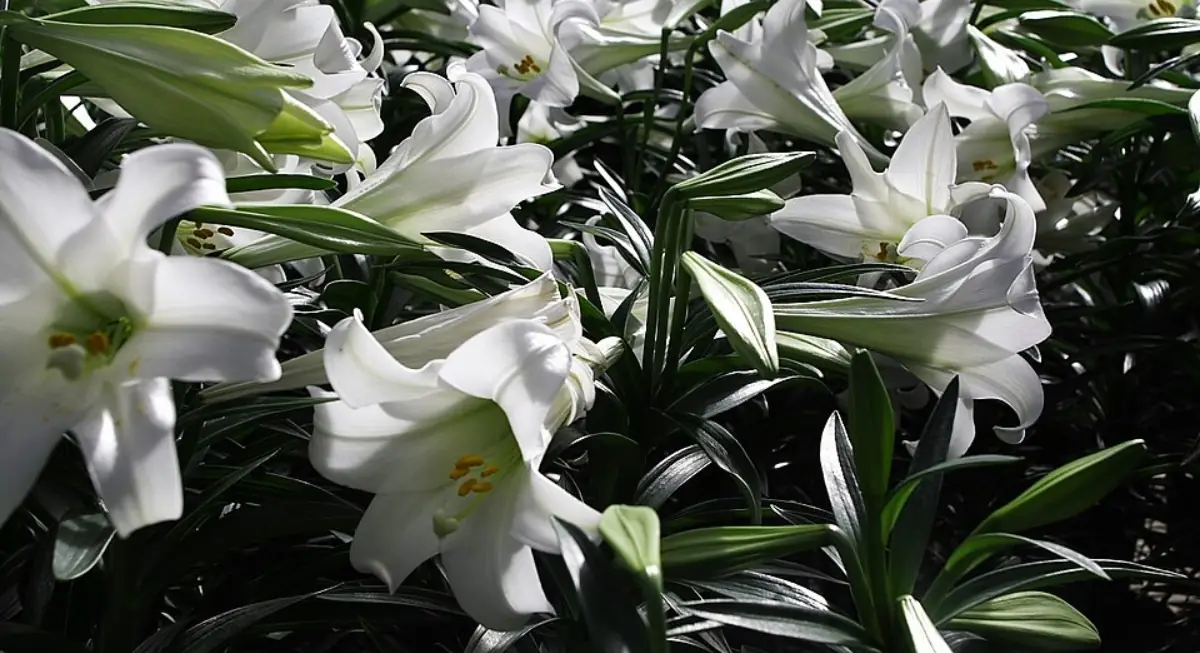
Easter lily appears in homes every spring alongside holiday meals, gift baskets, and church arrangements. That may be why veterinary clinics see repeated cases of poisoning during the season. Licking its fur to lick up pollen or drinking water from the vase can place the kidneys under severe stress. The first signs could be vomiting, drooling, loss of appetite, and unusual tiredness. The real danger develops afterward as kidney function collapses during the next one to three days. Fast treatment with intravenous fluids can save many cats, but delays worsen the prognosis.
Tiger Lily
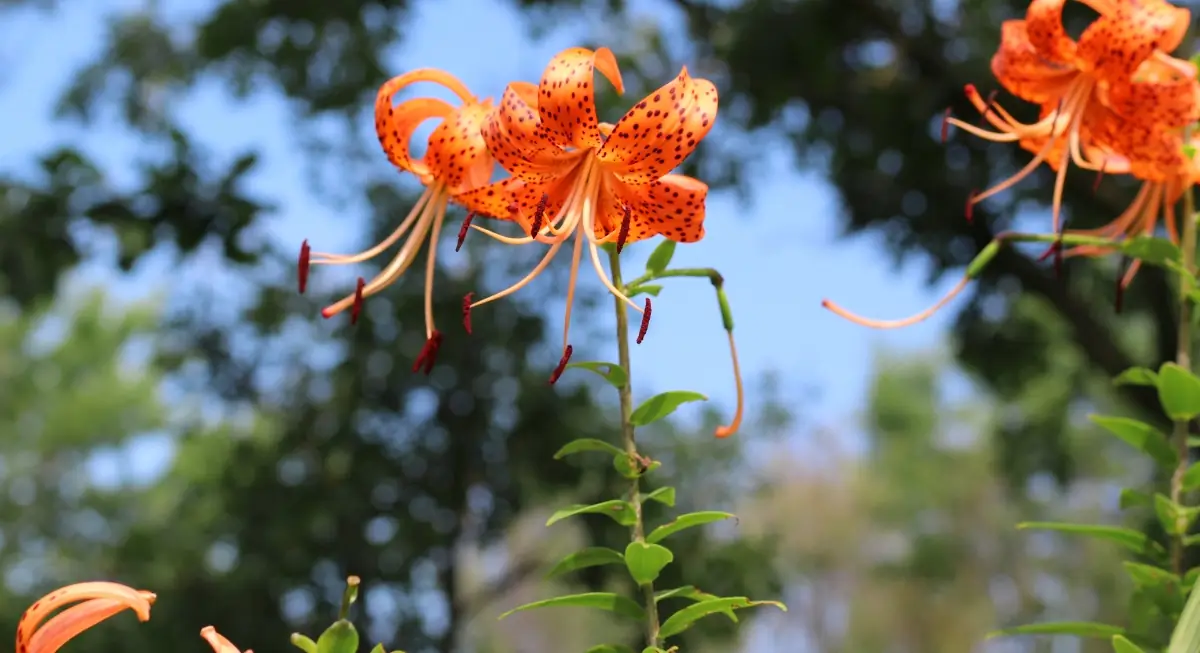
Tiger lilies cause far more trouble for cats than many people realize. Some poisoning cases begin with something as small as pollen landing on a cat’s paws or whiskers before getting swallowed during grooming. Since these flowers grow so commonly in outdoor gardens, many pet owners assume they are only mildly irritating. The bright orange petals and dark speckles make tiger lilies easy to spot, but cats react to the plant very differently than dogs or humans do.
Stargazer Lily
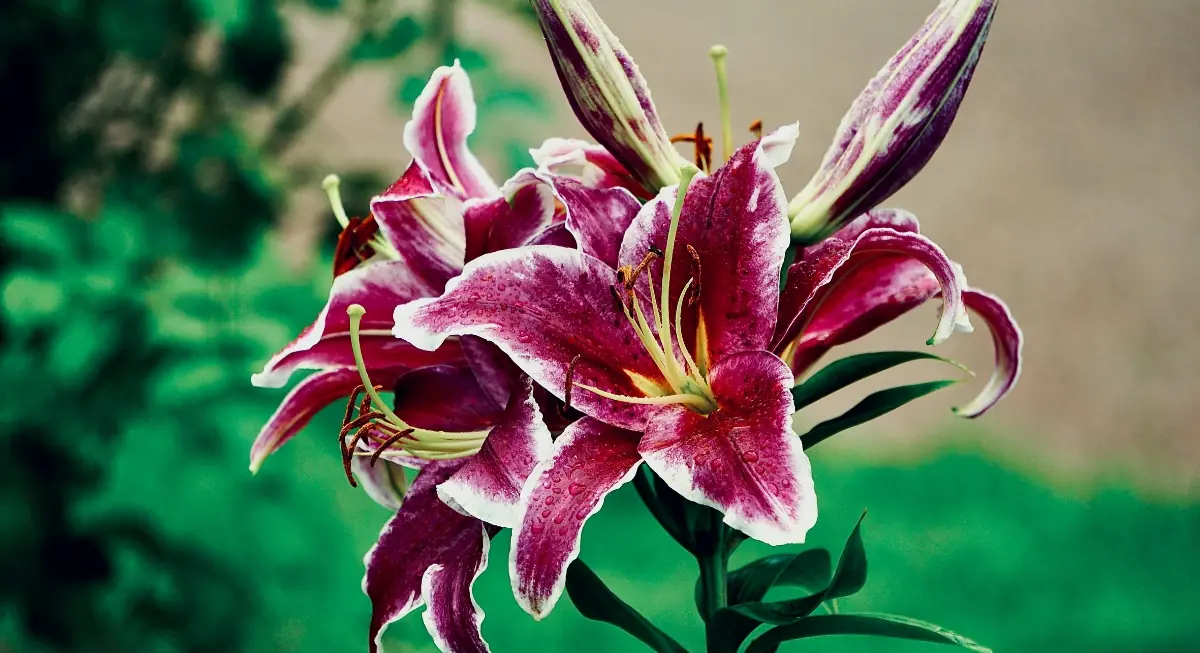
Stargazer lilies can create serious problems in homes with cats because the pollen spreads so easily. It can fall onto furniture, floors, or a cat’s fur without the owner noticing right away. Many people never actually see their cat chew the plant because exposure often happens later during grooming. The strong fragrance and large blooms make these flowers common in bouquets, though veterinarians still consider them one of the highest-risk plants a cat can encounter indoors.
Oriental Lily
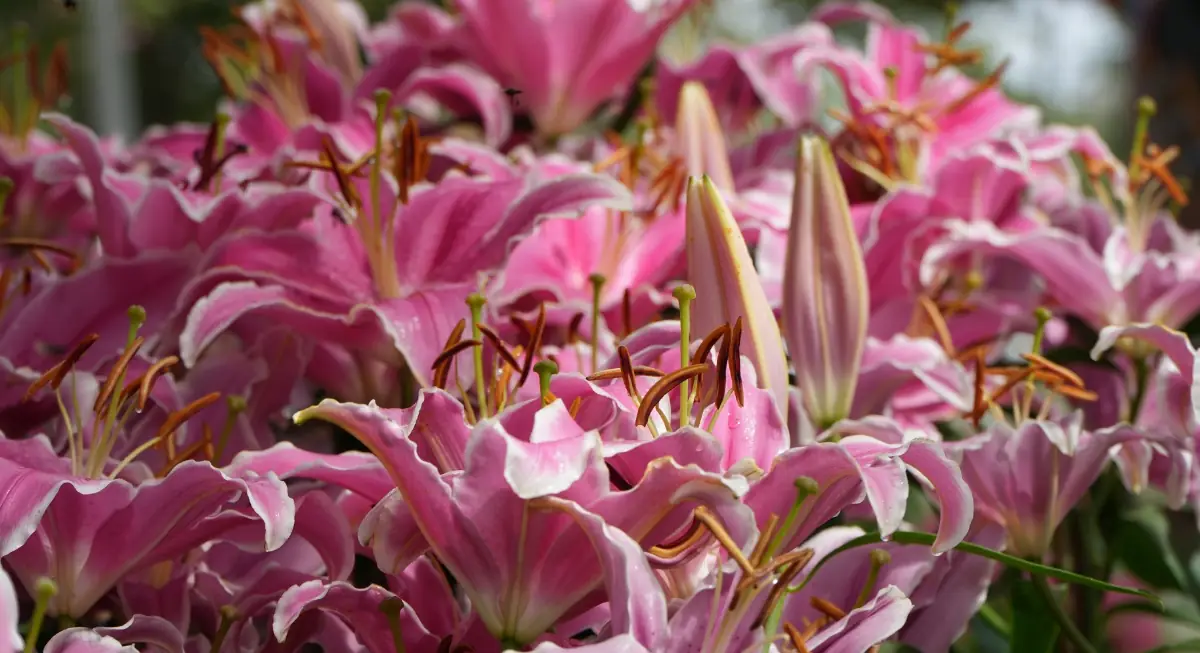
Oriental lily causes problems partly because it appears everywhere. Grocery-store bouquets, wedding centerpieces, hotel lobbies, and floral deliveries regularly include Oriental lilies because the blooms last a long time after cutting. Every section of the plant carries the unidentified toxin linked to fatal kidney failure in cats. As damage progresses, cats can develop dehydration and changes in urination.
Asiatic Lily
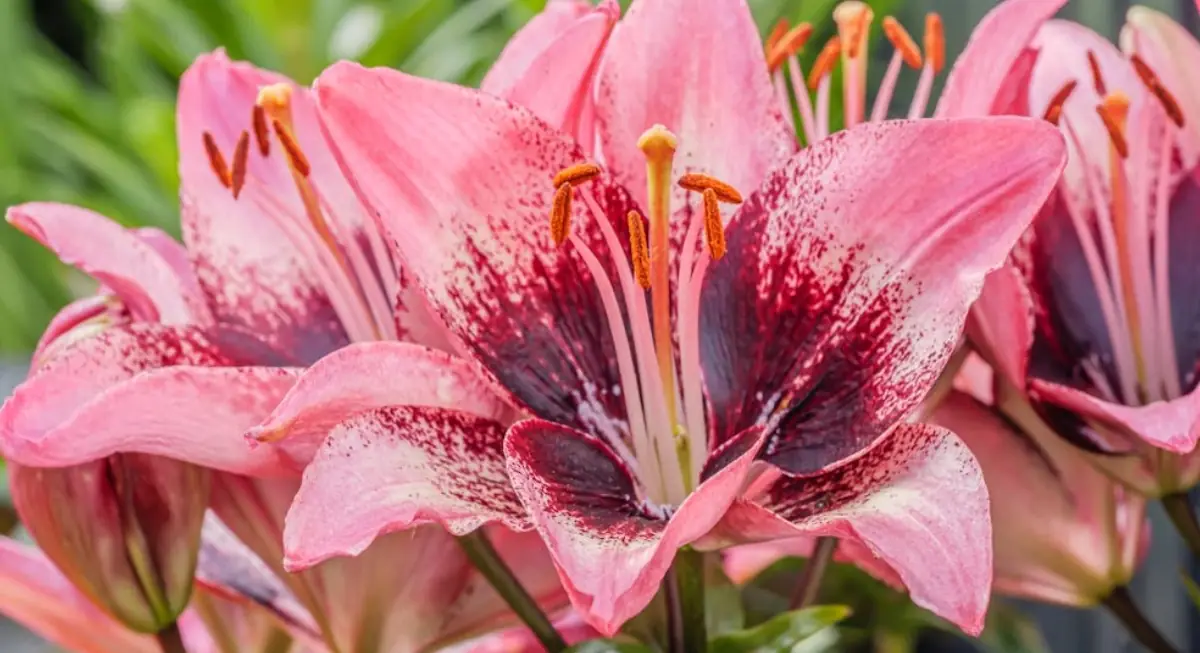
Unlike heavily scented lilies, Asiatic lilies usually lack a strong fragrance, which sometimes creates a false sense of safety around the plant. The danger level remains just as high for cats. Florists and garden centers sell Asiatic lilies in a wide range of colors, making them among the most common decorative lilies in homes and landscaping. Veterinarians move aggressively once exposure is suspected because the poisoning advances rapidly and can become irreversible within days.
Japanese Show Lily
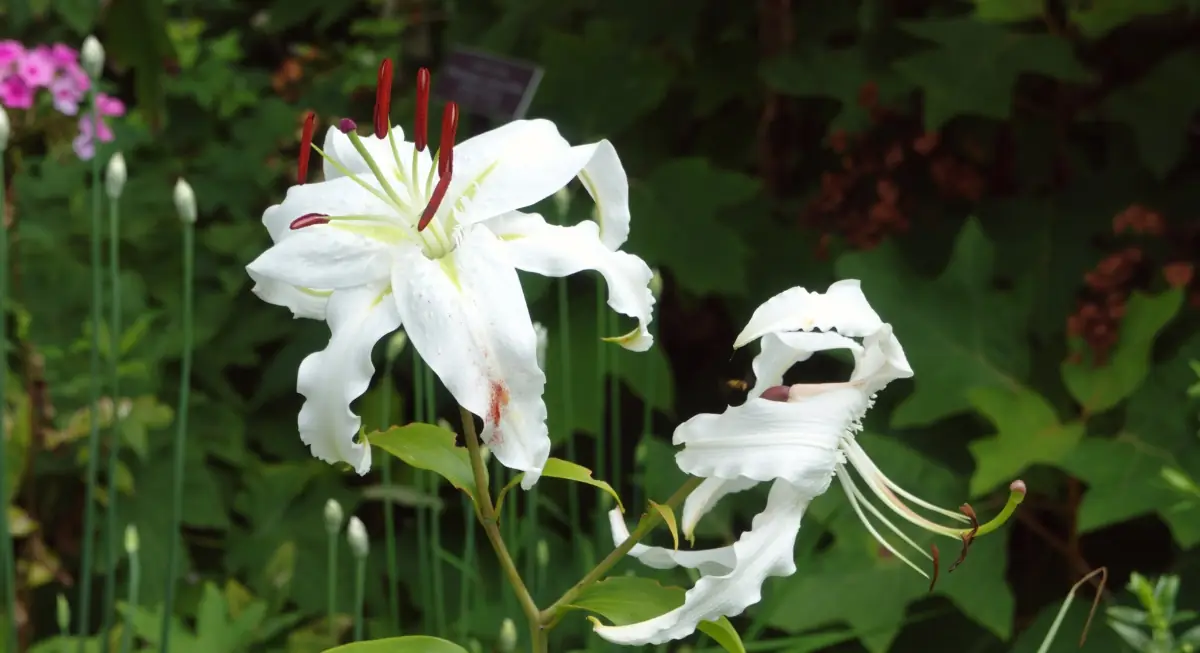
Japanese Show Lily poisoning can look mild at first before becoming much more serious the next day. Cats exposed to the plant often need hospitalization, intravenous fluids, blood monitoring, and supportive treatment once poisoning is suspected. The bulbs are traditionally eaten in parts of Asia, though the plant is highly dangerous for cats and treated as a medical emergency by veterinarians.
Rubrum Lily
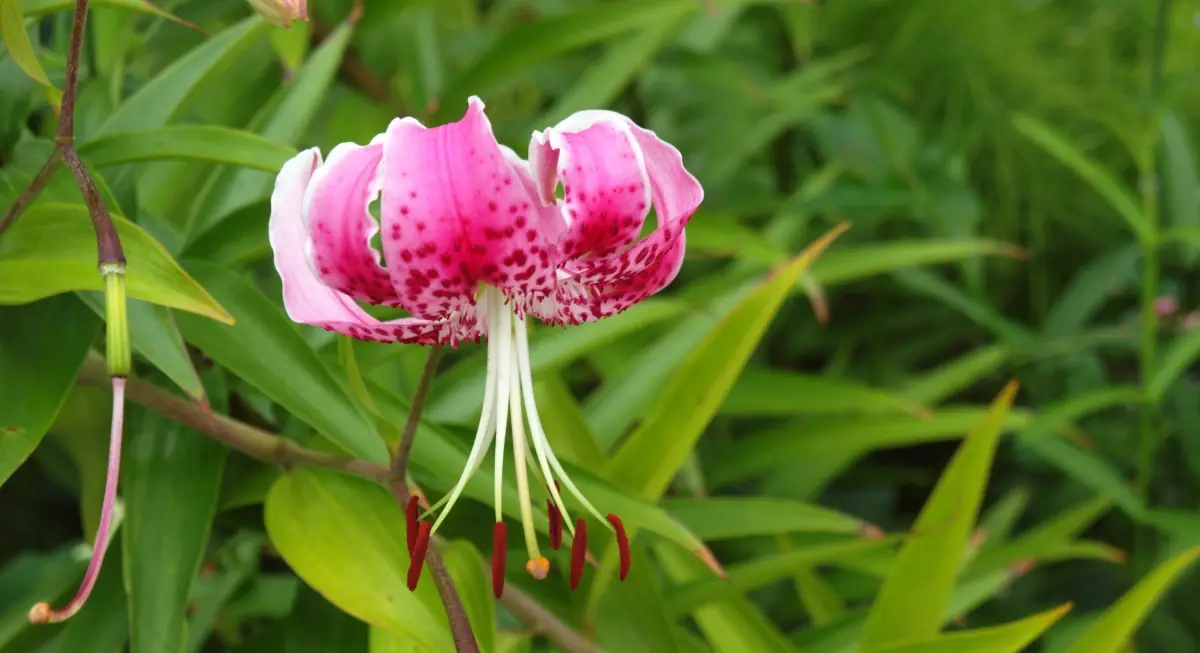
Rubrum lilies often confuse pet owners because they are sold alongside decorative flowers that appear harmless. The plant became well known for its rarity and was once considered difficult to grow from seed. It also helped create the popular “Stargazer” lily that now appears in many flower shops. Some perfumes and cosmetics use oils from the plant, though Rubrum lily still belongs to the true lily family that is highly dangerous for cats.
Wood Lily
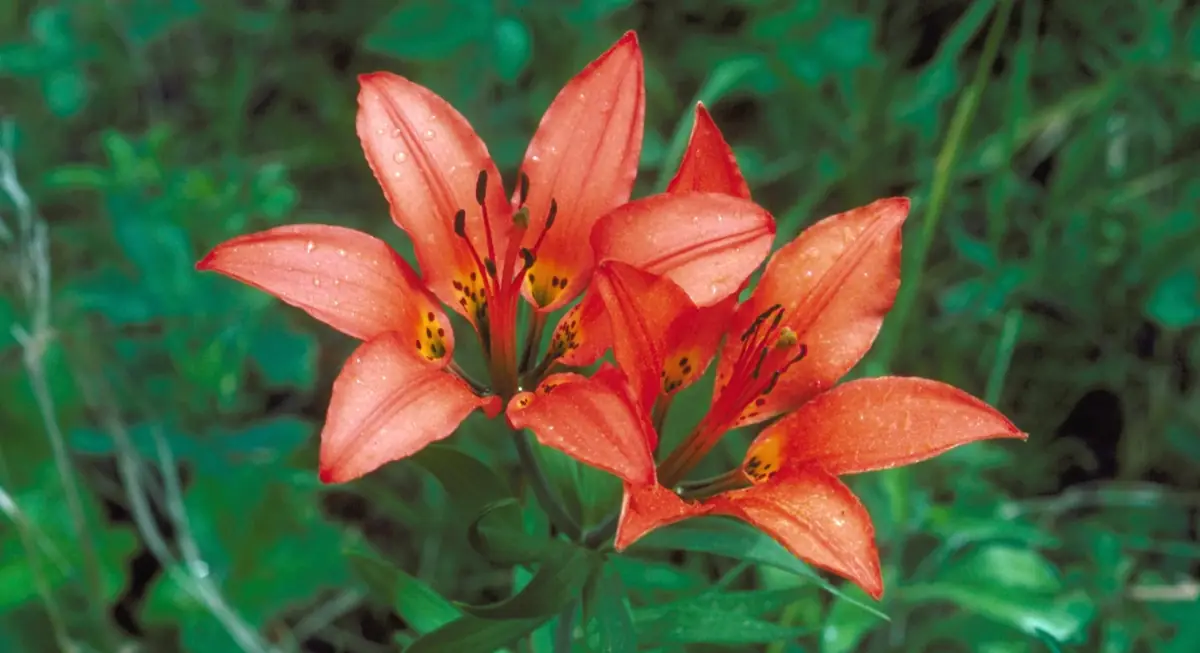
The Wood Lily is a North American wildflower with orange-red blossoms that point upward. Thriving in open prairies and pine forests, this plant relies on wildfires to clear out competing brush and help its seeds colonize the land. The species is so culturally significant in Canada that it serves as the official provincial flower of Saskatchewan, and Indigenous groups historically harvested the bulbs for food and medicine.
Daylily
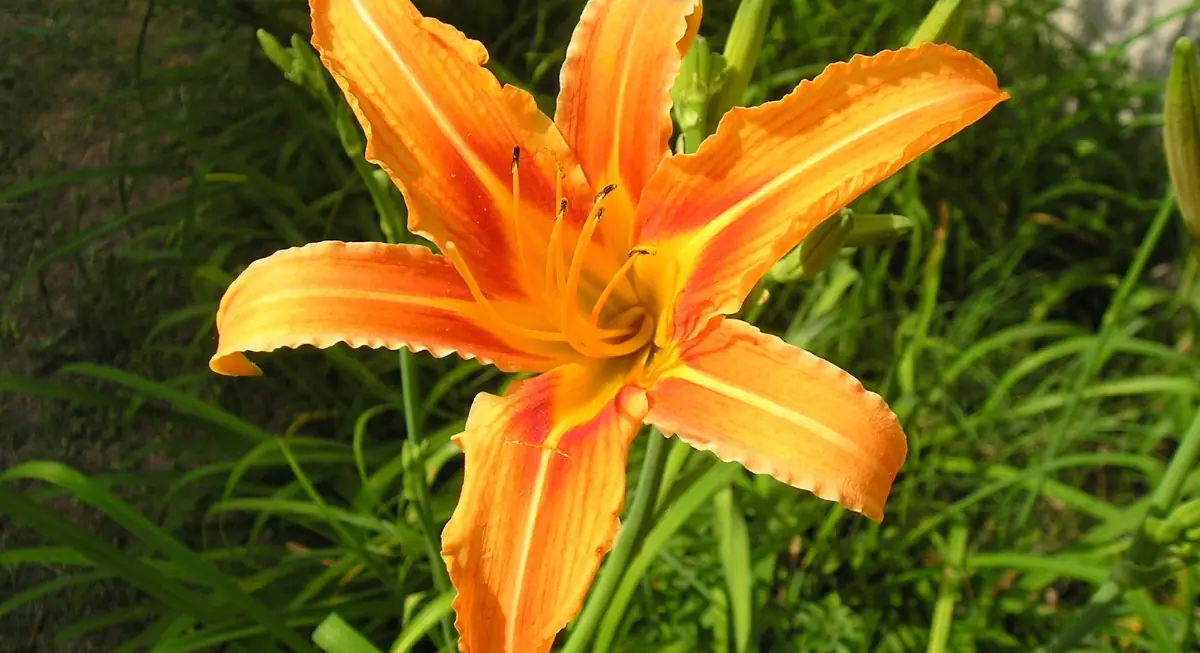
Daylily technically is not a true lily, but the outcome for cats can look nearly identical. The flowers appear in landscaping because they grow easily, bloom heavily, and survive in a wide range of climates. Its survival mechanism relies on a system of thick, tuberous roots that store water and nutrients, allowing the plant to endure droughts, poor soil, and heavy mowing that would kill other flora.