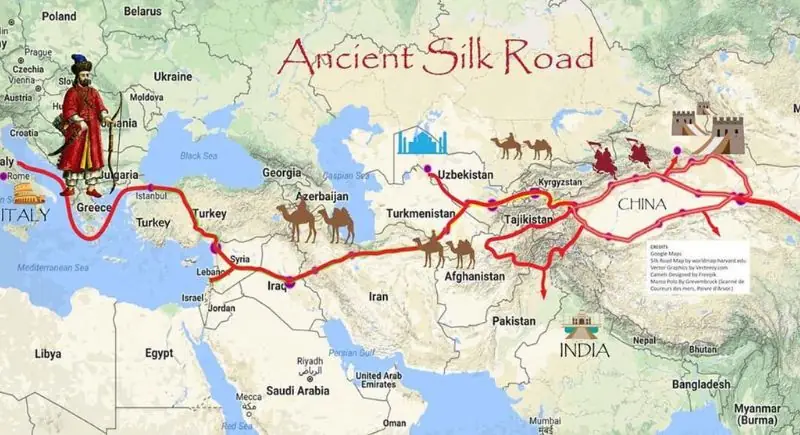
History tells us that house cats weren’t just lounging around ancient homes—they were globetrotters, too! Over 1,400 years ago, they found their way onto the legendary Silk Road by padding alongside merchants, traders, and explorers. So how did these whiskered animals hitch a ride on one of history’s most famous trade routes?
Ancient Egypt: The First Cat Enthusiasts
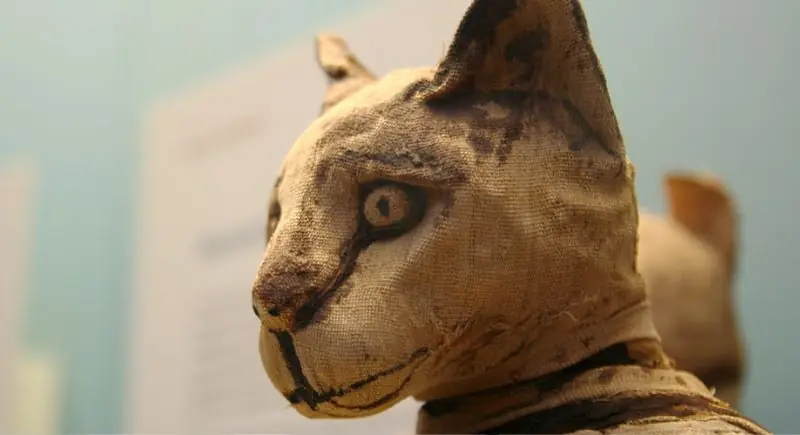
Egyptian farmers relied on cats to keep rats out, and soon, these small predators earned a permanent place in their society. They were so respected that killing one could land someone in serious trouble. Traders passing through Egypt saw their value, and before long, they started hitching rides on ships.
Cats Spread With Traders and Merchants
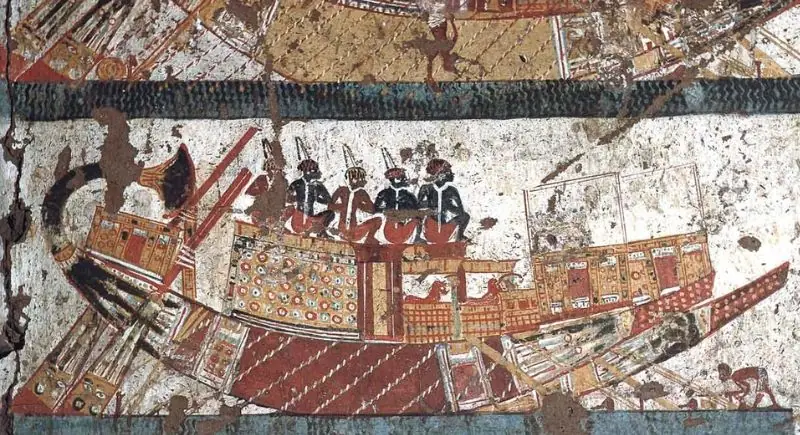
Ancient traders made sure cats got around. They traveled via Egyptian ships sailing to Greece and Persian caravans crossing deserts while only having one important job: keeping food supplies rodent-free. Cats slowly spread across Europe, the Middle East, and Asia, slipping into homes, temples, and marketplaces.
Rome and Greece Embrace the Feline

When cats reached ancient Greece and Rome, they became the go-to pest control, considering that they had some tricks up their sleeve; they were quiet, independent, and super cute. Greek sailors started taking them on ships and appreciated their skills and low-maintenance attitude. The Romans also saw their value and spread them throughout their empire.
Persian Kingdoms Welcome the Cat
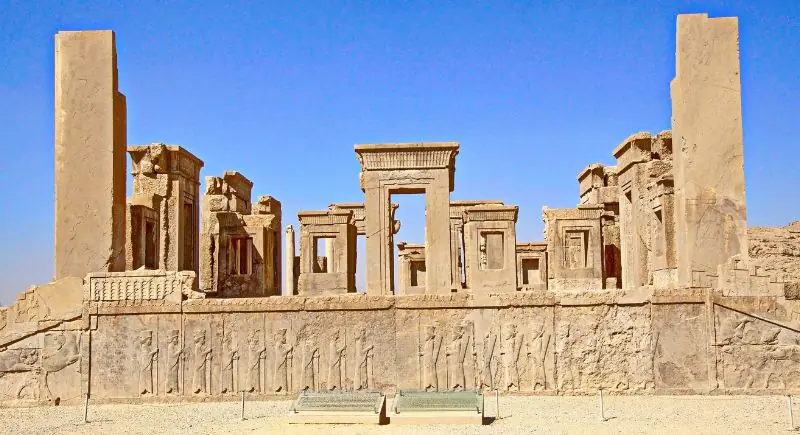
Persian traders helped spread cats along their vast trade routes. Persian royalty, known for their appreciation of elegance, adored cats, kept them as pets and often featured them in art and poetry. Some of the ancestors of modern Persian cats likely came from these regions.
The Silk Road: A Network of Commerce and Culture
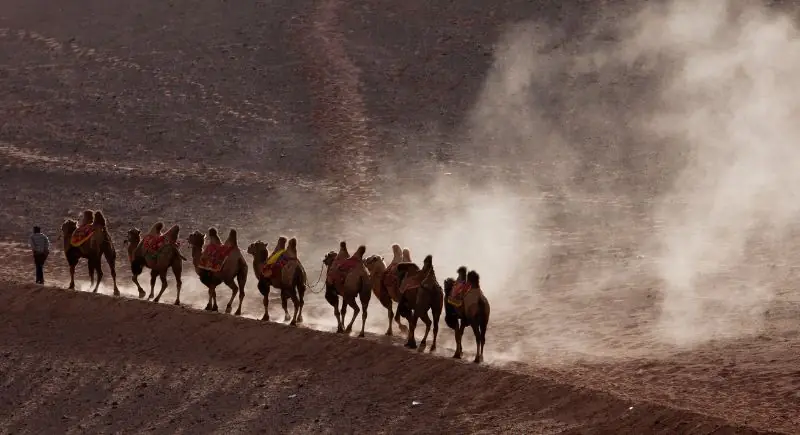
Spices, ideas, religions, and, yes, even animals moved through the Silk Road that connected China, the Middle East, and Europe. Cats found their way into the heart of this trade system. The more they traveled, the more cultures embraced them.
Caravans: A Moving Home for Cats
Crossing the Silk Road wasn’t easy, and cats were the best natural pest control for merchants and traders. Unlike dogs, which needed more food and water, cats were self-sufficient—catching their meals and curling up wherever they pleased. Caravans became moving homes for them, and they left their mark as they traveled through Central Asia.
Felines as a Symbol of Prosperity
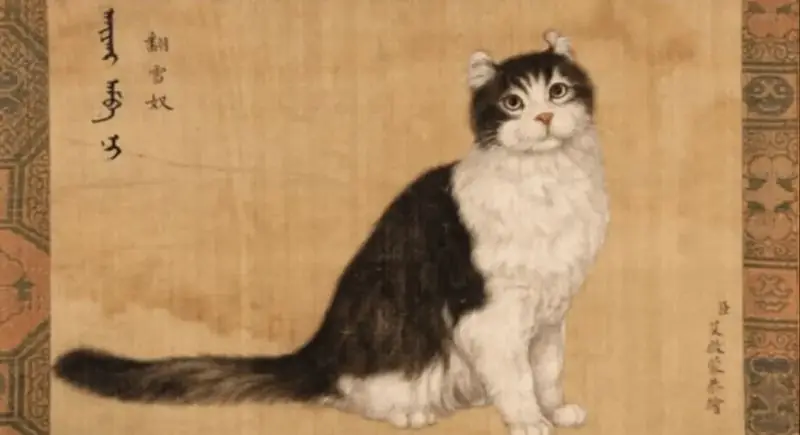
Over time, cats began to represent wealth and good fortune. In China, they were associated with protection and harmony. In Persia, poets wrote about their grace. Even in Europe, where they were often misunderstood, traders and nobility appreciated them. It came to a point where having a cat became a status symbol.
China’s Growing Interest
Cats became a staple in noble households during the Tang Dynasty. Chinese scholars and poets wrote about their mysterious charm, and farmers loved their efficiency in keeping rodents away from crops.
Buddhist Monks and the Cat Connection
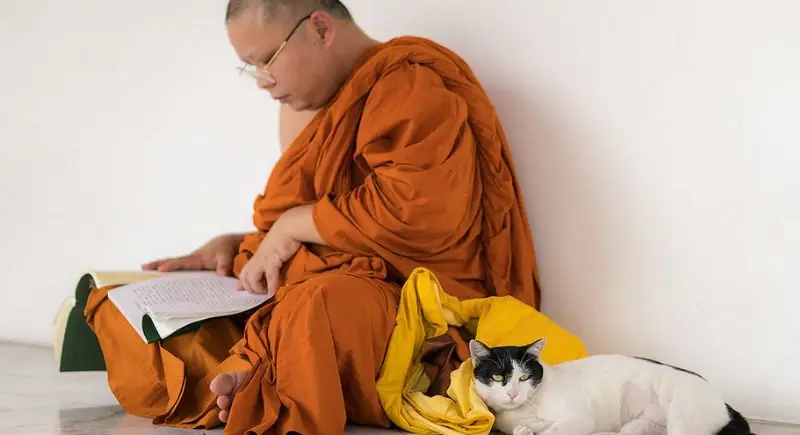
Buddhists along the Silk Road saw cats as protectors—not of people but of sacred scrolls. Monasteries were full of delicate, hand-written texts, and rodents love nothing more than paper. Cats kept the mice at bay and ensured that these precious writings survived.
A Furry Companion in Mongol Camps

Genghis Khan and his Mongol warriors weren’t known for their soft side, but even the toughest warriors needed some rodent control. Cats earned their place in Mongol camps by keeping food supplies safe from vermin.
Silk Road Cats Inspire Art and Literature
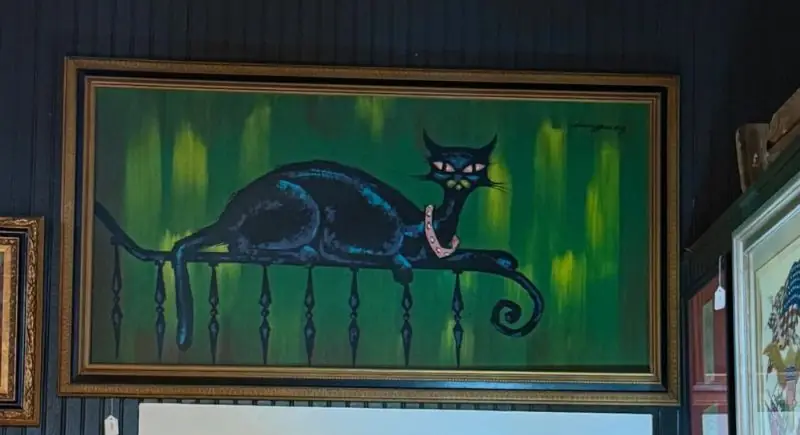
Cats also became muses for artists, poets, and storytellers. Persian poetry and Chinese paintings appreciated their elegant movements. Even in the Islamic world, where art usually avoided depicting living creatures, cats appeared in manuscripts and decorative patterns.
Silk Merchants Kept Cats in Their Shops
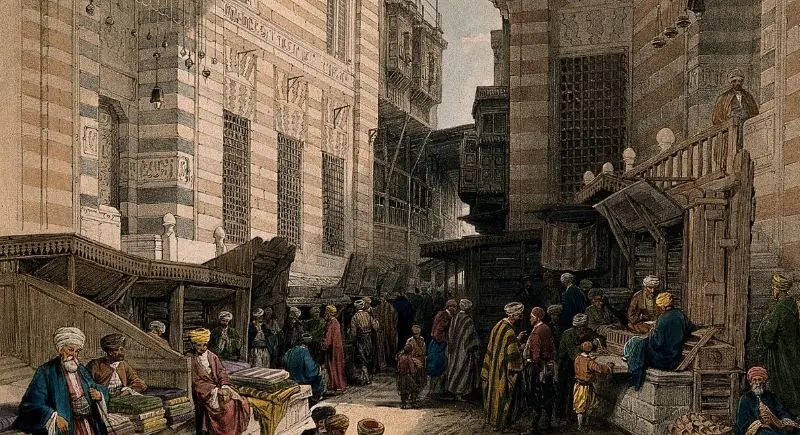
Silk was one of the most valuable goods on the Silk Road, but it had one natural enemy—moths. Silk merchants kept cats in their shops to protect their valuable fabrics by ensuring that mice, moths, and other little destroyers stayed far away. In a way, cats became unofficial guardians of one of history’s most precious industries.
Cats Arrive in Japan Through Buddhist Influence
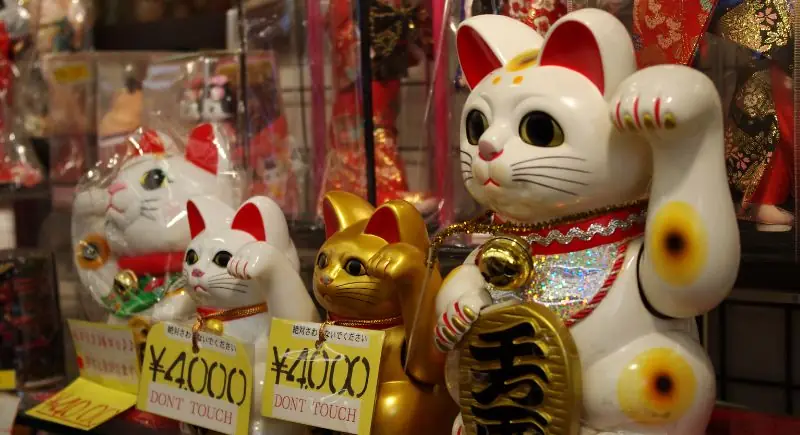
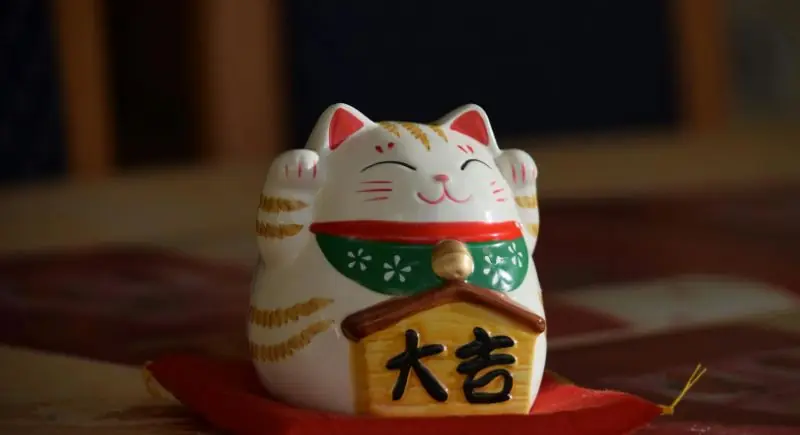
The Japanese nobility quickly fell in love with them, and before long, cats were all over the country. Today’s Japanese maneki-neko, the famous “beckoning cat” statue, is a distant tribute to these early Silk Road travelers who made Japan their home.
From Working Cats to Cherished Pets
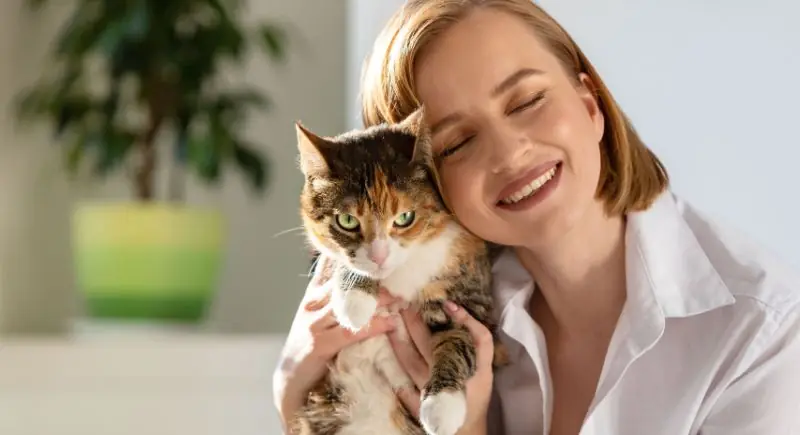
At first, cats were purely practical with a job, but something funny happened along the way: people got attached. They became more than just working animals as they spread along trade routes. By the time they reached the modern era, they had fully transitioned from pest control experts to beloved household members, and they never looked back.
Islamic Tradition and the Prophet’s Cat
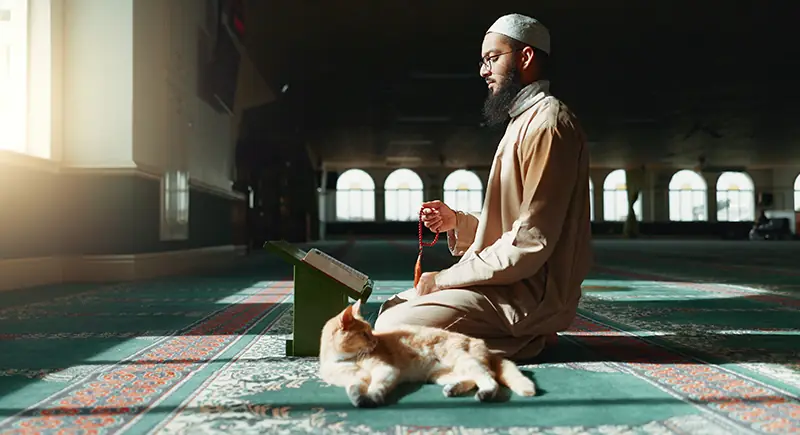
As Islam spread across the Middle East and beyond, cats gained special respect. Stories passed down through Islamic tradition describe a prophet who showed kindness to cats, thereby shaping cultural attitudes. Merchants traveling the Silk Road welcomed cats aboard caravans, seeing them as clean, helpful companions rather than pests.
Ancestors of the Angora and Persian
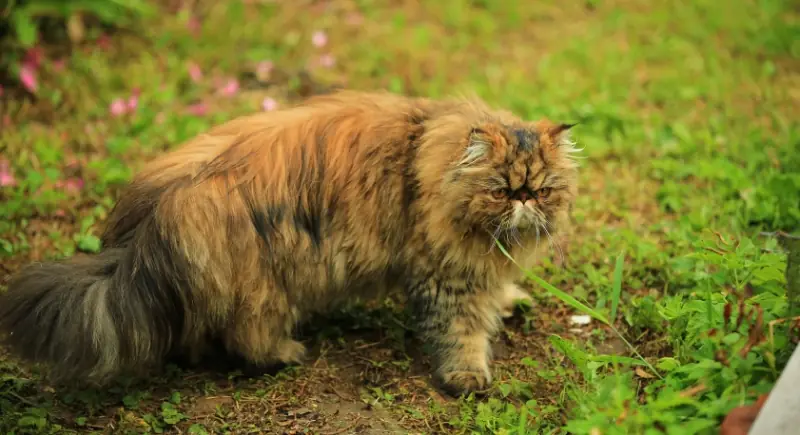
Long before fluffy Angoras and Persians lounged on sofas, their ancestors roamed regions linked by the Silk Road trade. Long-haired cats likely originated in colder areas of Central Asia and Persia. As traders moved goods and animals, these striking cats spread west and east, admired for their looks and mouse-hunting skills.