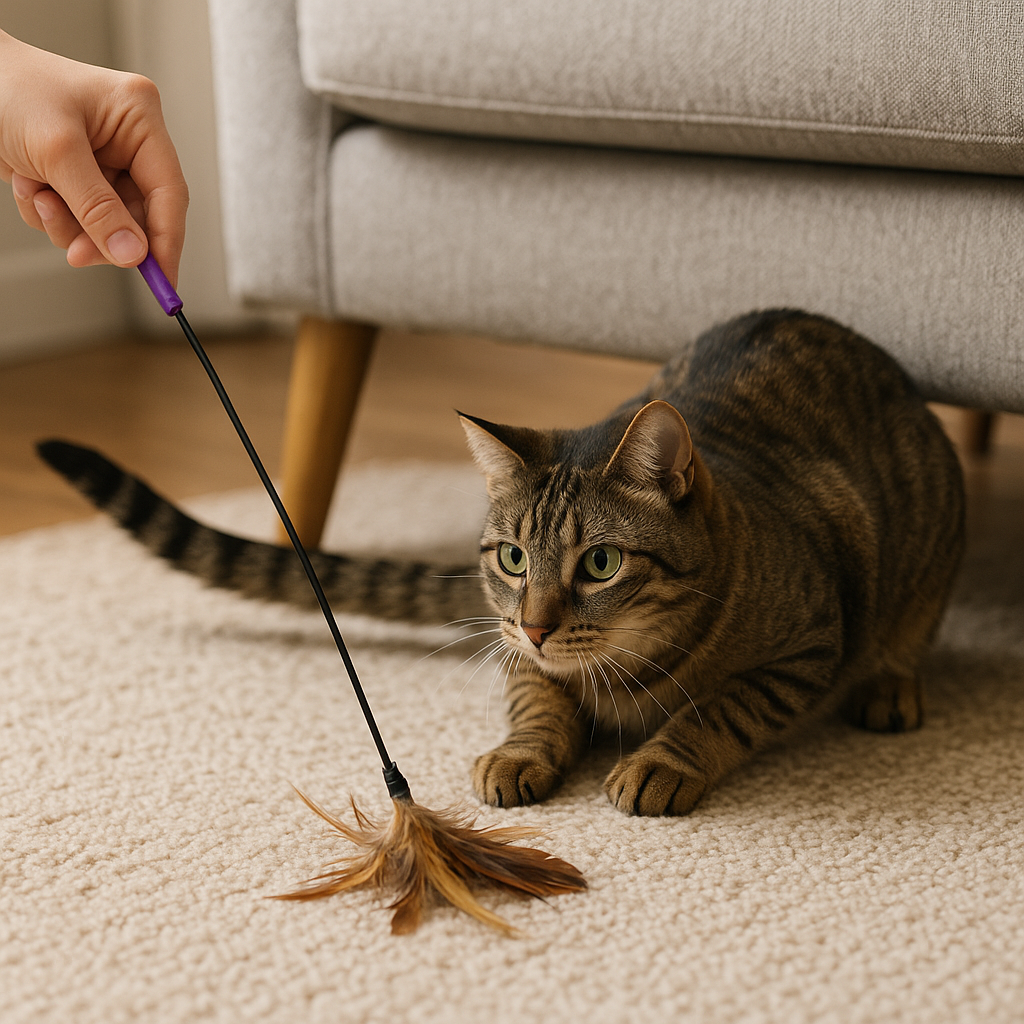
Cats cannot see in complete darkness. They do need some light. What makes them different is how efficiently their eyes use low light, especially at dawn and dusk. A large, dome-shaped cornea gathers more light, and the tapetum lucidum behind the retina reflects unused light back through the eye. That reflection creates the glow you notice in headlights.
Dr. Paul Miller, clinical professor emeritus of veterinary ophthalmology at the University of Wisconsin–Madison School of Veterinary Medicine, explains that this design gives cats a clear advantage after sunset. In bright daylight, humans detect motion 10 to 12 times better. In twilight, that advantage shifts to cats.
Sharp Hunter, Softer Focus
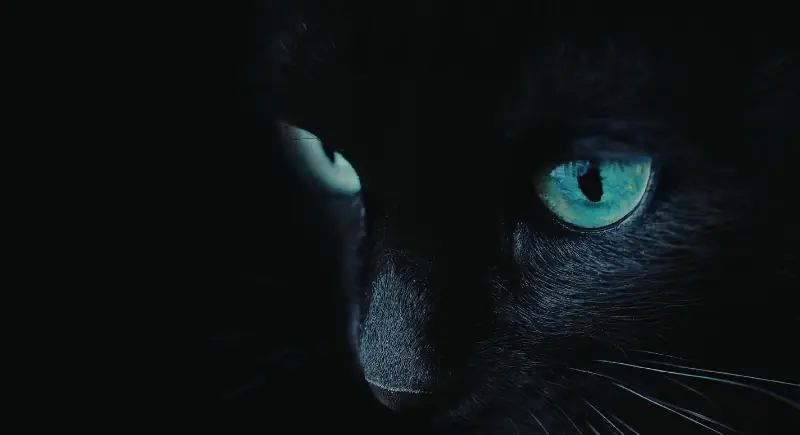
Visual clarity is where cats trade power for practicality. For years, studies placed feline visual acuity between 20:100 and 20:200. A more recent behavioral study cited in the February 9, 2026, PetMD update suggests cats may be closer to 20:30. That means a cat sees clearly at 20 feet what a human sees clearly at 30 feet.
National Geographic reported in 2024 that what cats see at 20 feet, humans can see at 100 feet. Even with updated findings, human vision remains sharper at a distance. Up close, cats also hit a limit. Dr. Miller explains that most cats can focus clearly on objects at least 10 inches away. Anything closer turns blurry. Whiskers, known as vibrissae, help compensate by detecting subtle air movements and nearby obstacles.
A Wider View of the Room

Cats may miss fine detail, but they gain something more useful for their needs. Humans see about 180 degrees across. Cats reach closer to 200 degrees. That wider field lets them catch movement at the edges of a room without turning their heads. For an animal wired to track motion, that awareness matters more than sharp close-up clarity.
Their vertical slit pupils also play an important role. The narrow shape controls how much light enters the eye with precision. It also helps with judging distance, especially during jumps. When a cat measures the space between the floor and a shelf, that pupil shape supports accurate, confident movement.
Color, But On A Budget
When it comes to color, cats work with a simpler palette. Humans have three types of cones in the retina, which create trichromatic vision. Cats have two types, so their vision is dichromatic. Dr. Miller explains that they mainly distinguish blues and yellows.
Reds and greens appear duller and often blend into grayish shades. That limitation does not put them at a disadvantage in daily life. Their vision evolved for low-light hunting, where movement matters more than color. A toy that moves will grab attention faster than one that only looks bright.
Movement Is The Main Event

In a cat’s eye, rods do most of the work. These cells detect light and motion, especially in low light. Cones, which handle color and fine detail, are fewer. That balance shapes how cats experience the world. They are built to notice movement first, not sharp detail.
You can see this at home. A still object may sit untouched, yet the slightest twitch brings an instant reaction. National Geographic has noted that cats respond more strongly to motion than to intricate detail. That focus keeps their hunting instincts sharp, even if their overall view looks softer than ours.
Eyes That Age And Need Care
Most cats are born with vision that focuses properly on the retina. Some are slightly near- or farsighted, and as they age, they can become more farsighted. Warning signs such as cloudiness, discharge, swelling, squinting, unequal pupils, or bumping into furniture mean it is time for a veterinary visit.
Vets check vision by watching how a cat tracks movement, testing blink reflexes, shining a light to see how the retina responds, and measuring eye pressure. Good nutrition, including vitamin A and taurine, supports eye health, and regular exams catch problems early.
Cats experience a world built on shadow, motion, and contrast. The image may lack sharp detail and strong reds, yet it works perfectly for a hunter active at dawn and dusk. Knowing this helps you choose better toys, set up safer spaces, and understand that steady stare from across the room.