Independent cats often get labeled as distant, but that misses the point. These breeds are comfortable doing their own thing and do not need constant attention to feel secure. Veterinarians say they still form strong bonds, just without trailing you from room to room. They handle alone time well, enjoy routine, and stay occupied without much effort from you.
If your schedule does not leave room for nonstop interaction, these cats can be a practical match. Their personalities differ, yet each is confident spending time on their own.
Abyssinian
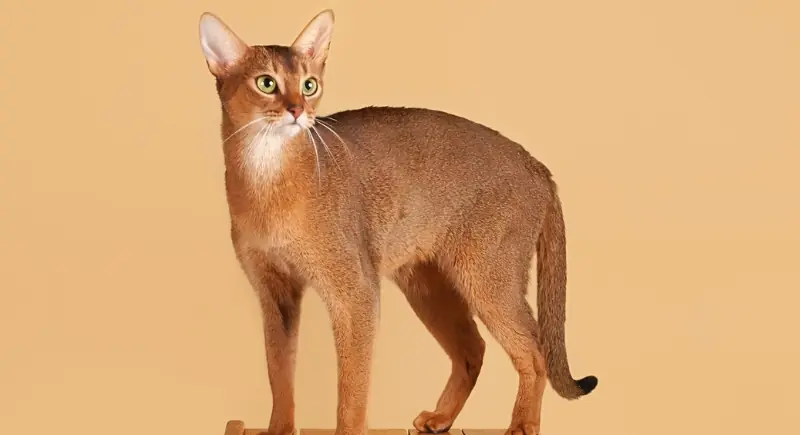
The Abyssinian likes to stay busy. This breed looks for places to climb, jump, and explore instead of settling in one spot for hours. Its curiosity keeps it moving, whether that means investigating a new shelf or watching activity from a high perch. With that steady energy and confidence, an Abyssinian can entertain itself and does not depend on constant attention to feel content.
Persian
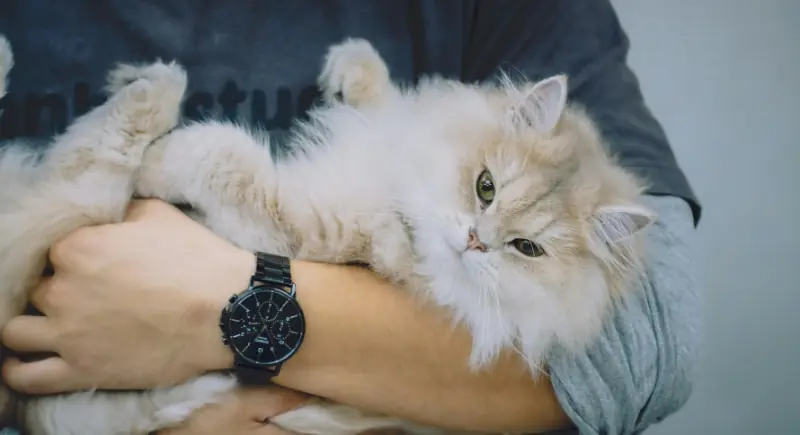
Simple habits and a love for peaceful surroundings define this long-haired breed. It doesn’t seek out noise or busy activity and prefers calm surroundings where it can relax undisturbed. People often notice how rarely it demands attention, and how easily it settles into daily routines. A soft surface and an undisturbed home keep a Persian happy.
British Shorthair
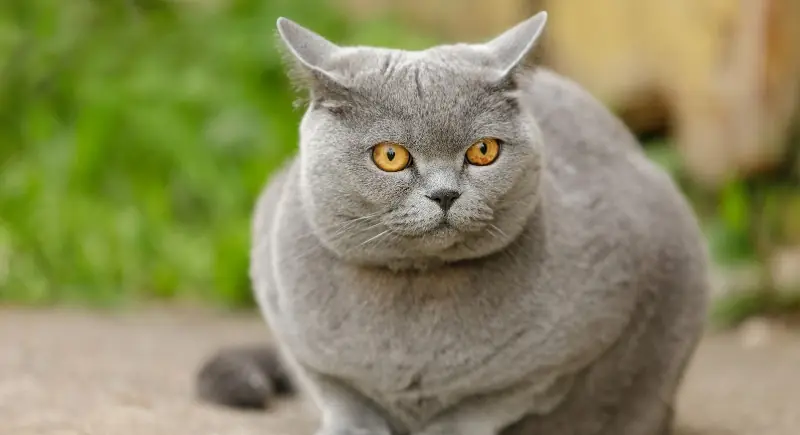
The British Shorthair originated in the United Kingdom and developed as a stable, resilient breed with calm instincts. With a preference for distance over cuddles, it tends to stay nearby without becoming intrusive. It won’t meow for attention or demand playtime, and its independence shows in how it maintains coolness no matter who’s home or what’s happening.
Bengal
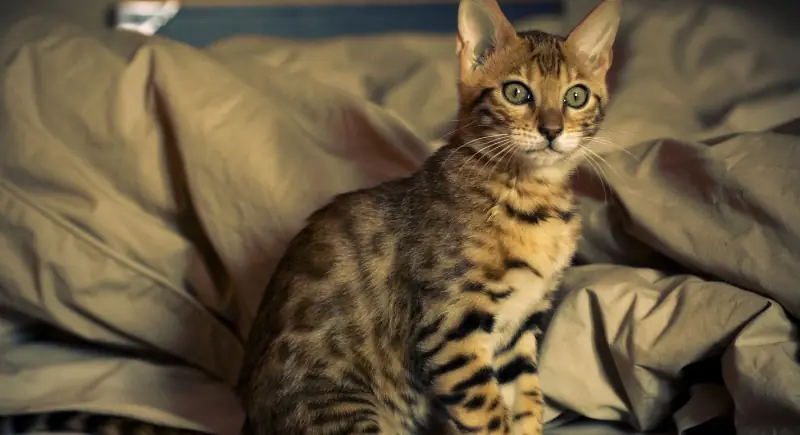
If you want a cat that stays busy without frequent involvement, the Bengal needs the right environment to thrive. Keep it happy with vertical climbing spaces, interactive toys, and plenty of room to explore. It loves movement and stays entertained by investigating every corner of the home. Cabinets, shelves, and windowsills are some of its favorite spots.
Russian Blue
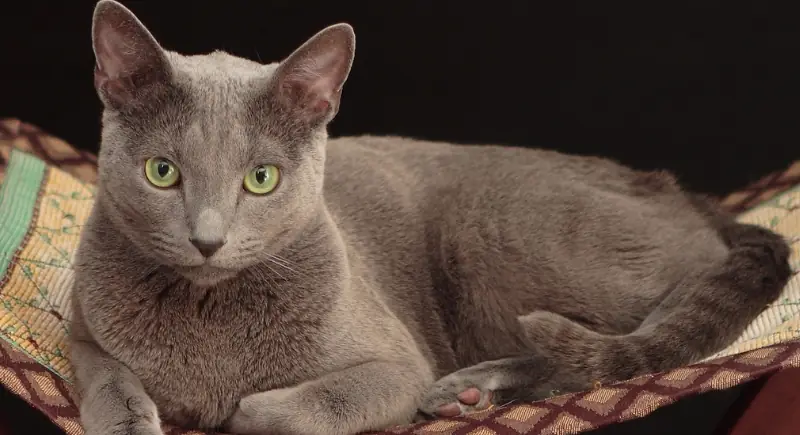
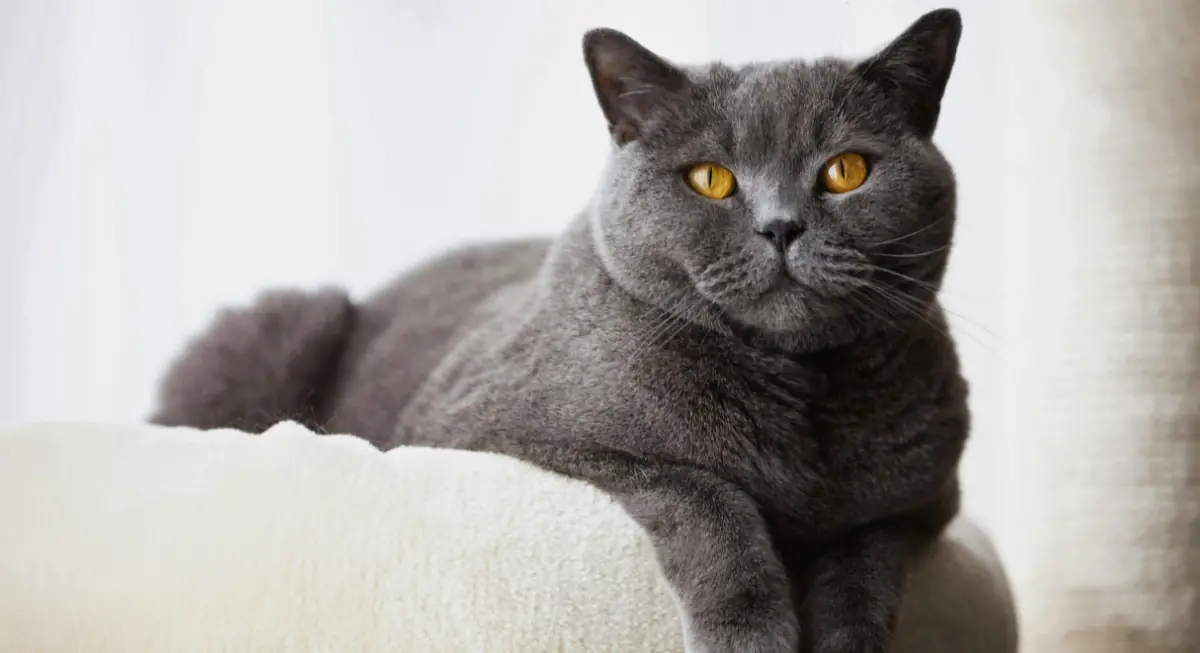
In a new home, the Russian Blue usually takes a step back and watches before getting comfortable. Originally from Russia and known for its dense silvery-blue coat, this breed carries itself with calm reserve. It bonds closely with its people but steers clear of loud or chaotic settings. With a strong preference for routine, the Russian Blue handles long stretches alone without stress.
Turkish Angora
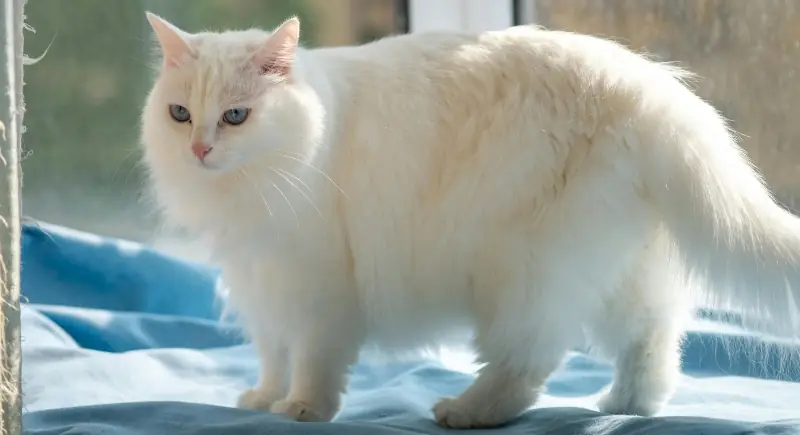
An active thinker, the Turkish Angora is known for inventing its own entertainment. If it finds an open drawer or shelf, it will likely turn it into a playground. Owners don’t need to keep it regularly engaged because it takes care of that on its own. However, it is helpful to provide rotating toys or climbing towers to help focus its energy.
Norwegian Forest Cat
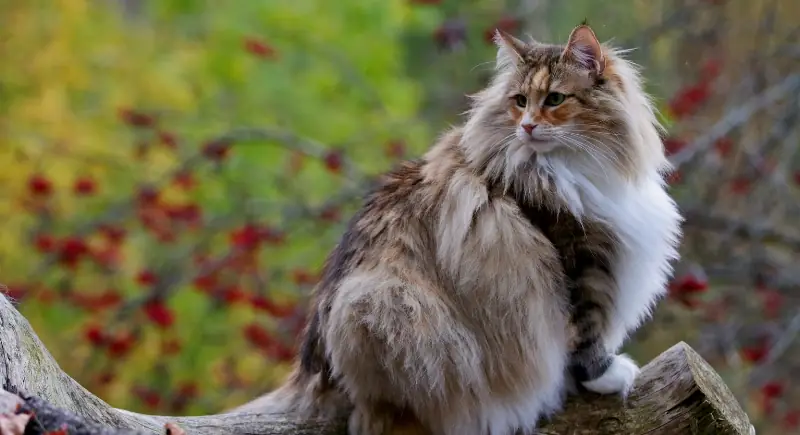
The Norwegian Forest Cat developed over centuries in rugged climates, which helps explain its steady and self-reliant nature. Its thick double coat requires regular grooming, but beyond that, it manages its space with little fuss. This breed seeks attention on its own terms and does not demand constant interaction. It remains perfectly content resting alone while the household moves around it.
Egyptian Mau
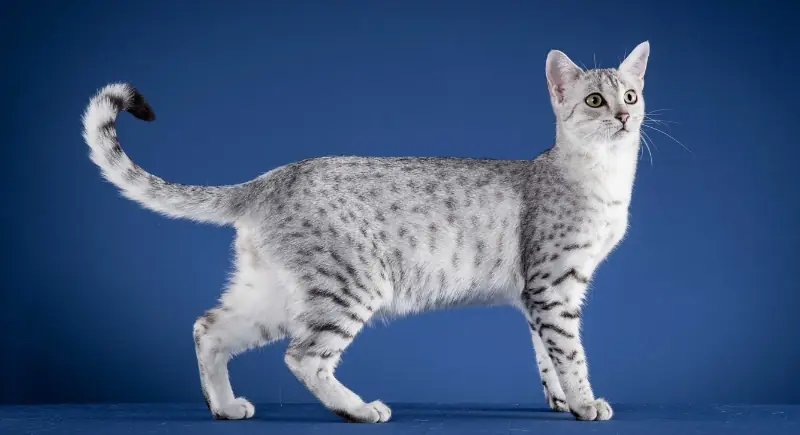
Some cats are naturally good at entertaining themselves, and the Egyptian Mau is one of them. Known for its agility and alertness, this breed enjoys solo exploration and isn’t clingy with its humans. While affectionate in its own way, the Mau is perfectly content spending stretches of time alone observing or hunting imaginary prey.
American Shorthair
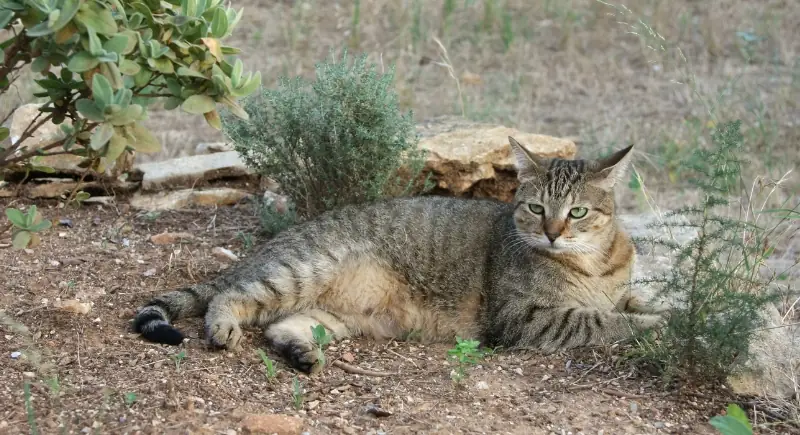
Descended from working cats, the American Shorthair doesn’t wait around for company and has no trouble finding ways to stay busy. A window seat or scratching post provides hours of engagement. Affection is welcome, but not expected. Owners also typically find it calm and content occupying space without asking for anything.
Scottish Fold
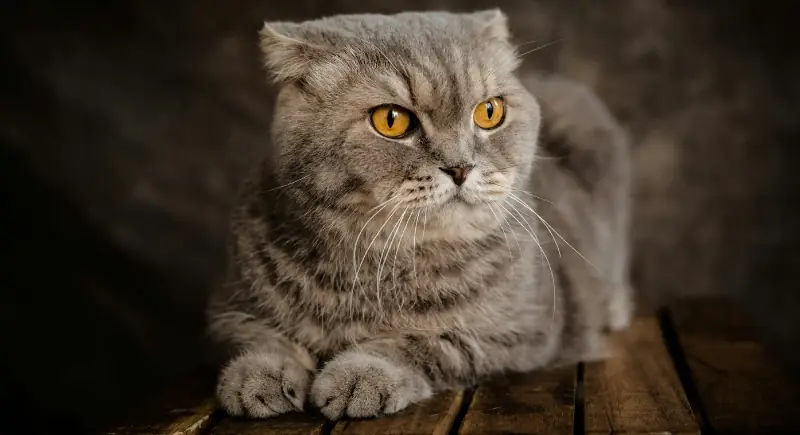
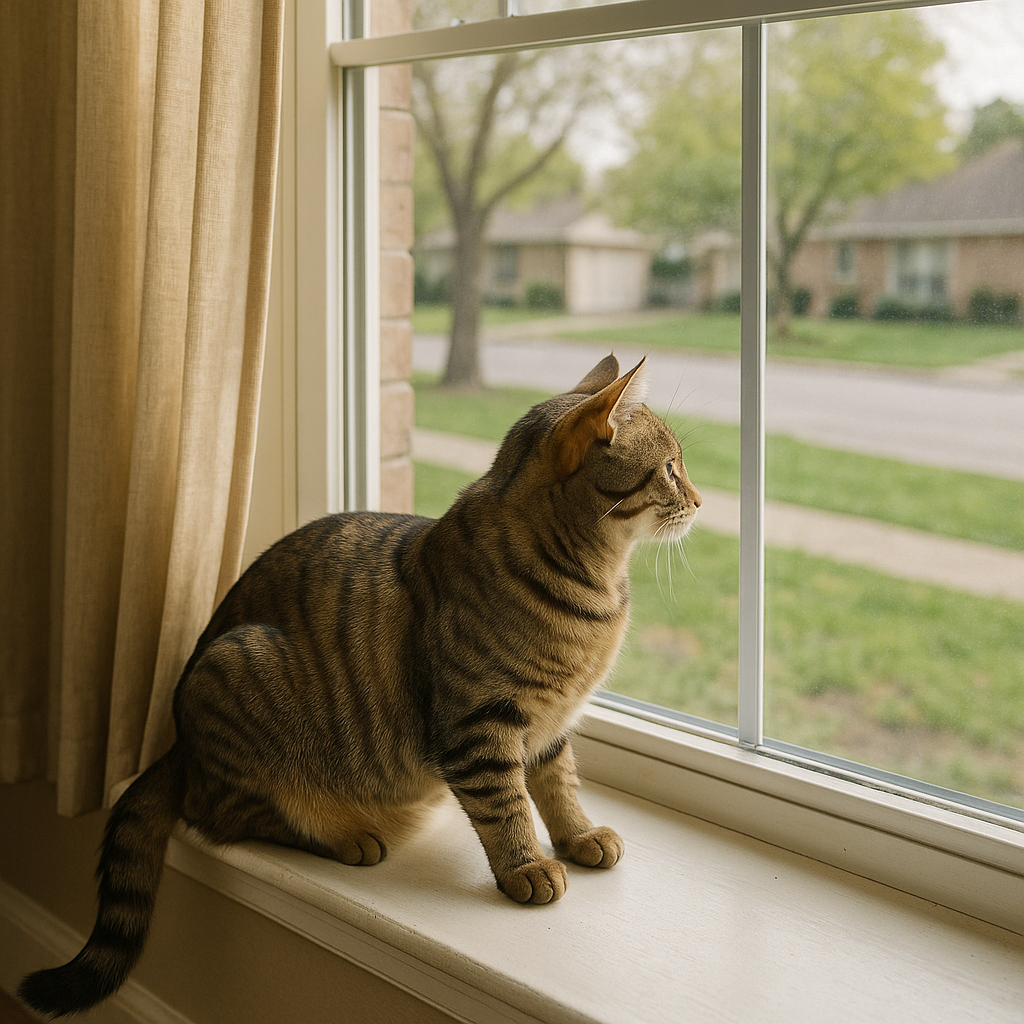
Birdwatching by a window can hold this cat’s attention for hours. The Scottish Fold stays content with basic activities and mostly does not demand anything. With a steady gaze and soft demeanor, it prefers to stay near without getting involved in everything. It often settles in close by while people work or relax and only joins in when the timing feels right.