Flying isn’t just stressful for humans, it can seriously rattle your cat, too. But with the proper prep and a little patience, air travel can be much smoother for both of you. Here are smart ways to keep your cat as comfortable as possible before, during, and after a flight.
Book the Flight Around Your Cat’s Needs
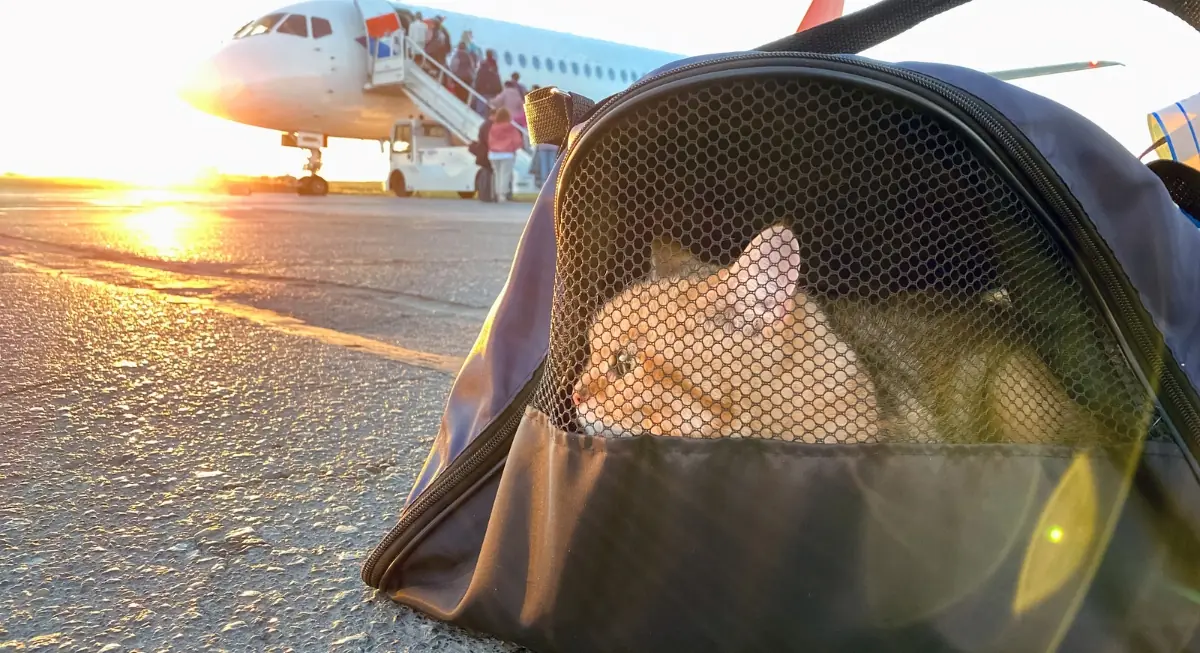
Airlines cap the number of in-cabin pets per flight, so book early and directly. Policies vary by carrier, especially around breed restrictions and carrier sizes. A quick call ensures you’re following the rules and guarantees your cat a spot.
Visit the Vet Before You Travel
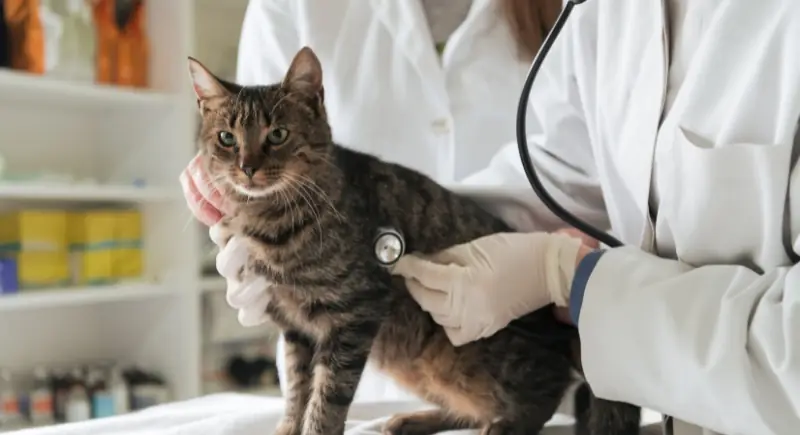
Even if your cat seems healthy, a pre-flight checkup is a smart move. Vets identify hidden conditions that might worsen during air travel. It’s also a chance to discuss anxiety solutions, like prescription meds or calming sprays, and collect any required documentation for your destination.
Pick a Carrier That Actually Fits
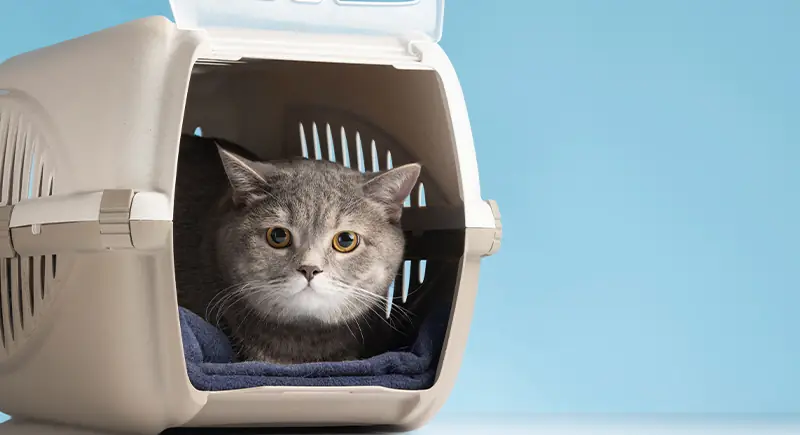
An airline-approved label doesn’t always mean it meets your specific flight’s size rules. Check your airline’s site for in-cabin pet carrier dimensions; regional jets can differ from mainline flights. Bonus points if your pick includes breathable mesh and soft padding for a more comfortable ride.
Start Carrier Training Early
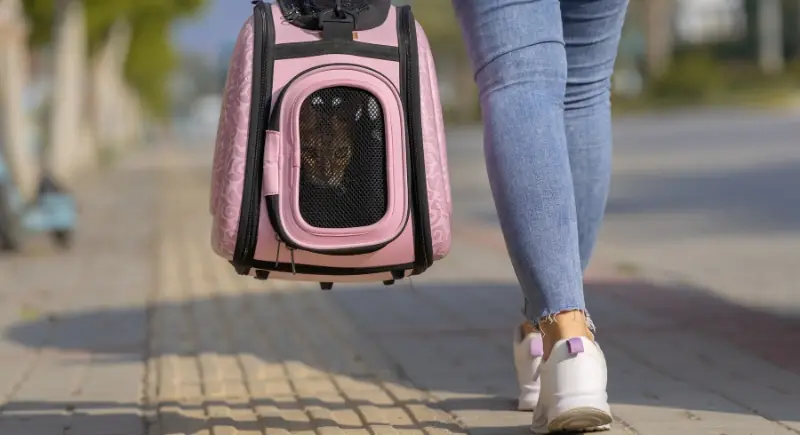
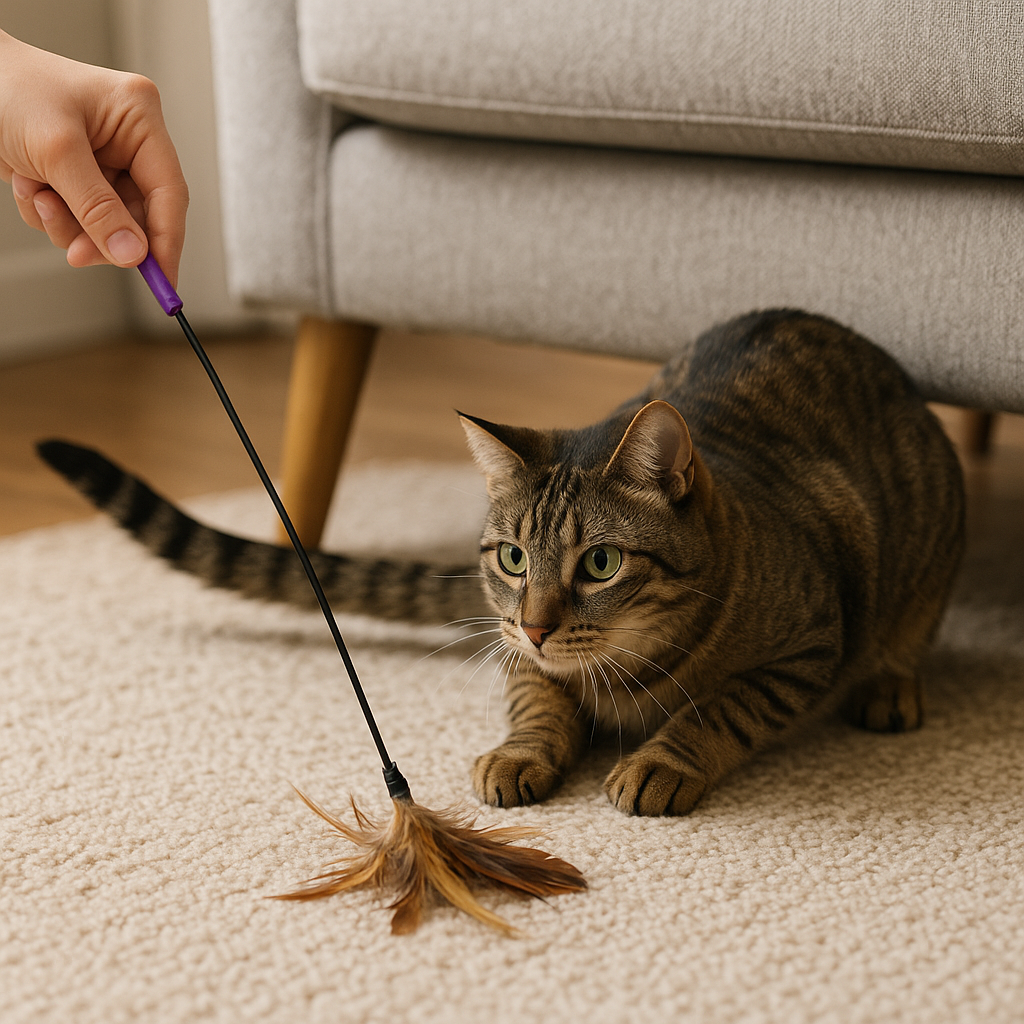
If your cat only sees the carrier before a vet visit, it’s no wonder they hate it. Leave the carrier out at home so it becomes familiar. Toss in treats, toys, or a cozy blanket. Eventually, close the door for short periods to get them used to being inside.
Harness Up for Safety
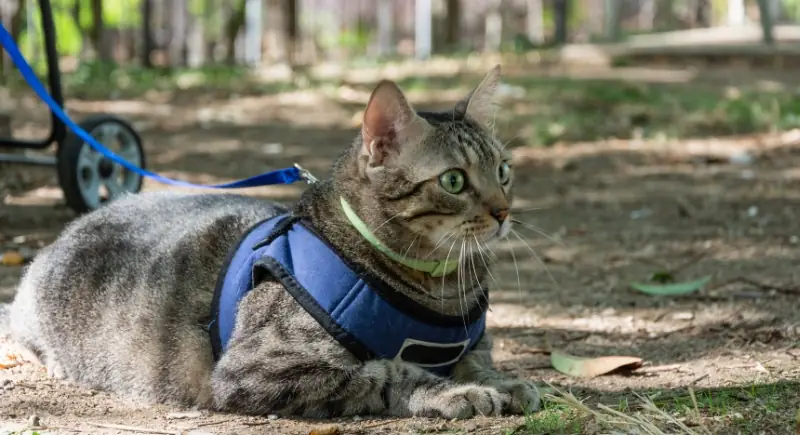
A secure, well-fitted harness is essential, especially during security screenings when you must carry your cat through. Introduce the harness at home with short training sessions and rewards so your cat won’t panic the first time it goes on.
Give Travel a Trial Run
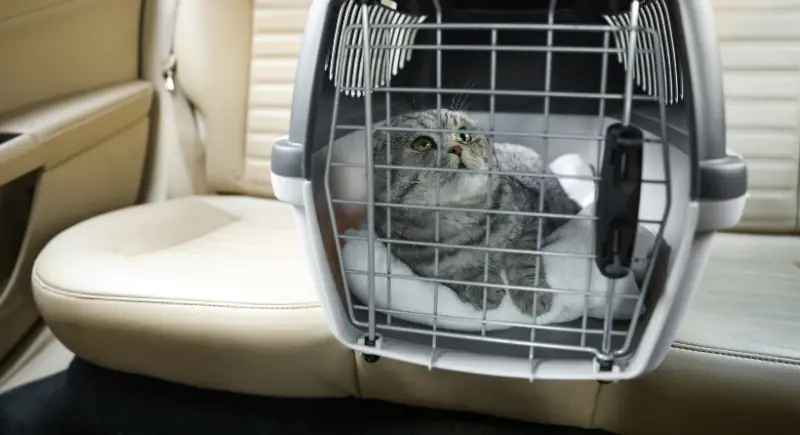
Start with short car rides to build tolerance for motion and unfamiliar settings. Then, level up to longer trips or visits to new places like pet stores or a friend’s house. These practice runs help desensitize your cat to the noise, smells, and movement it will experience on travel day.
Microchip and Tag Everything
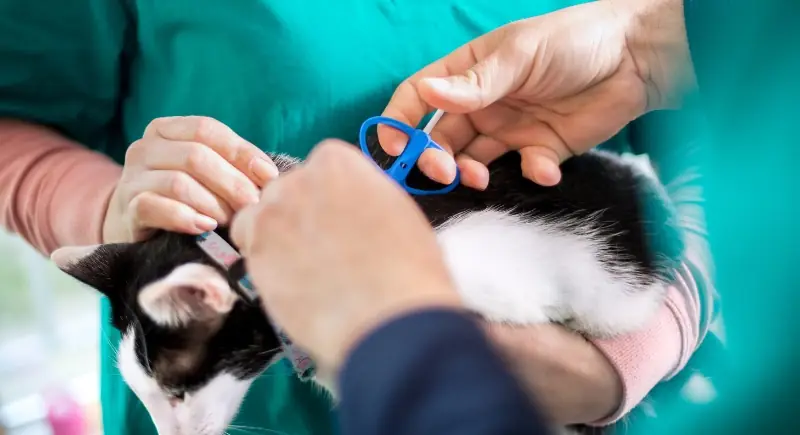
Even if your cat stays in the carrier the whole time, it’s still wise to double-check their ID tags, microchip registration, and GPS tracker; if you use one. Should your cat somehow bolt in a busy terminal, proper identification gives you the best shot at a fast reunion.
Adjust Feeding Ahead of Time
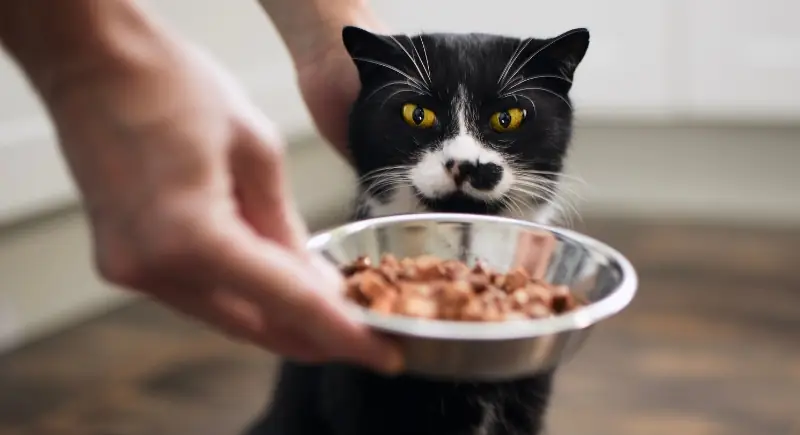
Begin gradually shifting your cat’s feeding schedule about a week before flying to match travel-day timing. A lighter stomach can help reduce nausea and make flying easier on the system. Most cats don’t eat much during flights anyway, so don’t be surprised if they wait until landing to chow down.
Skip Breakfast on Travel Day
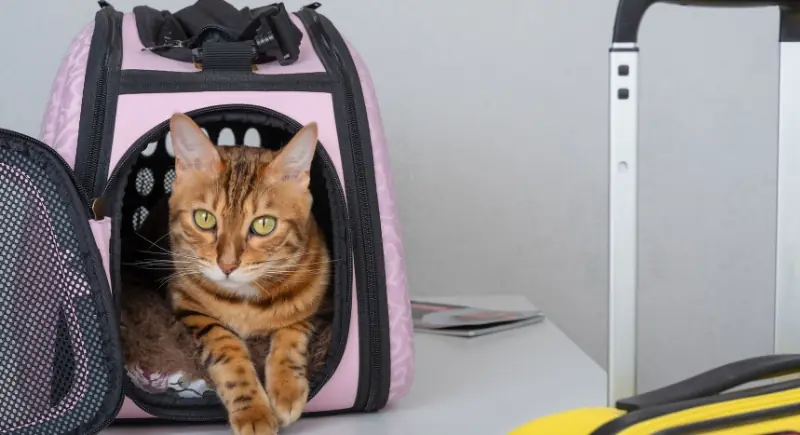
An empty stomach is your friend here. Feeding your cat within six hours of takeoff can increase the risk of vomiting. Instead, offer small snacks after security if there’s a delay. Pack a water bottle to refill and hydrate your cat throughout the day to avoid dehydration.
Pack Familiar Comfort Items
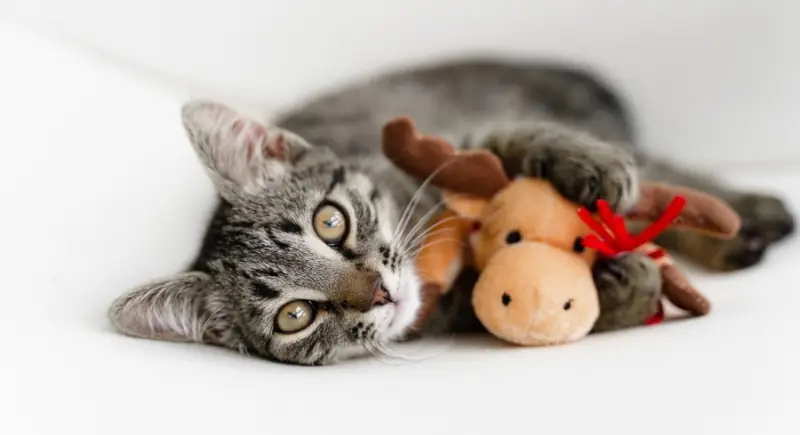
A soft blanket that smells like home, a favorite toy, or even a worn T-shirt can make a big difference. These familiar scents help reduce anxiety. Line the carrier with potty pads, stash gloves, wipes, and a bit of litter in case nature calls mid-flight.
Try Calming Sprays or Supplements

Some pet owners find sprays like Feliway or natural calming supplements help take the edge off. These aren’t guaranteed fixes, though, and results vary. It’s worth discussing options with your vet before giving anything new, especially if your cat has health issues.
Consider Vet-Prescribed Meds When Necessary
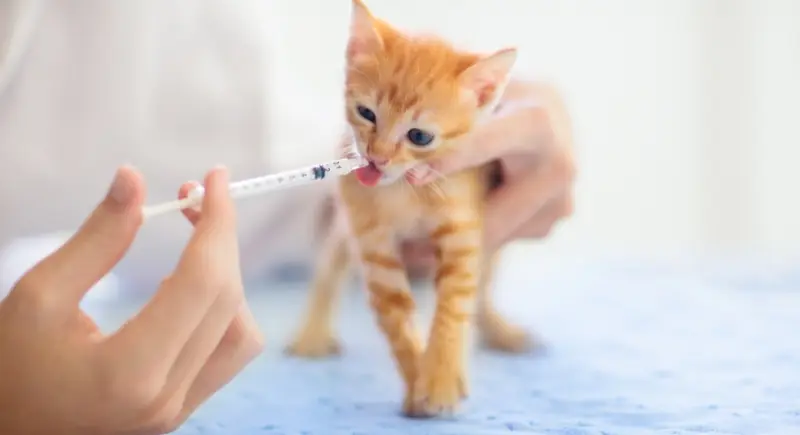
Your vet may suggest medication for cats with a strong fear response or a history of motion sickness. Gabapentin is sometimes used for sedation, while Cerenia can reduce nausea. These aren’t casual decisions; you’ll want to know exactly how your cat reacts ahead of time.
Arrive at the Airport Early
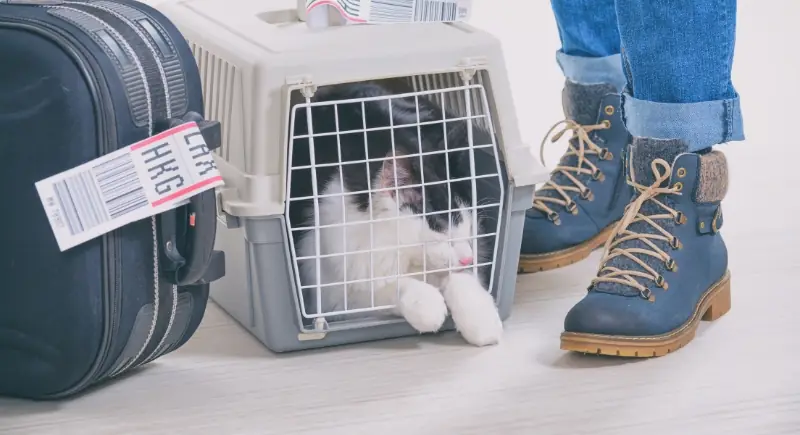
You’ll need more time than usual to get through security with a cat. The TSA requires pets to be taken out of their carriers, which adds a few steps. Plan to arrive at least 30 minutes earlier than the typical two-hour window.
Use a Stable Way to Move Through the Terminal
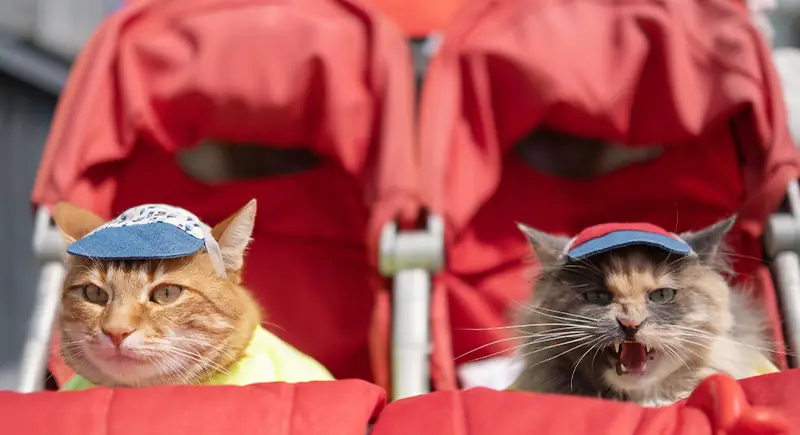
Instead of carrying the carrier by hand, place it on top of a rolling suitcase or use a small pet stroller if you have one. This keeps the ride smoother and more predictable, especially on long walks to your gate. Swaying and jostling can make some cats anxious.
Don’t Unzip the Carrier Mid-Flight
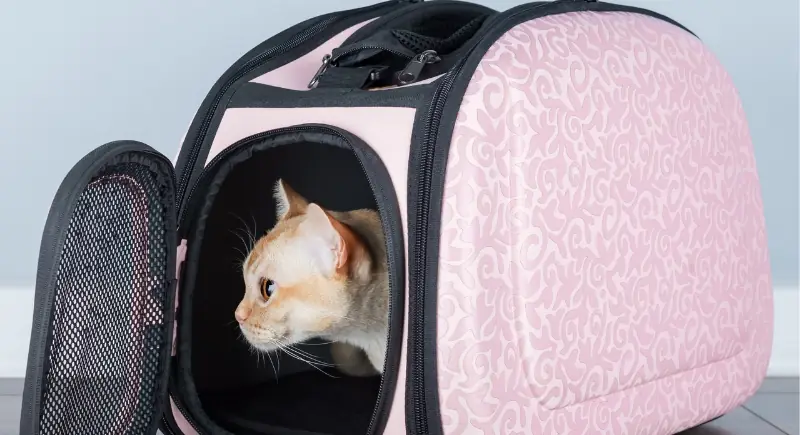
Even if your cat seems calm, opening the carrier in the cabin is risky. They might get startled by a noise, bolt down the aisle, or become difficult to contain. It’s safest to leave the carrier closed for the entire flight.
Line the Cat Carrier with Absorbent Puppy Pads
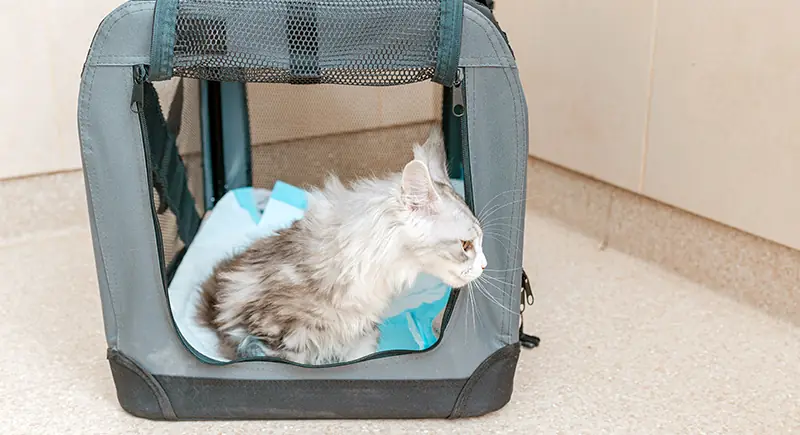
Accidents happen, especially when a cat is stressed or stuck in a carrier longer than usual. Lining the base with absorbent puppy pads gives you a quick backup plan without needing a full cleanup mid-flight. It keeps your cat dry and prevents odors from building up during travel.
Use a Breathable Privacy Cover
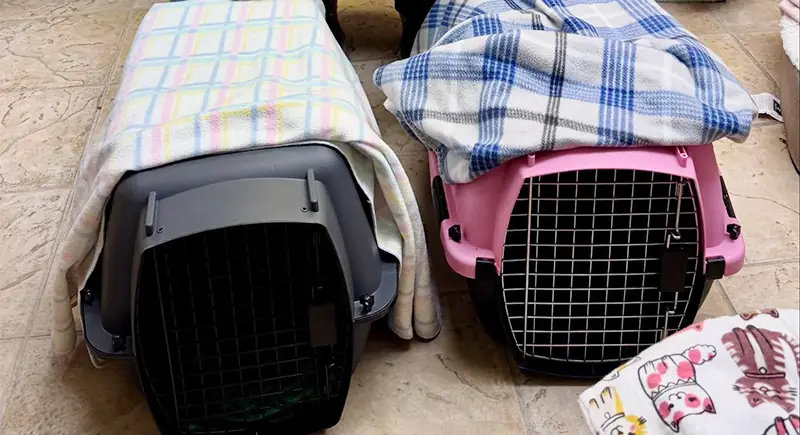
Too much movement and noise can overwhelm a cat during a flight. Draping a lightweight, breathable cover over the carrier can help block out visual stress without trapping heat. It creates a quieter, more secure space, making it easier for your cat to settle in rather than react to every passing distraction.