Your cat’s litter box should be the least of your worries—until they start avoiding it or turning your carpet into their personal restroom. We’ve all been through this experience at some point. The truth is, most litter box problems come down to simple mistakes that are easy to fix—once you know what they are.
So before your little kitty makes a bigger mess, let’s learn about these common litter box mistakes that could be stressing your cat (and you!).
Using the Wrong Type of Litter
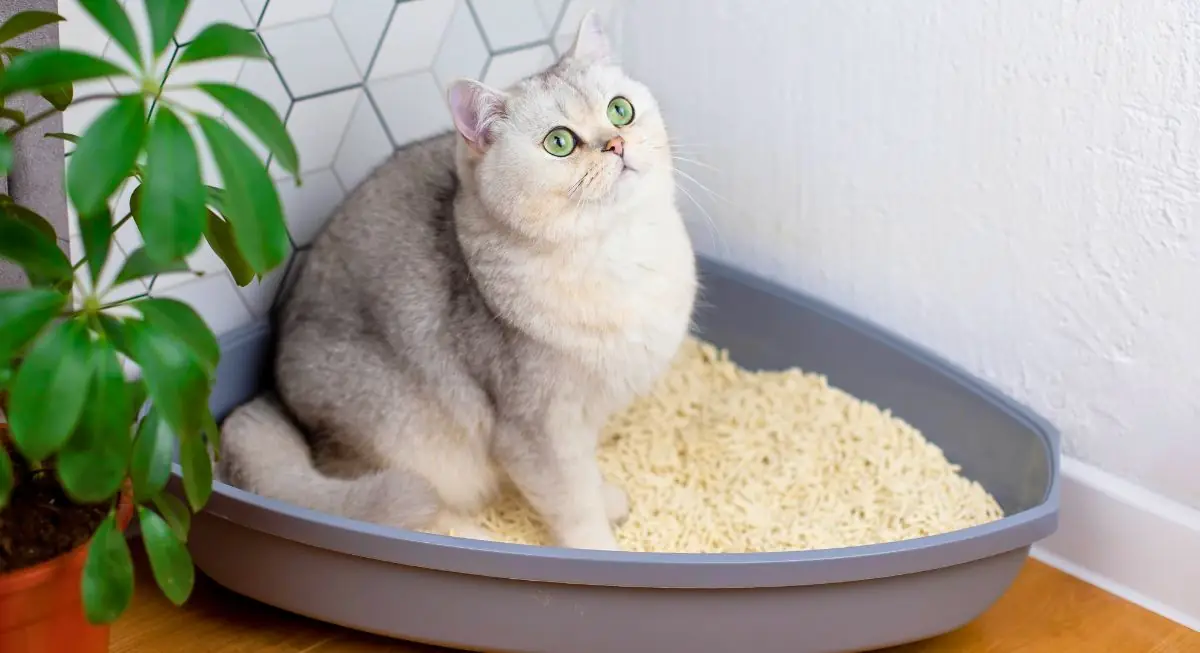
Some cats are picky about food. Others can be more finicky about their litter. A heavily scented litter might smell nice to you, but it can be an overpowering chemical mess to a cat. In fact, cats prefer unscented and clumping options with a fine texture. Try switching it up if your cat avoids the box.
Placing the Litter Box in the Worst Spot
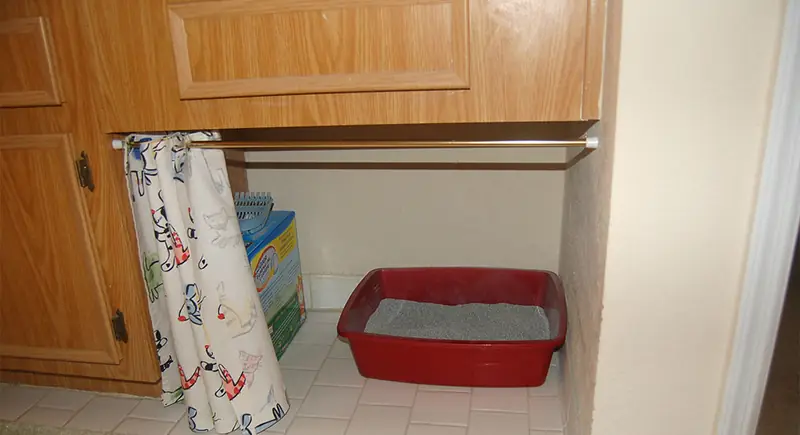
Would you enjoy using a bathroom next to a loud washing machine or in the middle of a busy hallway? Probably not. Cats don’t want to be isolated but want privacy while using the litter box. Avoid high-traffic areas or placing the box next to their food. An accessible space that’s not too loud works best.
Not Having Enough Litter Boxes
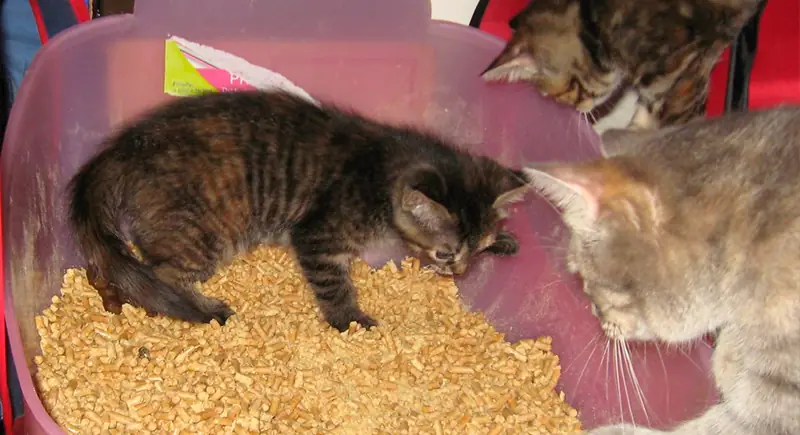
In multi-cat households, sharing isn’t always caring. The rule is to have one box per cat plus one extra. This prevents territorial disputes and reduces accidents. Even for a single cat, having two boxes in different locations gives them options and prevents stress.
Skimping on Scooping
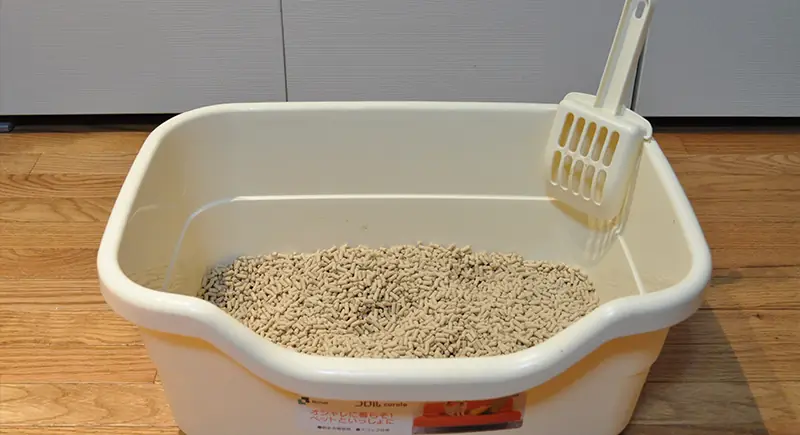
Do you think you can get away with scooping every few days? Your cat disagrees. A dirty box is like a public restroom that hasn’t been cleaned in a week. Most cats prefer a clean box and will avoid it if it’s too dirty. Scoop daily and change the litter regularly.
Picking the Wrong Litter Box Size
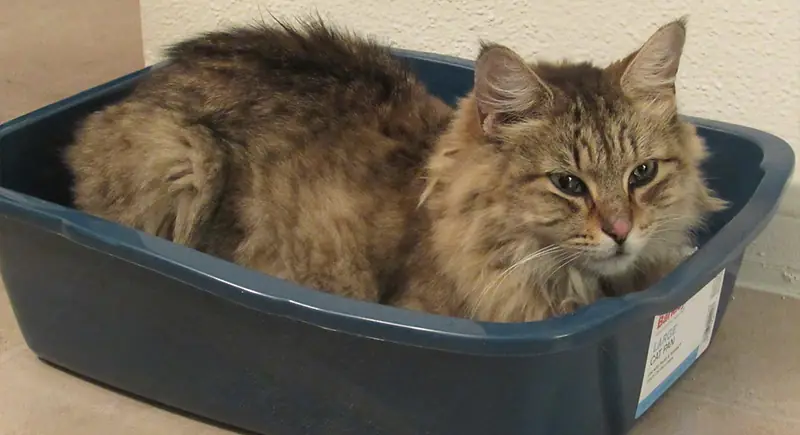
The litter box is too small if your cat can barely turn around in it. The ideal box should be 1.5 times the length of your cat. A box that’s too small can lead to uncomfortable bathroom trips and more mess outside the box.
Ignoring Sudden Litter Box Avoidance
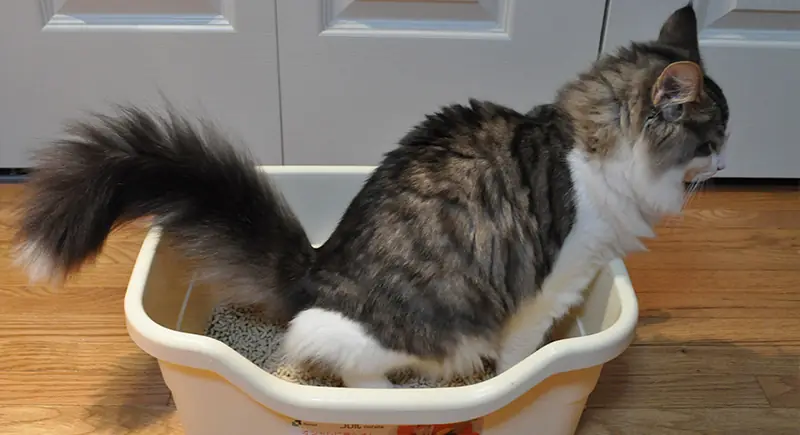
A cat that suddenly stops using the litter box isn’t being rebellious—it’s sending a message. Medical issues like urinary tract infections, kidney disease, or arthritis can make trips painful. See a vet right away if your cat is yowling or urinating outside the box.
Using a Covered Litter Box
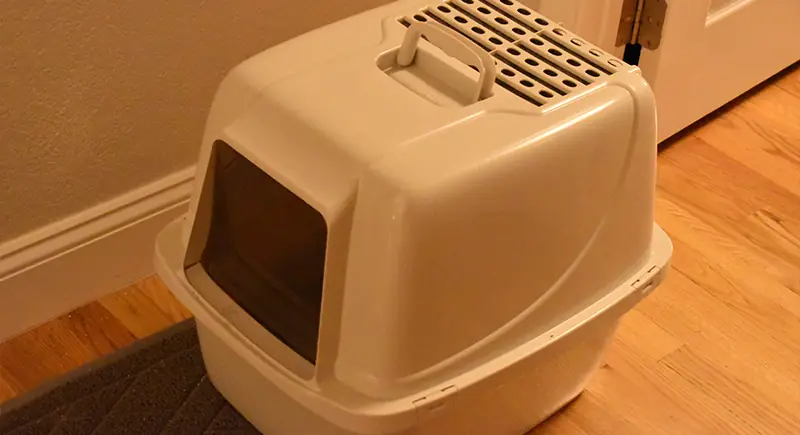
Covered litter boxes might look neat in the house, but many cats hate them. They trap odors, reduce visibility, and can make some cats feel trapped and vulnerable. Cats that do not have a problem with closed spaces may not mind them, but others would.
Switching Litters Too Abruptly
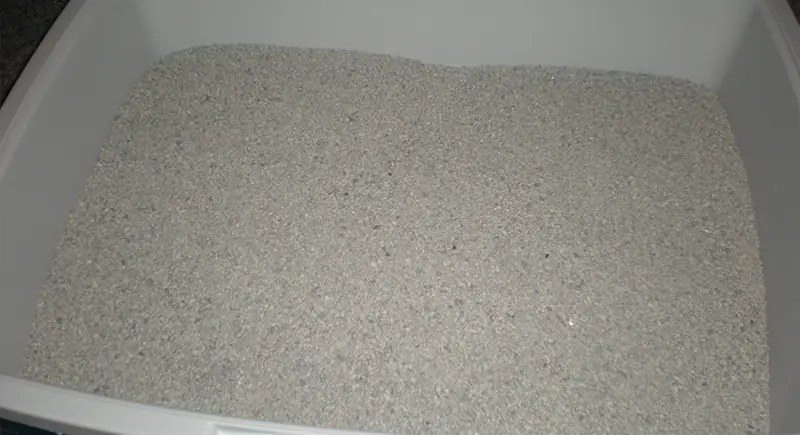
Cats hate sudden change. If you’re switching brands, mix the new one with the old one gradually over a week. This prevents rejection and stress. A cat who dislikes the texture or smell of new litter may find another spot—like your bed—to do its business instead.
Adding Too Much or Too Little Litter

More isn’t always better. Too much litter makes it hard for cats to balance, while too little doesn’t let them bury waste properly. The sweet spot is 2-3 inches of litter. This gives enough coverage for odor control while keeping the box comfortable and easy to use.
Not Changing the Litter Often Enough
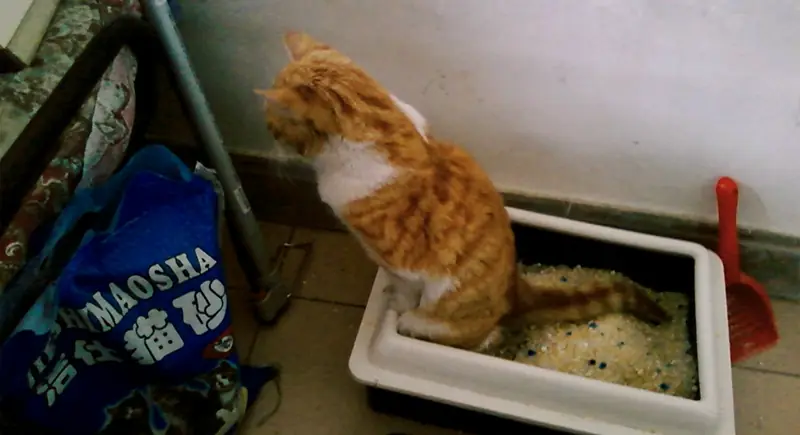
Old litter still holds bacteria and odors even if you scoop daily. Over time, ammonia builds up and creates a strong smell that can deter cats. Replace the litter completely every two to three weeks and wash the box with mild soap and water to keep things fresh.
Ignoring Litter Box Bullying
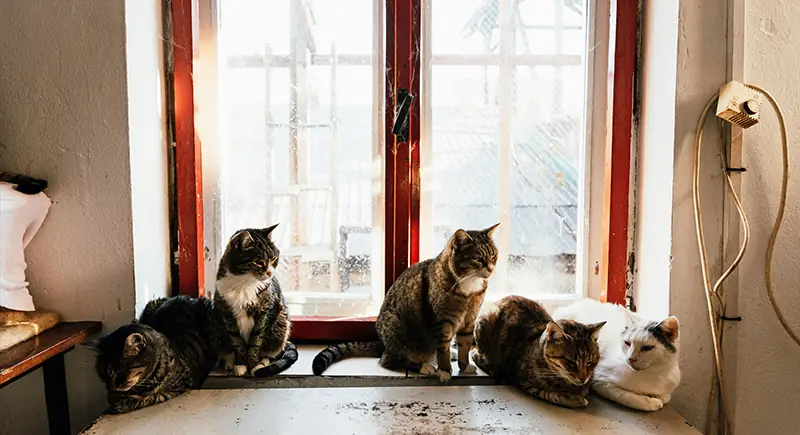
If you have multiple cats, watch for litter box bullying. Some cats guard the box and prevent others from using it. If a cat avoids the box, it may feel unsafe. The solution is to place multiple boxes in different areas so no cat can control access to all of them.
Using Harsh Cleaning Products

Bleach, ammonia, and strong-smelling cleaners can make the litter box unappealing. Overpowering chemical smells might drive cats away. Stick to mild soap and water or pet-safe cleaners to keep the box fresh without scaring your cat off.
Placing the Litter Box on Slippery
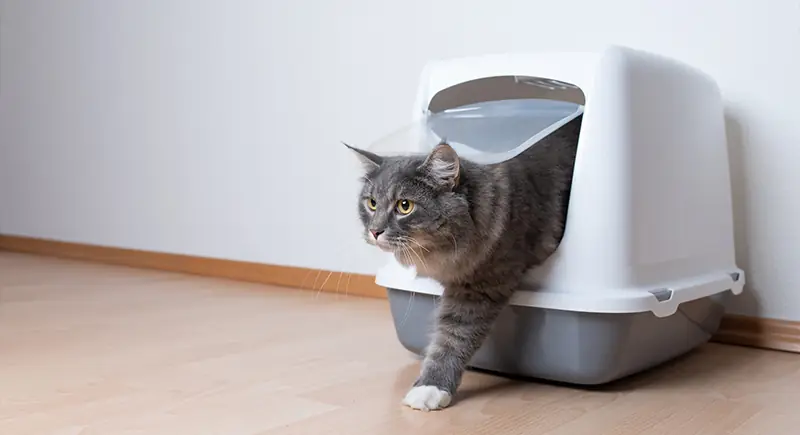
A box that slides across the floor can be unsettling for cats. Make sure to check the surface if your cat hesitates before stepping in. A non-slip mat under the box can create stability and encourage the cat to use the litter.
Assuming Your Cat Will “Just Figure It Out”
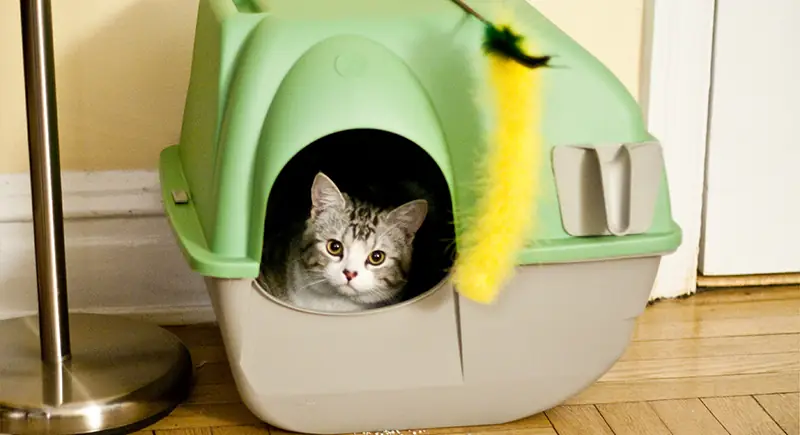
Kittens and new cats don’t automatically know where the litter box is. When bringing home a new cat, show them the box right away. Place them in it after meals or naps. If needed, gently move their paws through the litter to encourage digging. Good habits start early!
Keeping the Litter Box Too Close to Food and Water
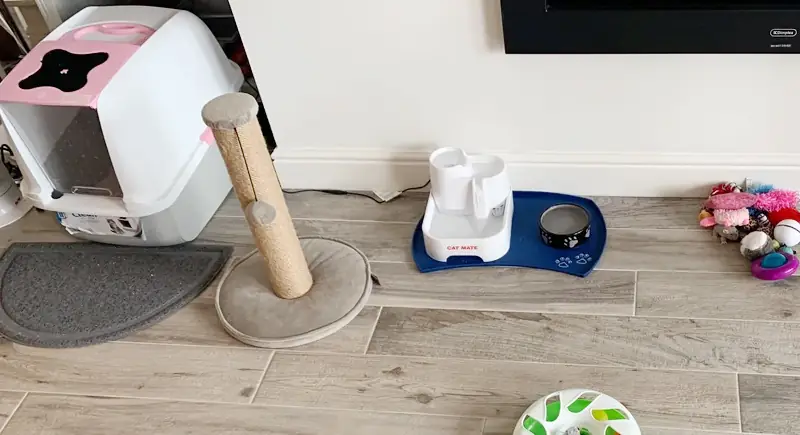
Cats instinctively avoid eliminating near where they eat or drink, so placing the litter box beside food bowls or a water fountain can create stress and lead to accidents. Separate these spaces to make your cat feel more comfortable and keep mealtime pleasant rather than anxiety-inducing.
Expecting Senior Cats to Climb Into High-Sided Boxes
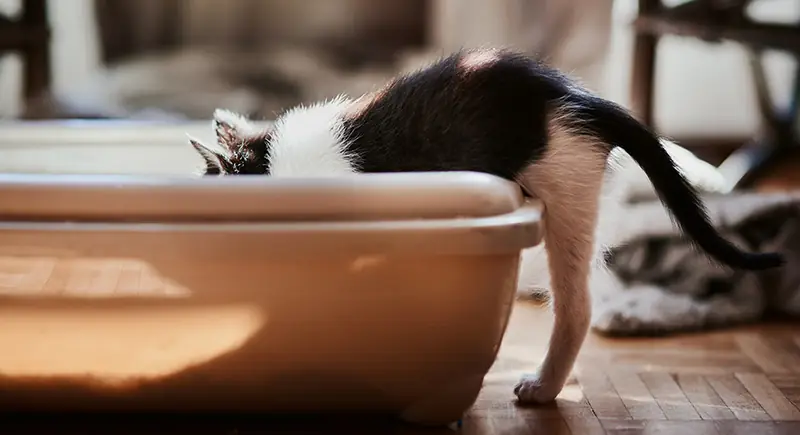
A box with tall sides might contain litter better, but older cats can struggle to step over high edges due to arthritis or reduced mobility. A lower entry makes it easier for them to use the box without discomfort. Simple adjustments can prevent painful jumps and encourage consistent litter habits.