Some cat breeds come with high price tags for clear, practical reasons. Limited breeders, carefully controlled bloodlines, and years of selective breeding all push costs up. In some cases, pop culture boosts demand. In others, strict show standards and health testing make breeding slow and expensive. When demand outpaces the number of kittens available, prices rise fast. For certain breeds, the cost can rival a used car. Below is a closer look at the world’s most expensive cat breeds, based on real market prices and breeding realities.
Savannah Cat
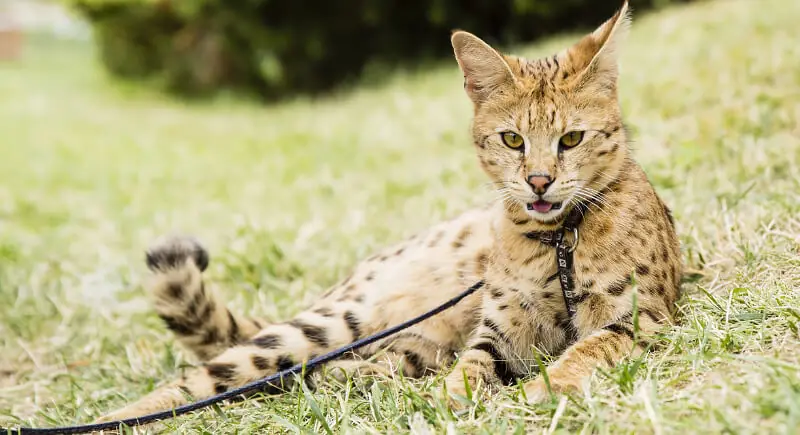
This breed sits at the top of the price scale, with some generations starting around $1,200 and others exceeding $10,000. Savannah cats descend from African servals, and their wild ancestry creates breeding challenges that drive up costs. Early-generation Savannahs grow large, often reaching 25 pounds, and need more space and enrichment than a typical house cat.
Bengal
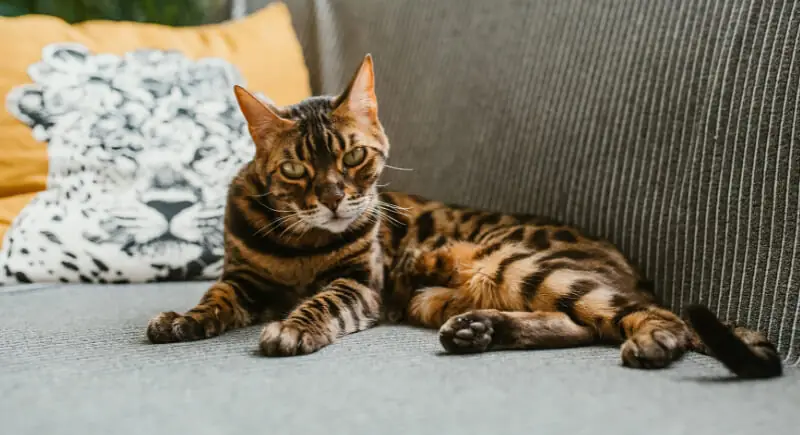
Prices typically range from $2,500 to $6,000, especially for kittens with strong rosette markings. Bengals are at least five generations removed from Asian leopard cats to meet breeding standards. Their coats feel unusually silky due to hair structure, and they require daily activity to burn energy. Exercise wheels are commonly recommended by breeders to prevent boredom-related behavior issues.
Sphynx
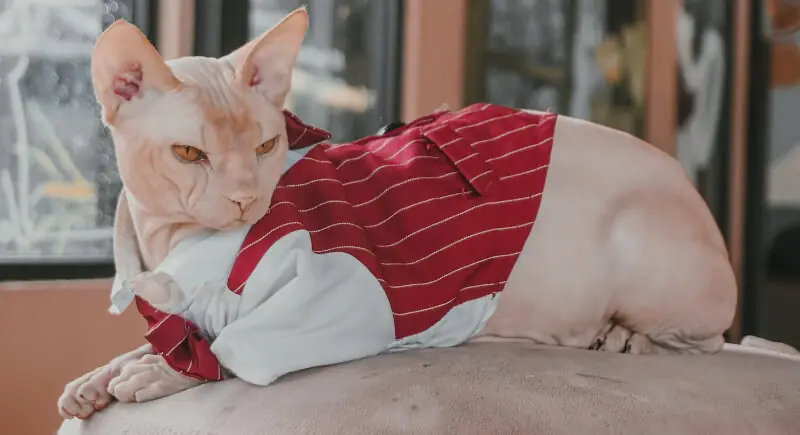
Sphynx kittens typically sell for $2,000 to $5,000, with higher prices attached to carefully preserved bloodlines. The breed originated from a natural genetic mutation first documented in Canada in 1966. Although they appear hairless, Sphynx cats need regular baths to control skin oil buildup. Extensive health screening, especially for heart conditions like hypertrophic cardiomyopathy, plays a big role in the final cost.
Persian
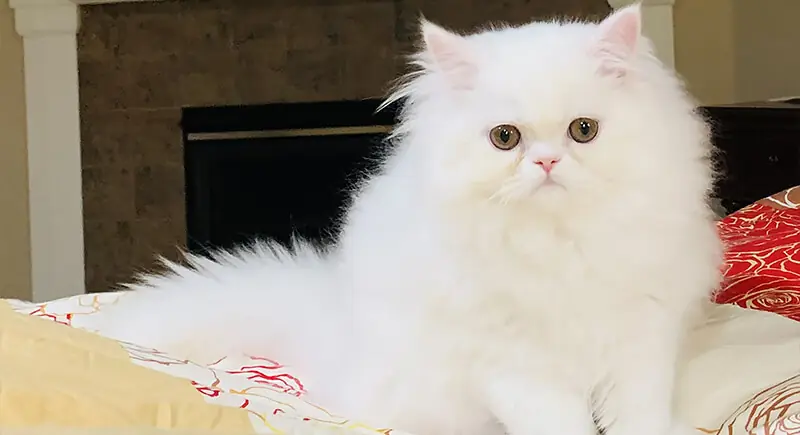
The breed is one of the oldest on record, with origins linked to modern-day Iran. Their flat facial structure can lead to breathing and eye concerns, which is why responsible breeders invest heavily in health screening. Daily grooming is essential for a Persian, as their long coats can mat easily without regular care. The kittens typically cost between $1,300 and $5,000, depending on their pedigree and the breeder’s standards.
Toyger
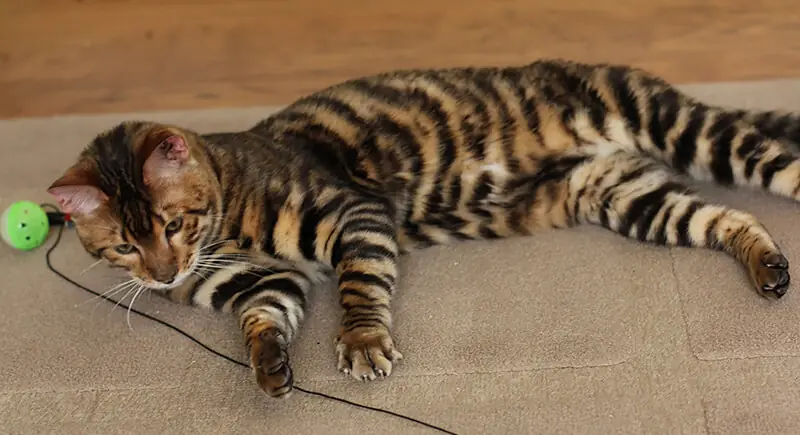
Toygers usually fall between $1,500 and $5,000. The breed was developed in the 1980s to resemble a miniature tiger using Bengal and domestic shorthair lines. The International Cat Association recognizes them, but not the CFA, which limits breeding programs. Their bold striping requires careful selection over generations.
Scottish Fold
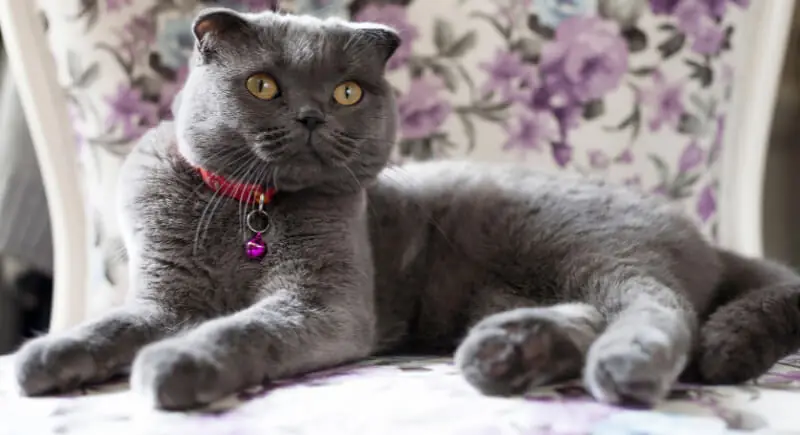
The breed’s defining characteristic, folded ears, originates from a cartilage mutation that necessitates strict breeding practices. Ethical breeders pair folded-ear cats with straight-ear cats, and only about half of the kittens develop the fold. That limited outcome affects availability. Prices typically fall between $1,500 and $3,500, with lineage and ear structure making the difference.
Russian Blue
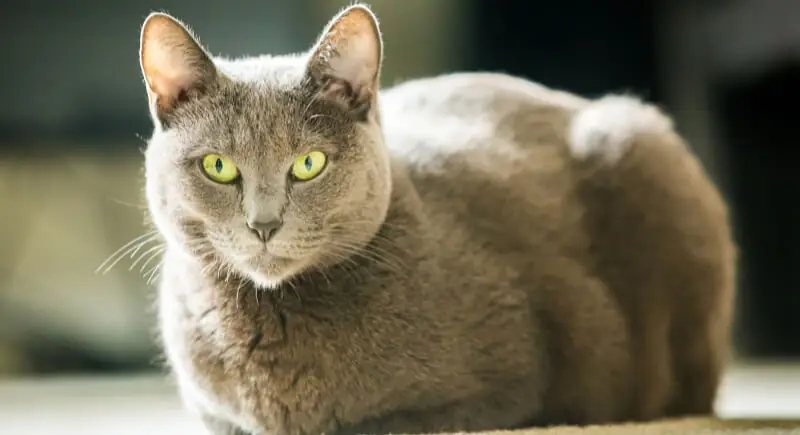
A well-bred Russian Blue usually costs between $1,500 and $3,000. The breed stands out for its dense double coat, with silver-tipped hairs that catch and reflect light. Russian Blues tend to be reserved around strangers but strongly attached to people they know. Breeders often note their consistent litter box habits as a practical selling point.
British Shorthair
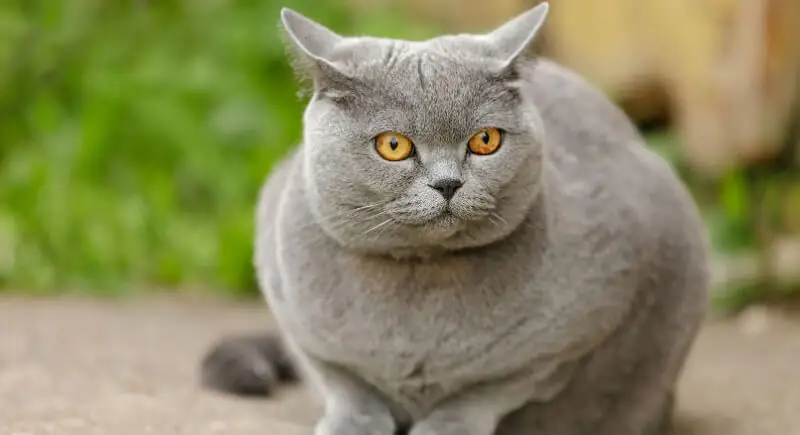
British Shorthairs are known for one of the densest coats of any cat breed, with roughly 300 hairs per square inch. They mature slowly and may take up to three years to reach full size, which affects feeding and care early on. Without portion control, weight gain can become an issue. Prices generally fall between $1,500 and $3,000, with blue-coated cats at the higher end.
Peterbald
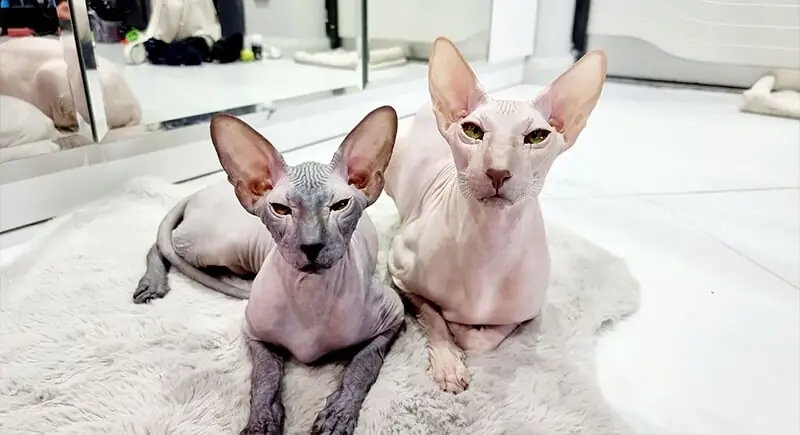
The Peterbald originated in Russia in 1994 from a cross between a Donskoy and an Oriental Shorthair. Prices usually fall between $1,000 and $2,600. Coat types vary widely, from fully hairless to fuzzy or lightly coated, depending on genetics. Importing breeding cats adds to costs for many catteries.
Ragdoll
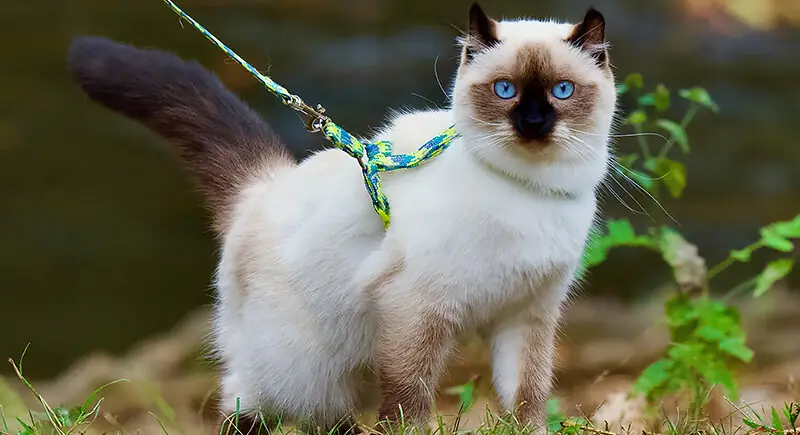
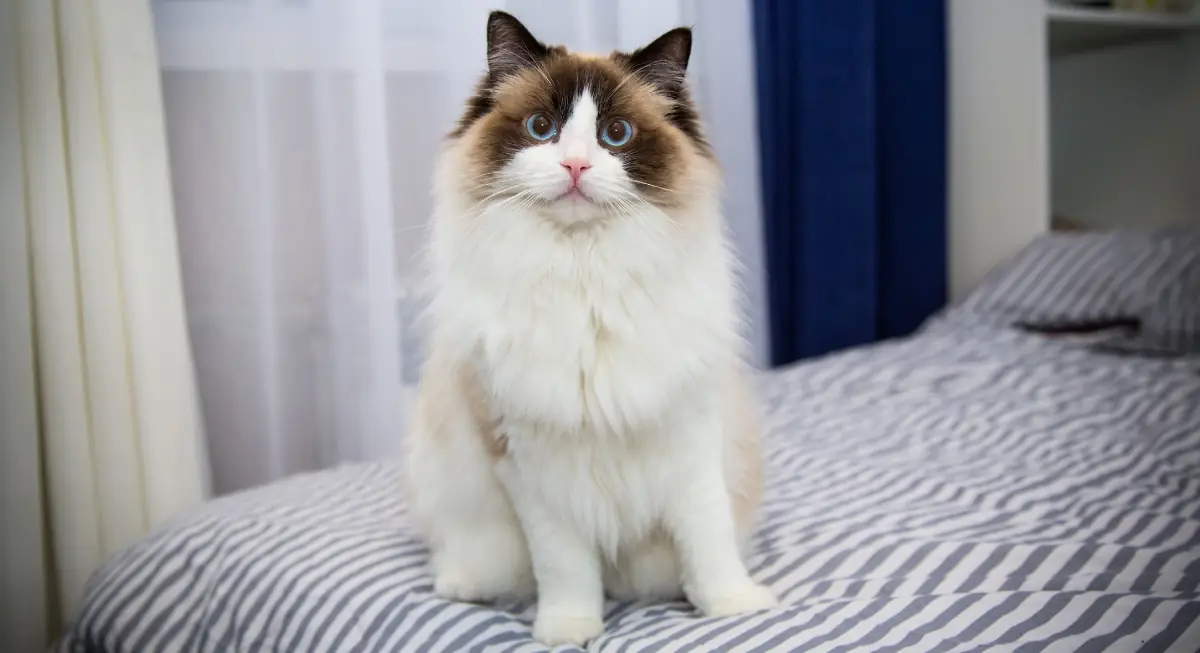
Ragdolls are large cats that often grow past 15 pounds and are known for relaxing fully when held. Most kittens sell in the $1,500 to $3,000 range. Blue eyes are required by breed standards, which limits breeding pair options. Health screening for heart and urinary conditions also influences pricing.