Adoption day feels like a happy ending, but for a surprising number of shelter cats, it’s not the final stop. Many end up right back where they started—behind shelter doors—often confused and with fewer chances of finding a lasting home. These returns happen more often than most people realize. The reasons vary, but the effect on cats is real, and shelters feel it too.
Behavior Expectations Don’t Match Reality
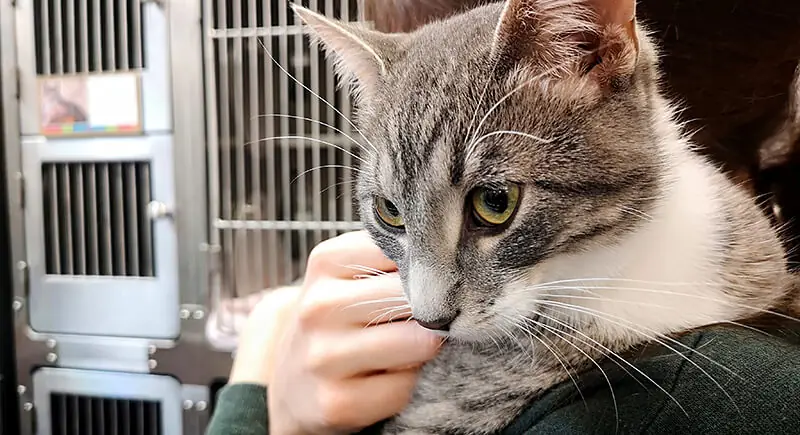
Cats don’t come with user manuals. Some adopters expect instant affection or a perfectly clean litter box, but real cats need time to settle in. A 2021 ASPCA survey found that behavior issues, including scratching or hiding, were one of the top reasons people returned cats after adoption.
Shelters Rarely Have the Space to Spare
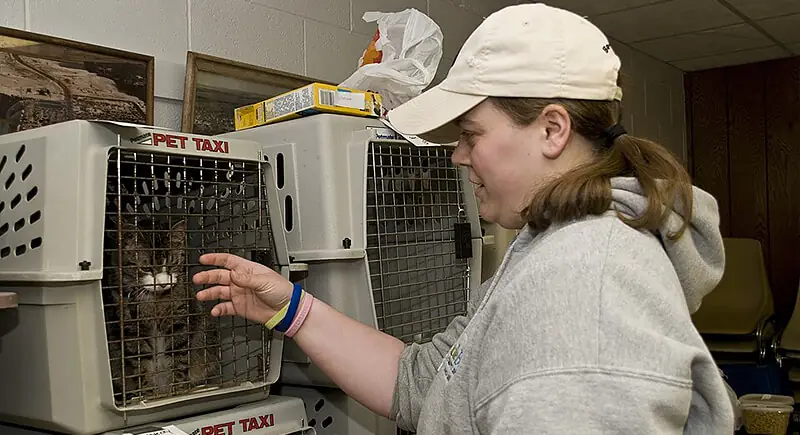
Returned cats don’t slide back into the same cozy setup. Many shelters operate at or above capacity, especially during peak kitten seasons. When a cat returns, staff scramble to make space—sometimes displacing others or making tough decisions. The cycle becomes a juggling act, and the stress doesn’t help.
Cats Remember More Than You Think
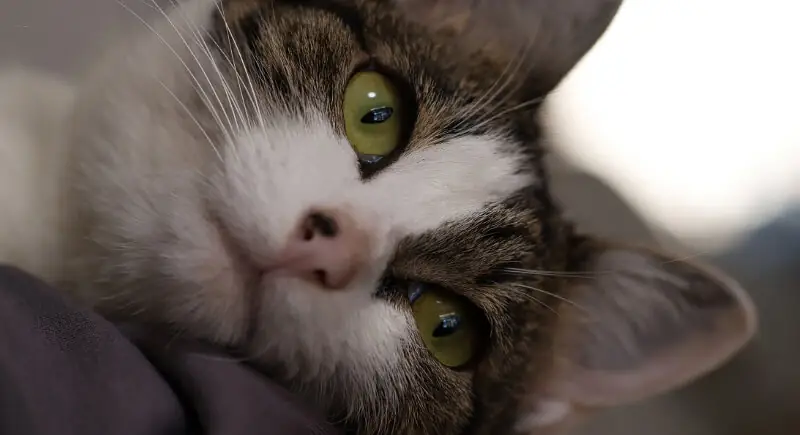
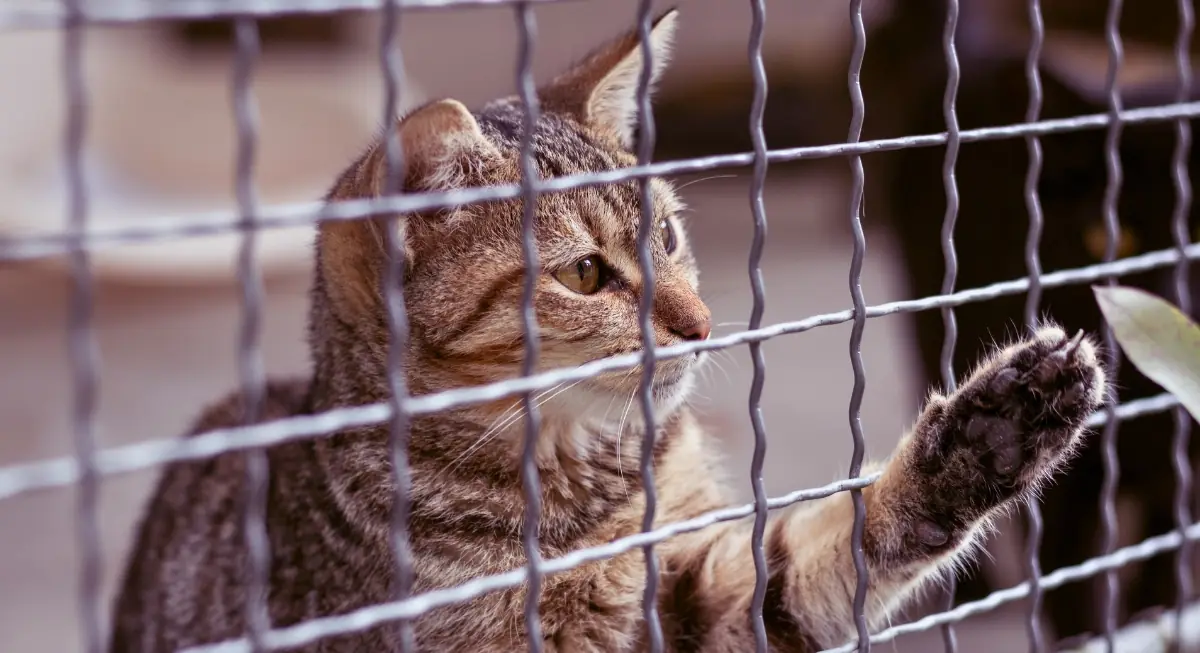
Returned cats often appear more withdrawn the second time around. Cats form emotional bonds and routines, so when they’re uprooted again, they notice. Some cats return fearful, less trusting, or even stop eating. They may not understand why they’re back, but they recognize the cage.
Some Returns Are Actually Preventable
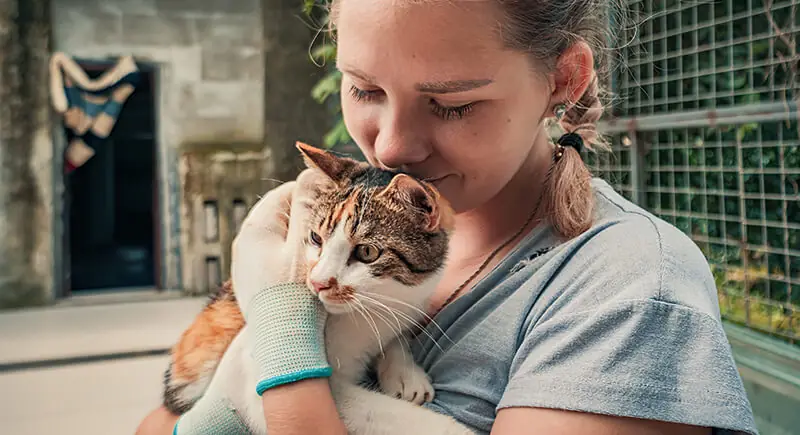
A large number of returns happen for avoidable reasons. Allergies, moving, or “not enough time” are common explanations that could’ve been spotted with better screening or adopter education. Many rescues now offer trial adoptions or pre-adoption counseling, which reduces mismatches and gives cats a better chance at permanence.
The Second Time Around Is Often Tougher
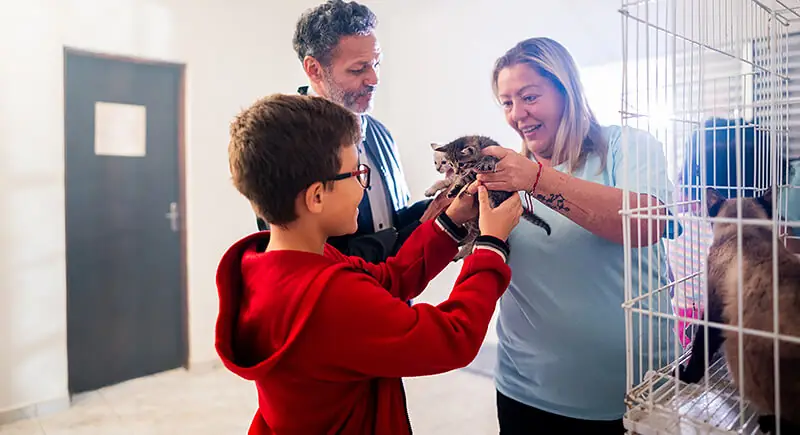
First-time adopters often see returned cats as damaged goods. Shelter workers know that’s unfair, but the stigma sticks. Returned cats are usually overlooked in favor of newer arrivals, and some end up waiting much longer than they did before—just because someone else gave up.
Shelter Staff Feel The Weight Of Each Return
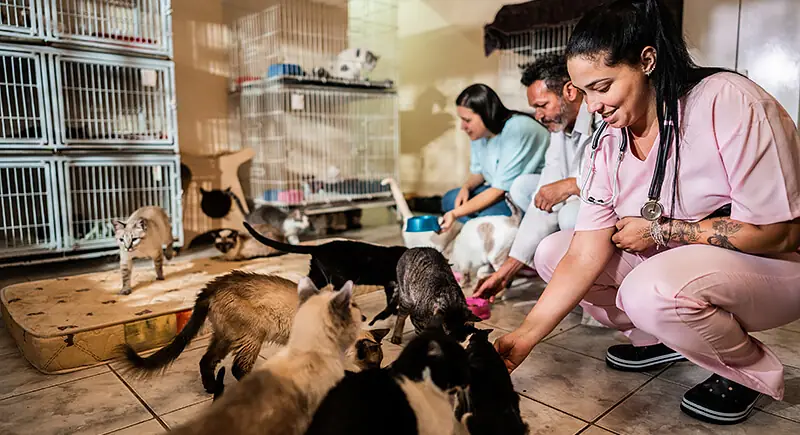
For shelter workers and foster volunteers, a return can feel personal. They’ve invested hours into socializing and treating medical issues. Watching them leave is hopeful, but watching them come back is frustrating and sad. Some rescues have even created support groups for volunteers burned out by too many returns.
Returned Cats Sometimes End Up In Worse Shape
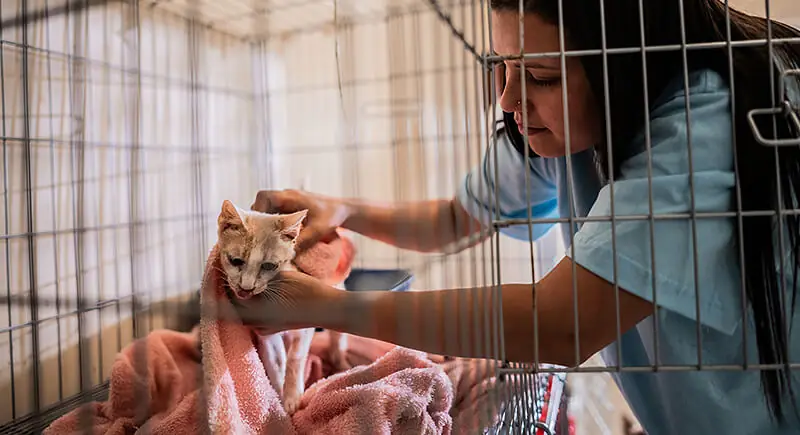
It’s not uncommon for cats to return in worse condition with matted fur, lost weight, and untreated medical issues. Some come back with stress-related illnesses like upper respiratory infections. That puts extra pressure on shelter medical teams and reduces the cat’s adoptability.
Returns Disrupt Shelter Adoption Data
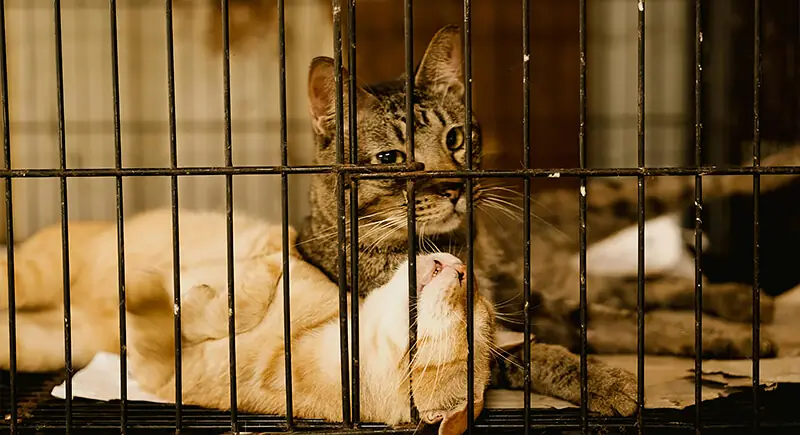
When a cat is adopted and returned, it can distort a shelter’s statistics, especially if the shelter is trying to maintain a “live release” rate for funding or public reporting. A single return might not make waves, but when it happens frequently, it complicates the work behind the scenes.
Some Cats Are Returned Multiple Times
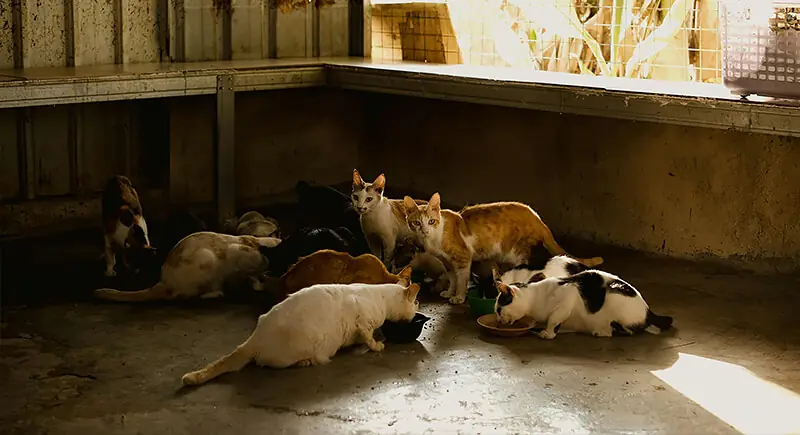
A small number of cats cycle through homes more than once. That repetition takes a toll. Each move adds confusion and reduces trust in new people. Shelter staff attempt to flag these cases for extra care or more specific adoption requirements, but repeated returns make future placements more challenging.
Senior Cats Get the Short End of the Stick
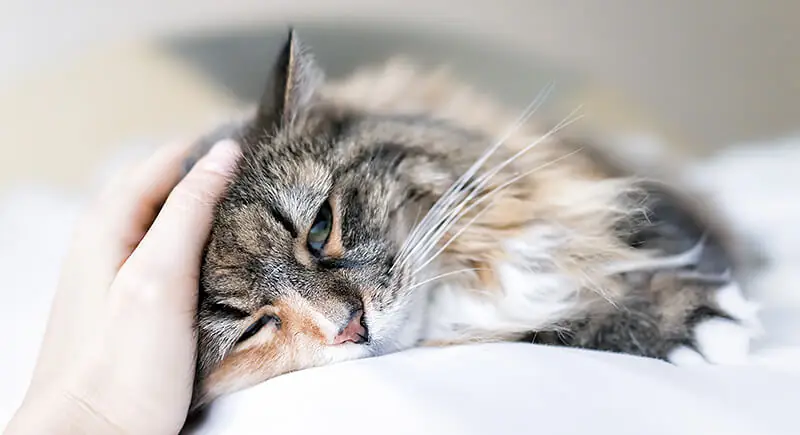
Older cats already face slower adoption rates, but when they’re returned, their odds drop even more. Many adopters hesitate to take on pets with shorter life spans or potential medical needs. The return can be particularly hard on them; they don’t adjust as easily to new environments or shelter noise.