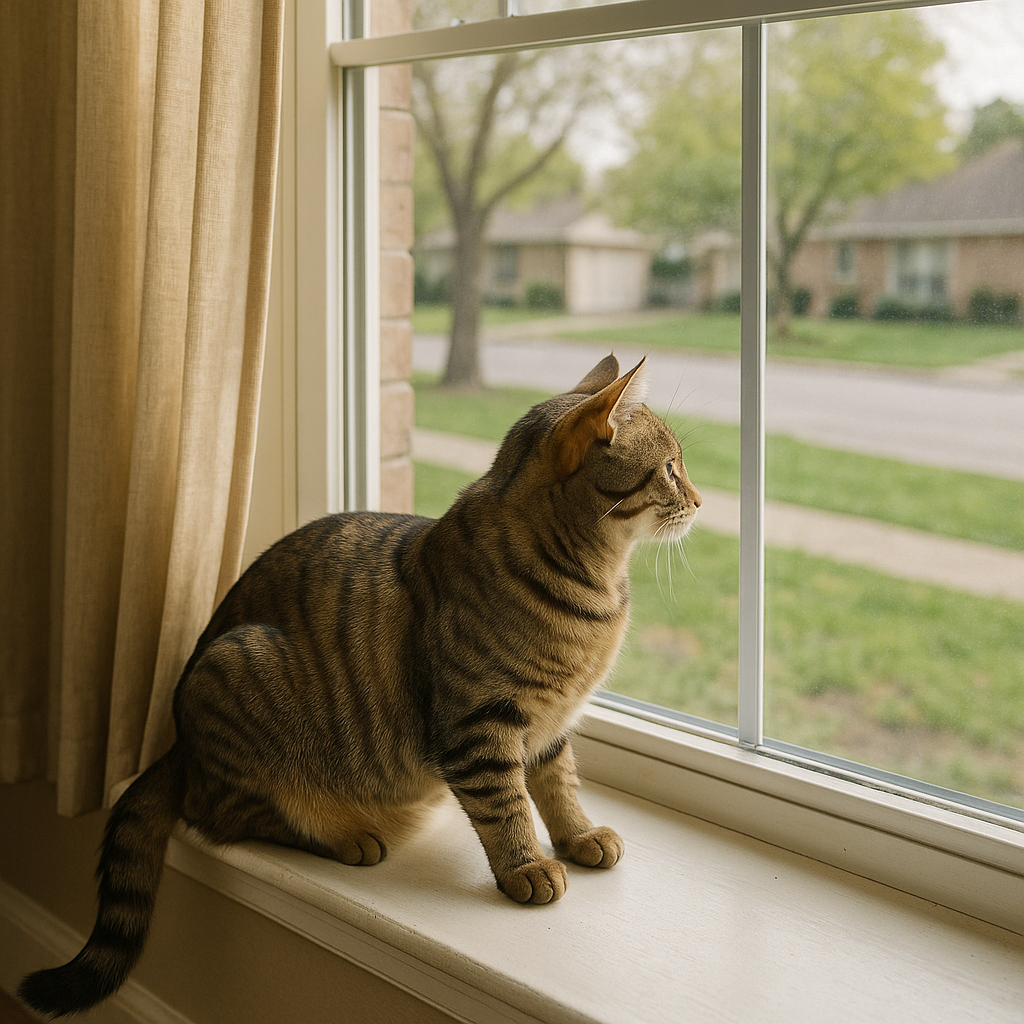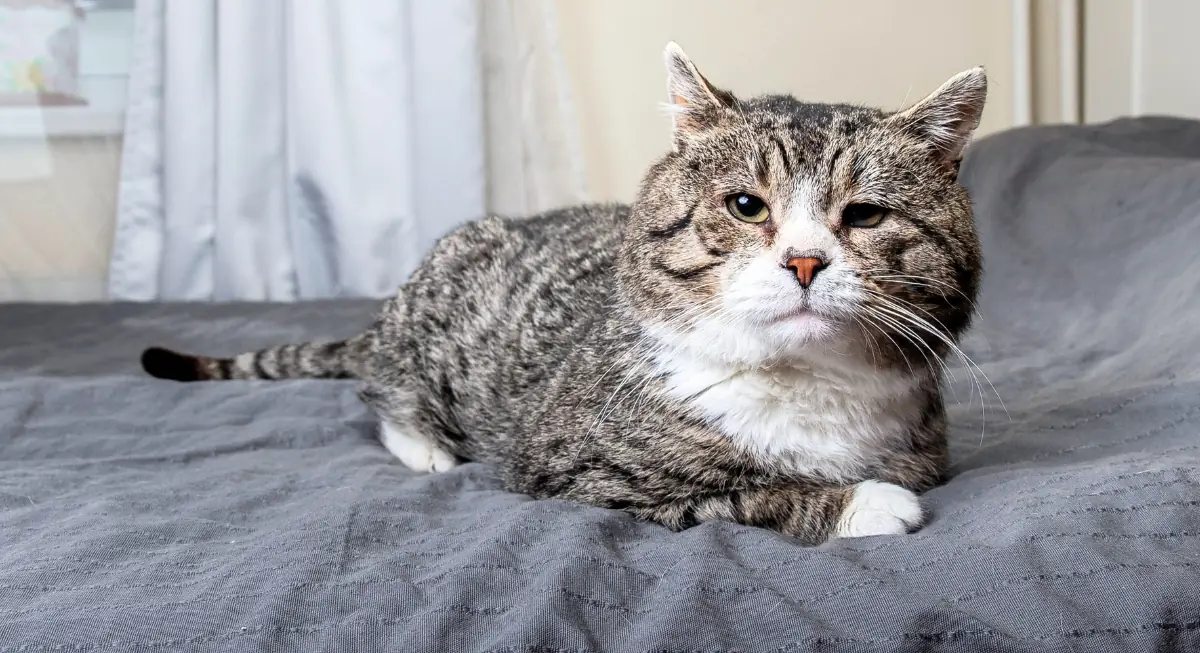
Cats are living longer than ever thanks to better nutrition and veterinary care. That extra time with our feline companions is wonderful news for pet owners, but it also means age-related conditions are becoming more common.
One of those conditions is feline cognitive dysfunction syndrome, often referred to as cat dementia. Like cognitive decline in humans, this disorder affects memory, awareness, and behavior. Because cats cannot explain what they’re experiencing, the first clues usually appear in subtle changes to their daily habits. Recognizing these warning signs early can help you seek veterinary advice and make adjustments that improve your cat’s quality of life.
Unusual or Excessive Vocalization
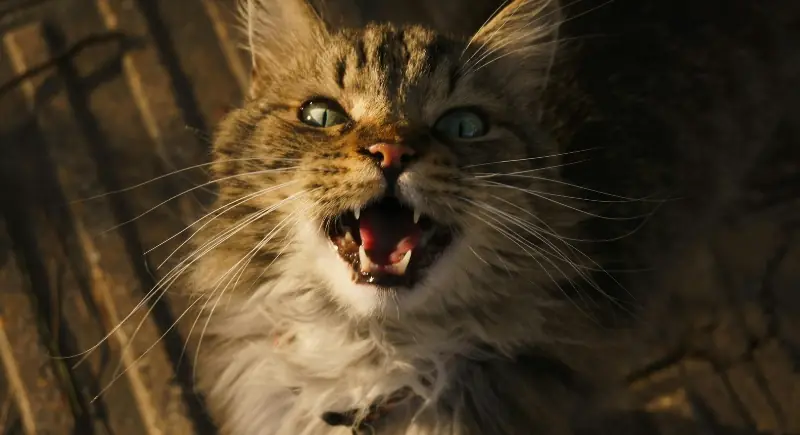
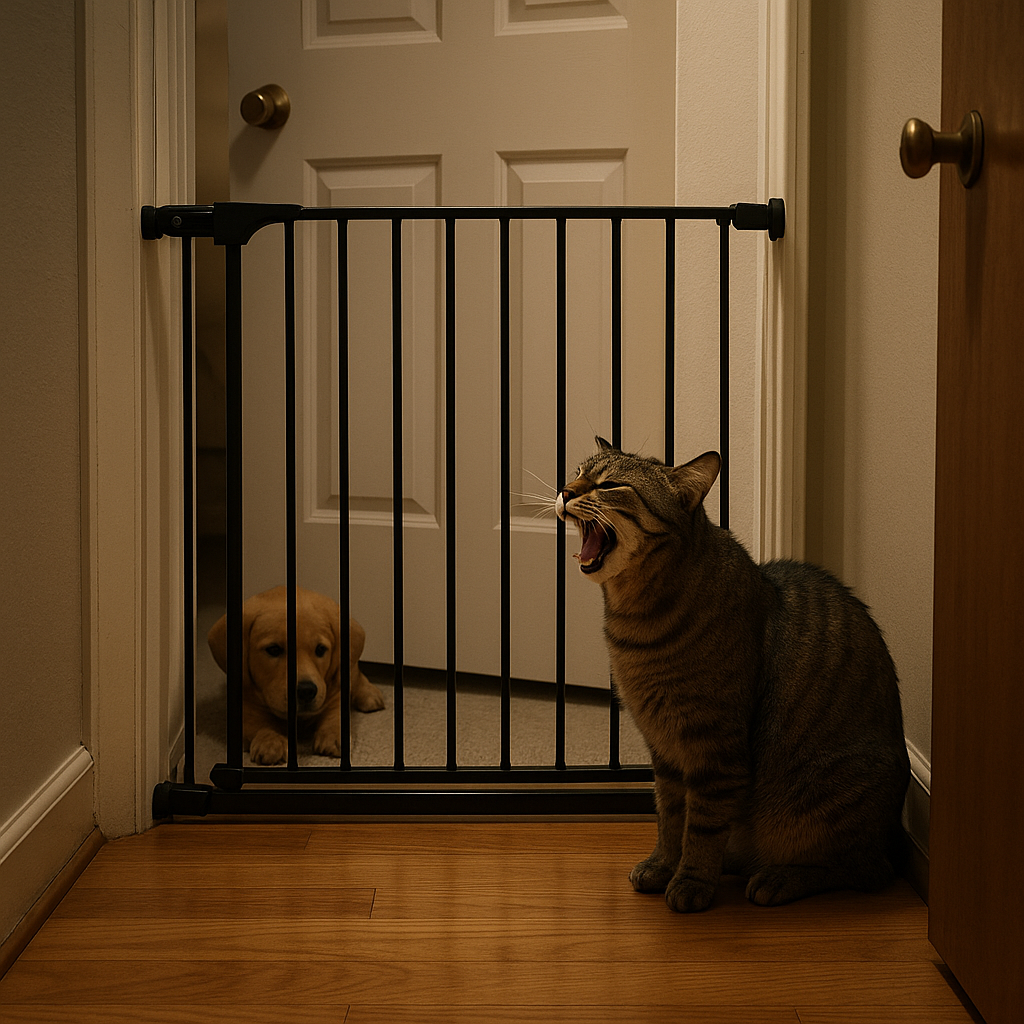
One of the earliest signs many owners notice is a sudden change in vocal behavior. A senior cat may begin meowing loudly or persistently in situations where they used to be quiet. Nighttime vocalizing is especially common, with cats calling out for no clear reason. These vocalizations may come from confusion, anxiety, or difficulty recognizing their surroundings.
Changes in Social Interaction
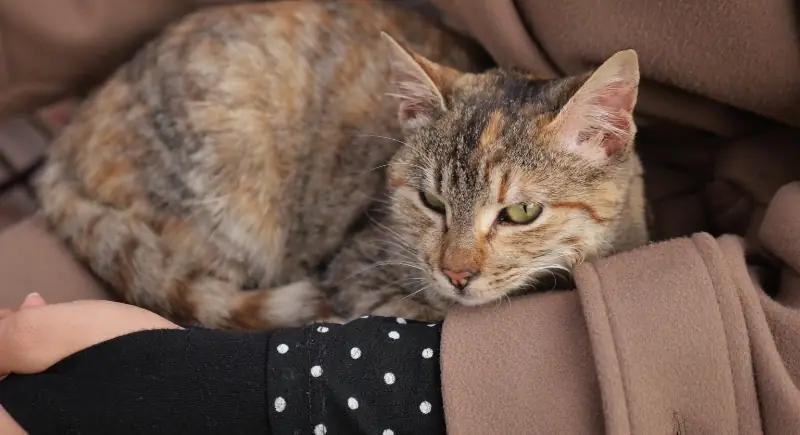
Cats experiencing cognitive decline often behave differently around people. Some become unusually clingy and seek attention more often than before. Others withdraw from interaction or seem less interested in affection. In some cases, cats may appear irritable or fail to respond to familiar family members the way they once did.
Disrupted Sleep Patterns

A shift in sleep habits can also signal problems. Senior cats with dementia frequently sleep more during the day but become restless at night. This reversal of their usual sleep cycle may lead to pacing, wandering, or vocalizing during nighttime hours.
Disorientation in Familiar Spaces
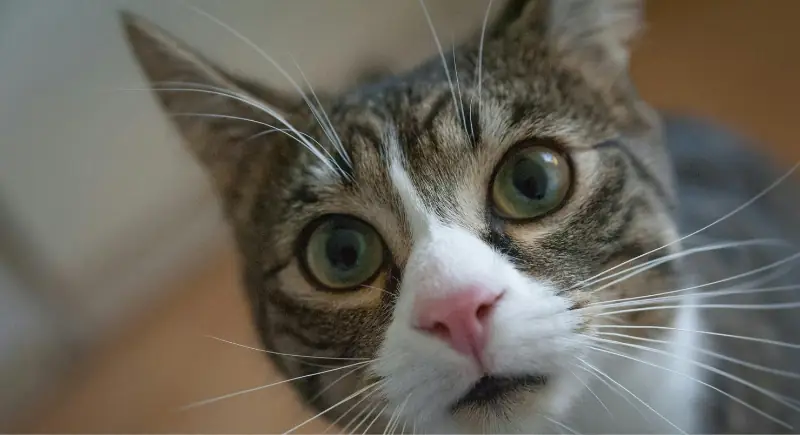
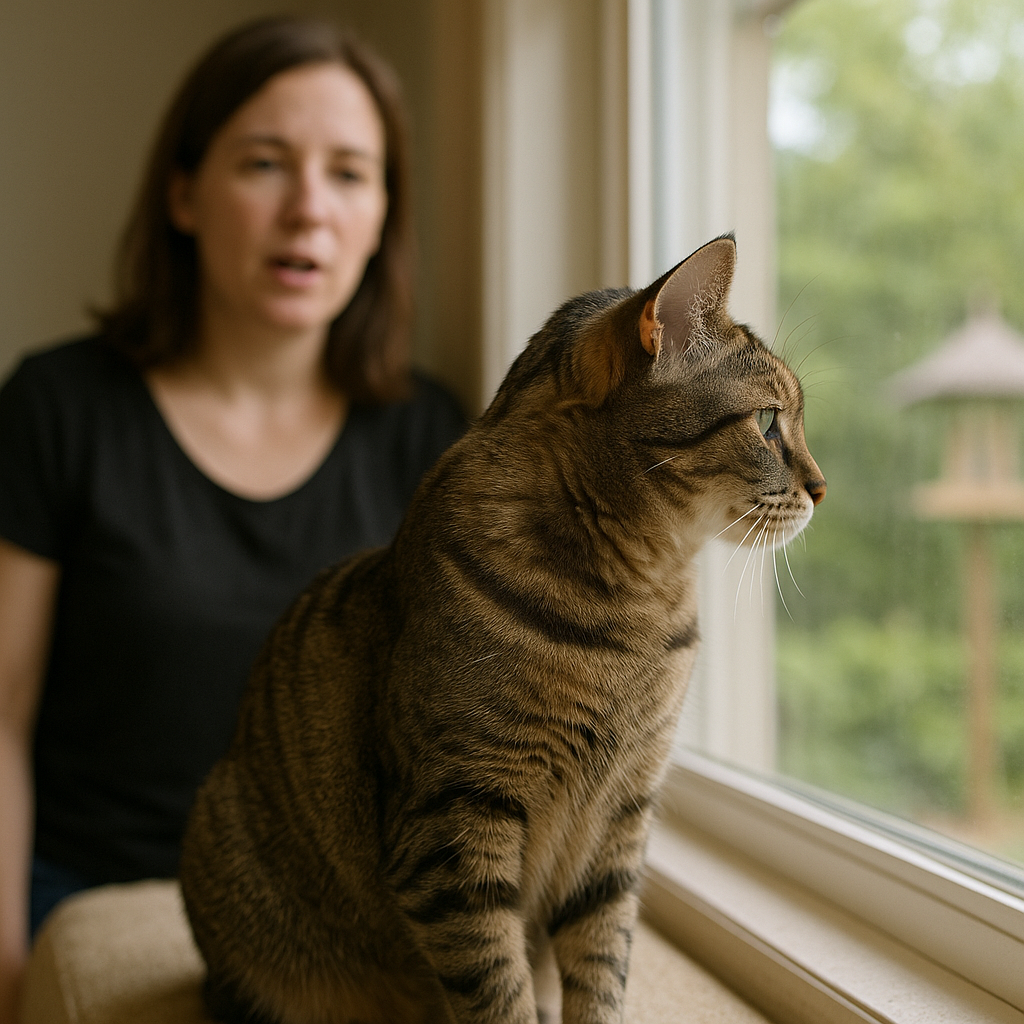
Confusion is a hallmark symptom of cognitive dysfunction. Cats may appear lost in parts of the home they have known for years. They might wander, stare at walls, approach the wrong side of a door, or become stuck behind furniture. These behaviors suggest difficulty processing spatial information.
Litter Box Accidents
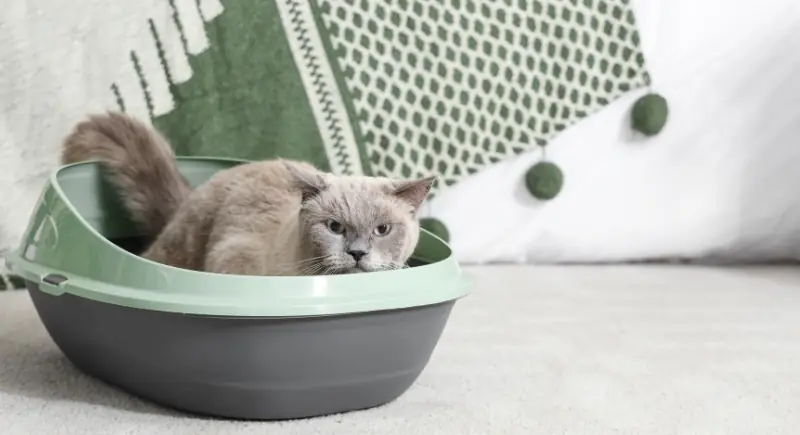
Cats are normally very consistent about using the litter box, so accidents can be alarming for owners. A cat may urinate or defecate outside the box because they forget where it is or become confused while searching for it. Although this behavior can also signal other medical issues, it is frequently reported in cats with dementia.
Changes in Activity or Play
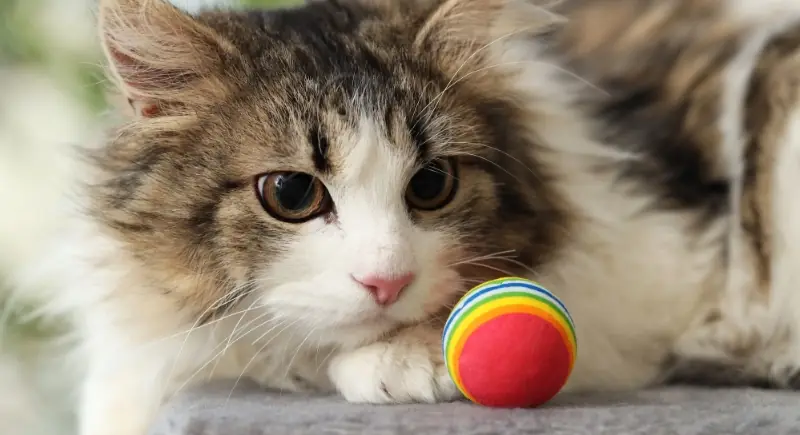
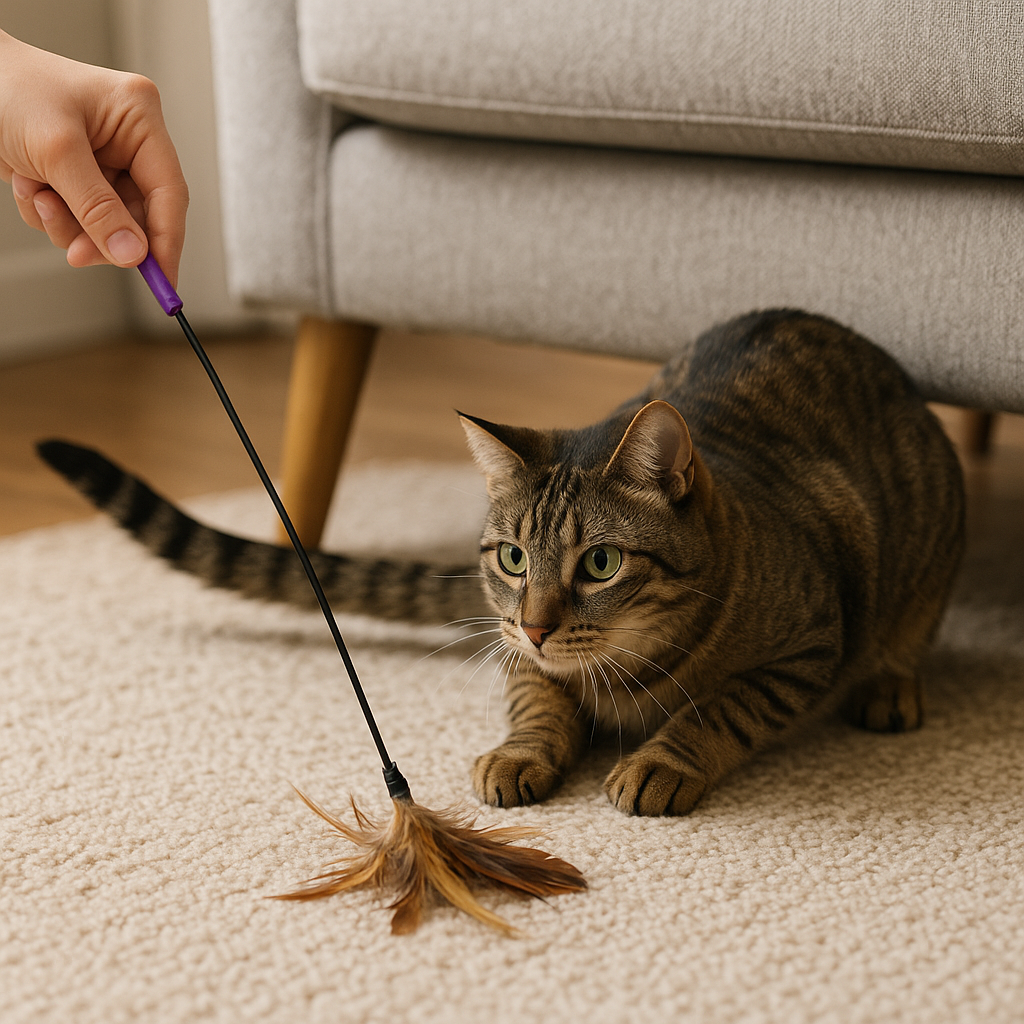
A noticeable decline in curiosity or playfulness may indicate cognitive aging. Cats that once enjoyed toys or exploring the house may lose interest in these activities. Some may move around less or appear disengaged from their surroundings.
Reduced Grooming and Self-Care

Cats usually spend a large portion of their day grooming themselves. When cognitive decline progresses, this habit may decrease. Owners may notice their cat’s coat becoming less tidy or matted because the cat simply forgets or loses interest in grooming.
Increased Anxiety or Hiding
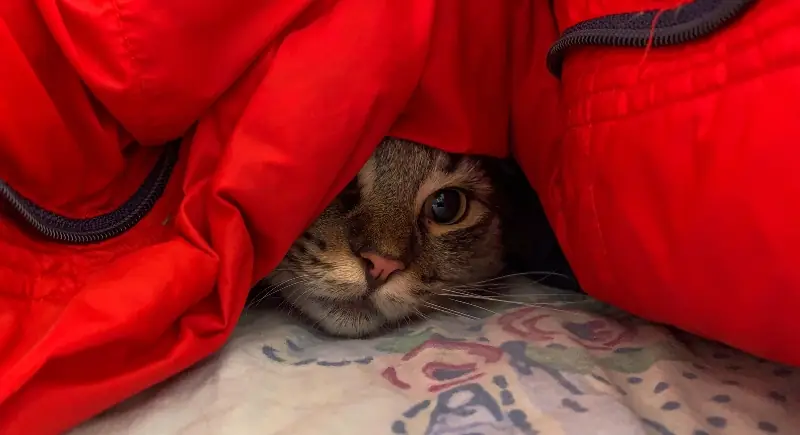
A cat that previously seemed confident may begin acting fearful or anxious. They may hide more often or appear uneasy in familiar places. Loud noises, household routines, or even interactions with people they know may suddenly cause stress.
Memory Problems With Routine Tasks

Memory loss can affect simple daily behaviors. Cats may forget the location of their food bowl, litter box, or favorite sleeping spot. Some stop responding to commands or routines they previously understood. Over time, these memory lapses may become more noticeable.
Changes in Appetite or Eating Habits
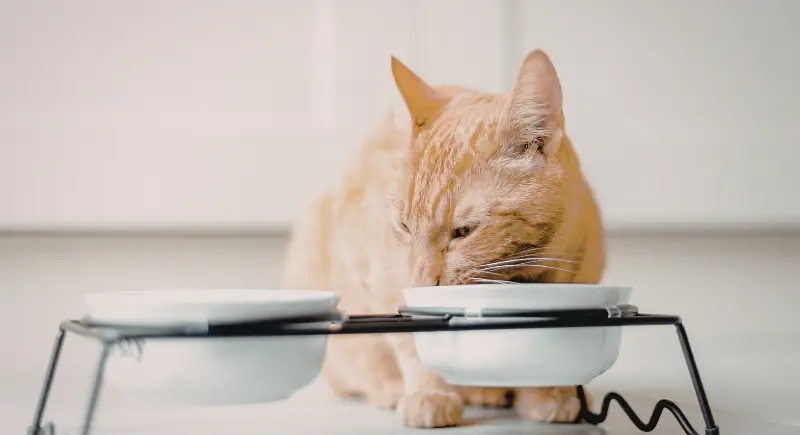
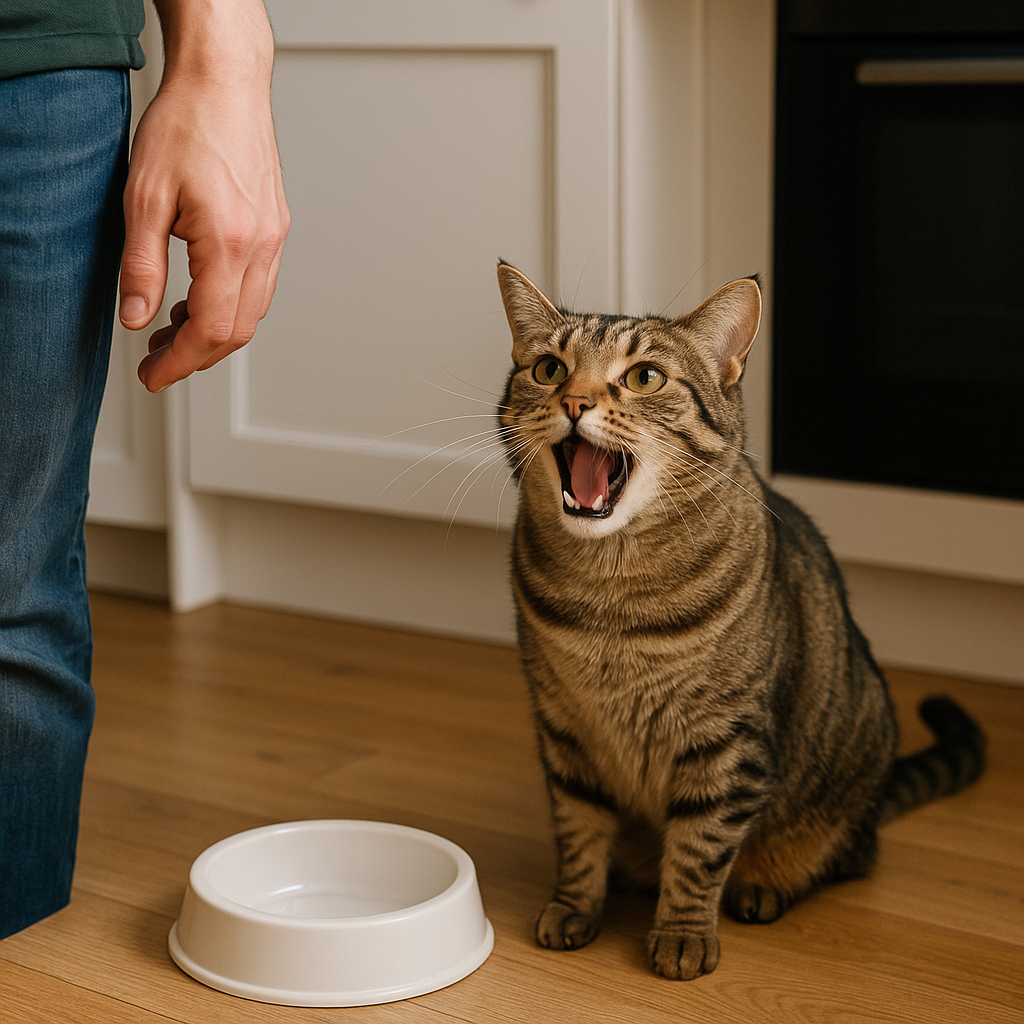
Cognitive decline can also affect eating behavior. Some cats lose interest in food, while others may appear to forget that they have already eaten and ask for more. A sudden change in appetite in a senior cat should always be discussed with a veterinarian.