War stories usually spotlight soldiers, but sometimes they take an unexpected turn. While pigeons carried messages through danger and dogs searched for survivors, one small cat earned recognition in a very different way. He spent his days below deck chasing rats and keeping watch in his own way, far from the spotlight most war heroes receive.
His name was Simon, and he quickly became more than just a ship’s pet. People followed his story, letters poured in, and his role grew into something no one had anticipated. What began as an ordinary presence on board became a record no other cat in military history has matched.
A Stowaway Who Became Essential
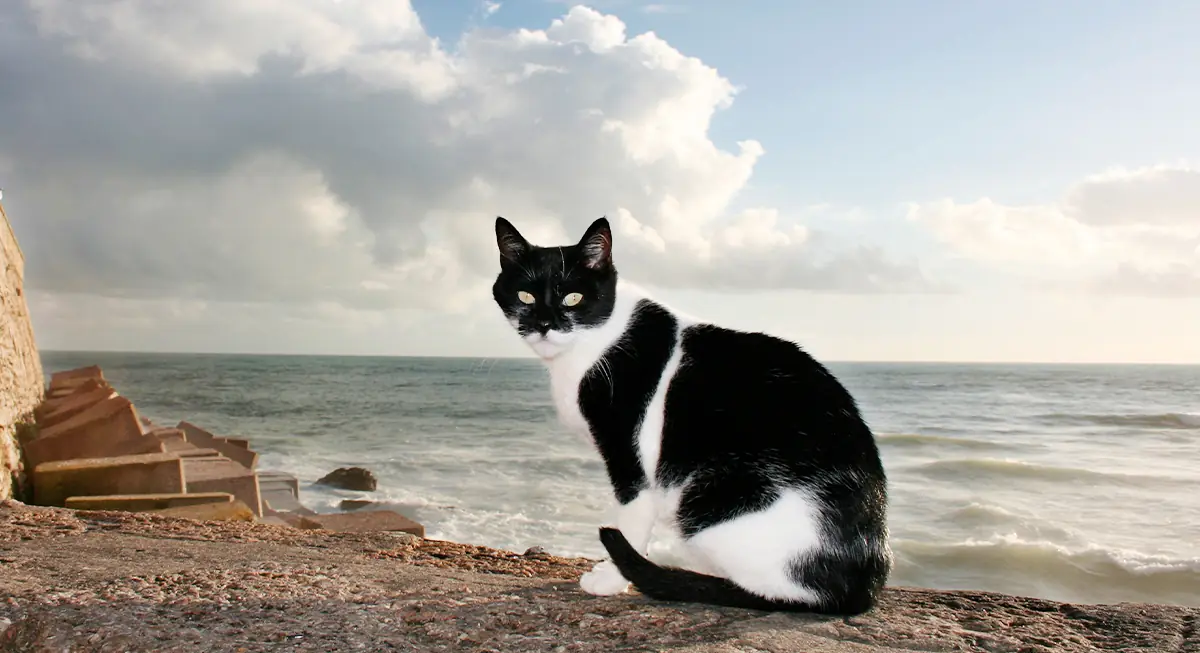
In March 1948, 17-year-old British seaman George Hickinbottom spotted a scrawny black-and-white cat wandering the docks of Stonecutters Island in Hong Kong. The Royal Navy frigate HMS Amethyst had a rat problem that threatened food supplies and hygiene, so Hickinbottom smuggled the roughly one-year-old cat aboard in his jacket.
Named Simon, the cat quickly became part of daily life on the ship. He earned attention for catching rats on the lower decks and for leaving them in sailors’ bunks as “gifts.” He also made himself comfortable in the captain’s cap, which helped him win over the crew, including Lieutenant Commander Bernard Skinner, who took charge of the ship.
The Attack
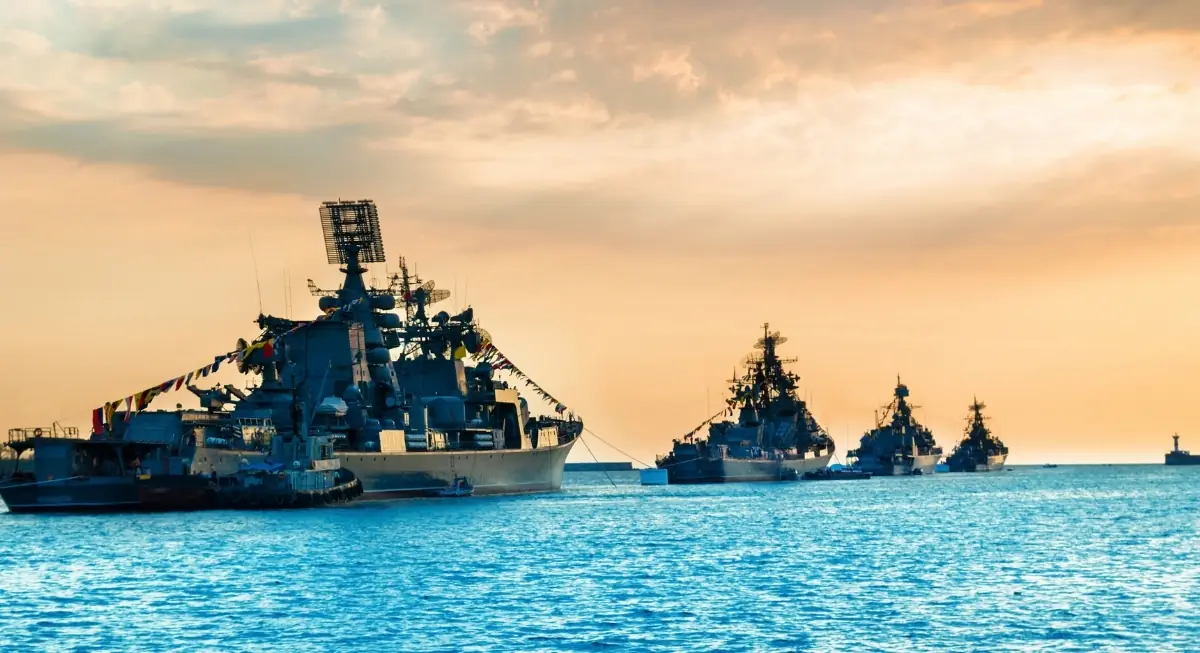
On April 20, 1949, HMS Amethyst traveled up the Yangtze River toward Nanking during China’s civil war. British officials expected a safe passage, but the ship came under heavy fire from Communist People’s Liberation Army forces on the riverbank. More than 50 shells struck the vessel, killing 19 crew members, including Skinner, and wounding 27 others.
Simon was in the captain’s cabin when a shell tore through the ship. Shrapnel struck his back and legs, and the blast burned his face, whiskers, and eyebrows. He disappeared during the chaos and was assumed dead.
Days later, he reappeared on deck in severe condition. Petty Officer George Griffiths carried him to sick bay, where medical officer Michael Fearnley removed four pieces of shrapnel and treated his burns. Fearnley believed the cat had only a slim chance of survival.
Recovery And A Return To Duty
Simon stayed in sick bay as he recovered alongside injured sailors. His presence helped stabilize morale among a crew dealing with loss, injuries, and uncertainty. The ship remained stranded for weeks as negotiations stalled, and supplies began to run low.
Rats multiplied quickly in the damaged ship, contaminating food stores. Despite his injuries, Simon returned to hunting. He reduced the infestation and targeted a particularly large rat the crew had nicknamed “Mao Tse-tung,” which had been destroying sealed food supplies. After killing it, Simon’s status on board shifted from mascot to essential crew member, and sailors began calling him “Able Seacat Simon.”
101 Days Trapped On The River
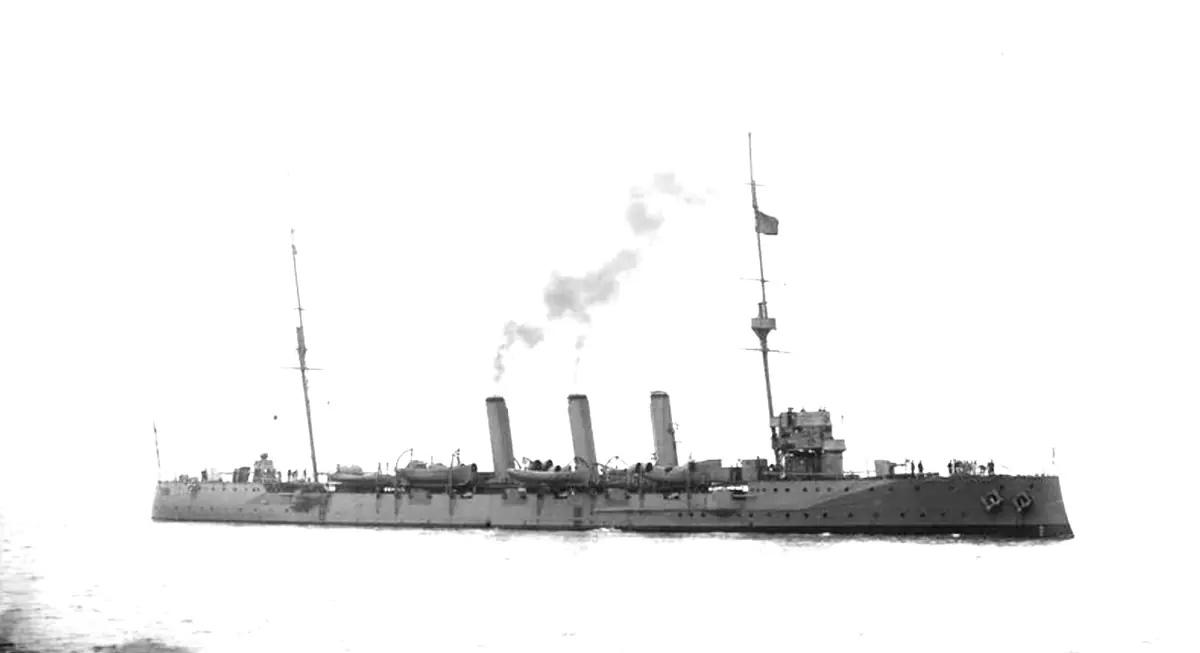
HMS Amethyst remained trapped on the Yangtze for 101 days. Attempts to move the ship triggered more shelling, and conditions continued to deteriorate as rations were cut. In July 1949, Lieutenant Commander John Kerans, who had taken command, decided to attempt an escape.
On the night of July 30, the ship made a 104-mile dash down the river under cover of darkness, and the gamble worked. After about five hours, the Amethyst reached safety and linked up with other Royal Navy ships. The crew’s ordeal ended without further casualties.
Fame, Recognition, And An Unfinished Ceremony
News of the incident spread quickly as the ship returned to Hong Kong. Simon became an international sensation, photographed alongside the crew and featured in newsreels. He received more than 200 letters a day, along with gifts and food, prompting the appointment of a “cat officer,” Lieutenant Stewart Hett, to manage the volume.
The People’s Dispensary for Sick Animals awarded Simon the Dickin Medal, the highest honor for animal gallantry in war, in August 1949. The medal, introduced in 1943 by Maria Dickin, had previously been awarded to pigeons, dogs, and horses, but never to a cat.
When HMS Amethyst returned to England in November 1949, Simon entered a mandatory six-month quarantine. A formal medal presentation was scheduled for December 11. But two weeks before the ceremony, Simon developed a viral infection that led to acute enteritis. His body, weakened by his wartime injuries, could not recover. He died on November 28, 1949, at approximately two years old.
Simon received the Dickin Medal posthumously, and he remains the only cat ever to earn it.