During the Cold War, the CIA explored some unusual ideas for surveillance. One of the strangest involved a house cat. In the 1960s, the agency launched a project that surgically implanted a microphone in the cat’s ear, placed a radio transmitter at the base of its skull, and wove an antenna into its fur so conversations could be transmitted back to agents nearby.
The effort came from the CIA’s Directorate of Science and Technology and reportedly cost between $10 million and $20 million. The project ran for about five years before being shut down in 1967. Declassified documents released in 2001 later revealed its official name: Project Acoustic Kitty. Despite how the name sounds today, it was a real Cold War experiment.
Why a Cat Seemed Like a Good Idea
Cold War Washington revolved around surveillance, and United States and Soviet officials monitored embassies, parks, and public spaces for scraps of overheard conversation. Engineers faced a problem in the early 1960s: audio equipment remained bulky, and microchips had yet to shrink devices into discreet packages.
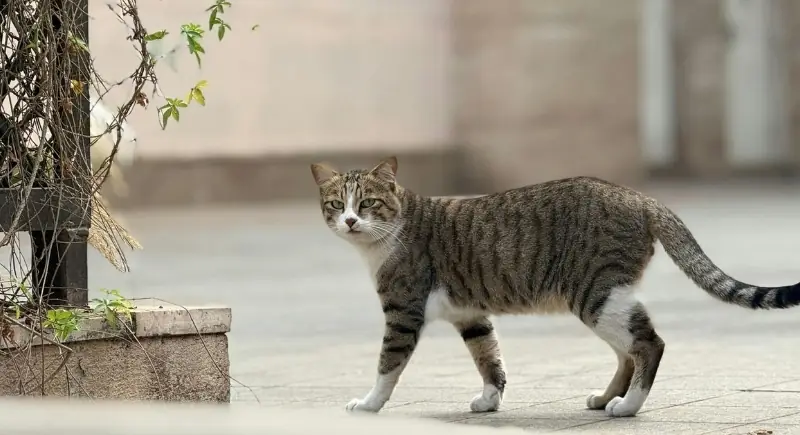
Someone inside the CIA’s science wing floated a bold workaround. Cats roamed freely around diplomatic neighborhoods. They slipped between benches, wandered near buildings, and drew little suspicion. So that logic moved the project forward.
The Surgery and the Science
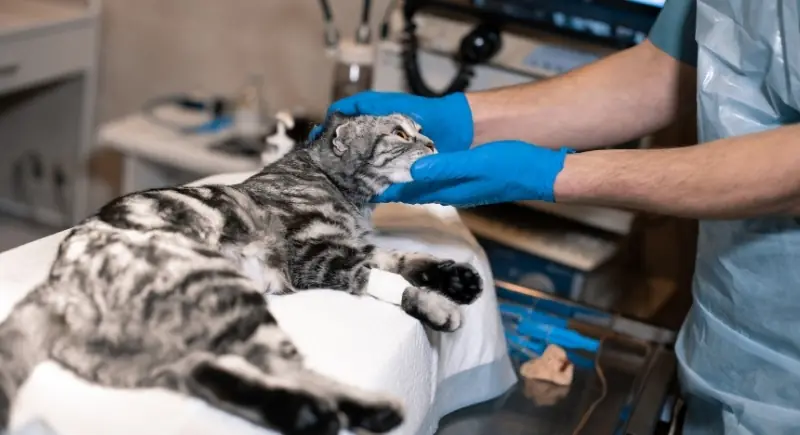
A veterinary surgeon performed a procedure that reportedly lasted about an hour. The team implanted a microphone into the cat’s ear canal. They placed a small radio transmitter at the base of its skull and ran a thin wire antenna through the fur.
Engineers spent years refining the hardware because the equipment had to be small enough to remain hidden yet strong enough to transmit audio clearly. The agency later noted “significant advances in miniaturization and transmission” during the project’s lifespan. On paper, the technology functioned, but the living host proved harder to manage.
The Field Test That Ended It
In 1967, operatives released the wired cat near a park in Washington, D.C., close to Soviet diplomatic property. The goal was to position the animal near two men sitting on a bench so the transmitter could capture their conversation.
What happened next became legend. Several accounts, including one attributed to former CIA officer Victor Marchetti, claimed the cat wandered into the street and was struck by a taxi moments into the mission. That version confirmed the project’s reputation as an instant disaster.
Years later, former CIA technical officer Robert Wallace disputed the taxi story, stating that the cat survived and that the cancellation was due to training challenges and operational impracticality. The agency’s declassified documents support the broader conclusion: the program did not meet field requirements, and either way, the experiment ended in 1967.
Declassification and Fallout

Project Acoustic Kitty remained classified for decades. In 2001, previously secret CIA documents entered the public record through the National Security Archives. The files confirmed the implants, the training attempts, and the official decision to terminate the effort.
One former agent later described the surgically altered animal as a “monstrosity,” reflecting discomfort inside parts of the intelligence community. The CIA has maintained that the procedure met humane standards, countering claims that the cat suffered abuse.