Cats might seem cool and independent, but they pick up on more than you’d expect. Little things you do—often without thinking—can leave them feeling stressed or annoyed. This list breaks down the small, everyday habits that could be quietly upsetting your cat. Most of the time, you’d never know it happened—but your cat definitely does.
Closing Doors on Them
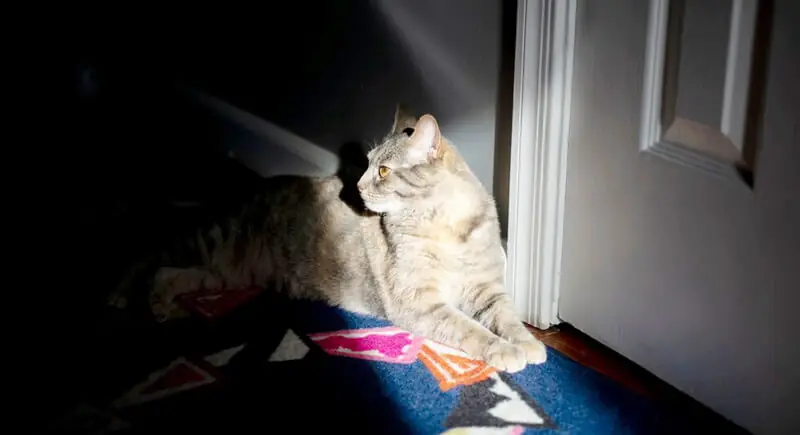
Cats like to feel in control of their space, and a closed door throws that off. Even if they didn’t care about the room before, once it’s off-limits, it becomes the most important spot in the house. Blocking access messes with their routine and can leave them frustrated.
Bringing Home Strange Scents

Cats rely on scent more than sight. They’ve got 200 million scent receptors, so anything unfamiliar—like another pet’s odor or even new laundry detergent—throws off their comfort zone. If your cat sniffs you with suspicion after you’ve pet another animal, they’re not being dramatic. It’s sensory overload.
Ignoring Their Meows
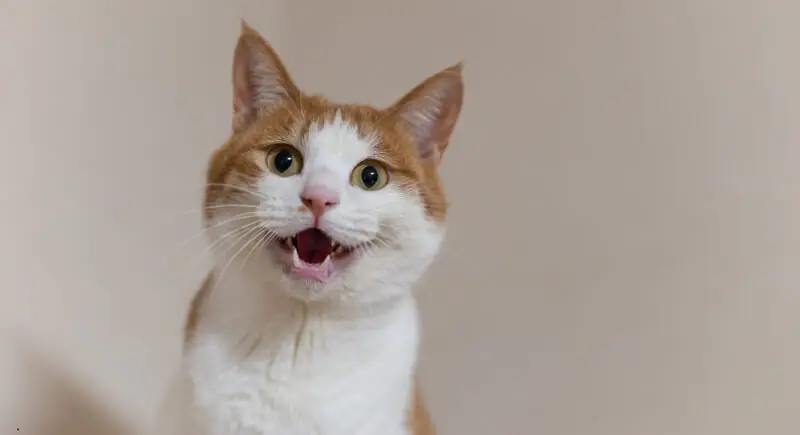
Meows are meant for humans. Cats rarely meow to each other as adults. So when yours talks to you, they’re making a real effort. Constantly brushing off those vocal greetings or requests tells them their communication doesn’t matter. They even adjust pitch and volume based on how their human responds.
Holding Eye Contact Too Long
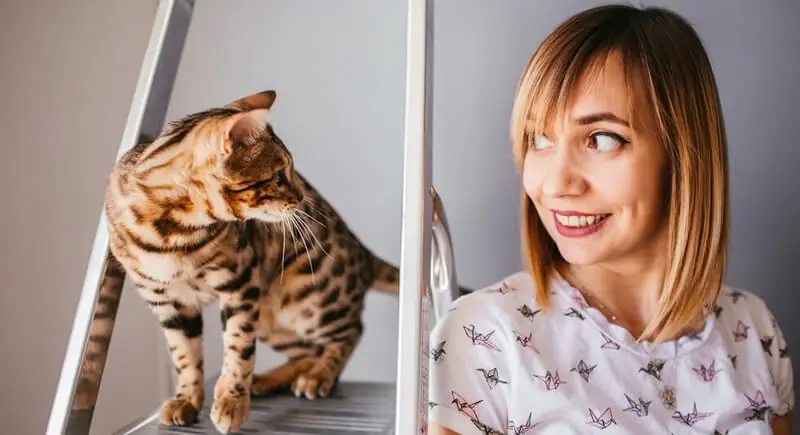
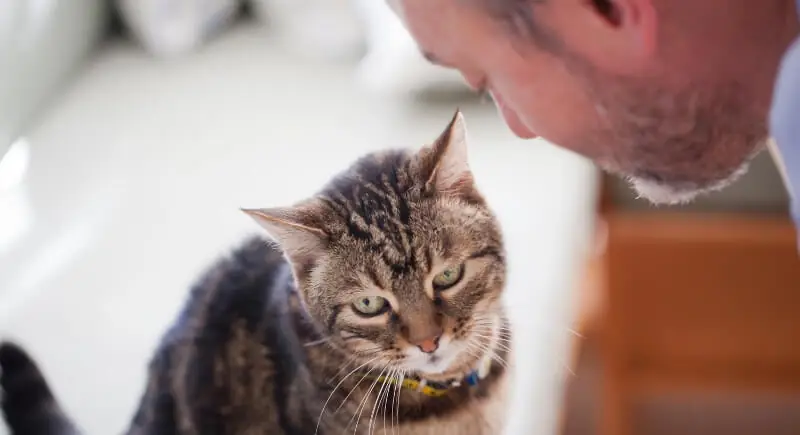
Locked eye contact might feel customary to you, but in cat-speak, it can read as threatening. A relaxed blink or averted gaze is preferred. However, staring too long is a power move, and your cat might back away, flick a tail, or avoid you altogether until the vibe feels safe again.
Bathing Them Unnecessarily
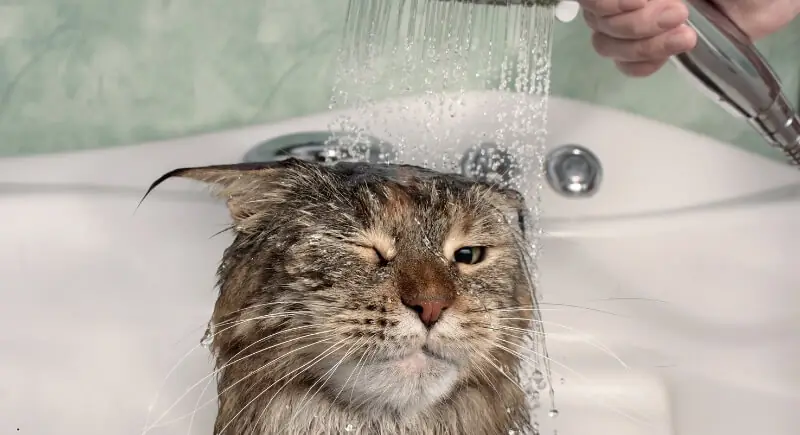
Cats are self-cleaning machines and spend around 50% of their waking hours grooming. Baths aren’t needed unless they’re covered in something toxic or can’t be groomed due to age or illness. Water can stress them out, especially when it’s forced. Their coat also loses natural oils that keep it sleek.
Not Cleaning the Litter Box Often Enough
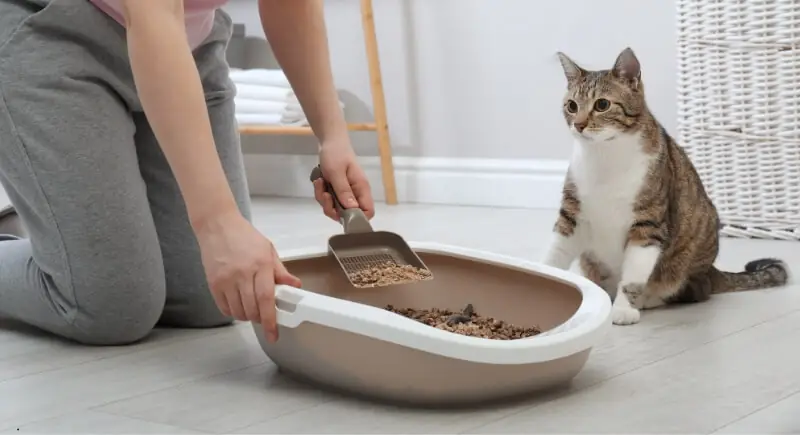
Cats have strong opinions about bathroom cleanliness, and a slightly dirty box can feel like a whole dumpster. Scooping at least once a day is key to preventing litter box avoidance. If their usual spot gets too gross, they might choose somewhere less appropriate—like your laundry pile.
Punishing Them for Scratching
Cats scratch to stretch muscles, mark territory, and shed nail sheaths. Yelling or squirting water might stop the act short-term, but it confuses them. They don’t connect the punishment with the behavior. Instead, redirect that urge. Offer scratching posts with different textures and sprinkle catnip to make it enticing.
Shouting or Loud Noises

Cats’ sensitive hearing detects frequencies that humans miss, so a slammed cabinet or raised voice can feel like a fire alarm going off next to their head. Constant noise makes them jumpy and withdrawn. Creating quiet zones or using soft tones helps them feel secure and keeps their tails from twitching in distress.
Waking Them Up to Cuddle
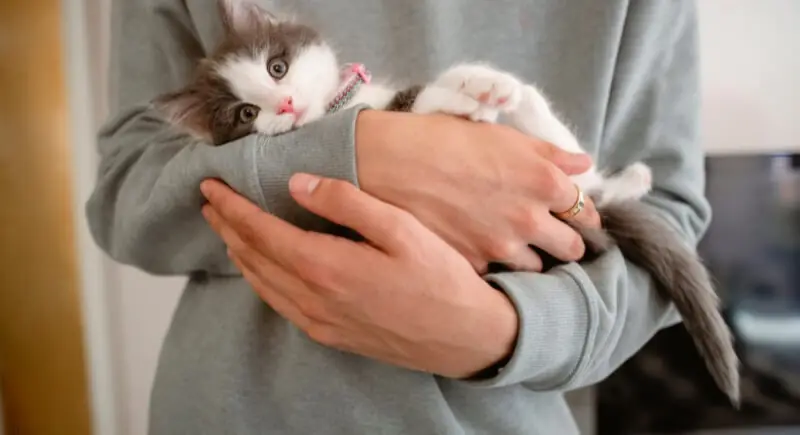
It’s tempting to scoop up your snoozing cat for a snuggle, but it’s not always welcome. Just like people don’t love being shaken awake, cats prefer cuddles on their schedule. Wait until they nuzzle you or stretch nearby. You’ll get a better snuggle—and avoid the side-eye that says “not now.”
Ignoring Tail Flicks
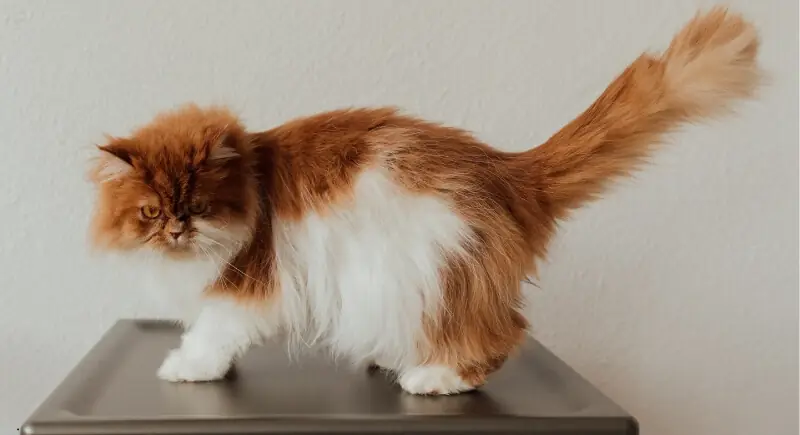
A slow wave can signal interest, but a fast flick usually means irritation. Keep petting through those warning signs, and you risk a swat. Cats use tail language to communicate mood shifts, and ignoring it is like brushing off a sigh mid-conversation. Watching for those cues helps prevent misunderstandings.
Forcing Costumes or Clothes
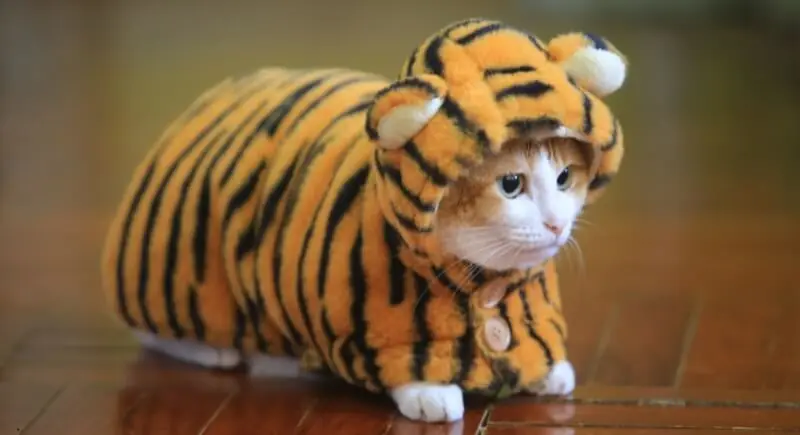
Most cats don’t enjoy being dressed up, even if the shark hoodie makes for a great photo. Clothes restrict their movement, flatten whiskers, and cause anxiety. Cats need free range of motion and control over their environment to feel secure. Comfort beats cuteness—unless your cat’s one of the rare few who honestly doesn’t mind.
Not Respecting Nap Time
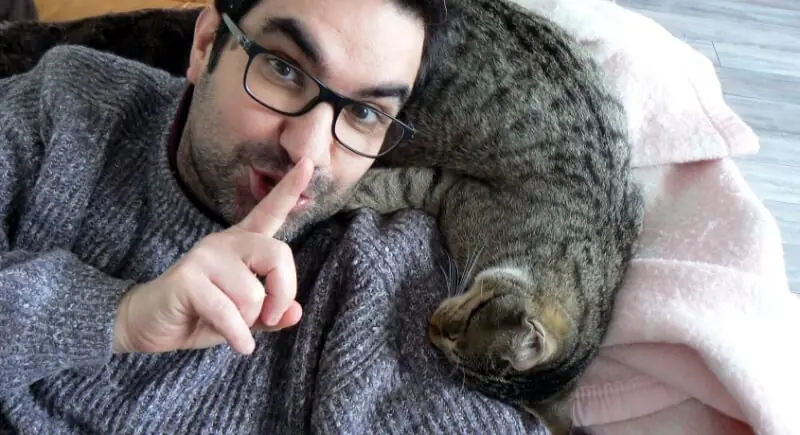
Cats don’t sleep for fun—they sleep to recharge their energy. They value their naps and need up to 16 hours of sleep daily to stay healthy. Interrupting that rhythm can leave them disoriented or cranky. If they’ve curled up in a sunny spot, let them be.
Bringing in New Pets Too Quickly

Surprises aren’t always fun—especially furry ones with wagging tails or twitchy noses. Introducing a new animal without a slow transition can cause stress, aggression, or even illness due to anxiety. Experts recommend a gradual introduction with scent swapping, supervised visits, and separate spaces. Rushing things can damage bonds.
Leaving for Long Periods Without Preparation
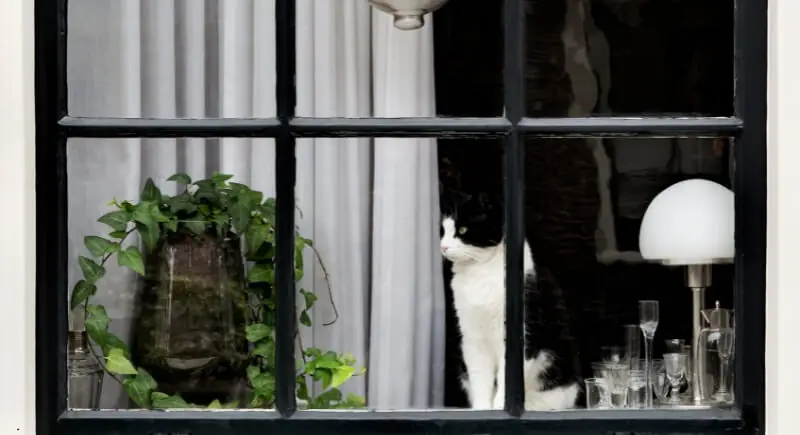
Cats might act independent, but they notice when you’re suddenly gone for days. Without familiar routines, voices, or scents, some stop eating or become withdrawn. Setting them up with a trusted sitter, plenty of stimulation, and items that smell like you (like worn T-shirts) makes a big difference.
Treating Them Like a Dog
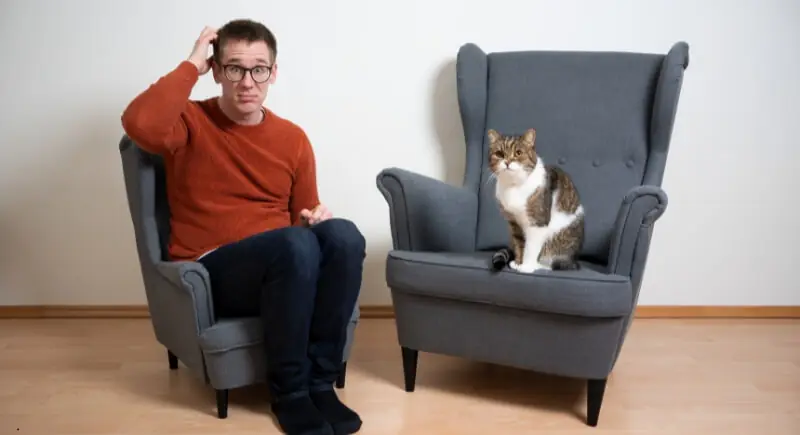
Treating a cat like a mini dog ignores their natural behavior. Dogs are pack animals; cats are solitary hunters who value routine and autonomy. They’re not being difficult—they’re being cats. When you stop expecting dog behavior, your cat becomes more affectionate on their own terms.
Using Scented Litter or Strong Air Fresheners
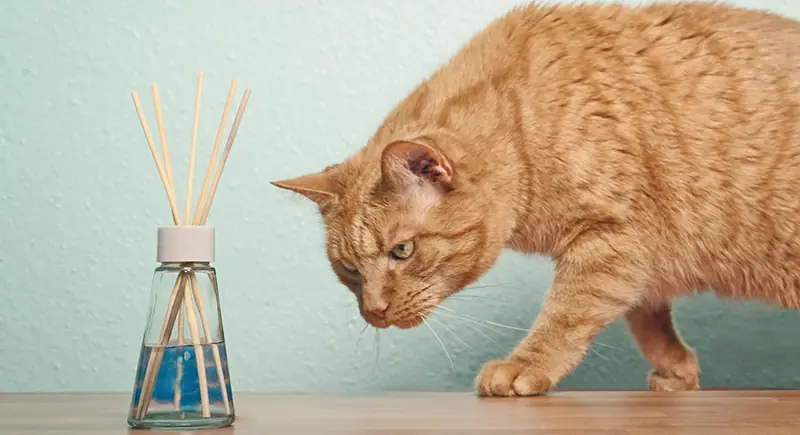
Cats experience the world through their noses, so what smells fresh to you can feel overwhelming to them. Strongly scented litter or heavy air fresheners near the box may discourage use. Many cats prefer unscented options and familiar surroundings. If accidents start happening, the scent overload might be part of the problem.
Touching Their Stomach
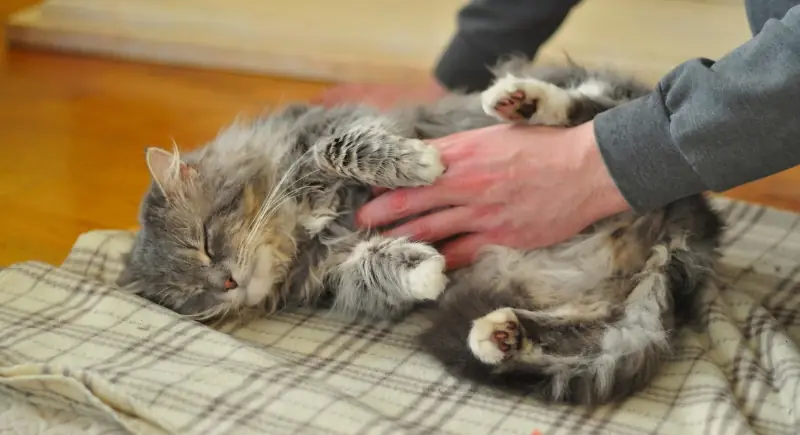
That fluffy belly looks inviting, but it is also one of the most vulnerable spots on a cat’s body. Some cats tolerate belly rubs, yet many instinctively protect that area. Reaching in without warning can trigger a quick swat or bite. It is not personal; it is instinct kicking in.