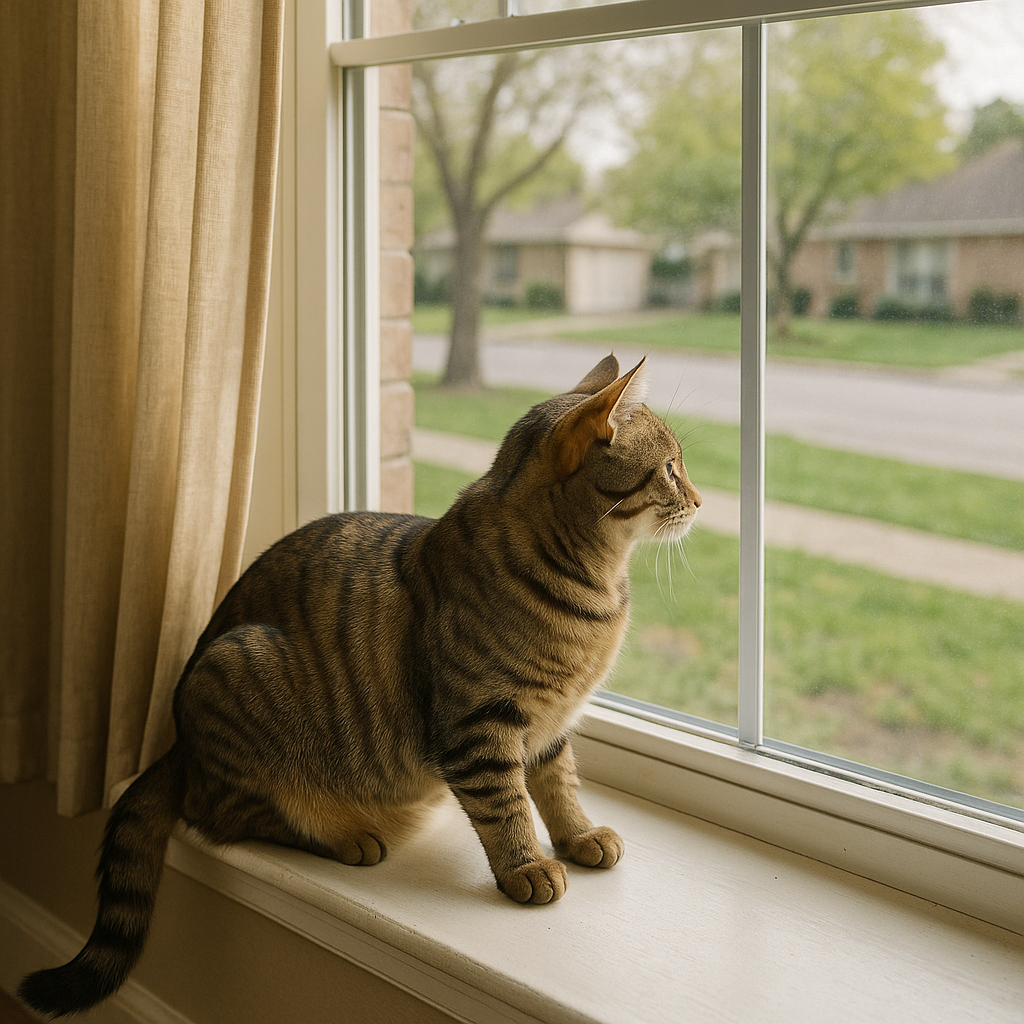
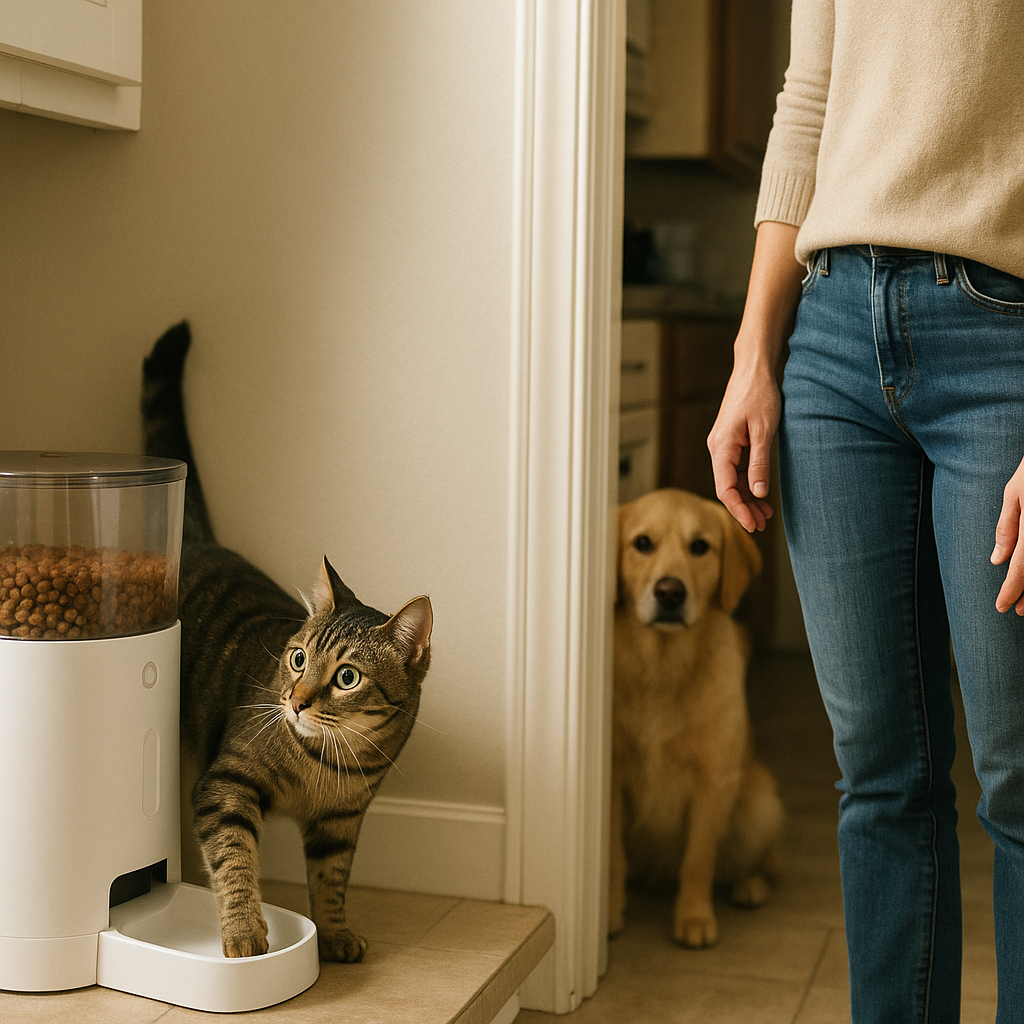
From snack demands to hallway tollbooths, pets keep repurposing the litter box like it’s a bulletin board you can’t ignore.
The sand-slinging protest when the scoop schedule slips
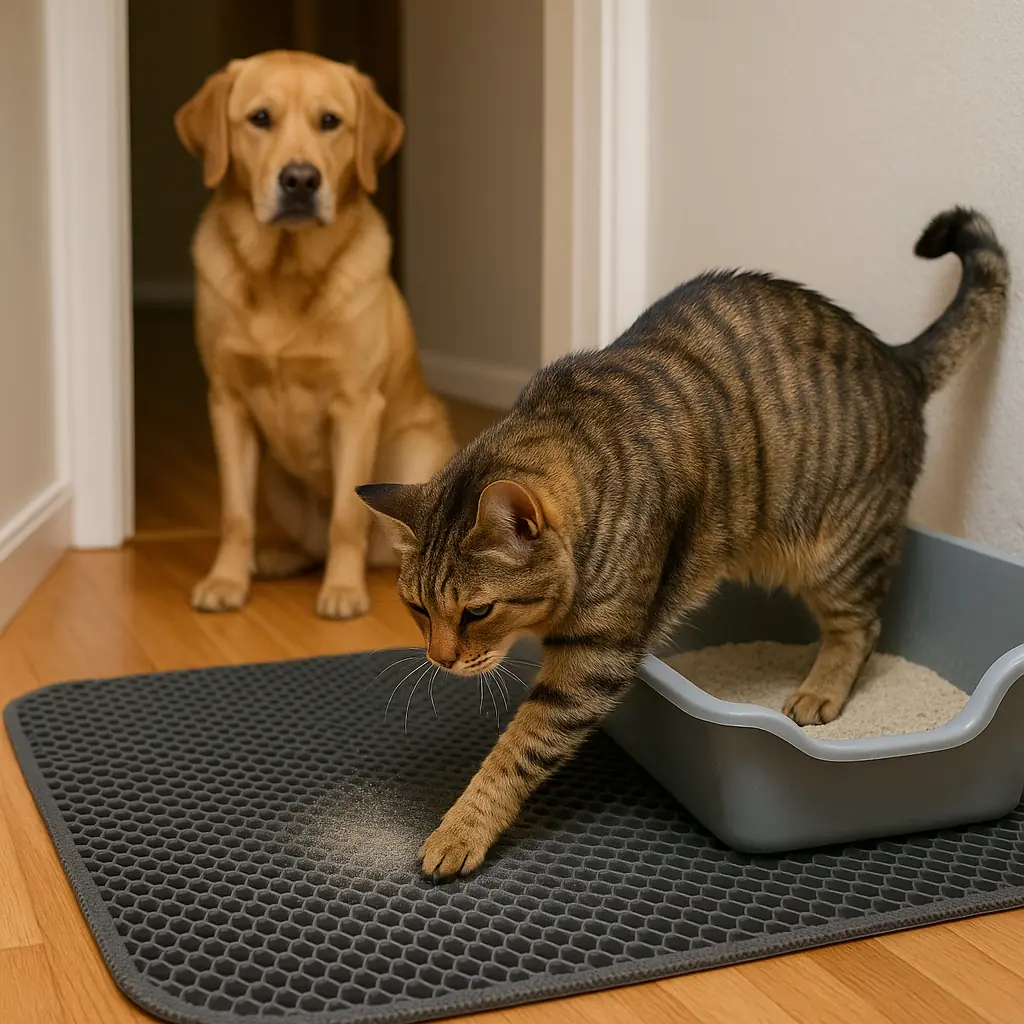
My cat doesn’t just use the litter box, she edits my routine with it. When I’ve been lazy about scooping, she doesn’t always go outside the box. She’s subtler and somehow ruder: she digs like she’s trying to reach China, then hops out and drags her paws on the mat with the kind of emphasis you’d use to wipe mud off boots. Sometimes she rakes the inside wall of the plastic pan so it makes that hollow drum sound that carries down the hallway. The message is clear: the box is open for business, but not this business.
Dogs notice this too, which is how it turns into a household rule negotiation. My dog has learned that the scoop happening means human attention, plus a door opening (to toss trash), plus often a treat because I’m trying to keep him out of the room. So he hovers nearby like a manager. The minute the cat starts her dramatic digging, he appears in the doorway, very polite, very observant, like he’s taking notes for a performance review.
What makes it funny is how fast a simple rule becomes a suggestion. The rule is: pets don’t run the cleaning schedule. The counterproposal is: we can make it so annoying you’ll do it right now. If you’re dealing with the percussion concert, a high-sided box helps, and a bigger litter-catching mat (the kind with a honeycomb top layer) cuts down on the sand she flings when she digs in protest. But the real fix is boring: scoop before the soundtrack starts, because once they learn the box gets results, they’ll keep using it as their comment card.
When the box becomes a bulletin board for the dog’s nose
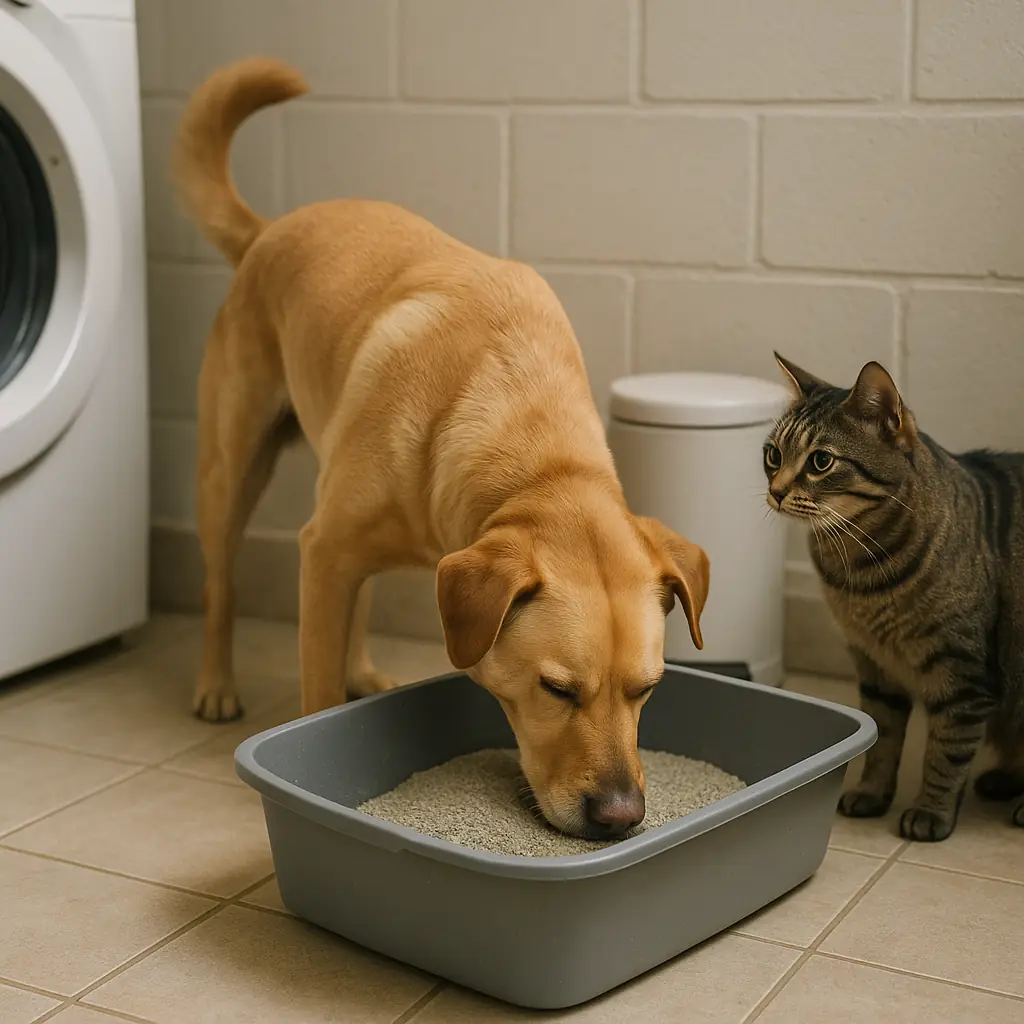
Every house has rules that exist purely because someone in it is a goblin. In mine, the rule is: the dog doesn’t get to inspect the litter box. He disagrees. He treats it like a community bulletin board where the cat posts updates and he shows up to read them with his whole face. He’s not even sneaky about it. He’ll do that slow, careful step into the laundry room, nose working, tail going, like he’s tracking a deer. Then he plants his snout on the rim and inhales like he just opened a new bag of kibble. If I say his name, he freezes, and I can almost hear the internal legal argument: I am not touching it, I am gathering information.
This is where ordinary household rules turn into suggestions in real time. You think you’ve set a boundary. They think you’ve defined a game. The cat knows exactly what she’s doing, too. She’ll hop out, walk two steps, then circle back and stand beside the box with a calm little look that says, go ahead, violate the rule, see what happens. If the dog gets too close, she swats the air near his cheek (no claws, just a warning tap), and he flinches like he’s been caught cheating.
If you want the litter box to stop being the dog’s favorite newsletter, you have to change the layout, not your volume. A baby gate with a small pet door cutout works if your cat is agile and your dog isn’t. Some people use a top-entry box; that can help, but only if your cat will tolerate the jump and doesn’t mind a lid. I also keep the scoop and a small trash can with a tight lid right there, because leaving clumps exposed is basically pinning an extra flyer to the board. None of this makes the dog less curious. It just makes the rules harder to negotiate.
The midnight hallway tollbooth: one paw in, one paw out
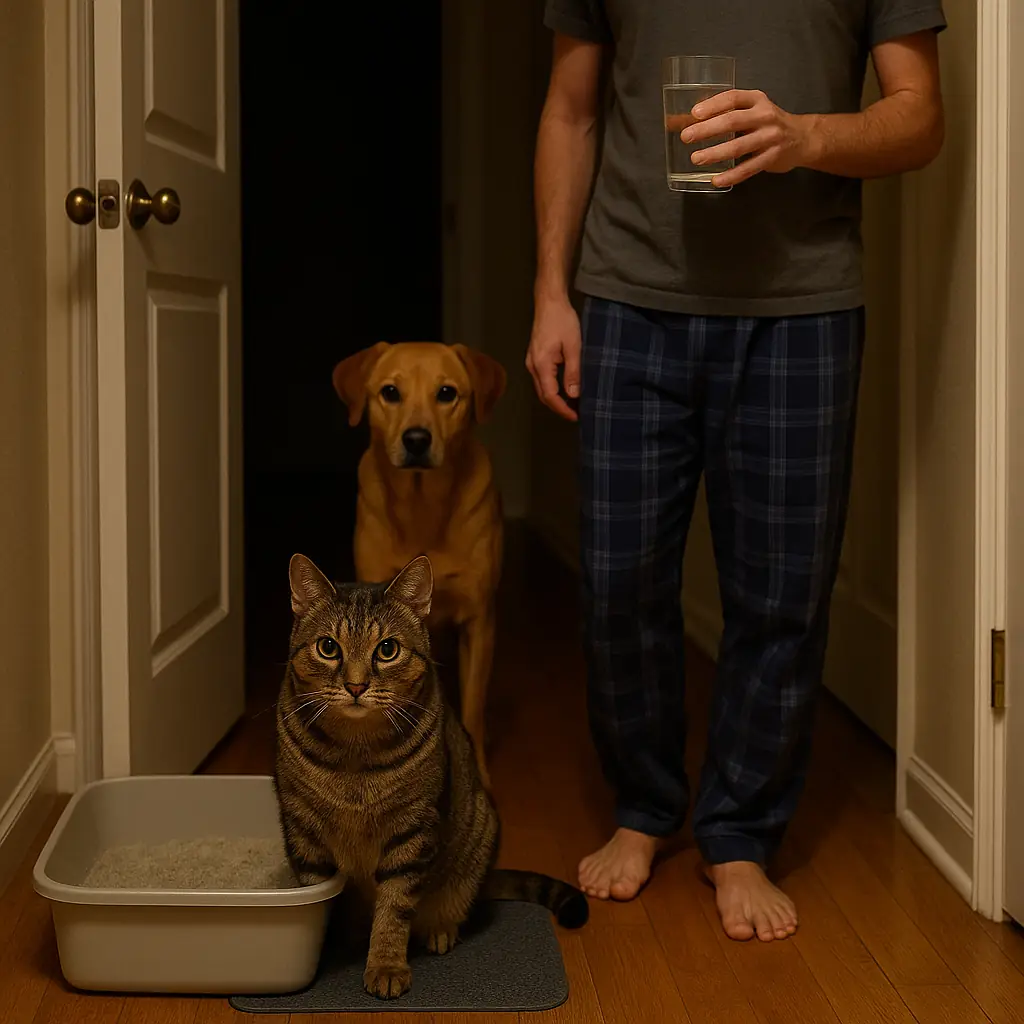
I didn’t realize the litter box had a second job until I tripped over the politics of it at night. The rule in my head is simple: the hallway stays clear, because I’m half asleep and carrying a glass of water like it’s a sacred object. The pets have their own zoning plan. If the litter box sits near a doorway or a narrow pass-through, it becomes a tollbooth. The cat will stand with her front paws on the mat and her back paws still in the box, as if she’s keeping one foot in her office. She isn’t using it. She’s posted up.
She does it when she wants something, and she knows the dog will back her up. I have watched this tiny dictator block the hall, glance at the dog, and the dog immediately takes position behind her like security. Now I’m negotiating passage with two animals who cannot pay rent. I step around them and they follow, close enough that I can feel whiskers and breath at my ankles. If I try to move the box during the day to stop this, the cat supervises the relocation like I’m rearranging a museum exhibit. She’ll inspect the new corner, paw the litter once, then stare at me as if to say, you’re not improving anything.
The funniest part is how it rewrites household rules without a sound. No barking, no meowing. Just placement and posture. If your box is currently doing double duty as a traffic cone, shifting it even 18 inches can break the choke point. Put it where the cat can still see the room (they like a view), but not where it pinches the hallway. A low night-light nearby also helps, not because it stops the scheme, but because you stop stepping on the edge of the mat, getting that gritty litter-underfoot feeling, and losing the argument immediately. They don’t need words. They have real estate.