Most cat owners never think about their pets in terms of price tags. But in the world of rare cat breeds, some people spend the same amount of money they would on a luxury car or even a house down payment. These cats are expensive for a reason. Some are incredibly rare, others are difficult to breed, and a few have waiting lists that stretch for years.
Social media has made these breeds even more popular, especially cats with unusual appearances or wild-looking features.
Peterbald – $1,400 to $3,500
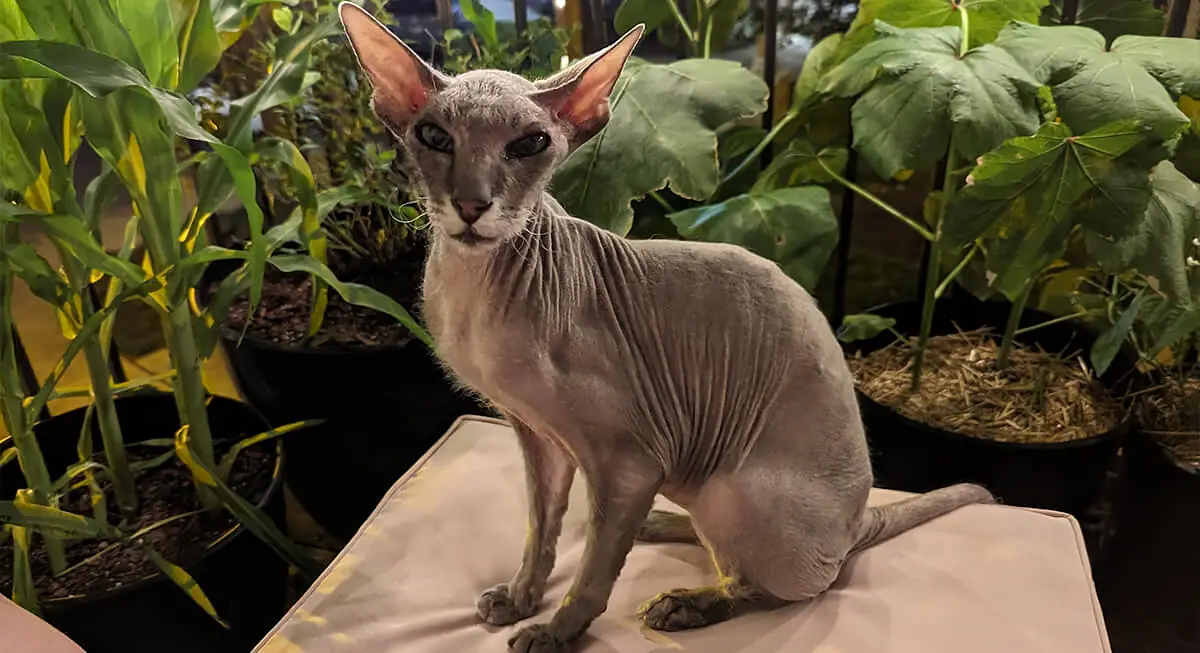
Russian experts introduced the Peterbald breed in the 1990s by crossing Don Sphynx cats with Oriental Shorthairs. The breed quickly gained attention because of its slim frame, oversized ears, and unusual coat variations. Certain Peterbalds appear almost completely hairless, though others carry short, fine coats across parts of the body.
British Shorthair – $500 to $6,000
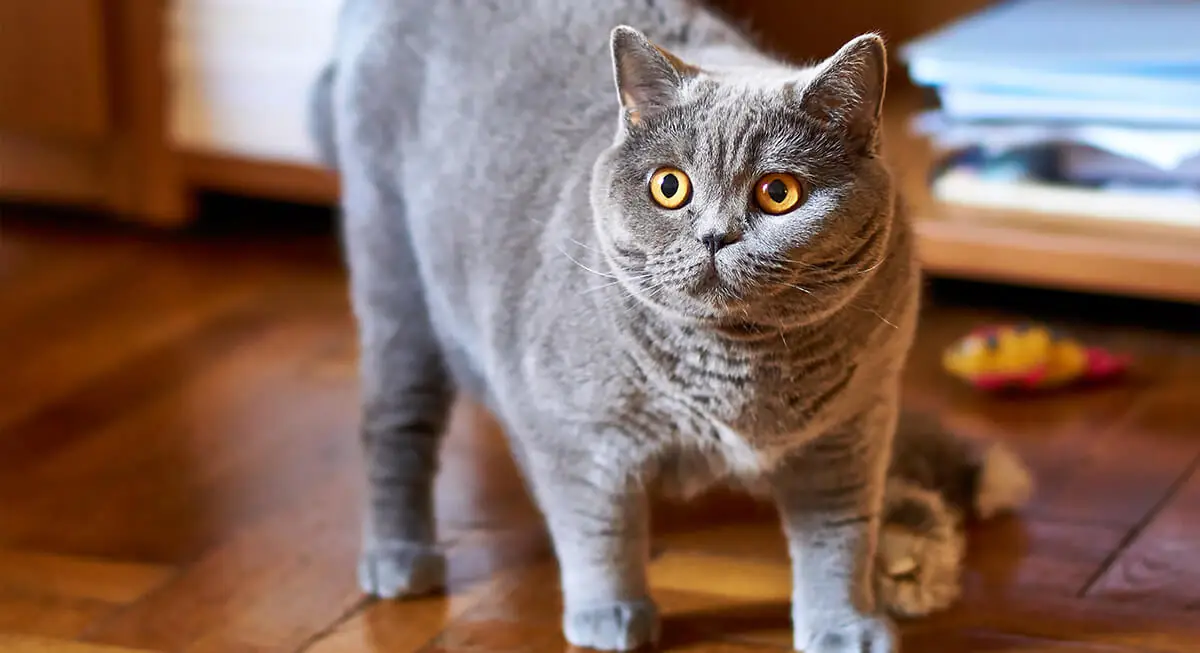
You can easily tell British Shorthairs apart by their round faces, dense coats, and wide eyes, which give them an almost plush appearance. People usually appreciate these for their calm personalities and adaptable nature in domestic life. British Shorthairs also require less supervision than highly active hybrid breeds.
Maine Coon – $200 to $7,000
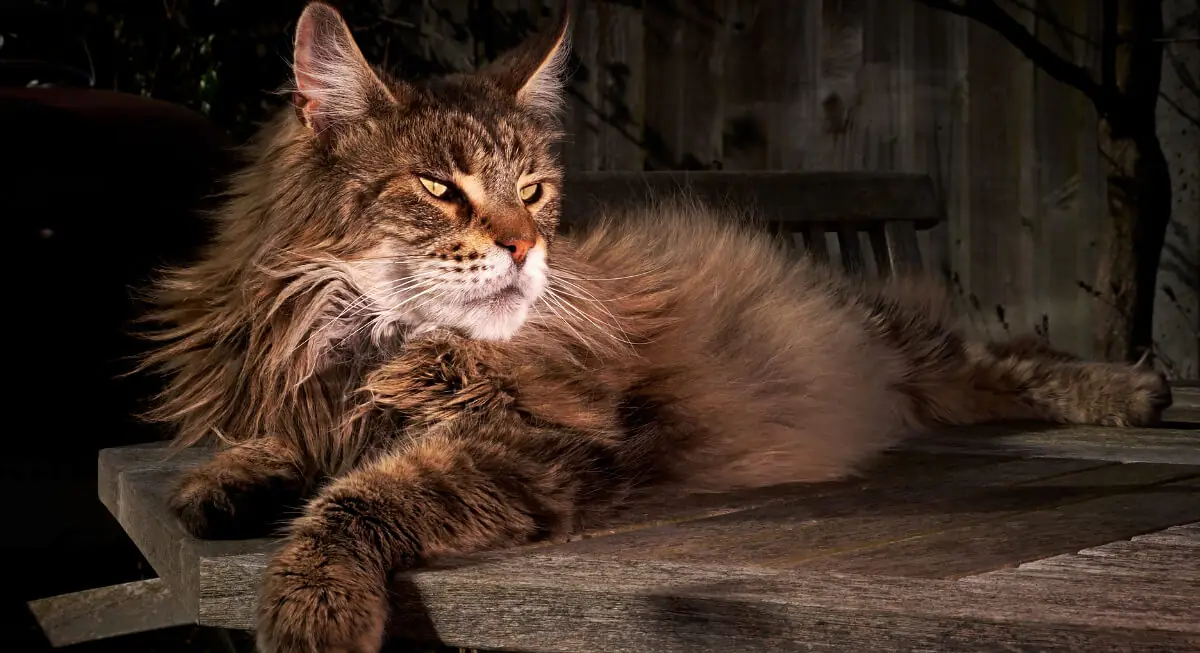
The Maine Coon became one of the most sought-after domestic cats in the luxury pet market, thanks to its large size. Adult males can grow significantly larger than standard house cats, which gives them an unmistakable physical presence indoors. Specialists tend to focus heavily on coat quality, temperament, and body size when producing expensive bloodlines.
Sphynx Cat – $1,500 to $10,000
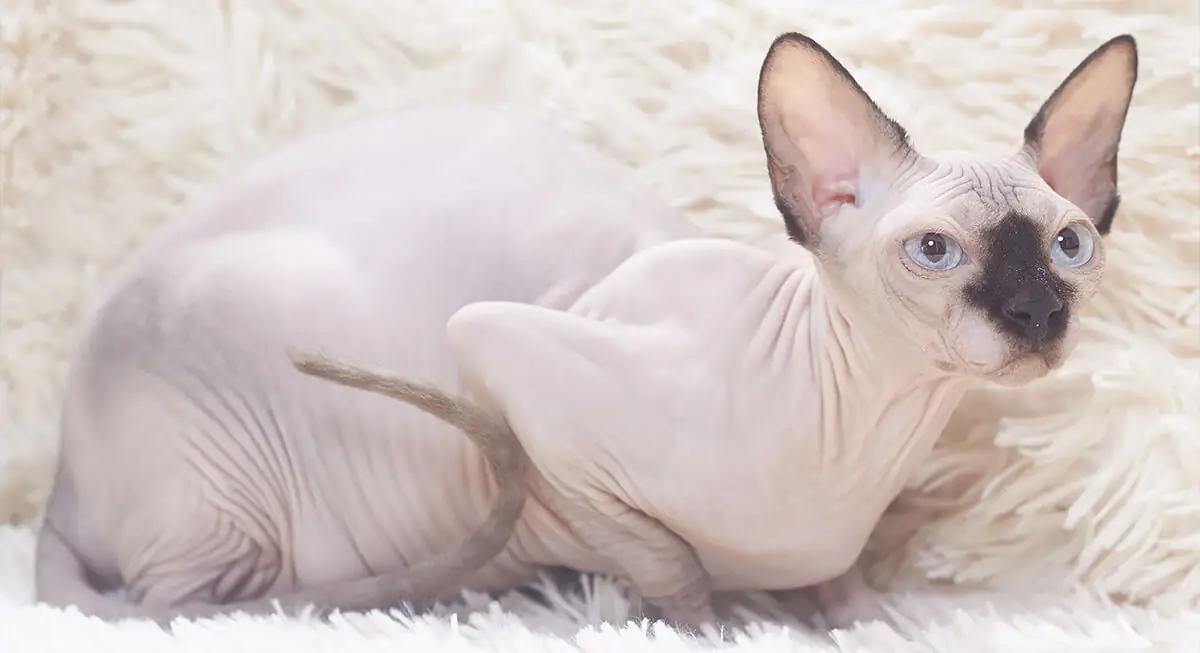
This breed appeared in popular television shows, including Friends, where Rachel owned a hairless cat during later seasons. The breed developed through natural genetic mutations connected to hairlessness, which immediately gave it an unusual look compared to traditional house cats. Maintaining healthy bloodlines requires careful breeding management, which explains the consistently high prices.
African Serval – $3,000 to $10,000
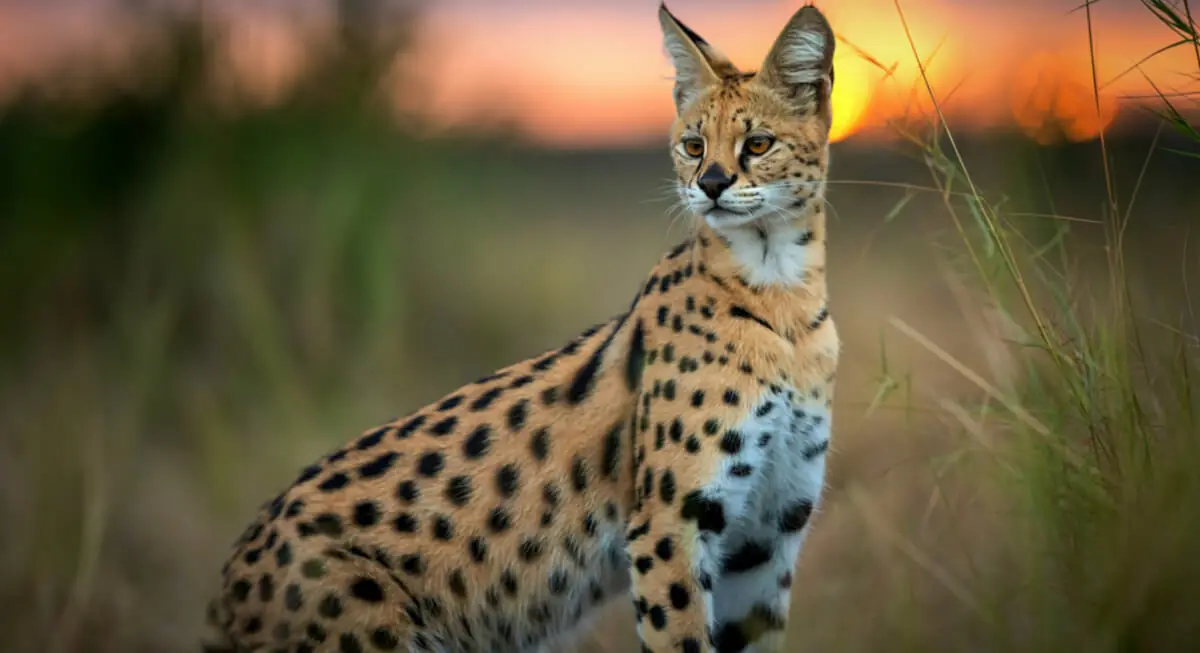
Wild servals rarely feel comfortable in ordinary households because they still retain strong hunting instincts and active behavior. Long legs and oversized ears help African servals survive efficiently throughout grasslands in their native habitat. As a result, costs rise far beyond the purchase price, as permits, outdoor enclosures, and specialized diets remain necessary.
Khao Manee – $7,000 to $11,000
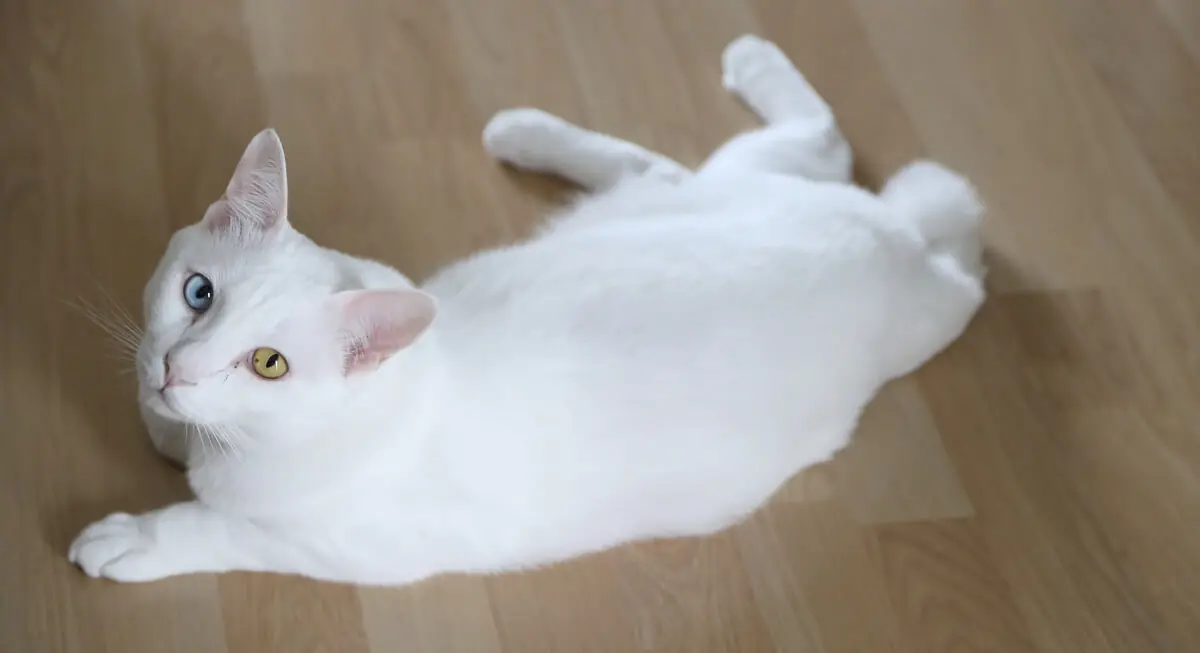
Thailand historically associated the Khao Manee with wealth and good fortune, which helped preserve the pet through royal ownership and restricted breeding. Bright eyes and pure white coats have helped them develop an immediately recognizable appearance that collectors value today. Modern breeders still produce limited numbers outside Southeast Asia, which drives up prices across international markets.
Persian Cat – $1,000 to $20,000
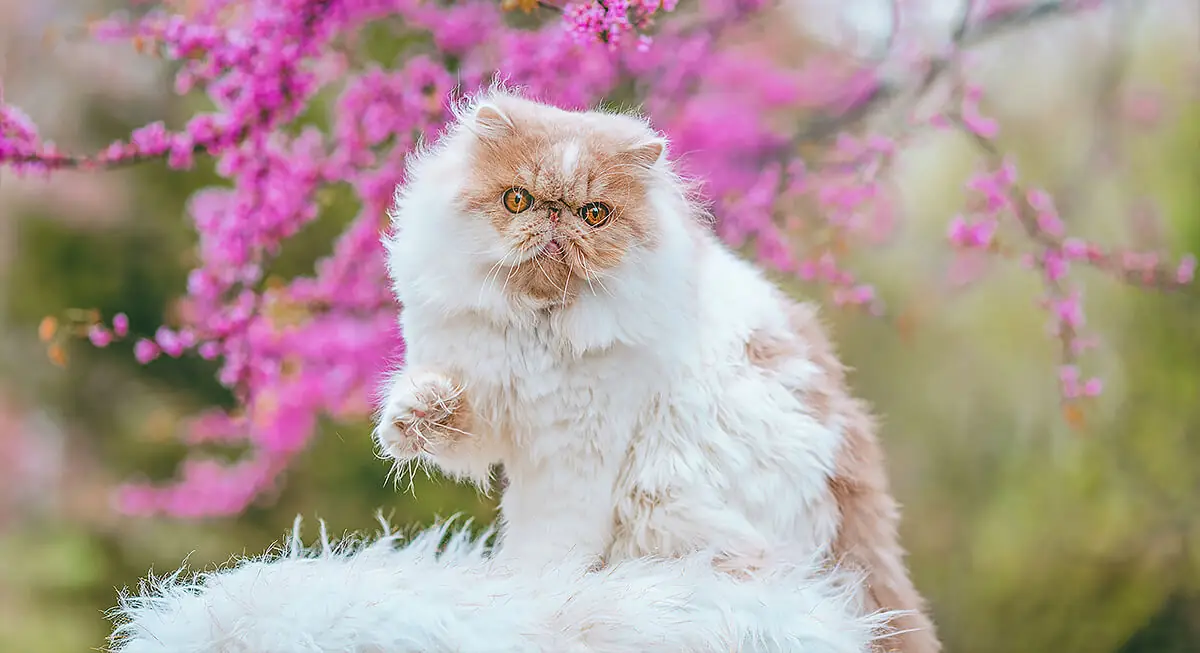
Long before exotic hybrid cats became a trend, Persian cats were already associated with luxury and wealth. Show-quality Persians, especially those with silver or Chinchilla coats, can sell for extremely high prices through specialized breeders. Their long, thick fur also requires constant care because it tangles and mats easily without regular brushing.
Bengal Cat – $1,000 to $25,000
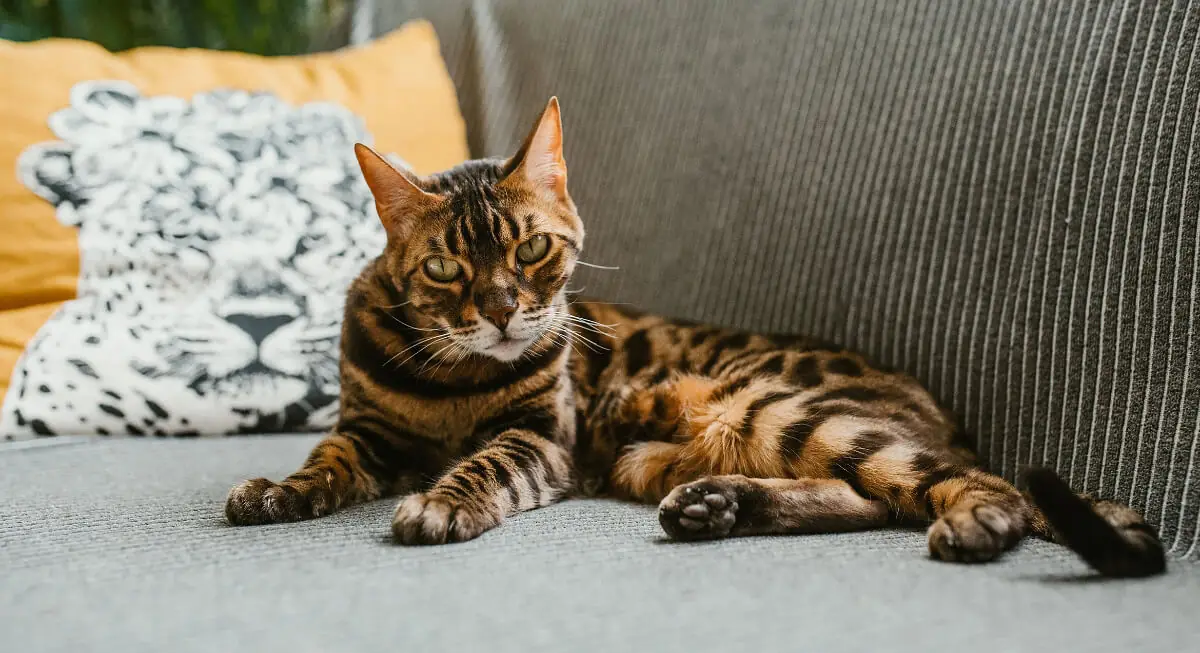
One of the most visually distinctive breeds you will find today is the Bengal cat, largely on account of their leopard-like markings and athletic body. They were developed by crossing Asian leopard cats with domestic breeds selected for calmer temperaments. Various Bengals also develop an unusual fascination with water, which explains why videos of them in sinks and bathtubs spread rapidly across social media.
Savannah Cat – $1,500 to $50,000
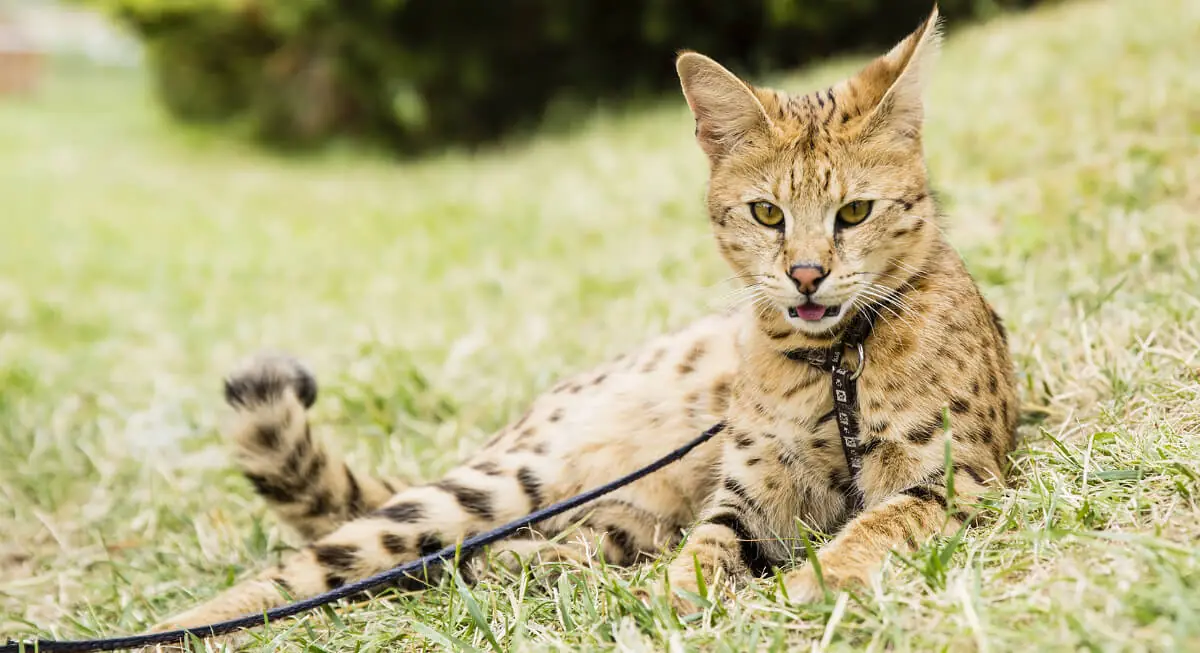
What most people do not realize is that breeding early-generation Savannah cats can lead to major fertility complications, which explains why older hybrid lines cost so much. F1 types can sell for tens of thousands of dollars as breeders struggle to produce them consistently through specialized programs.
Ashera – $75,000 to $125,000
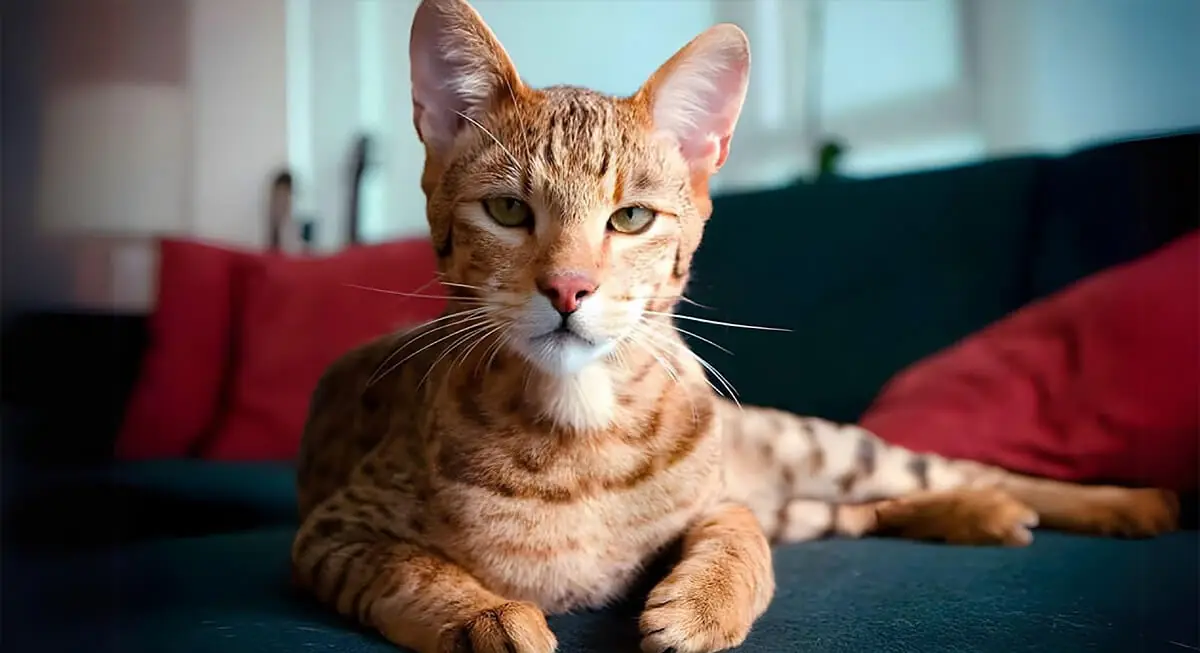
A single Ashera can cost more than many luxury vehicles, with prices reaching $125,000 through specialized sellers. It combines African serval, Asian leopard cat, and domestic cat genetics into one large hybrid. If you want one, you will have to sign a contract and wait months before you can bring one home.