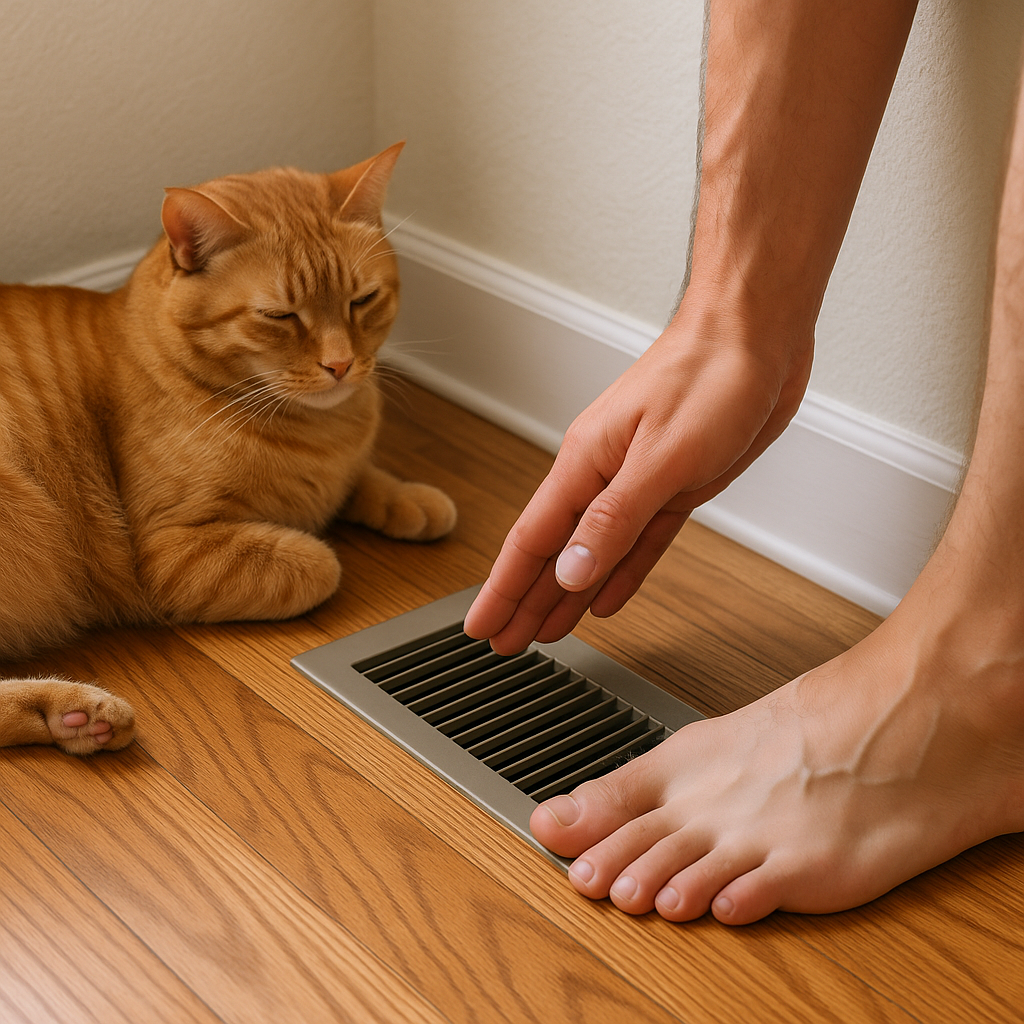
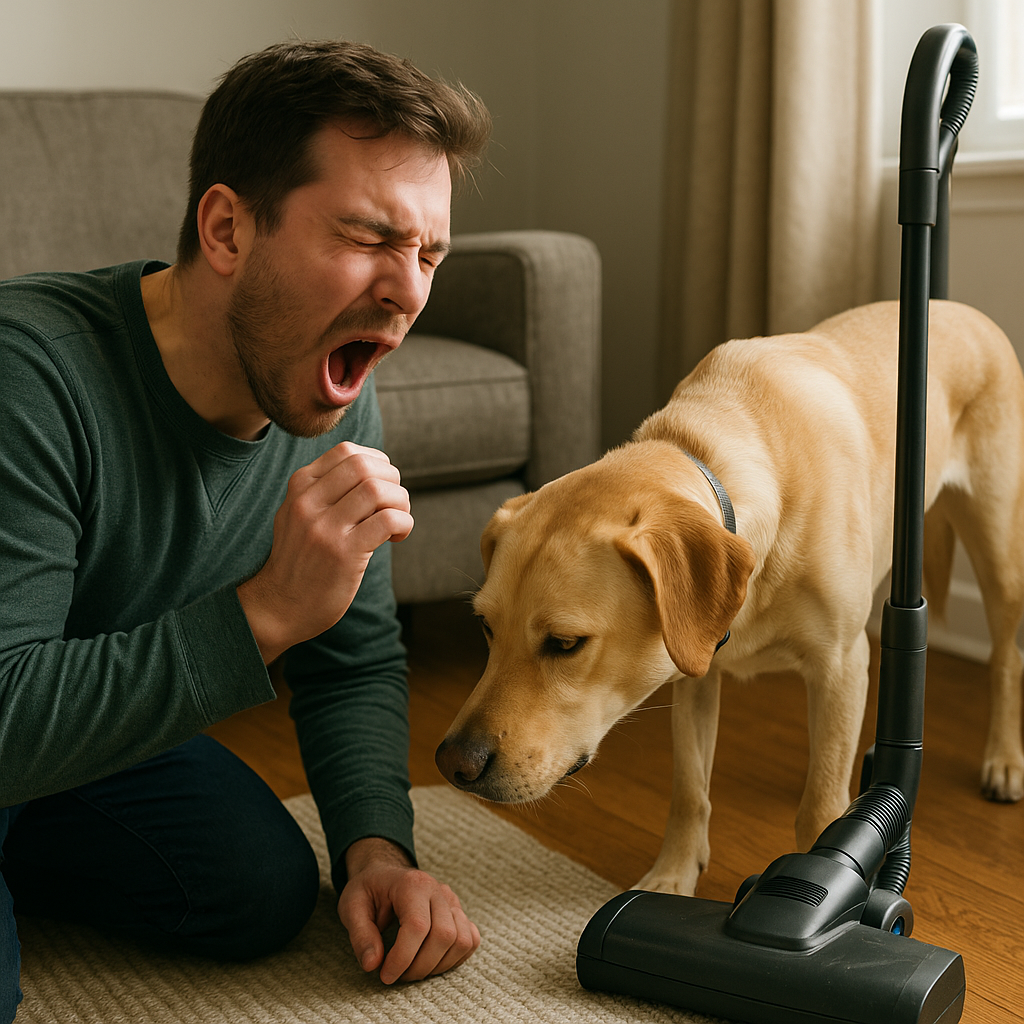
Scent wins: here are three ways pets pick sleep spots based on what smells most like safety (and you).
The hoodie draft: how your pet edits your scent
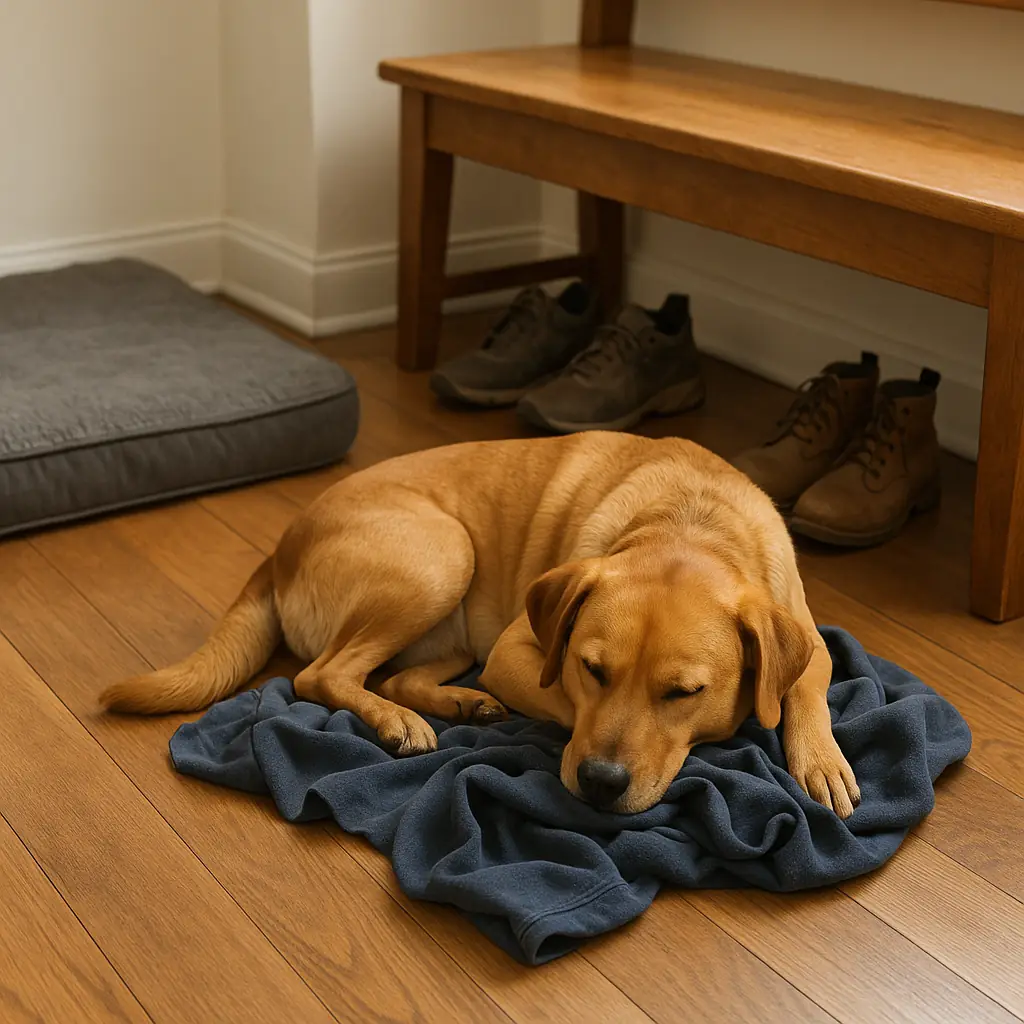
My dog has a whole orthopedic bed that cost more than my last pair of sneakers. He still makes a beeline for the hoodie I wore while mowing the lawn, especially if I left it in a sad little heap by the mudroom bench. It took me an embarrassingly long time to realize he wasn’t picking the softest surface, he was picking the strongest, freshest version of me. Fabric is basically a scent sponge. A worn hoodie isn’t one smell; it’s layers. Detergent residue, skin oils, whatever you cooked, the outside air from a quick run to grab the mail. To a pet, that mix reads like a location tag and a person tag at the same time.
If you want to test this (and stop donating every sweatshirt to the cause), do a simple swap in your living room. Put their bed where it normally lives. Next to it, place two items: one freshly washed T-shirt and one worn once or twice, no perfume, no fabric softener sheets clinging to it. Don’t pet them over there, don’t call them, don’t make it a thing. Just watch where they settle when the house goes quiet and the Netflix dialogue drops low. Most pets will nose the clean shirt like it’s fine, then circle the worn one like it has the correct password.
What’s happening is less mystical than it looks. A clean bed from the store smells like warehouse, plastic wrap, and whatever the manufacturer used in the foam. Meanwhile your hoodie smells like the person who opens the back door, fills the food bowl, and knows where the good treats live. If your pet keeps choosing the laundry pile, try “seasoning” their bed by tucking a worn cotton pillowcase over one corner for a few nights. Not the whole bed, just a patch they can choose. Once they start parking there, you can rotate the fabric out when you wash it, like you’re updating the scent signature without nuking it.
Why the vacuum-bag corner suddenly becomes prime real estate
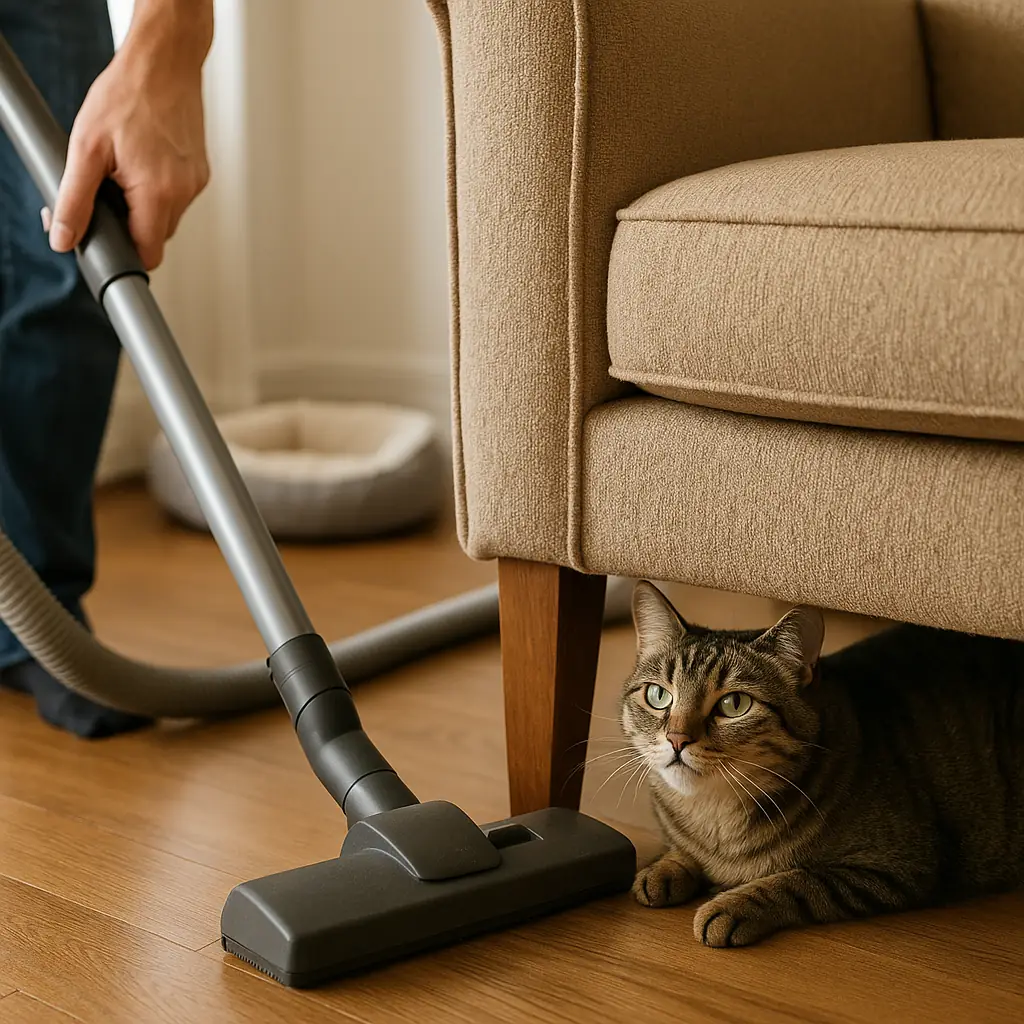
There’s a specific look my cat gives me after a cleaning spree: offended, betrayed, and mildly impressed I found the baseboards. Then she disappears and reappears asleep in the one spot I didn’t touch, usually behind a chair leg where the vacuum can’t quite fit. It’s funny until you connect the dots. We think of cleanliness as visual. Pets experience it as a total scent rewrite.
Even if you’re using a basic unscented cleaner, the act of cleaning changes the map. Vacuuming lifts up hair, dander, and the little scent markers pets leave along their normal routes. Washing throws in detergent perfume, and even so-called fragrance-free products can have a noticeable smell to an animal that lives with their nose in the world. That’s why a random corner can become a sudden nap HQ after you run a Shark or a Dyson through the room. It’s not that the corner is magical. It’s that the corner still smells like yesterday.
If you’ve ever wondered why your pet abandons their bed right after you launder the cover, this is it. You didn’t just refresh it, you erased it. A move that works better (and still keeps things from getting gross) is to stagger the wash. Wash the cover, but don’t wash every blanket and pillow they use in the same day. Leave one small throw unwashed for a cycle and drape it over part of the bed when you put the clean cover back on. That gives them a scent bridge back to the spot.
Two practical notes from doing this wrong: skip dryer sheets around pet bedding, because the smell can be loud, and don’t try to “fix” it by spraying the bed with your perfume or cologne. That doesn’t read like you to a pet. It reads like a chemical cloud. If you want the bed to smell like you, use something that naturally picked up your skin scent, like an old T-shirt you slept in, and swap it out as it gets funky. Your pet isn’t being dramatic. They’re just choosing the place that still feels like their house.
The door-mat nap and the outside-world scent buffet
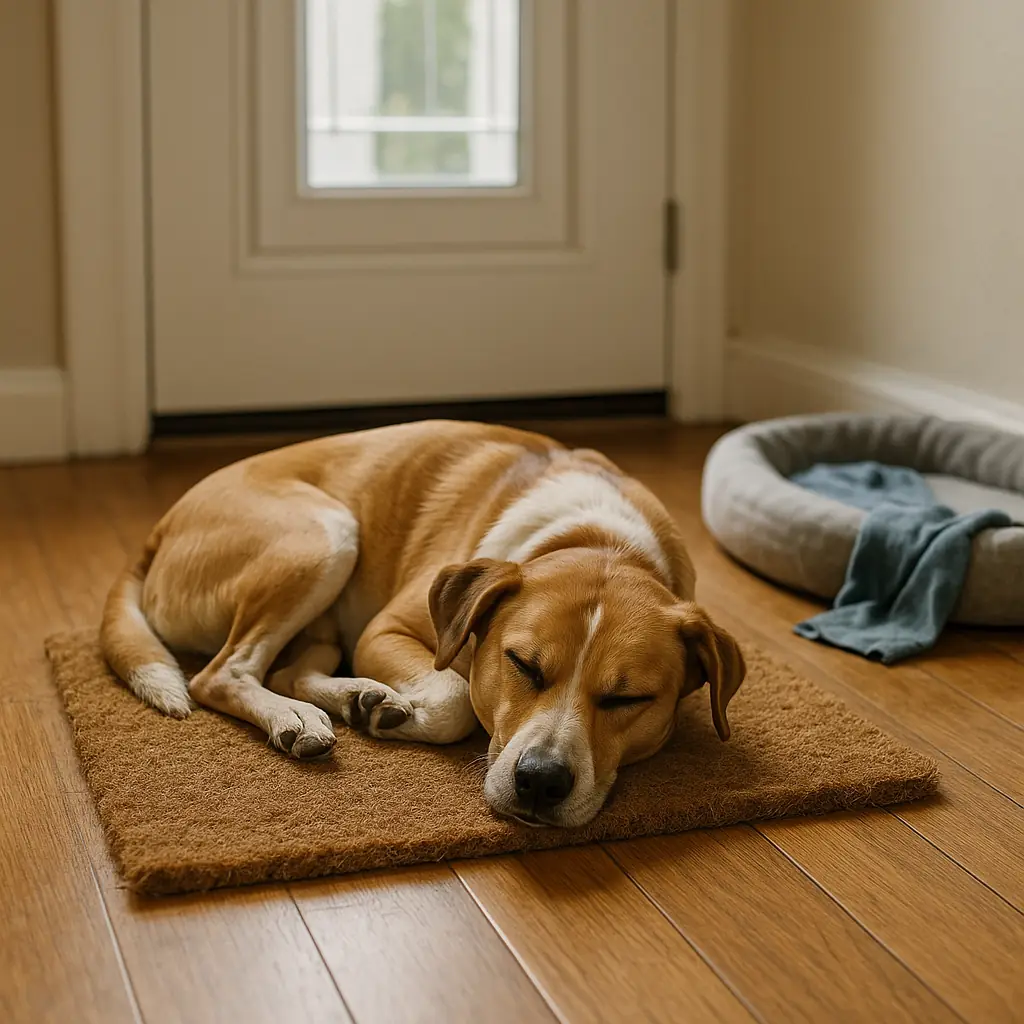
One of the weirdest places I’ve watched a dog choose for a nap is a coir doormat. Not a plush rug, not the couch, not even the sunny rectangle on the hardwood. The mat. It looked uncomfortable enough that I kept thinking, He’ll move in a minute. He didn’t. He slept like he clocked in for a shift.
The only explanation that matches what I see day to day is that some pets pick a sleep spot the way I pick where to sit in an airport. I don’t want the comfiest chair, I want the spot where I can see who’s coming and going. The doormat is a scent bulletin board. Every shoe that walks in drags in a story. Soil, grass, sidewalk grit, the neighbor’s dog from the mail carrier’s route. Even if your place is quiet, that entryway is where the outside world leaks in. For a pet who runs their life on smell, it’s like falling asleep next to an open group chat.
You can lean into this without letting your entry turn into a fur trap. Try placing a small, washable cotton rug or bath mat a foot or two inside the door, not directly in the traffic line. Let it be the spot that collects the interesting stuff. Then keep their actual bed nearby, slightly off to the side, and drape a worn sock-free T-shirt on the bed edge so it carries a familiar home note. The pattern I’ve noticed is that they do a first patrol curl-up on the scent-heavy mat, then migrate to the bed later when the house settles and the need to monitor drops.
If your pet is obsessed with the entryway, it doesn’t automatically mean anxiety or a behavioral issue. Sometimes it’s just a preference for a place that smells current. And yes, it can be annoying when you’re trying to step over a sleeping lump with grocery bags. But once you realize the doormat is functioning like a newsfeed, their choice stops feeling random. It’s strategic. Just not for the reasons we usually assume.