
Pet ownership has never been without a hefty price tag, but in 2026, that price tag seems to have gotten heftier. According to a MetLife Pet Insurance report, the average pet parent spent about $2,360 on their pet in 2025. Food, vet bills, grooming, and supplies have all gone up, and pet parents are feeling it. The good news is that, with a little strategy, those expenses can feel lighter than they are without shortchanging our furry besties.
Vet Bills
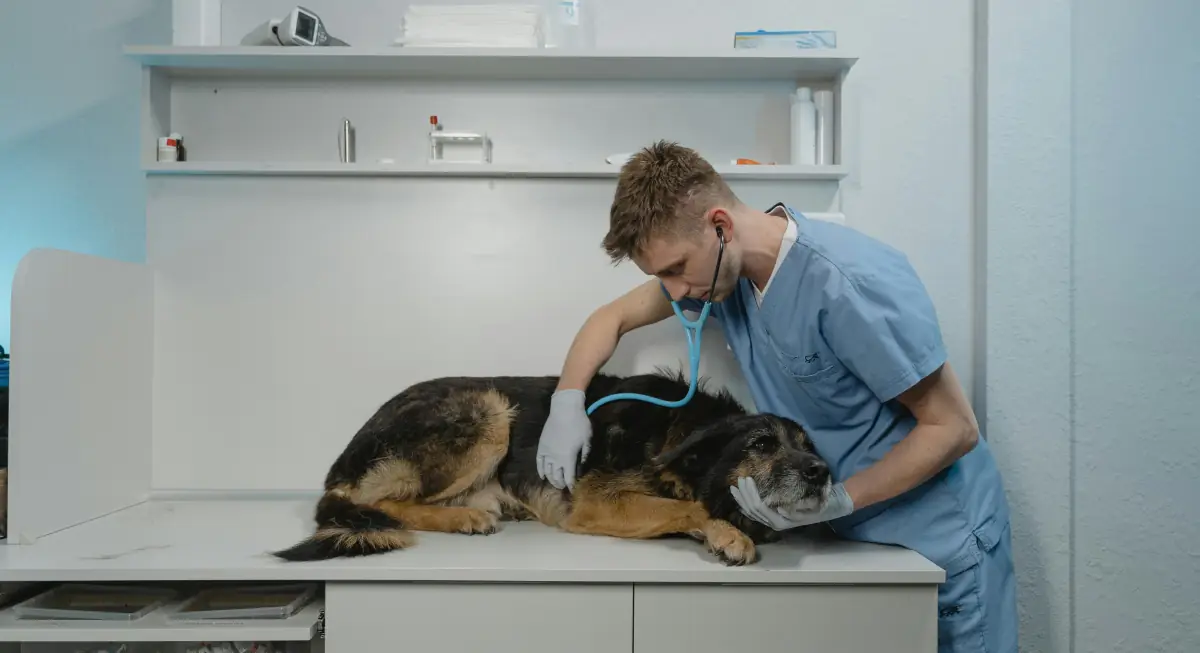
Health-related costs now average over $1,100 per year for pet owners, according to MetLife. Routine checkups, vaccinations, dental cleanings, and the occasional emergency visit add up quickly. Regular exams and parasite prevention are usually cheaper than dealing with a problem later. It also helps to ask your vet which vaccinations are actually needed at each visit, since not all are required every time.
Pet Food Prices

Inflation hit the pet food aisle hard, as the Bureau of Labor Statistics reported that pet food and treats rose 2.2% year over year. Buying in bulk or setting up a subscription service through retailers like “Chewy” can trim that expense. Just remember to cancel or pause subscriptions when supply exceeds demand, as that plan to save can turn into a pile of unopened bags.
Dog Ownership Costs

Rover’s 2025 “True Cost of Pet Parenthood” report estimates that owning a dog costs between $1,390 and $5,295 per year, depending on breed, size, and health needs. Over an average lifespan of about 10 years, that adds up to roughly $34,550. Larger breeds usually cost more because they need more food, medication, and boarding. If someone is still choosing a dog, it makes sense to consider long-term costs by breed before committing.
Cat Care
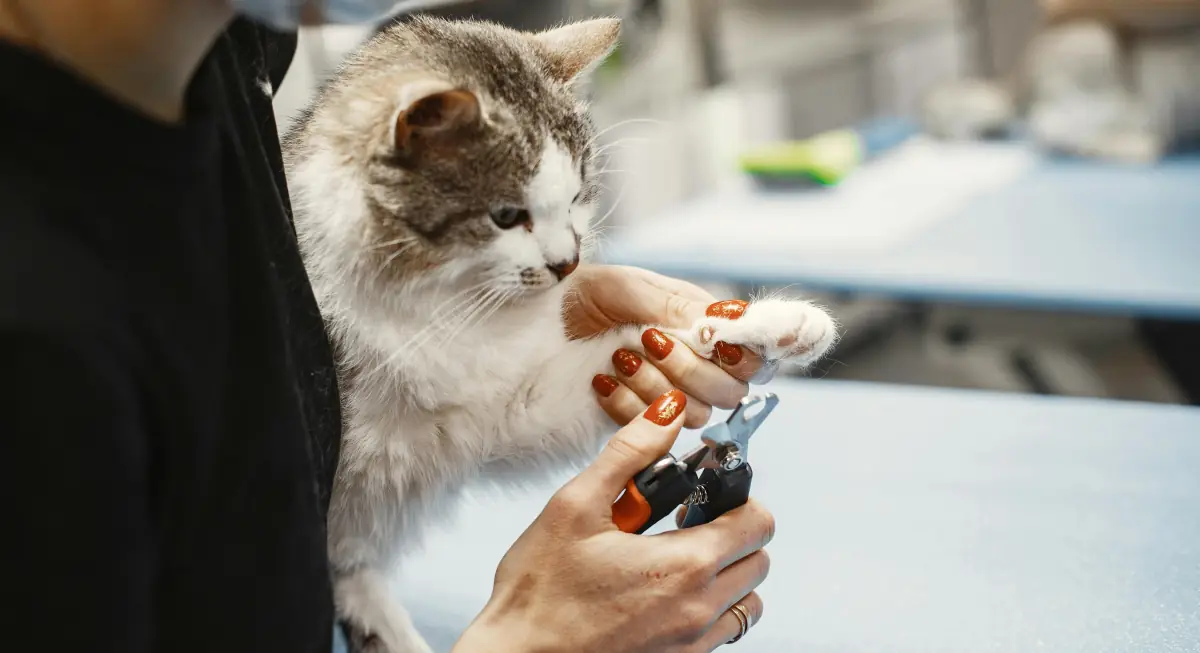
Cats have a reputation for being low-maintenance, and the numbers support that to an extent. Annual cat care can run between a few hundred and four digits, easily running into five digits over 16 years. Dental disease is common in cats, with some studies suggesting that up to 70-80% of cats over 3 years old show signs of it. Regular brushing at home and annual vet checkups can reduce the risk and catch issues early.
Grooming Bills
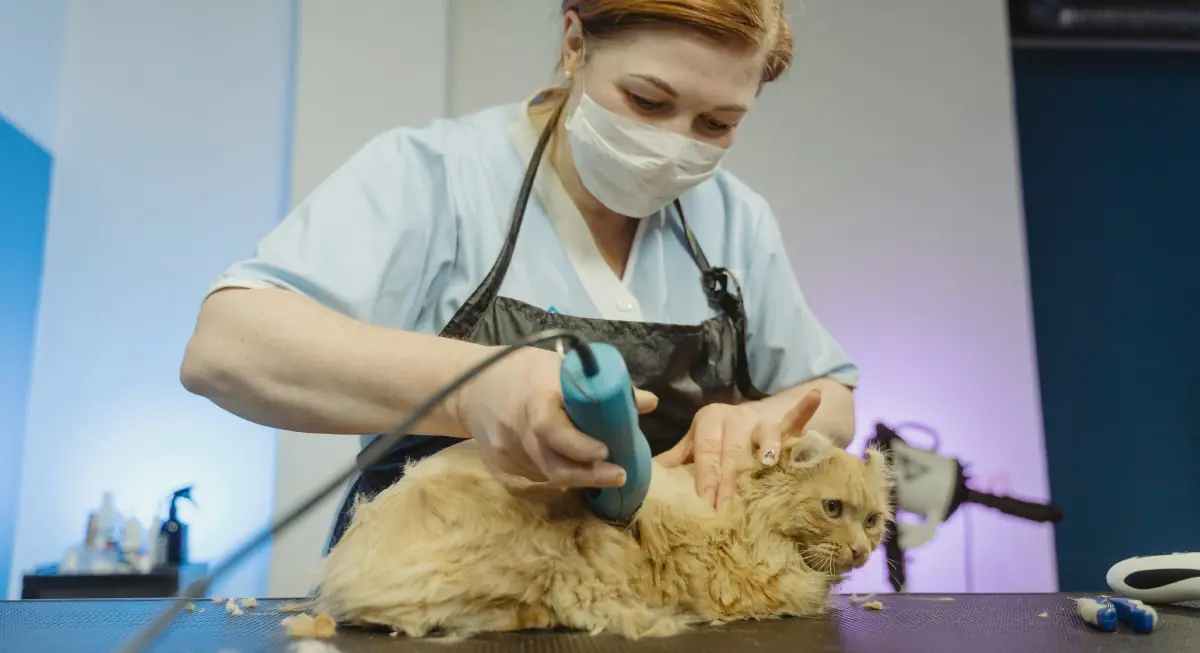
For long-haired or high-maintenance breeds, professional grooming appointments happen relatively frequently. Brushing, nail trimming, and ear cleaning are all skills a pet owner can learn at home without much difficulty. YouTube has a library of breed-specific grooming tutorials, and many veterinary clinic websites publish basic grooming guides. Starting with one skill at a time can make the learning curve less overwhelming.
Pet Insurance Enrollment

Around 18 percent of pet owners consider pet insurance as a cost-reduction tactic, according to data from “Rover.” That line of reasoning adds up because insurance can soften the blow of unexpected diagnoses or accidents. Premiums, deductibles, and coverage terms vary widely between providers, so shopping around is worth the time. Locking in a policy while the animal is still young and healthy can result in better rates.
Training Costs

Behavioral issues that go unaddressed early tend to become expensive problems later. Basic obedience training is manageable with consistency and the right resources, and positive reinforcement techniques are well-documented. The American Kennel Club offers free training guides on its website. A puppy that learns boundaries early is far less likely to need the kind of professional intervention that can cost up to a few hundred dollars per session.
Boarding and Pet-Sitting Rates

Boarding facilities and in-home pet sitters have raised their rates considerably over the past two years, driven by higher operating costs and increased demand. The American Pet Products Association reported that pet services is one of the fastest-growing spending categories among pet owners. Asking a trusted neighbor or a vetted friend to help during short trips can reduce that expense while ensuring the pet feels comfortable.
Prescription Medications

Veterinary prescription costs don’t always come cheap, and pet owners who fill prescriptions at the vet’s office will sometimes pay a premium. Many medications prescribed for pets are available at human pharmacies like Costco or Walmart, sometimes at lower prices. Vets are often legally required to provide a written prescription upon request. Checking GoodRx, for example, before filling anything at the clinic can be a game-changer.