Adopting a pet from a shelter sounds like a good deed—and it is—but plenty of myths still make people hesitate. Rumors about behavior, age, breed, and even the adoption process itself can turn potential adopters away before they’ve had a chance to meet the animals. Here’s a closer look at common myths about shelter pets and why they’re just not true.
Shelter Pets Are Always Damaged or Troubled

The truth is, most shelter animals were surrendered because their humans moved, lost a job, or had a life change, not because the pet did something wrong. Many of these pets just need stability again.
All Shelter Pets Are Mixed Breeds

Shelters often reflect the dog breeds most common in that region. So, if labs or shepherds are popular locally, that’s what you’ll see. Plus, breed-specific rescues often work hand-in-hand with shelters, so yes, purebreds show up more than you’d think.
They’re Naturally Aggressive

Imagine being stuck in a noisy kennel with strangers walking by all day—you’d probably act a little weird, too. A bark or growl in that setting doesn’t mean they’re Cujo. Shelters do behavior checks for a reason, and if a dog’s truly aggressive, they won’t push them out the door.
Older Dogs Won’t Bond Like Puppies Do
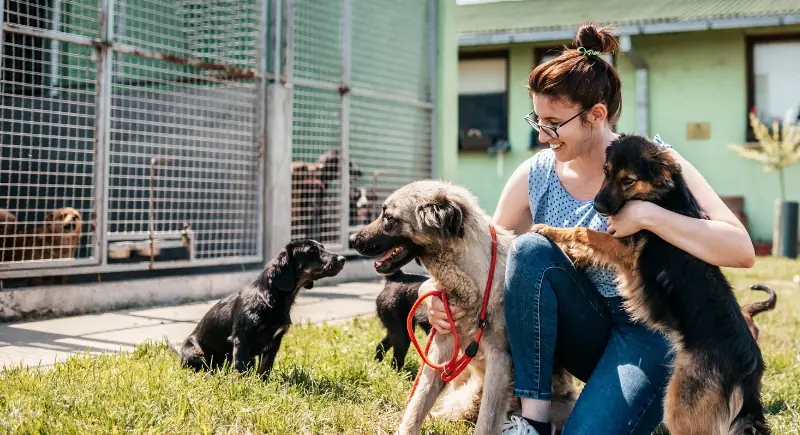
Older pets might surprise you with how quickly they bond. A lot of them already know commands, are potty-trained, and have chill energy. If anything, their gratitude and affection can be even more immediate because they know what it’s like to be without a home.
They’re All Sick or Carry Hidden Medical Issues
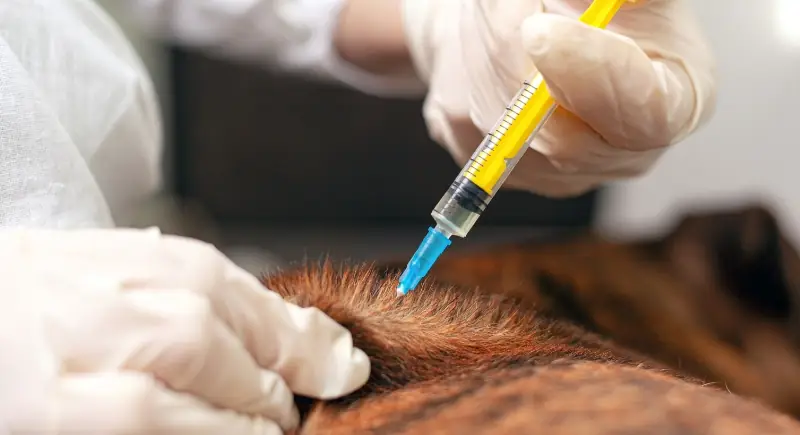
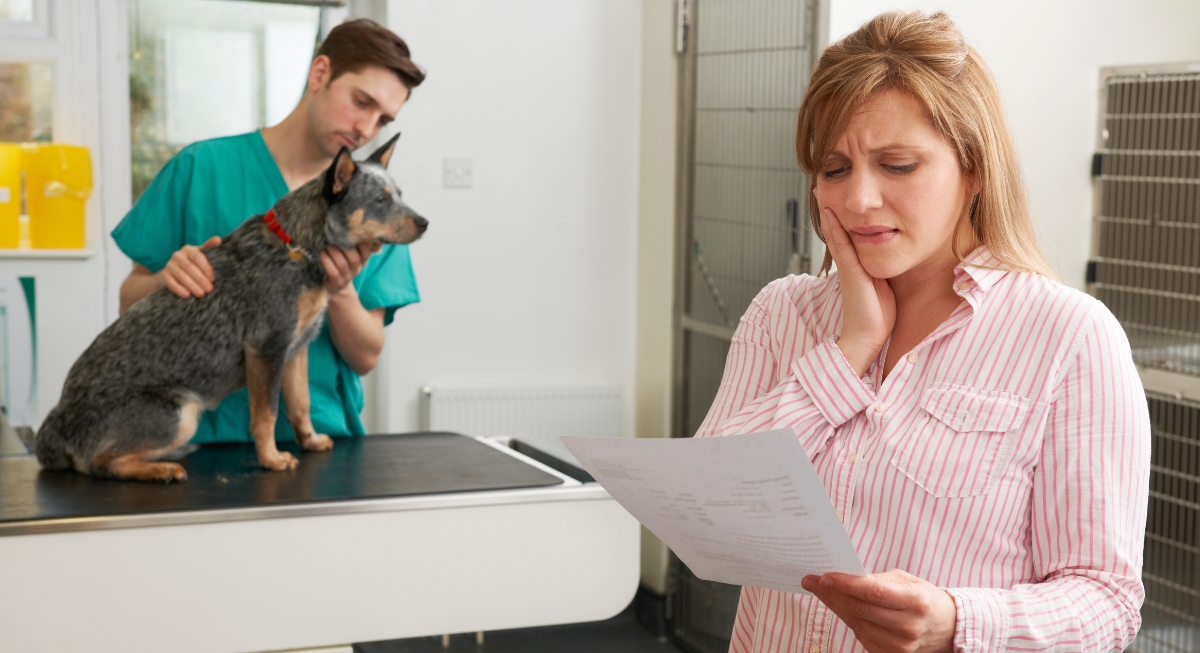
Shelters don’t hand out mystery boxes. Most dogs receive checkups, vaccinations, and are neutered before adoption. Medical issues, if present, are typically disclosed upfront with a treatment plan. Sure, no pet has a lifelong guarantee, but adopting from a reputable shelter usually means getting a well-cared-for animal.
Shelter Dogs Are Harder to Train

Many shelter dogs have already lived with families, so they’re easier to train. Sure, others might need a refresher, but so do puppies from breeders. The real difference is that shelter dogs are eager to learn simply because they finally have someone investing in them.
Adoption Takes Forever and Costs a Fortune
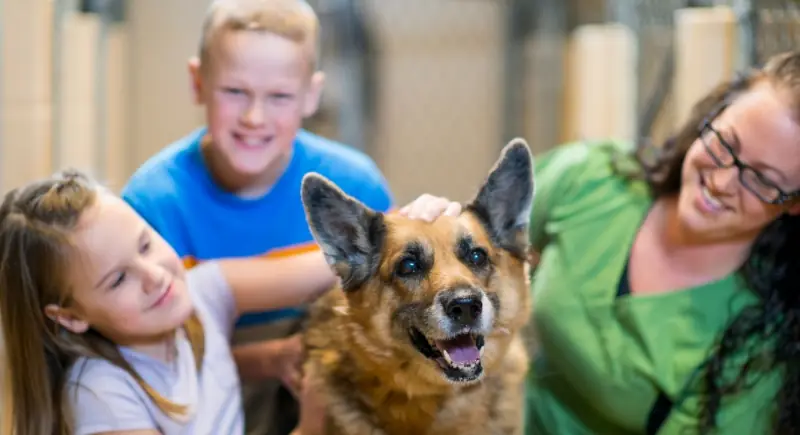
Honestly, it’s easier than most people expect. Many shelters have moved toward a more relaxed, conversation-based process. Adoption fees typically cover vaccines, microchips, and surgery. Try paying for all that privately, and it’s easy to see which is more expensive.
They’re Not Good With Kids

Many dogs already come from family homes and are used to the chaos of kids. If they’re not, shelters often test how they behave in those situations. You’ll often find pets labeled “kid-friendly,” so families know what to expect.
You Have to Wait for a Special Adoption Event

Adoption events can be fun, but shelters are open year-round. There are always pets looking for homes. If you’re ready to adopt, the right time isn’t April 30—it’s whenever you’re prepared to commit and welcome a new animal into your life.
You Can’t Adopt if You Work Full-Time

You don’t need to be home 24/7—just committed to quality time when you are there, involving walks, snuggles, maybe a treat or two. Dogs and cats are used to human schedules, and shelters often note which ones do well solo while you’re at work.
You Have to Own a House to Adopt

Renters often assume they’ll be turned away immediately, but as long as your lease allows pets and you’re committed to their care, a backyard isn’t required. Shelters typically care more about how committed you are than the size of your square footage.
You Can’t Adopt If You Already Have Pets

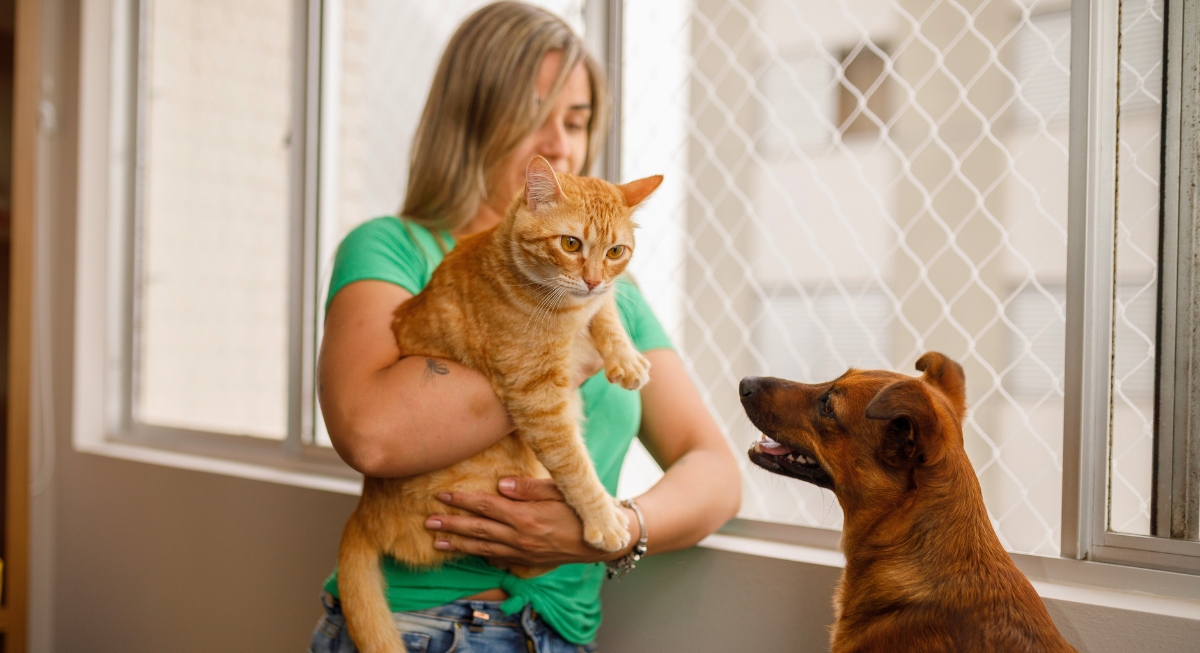
Adopting with existing pets is not off-limits—it just takes the right match. Most shelters hold “meet and greets” to test compatibility before finalizing an adoption. A multi-pet household can absolutely succeed, especially when the introduction is gradual and well-managed.
Shelter Dogs Can’t Handle Travel or Busy Lifestyles

Some people worry a rescue dog won’t adjust to road trips, crowds, or travel-heavy routines, but dogs are naturally adaptable. Gradual exposure and trust make many of them love adventures just as much as staying home.
If You Return a Dog, You’re a Failure
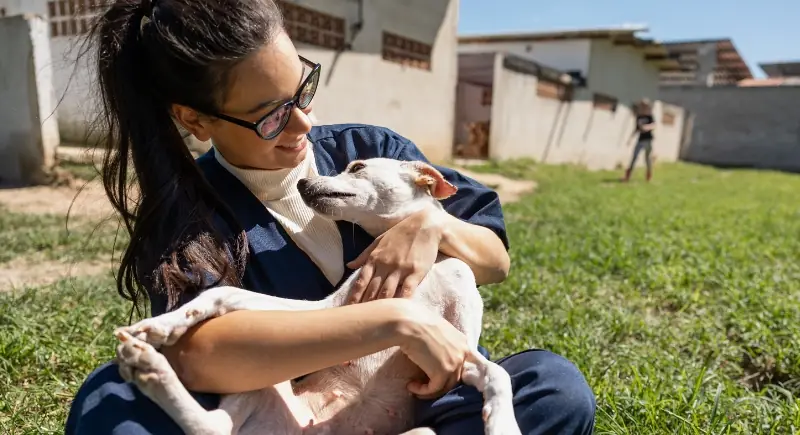
Sometimes the match isn’t right, and that’s okay. Shelters would rather have the dog back than see it in a bad situation. Most organizations even encourage adopters to stay in touch, offer support, and try again when the timing or dog is right.
Shelter Staff Will Pressure You to Adopt on the Spot
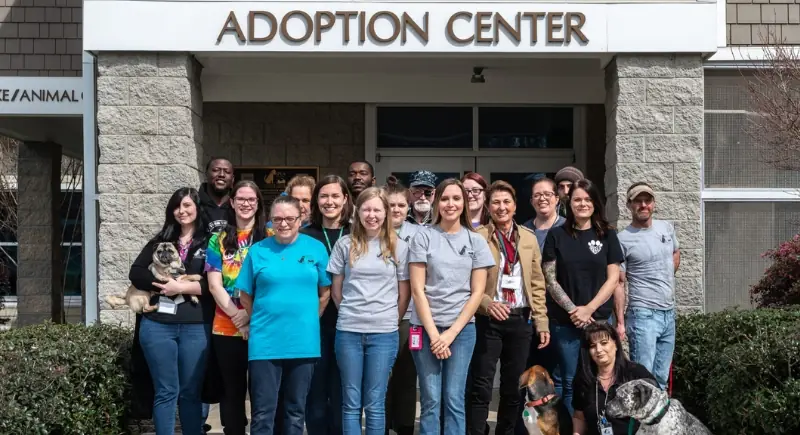
Good shelter staff are more like matchmakers than salespeople. They’ll encourage you to spend time with the pet, ask questions, and think it over. Some even require a second visit before you can adopt. They want you to be sure, because it matters to them too.
Senior Pets Are Too Expensive to Adopt

Senior pets may need checkups, but puppies and kittens are not exactly cheap either. Vaccines, training, supplies, and surprise vet visits add up fast. An older pet can come with manners, a known personality, and less chaos. Sometimes the bargain is the dog already sleeping through the night.
Shelter Pets Can’t Live With Other Animals

Plenty of shelter pets came from homes with dogs, cats, or both. Staff usually know who shared space before and who needs a solo setup. Good shelters help with meet-and-greets, too. The right match can turn a tense first sniff into two pets stealing the same sunny spot.