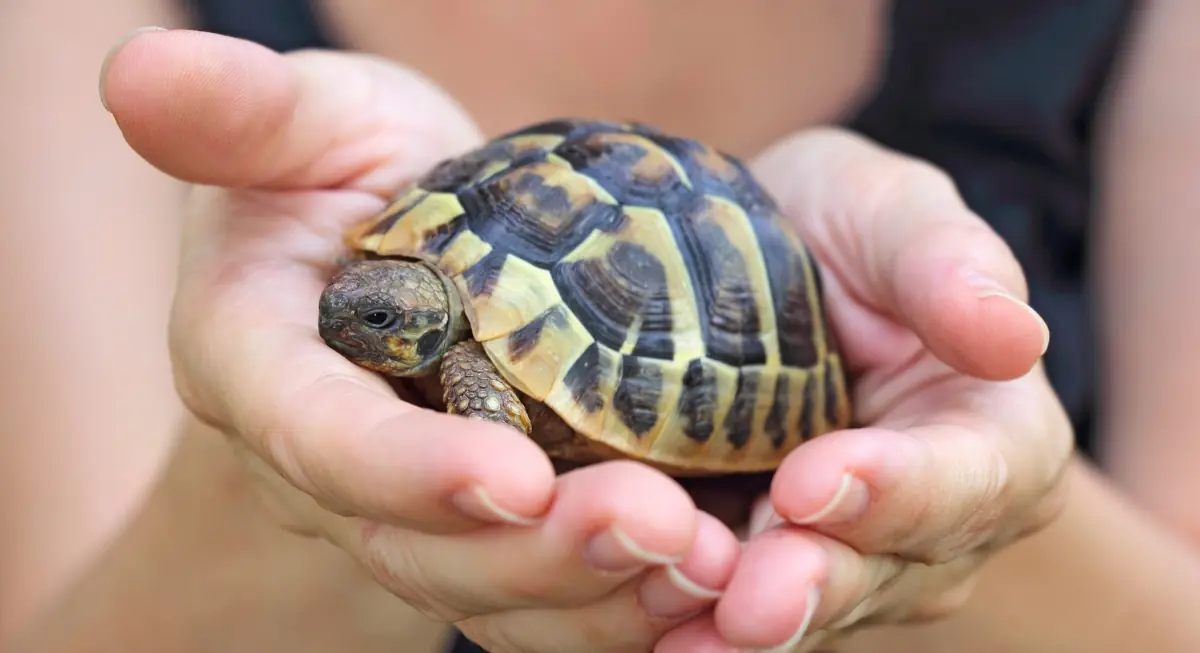
A turtle can seem like an easy pet choice. They are quiet, don’t need daily walks, and often spend their time swimming or basking. That first impression has led many people to bring one home without fully understanding what comes next. These are the most common mistakes people make before welcoming a turtle into their lives.
Assuming Turtles Are Low-Maintenance Pets
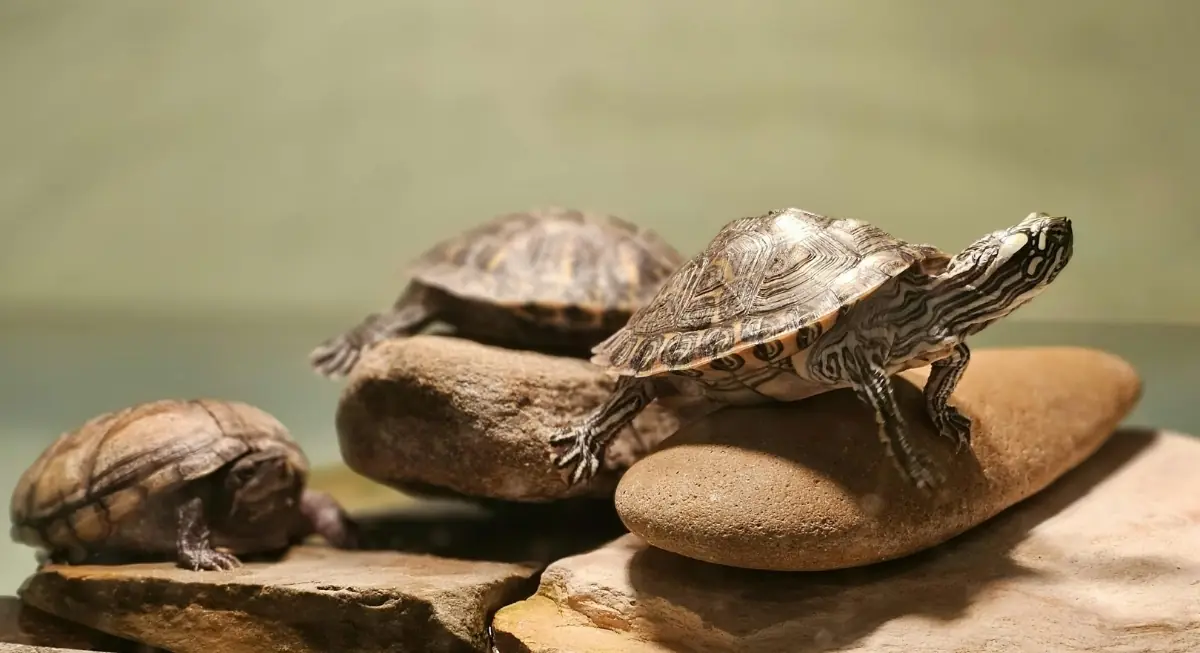
Many people see a turtle resting on a floating dock and assume care will be simple. Reality arrives when water changes, filter maintenance, lighting schedules, and habitat cleaning become part of the routine. A healthy turtle setup takes regular attention. Turtles are hardy animals in many ways, yet they depend heavily on proper care.
Underestimating How Long They Live
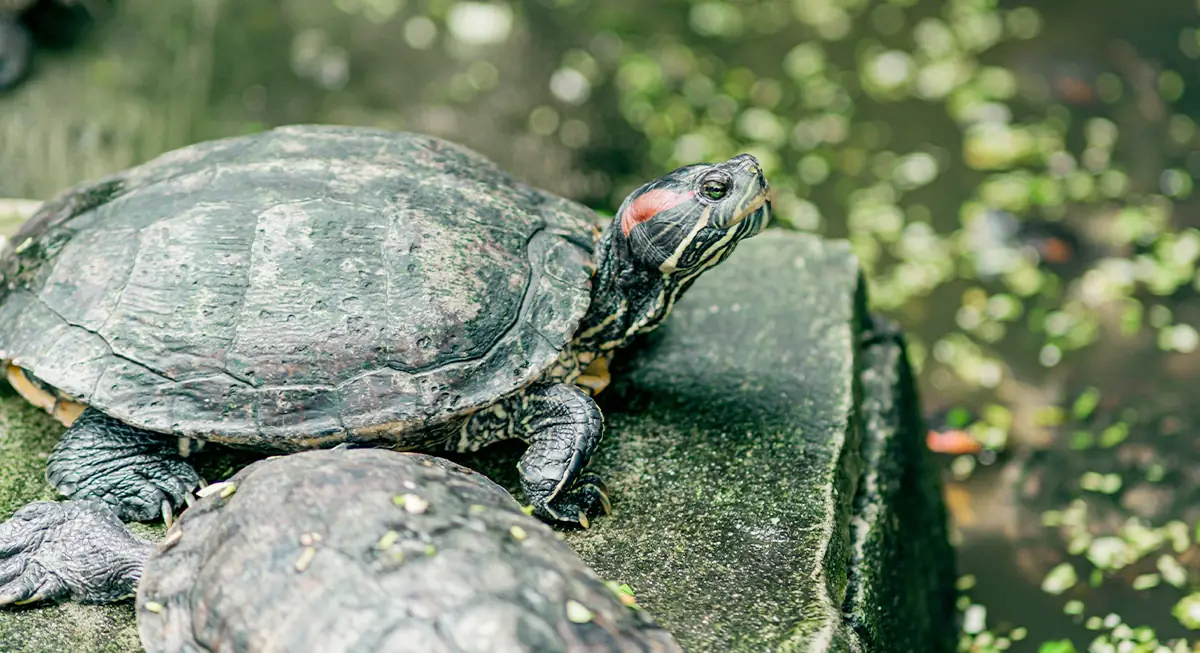
A puppy growing into an old dog feels expected, but a turtle reaching its third decade often surprises people. Popular species such as red-eared sliders can live for several decades when properly cared for. Bringing one home can mean making a commitment that lasts through major life events. Many turtles end up in rescues because owners planned for a few years instead of many.
Buying The Turtle Before Researching The Species
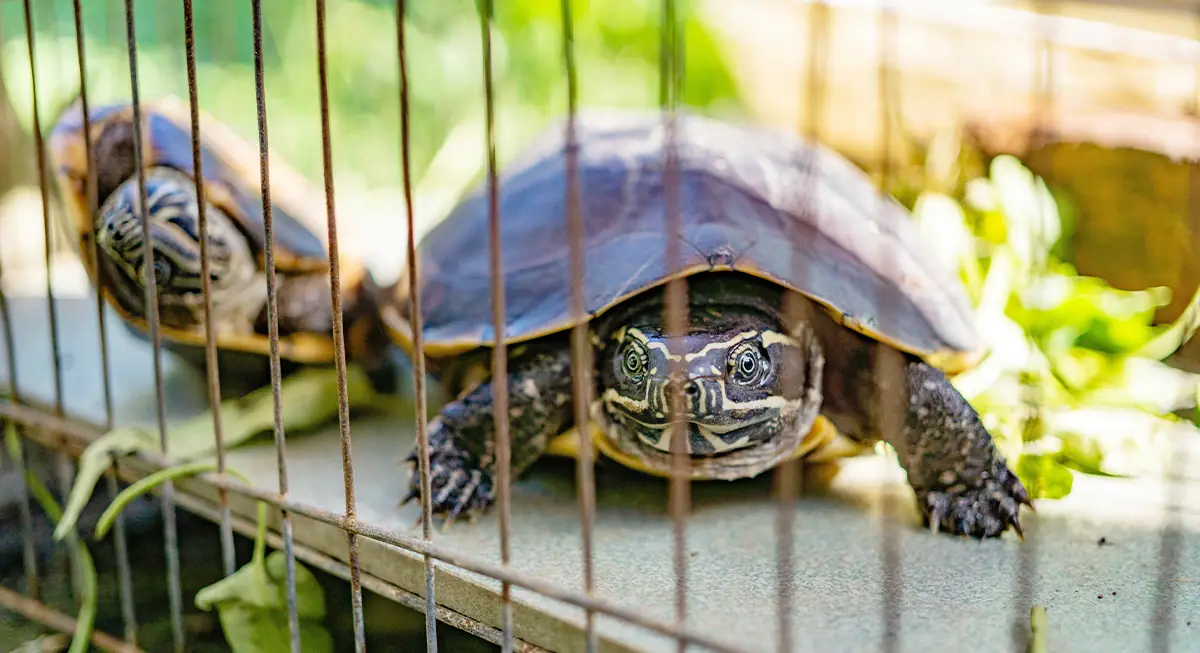
“Turtle” covers a wide range of animals with different needs. A musk turtle, painted turtle, and red-eared slider may share a pet store aisle, yet their behavior and habitat requirements differ. New owners sometimes purchase the first turtle they see and begin researching afterward. A better approach starts with learning about the species first. The right match often depends on available space and long-term goals.
Falling For The Plastic Palm Tree Myth
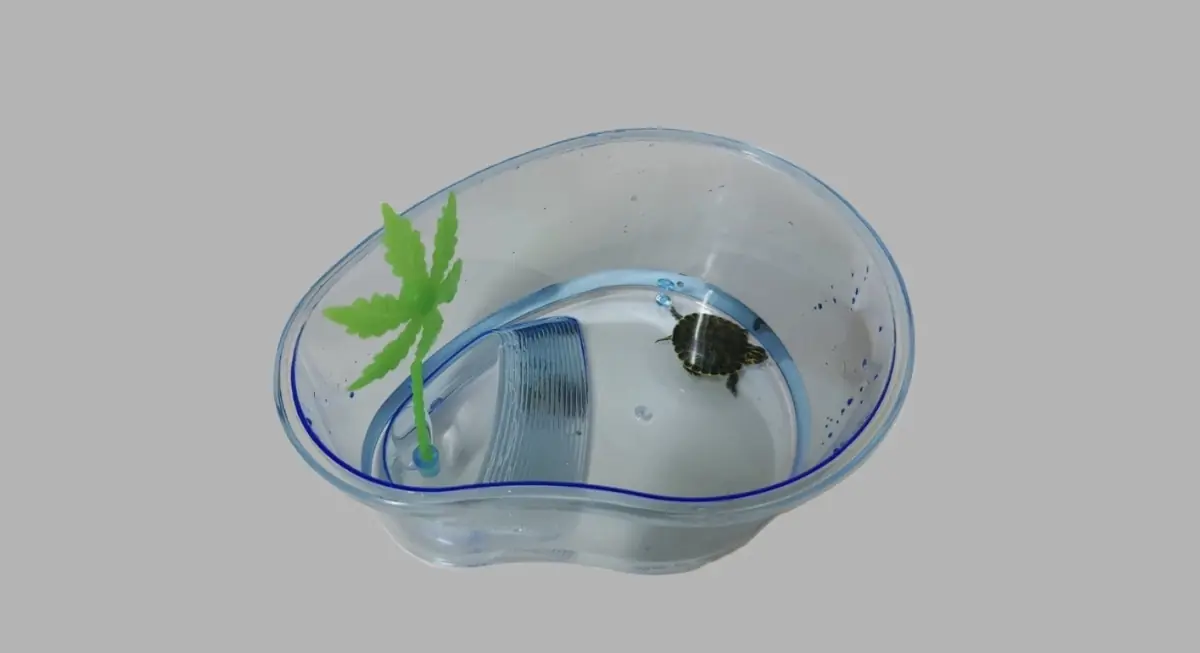
Pet turtles have spent decades appearing in advertisements and displays featuring tiny bowls with colorful gravel and a plastic palm tree. Those setups look simple, but they fail to meet nearly every major requirement of turtle care. In reality, aquatic turtles need swimming space, filtration, heating, and proper lighting.
Believing Sunlight Through A Window Is Enough
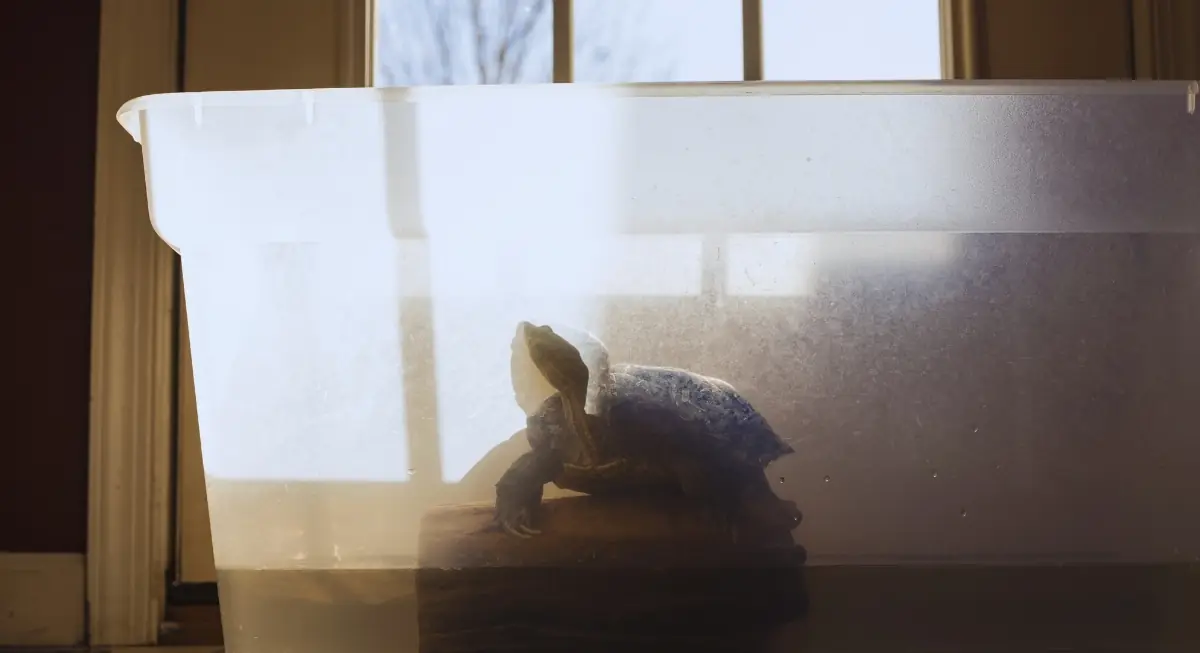
Many new turtle owners assume that placing a tank near a sunny window provides all the light a turtle needs. The problem is that glass blocks most UVB rays, which turtles rely on to produce vitamin D3 and absorb calcium. Over time, a lack of UVB exposure can lead to serious health issues, including shell and bone problems.
Not Realizing Turtles Need Mental Stimulation
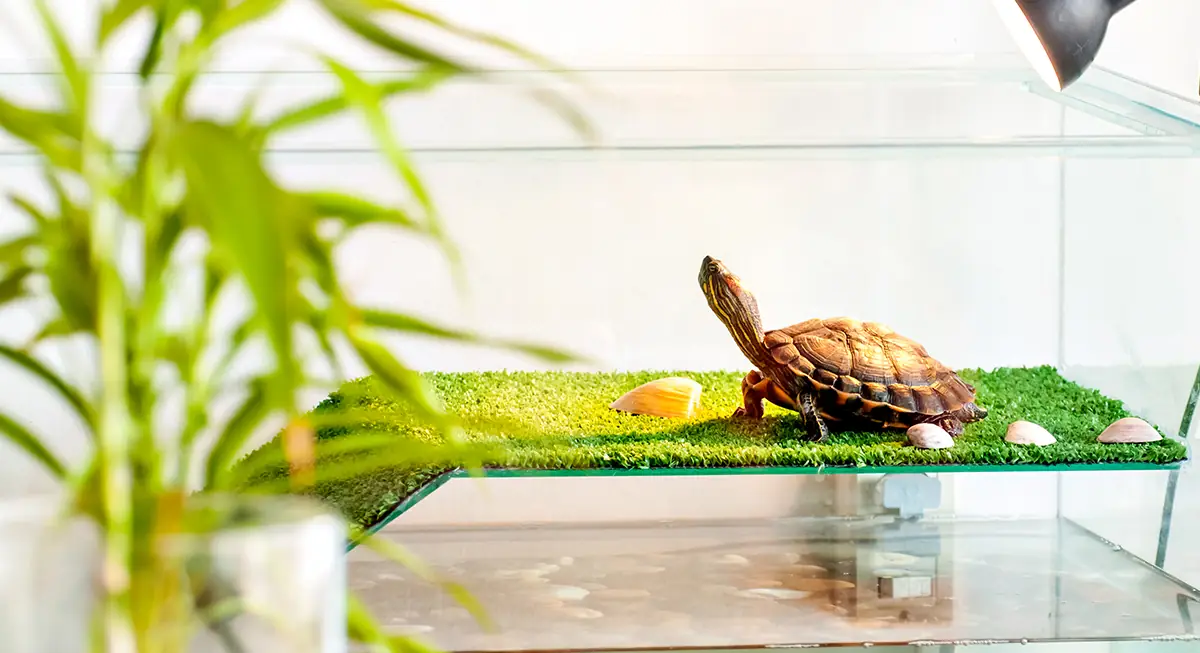
Turtles often appear content sitting in the same spot for hours, which can make them seem less interactive than they really are. They are naturally curious and will investigate changes in their environment. Rearranging tank decorations, adding safe floating objects, or occasionally offering live prey can encourage exploration and other natural behaviors while providing valuable mental stimulation.
Ignoring Local Laws And Regulations
Not every turtle can be legally owned everywhere. Certain species face restrictions because they are protected wildlife or considered invasive. The sale of very small turtles is also regulated in the United States due to public health concerns. Checking local and state regulations before purchasing a turtle can prevent legal issues.
Forgetting About Salmonella Risks
Turtles have carried a reputation for spreading salmonella for decades. The bacteria can be present even when a turtle appears perfectly healthy. Many new owners focus on habitat design and feeding plans but overlook hygiene practices. Households with very young children, older adults, or people with weakened immune systems should consider this factor carefully.
Expecting Turtles To Enjoy Companionship
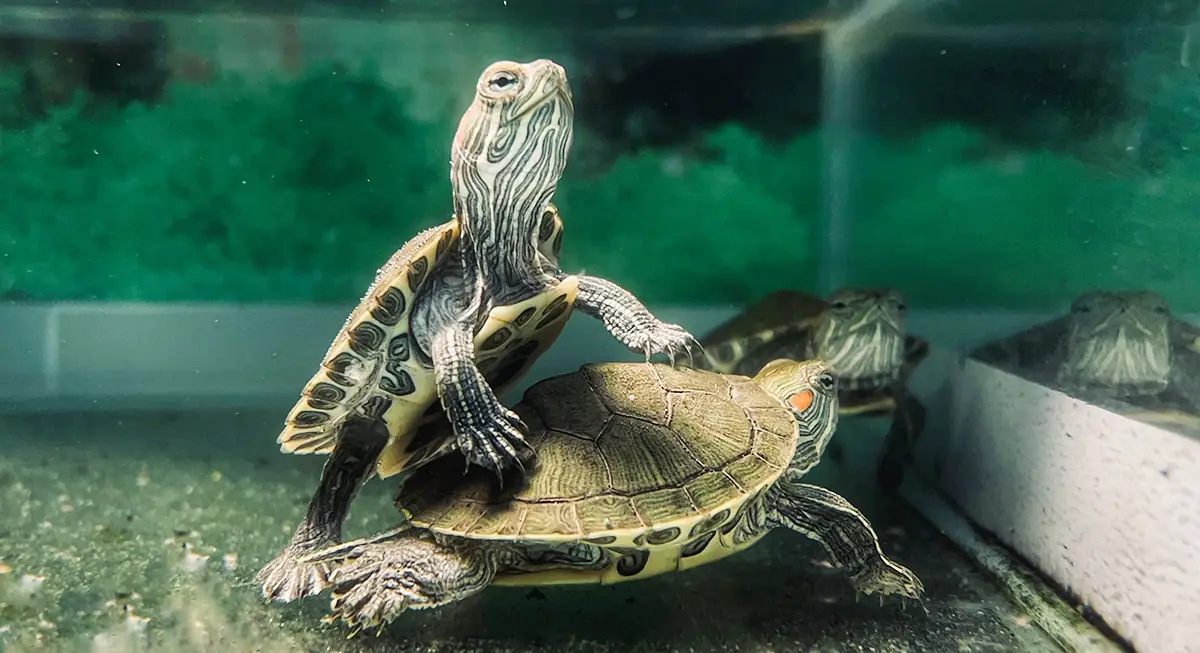
A common assumption is that a turtle will be happier with another turtle or a tank full of animal friends. In practice, turtles often do best with plenty of personal space. Crowded conditions can lead to stress and injuries. Fish added for decoration sometimes become expensive snacks.
Not Having A Backup Plan
Few people think about rehoming options before bringing home a turtle. They should. Shelters and rescues frequently receive calls about unwanted turtles because owners can no longer care for them. Releasing a pet turtle outdoors creates problems for local wildlife and is often illegal.