Finding a lifelong partner is uncommon in the animal kingdom. Most species focus on mating opportunities rather than lasting bonds. Still, a small number form strong partnerships that continue across many breeding seasons and sometimes an entire lifetime. This behavior is most common in birds, while mammals rarely exhibit it. These relationships reveal practical and sometimes surprising sides of animal life.
Albatross
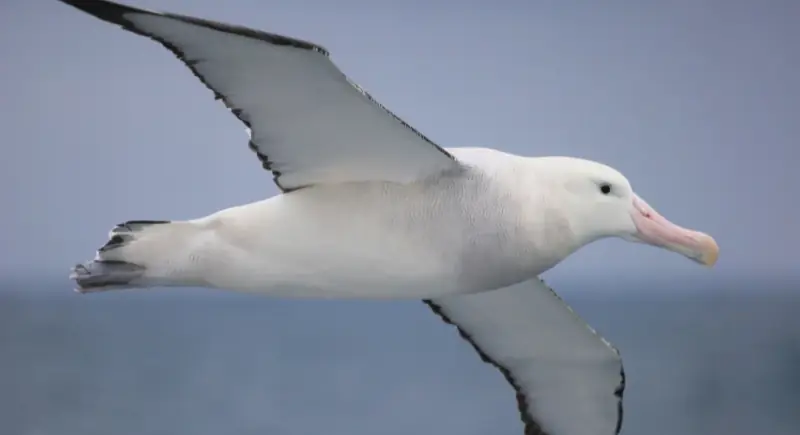
An albatross can circle the Southern Ocean for years and still return to the same partner. Courtship takes patience. Young birds rehearse elaborate dances for seasons before settling on a mate. Once bonded, many reunite at the same nesting site annually. They raise a single chick at a time, which demands cooperation.
Gray Wolves
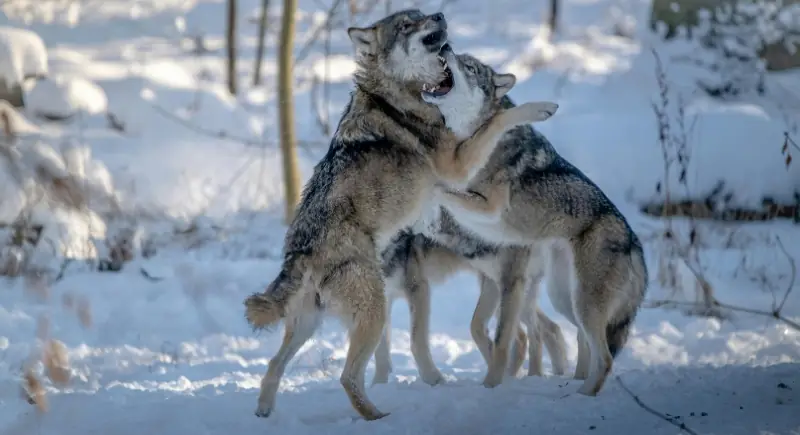
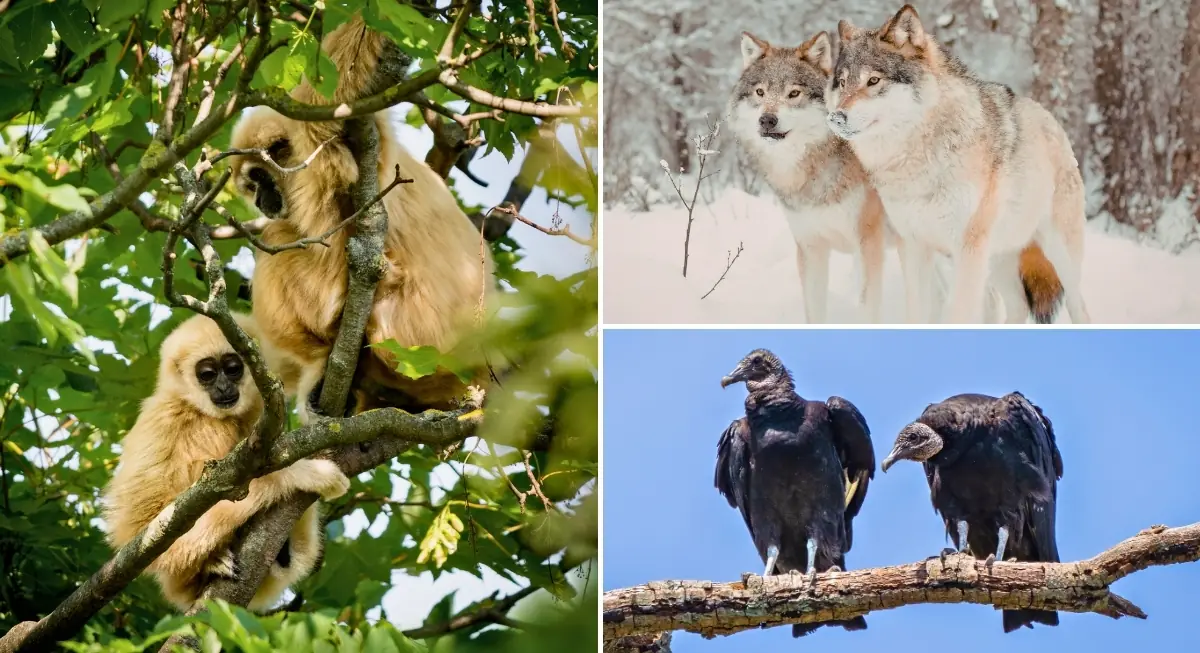
In a gray wolf pack, leadership usually rests with a bonded male and female. This pair produces the pups and guides the group’s movements. Their connection keeps the pack structure stable. Both adults feed and protect their young, and older siblings often help. Survival depends on teamwork, so loyalty strengthens the entire pack.
Eurasian Beavers
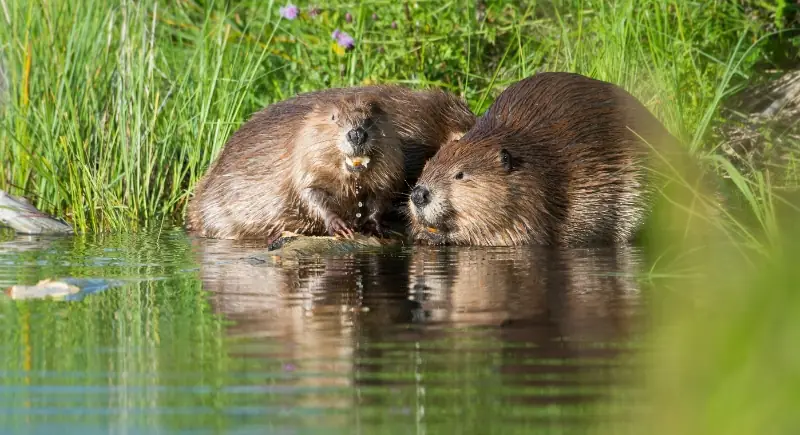
Life as a Eurasian beaver involves constant construction. Dams require maintenance, and food must be gathered in large quantities. A long-term partner makes that workload manageable. Pairs share parenting and defend territory together. Genetic research suggests these bonds are typically exclusive. Offspring stay for up to two years before leaving.
White-Handed Gibbons
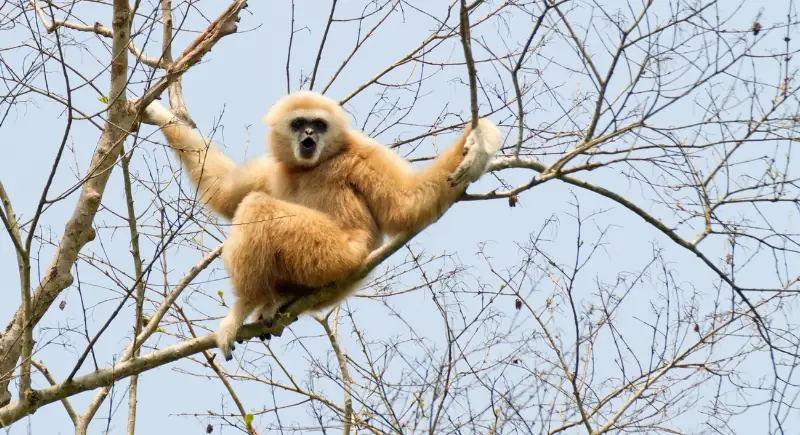
High in the forests of Southeast Asia, white-handed gibbons often start the morning with a shared song. Their calls travel across the canopy and help strengthen the bond between the pair. Males and females groom each other and work together to defend their territory. Many pairs remain together for years, although researchers have recorded occasional separations and new pairings.
Black Vultures
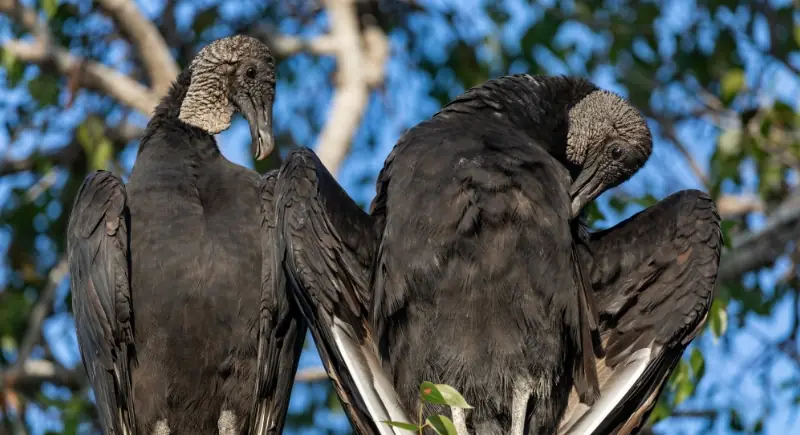
Courtship involves strutting displays and synchronized head movements between partners. After eggs are laid, both parents share incubation duties and later take turns feeding their chicks. DNA studies show that most pairs remain faithful. Their social groups add pressure to maintain that bond, since other vultures in the colony closely observe and interact with the pair.
Shingleback Lizards
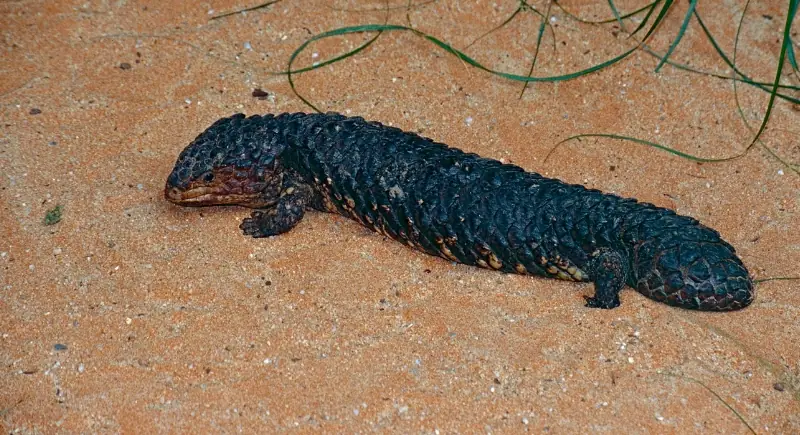
Long-term pairing is rare among reptiles, yet shingleback lizards break that trend. These slow-moving lizards reunite with the same mate during breeding season year after year. Documented bonds have lasted more than two decades. Returning to a familiar partner allows quicker mating and greater reproductive success. Outside breeding season, they live separately, then reconnect when timing aligns.
Prairie Voles
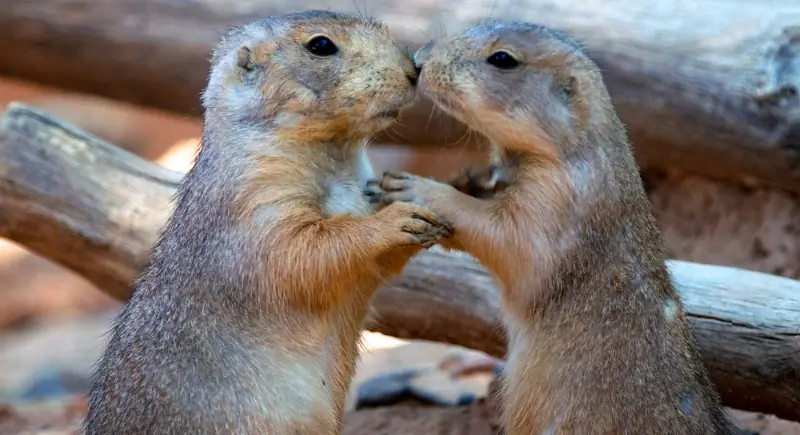
Prairie voles have become a favorite research subject for scientists studying attachment. After mating, males typically stay close, sharing nesting duties and grooming their partner. The hormone vasopressin influences this bonding behavior and helps explain their strong pair preference. In lab settings, separated voles show measurable stress responses.
Atlantic Puffins
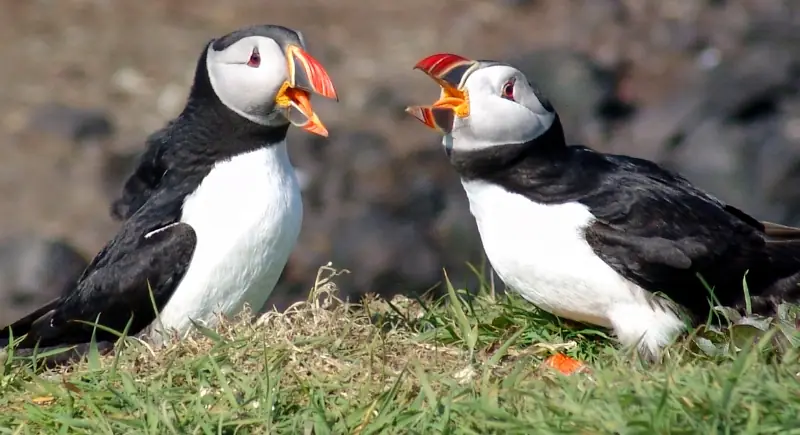
Atlantic puffins spend months far out at sea, diving for fish in cold waters. When breeding season begins, they return to cliffside burrows, often reconnecting with the same mate. Their reunion is practical. Familiarity with the nesting site improves efficiency during incubation and chick rearing.
Sandhill Cranes
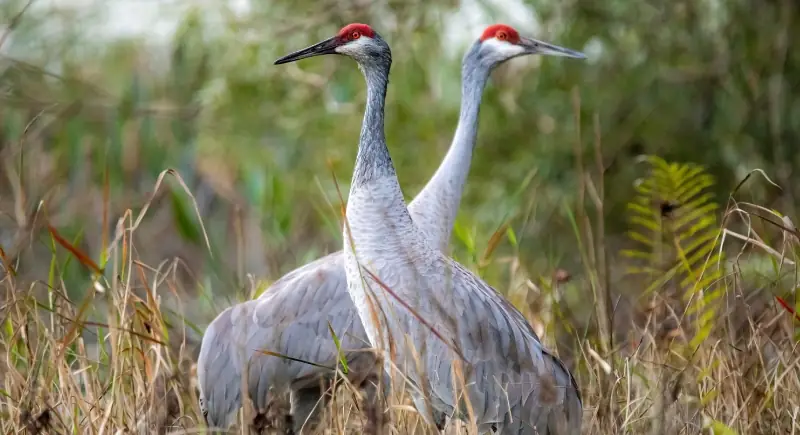
Sandhill cranes build relationships with theatrical flair. Courtship includes bowing, leaping, tossing sticks, and trumpeting calls that carry across wetlands. These displays do not fade after pairing; established couples continue dancing long after bonding. Both adults guard the nest and guide their chicks through the early stages of migration. Many pairs remain together for life.
Anglerfish
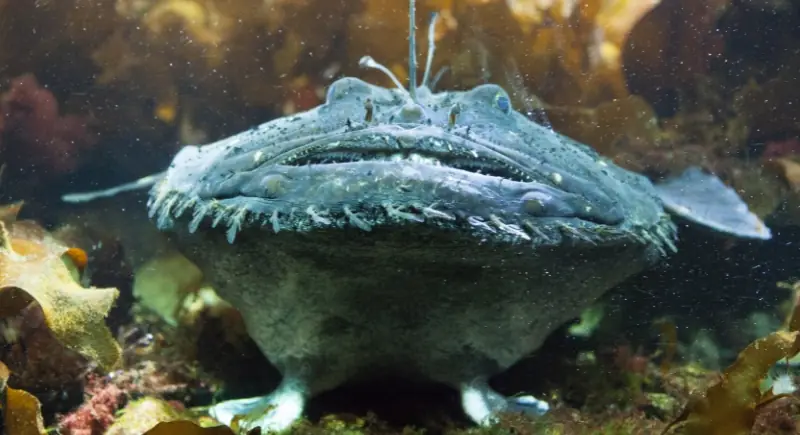
Deep in the ocean, certain anglerfish take lifelong bonding to an extreme. Tiny males locate females using scent in dark waters. After biting her, the male fuses with the female and connects to her bloodstream. Several males may attach to one female. This unusual arrangement secures reproduction in an environment where encounters are rare.