Life moves differently for some creatures, some animals live entire lifetimes faster than a single season can turn. Out in the wild, survival is not always about who lives the longest but who makes the most of every fleeting moment. These animals survive, reproduce, and impact before the world even notices they are here.
Gastrotrich
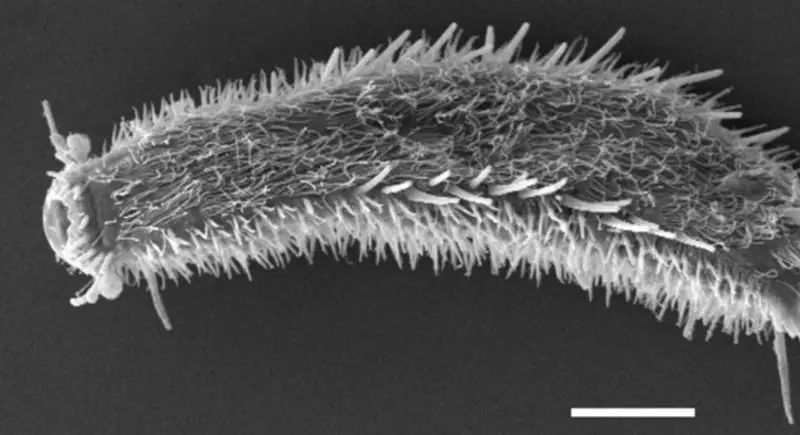
Although they are smaller than a grain of sand, gastrotrichs, affectionately called “hairybacks” make a big difference. They live in freshwater puddles, coastal mud, and even damp soil and feast on bacteria and algae. Some species give live birth, others hatch from unfertilized eggs, and all reach adulthood within just three days, with their lifespan averaging about ten days.
Ephemeral Mayfly
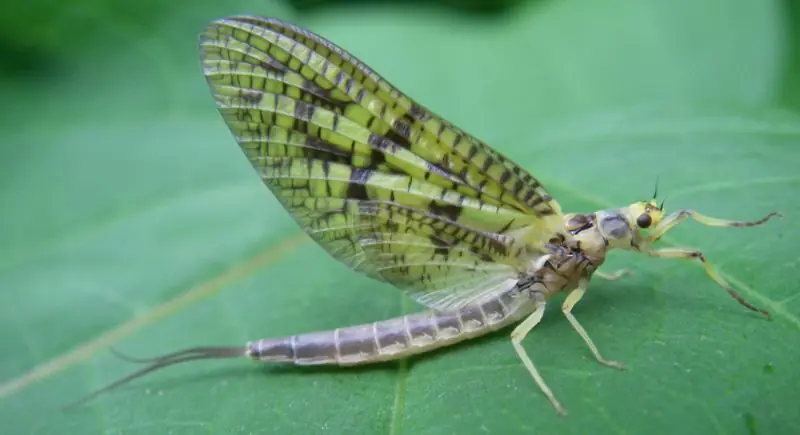
The female Mayfly lives for less than five minutes as an adult, but in that flash, she mates, lays thousands of eggs, and exits like a star. Mayflies, named from the Greek word “ephemeros” for short-lived, turn their brief time into one of nature’s most intense speed runs.
Pacific Salmon
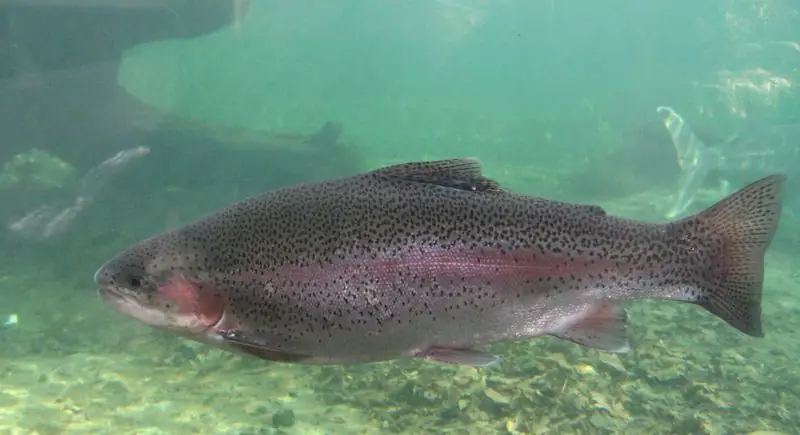
These ocean roamers, like sockeye, coho, and chinook, grow up in saltwater only to stage a wild, all-or-nothing comeback to their birthplace. Their upstream journey is brutal; their bodies transform dramatically, with hooked jaws and fiery colours. After spawning, all Pacific salmon die within days or weeks, a phenomenon known as semelparity.
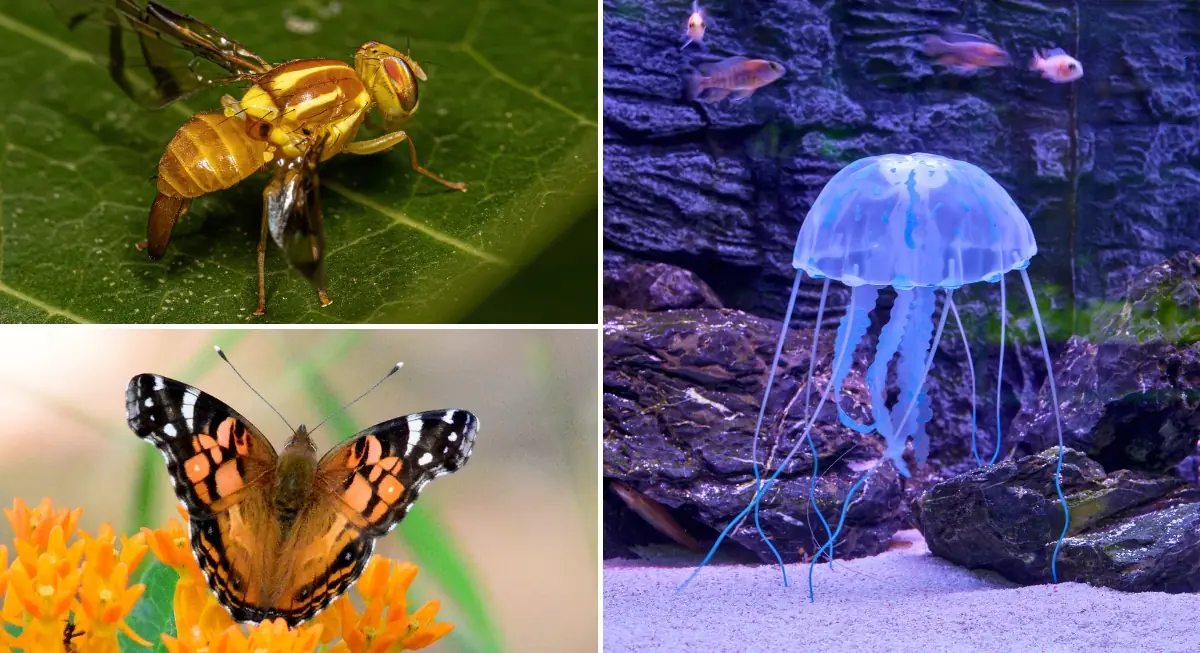
Jellyfish Turritopsis dohrnii
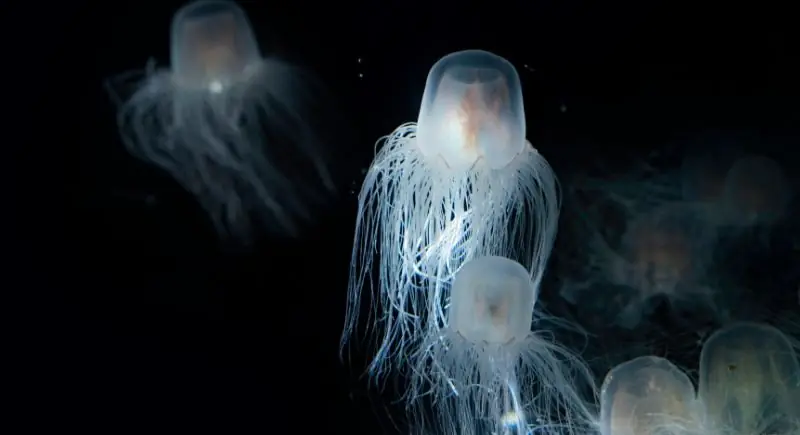
While most jellyfish live short lives and reproduce just once, they also pull a cellular U-turn. When faced with stress or injury, they rewind their life by shifting from full-grown adults back to their youthful polyp form. In the wild, their lifespan is often cut brutally short by hungry predators or disease.
Fruit Fly
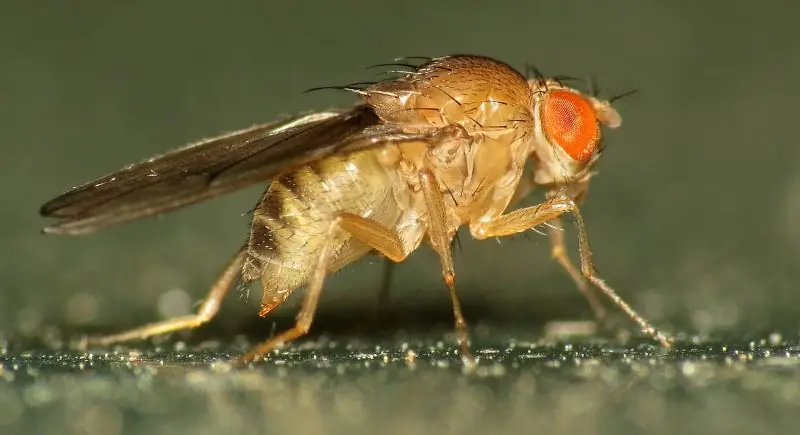
In just 10 days, Drosophila melanogaster, a common fruit fly, transforms from a tiny egg to a fully grown adult. Under the right conditions, it hatches within a day, wriggles through life as a larva for less than a week, and then pupates and bursts out, ready to breed two days later.
Luna Moth
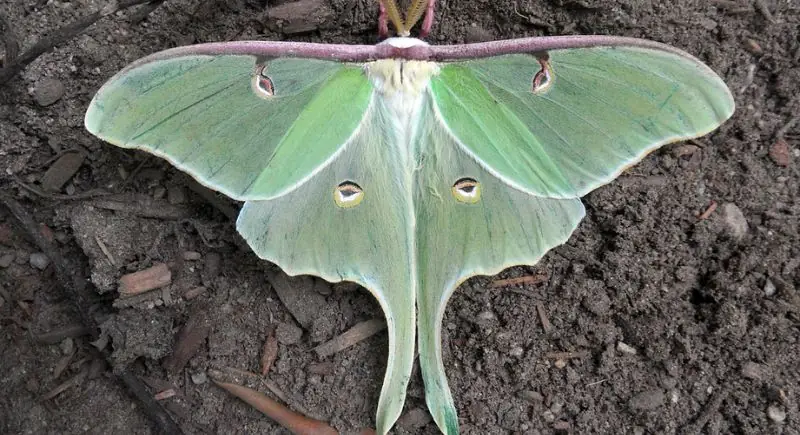
The Luna moth doesn’t waste time with meals or small talk. After weeks as a leaf-devouring caterpillar wrapped in a cozy cocoon, it emerges with long-tailed wings and no functioning mouth. It’s fueled only by fat stored during its earlier phase and has just a few days to find a mate and pass the torch.
Ant Drones
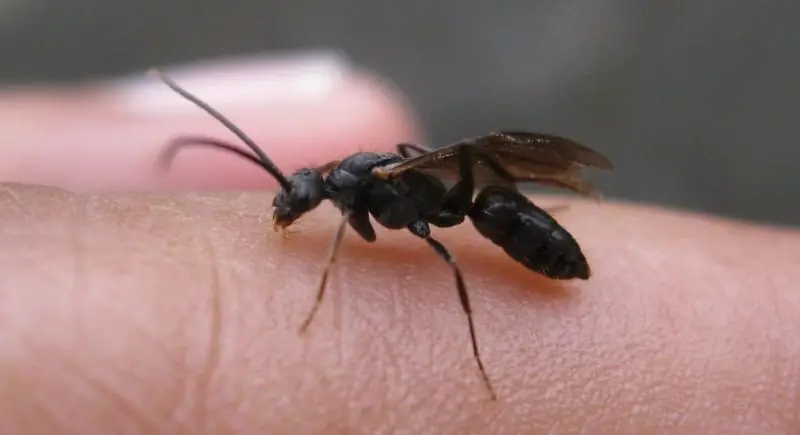
Ant drones don’t participate in colony chores or food runs because they have only one high-stakes mission: reproduction. They last up to a couple of weeks. These winged males burst into action during nuptial flight season and take to the skies in a synchronized frenzy to find queens from other colonies.
Mosquitos
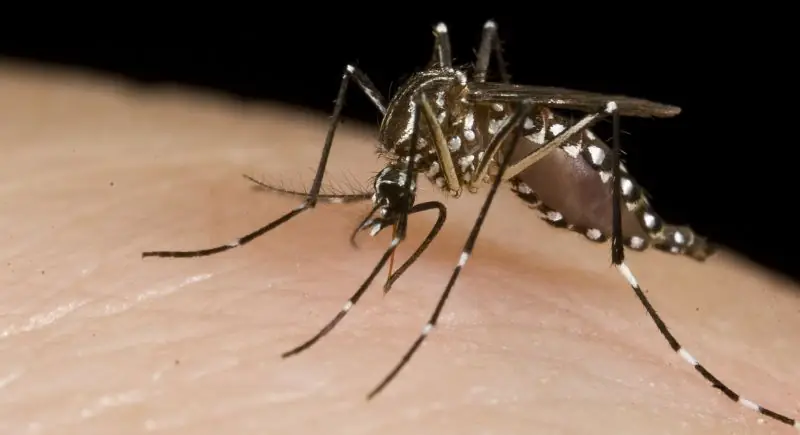
Male mosquitoes live fast and light, just nectar, no blood, and about a week to make their mark. Their role is simple: find a female, mate, and bow out. On the other hand, female mosquitoes stick around a bit longer: up to six weeks, which gives them time to produce multiple batches of eggs, often 100 to 300 at a time.
Indian Meal Moths
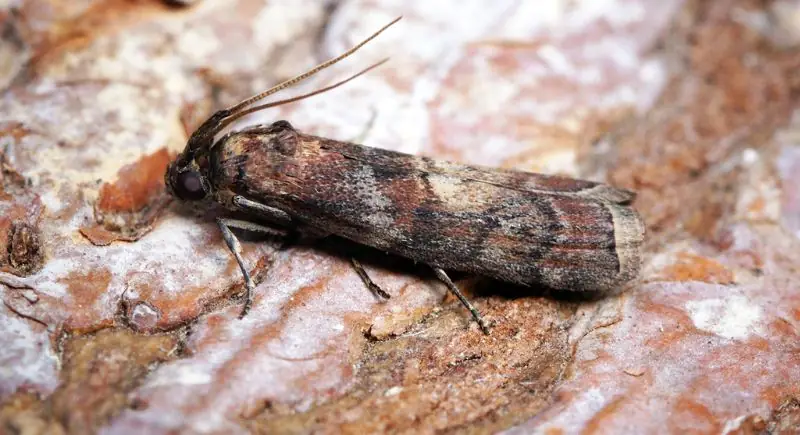
With lifespans ranging from 5 to 25 days, Indian meal moths focus on laying eggs, up to 400 of them, right on top of grains, nuts, dried fruits, or even pet food. The larvae do the real damage by feasting and spinning sticky silk that ruins far more food than they actually eat.
Booklice
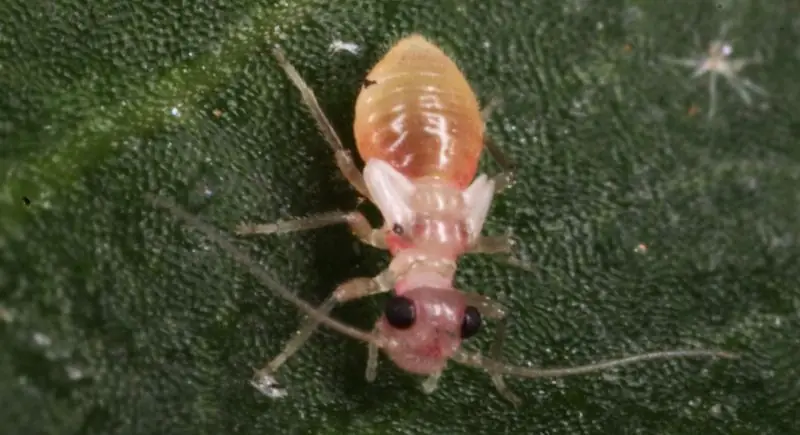
Booklice might be barely visible at just 1–2 mm long, but they have a surprisingly efficient lifestyle. Under the right warm and humid conditions, they grow from egg to adult in only 25 days. Through parthenogenesis, one female can lay up to 200 eggs in her lifetime, each hatching into a mini version of herself.
May Beetle
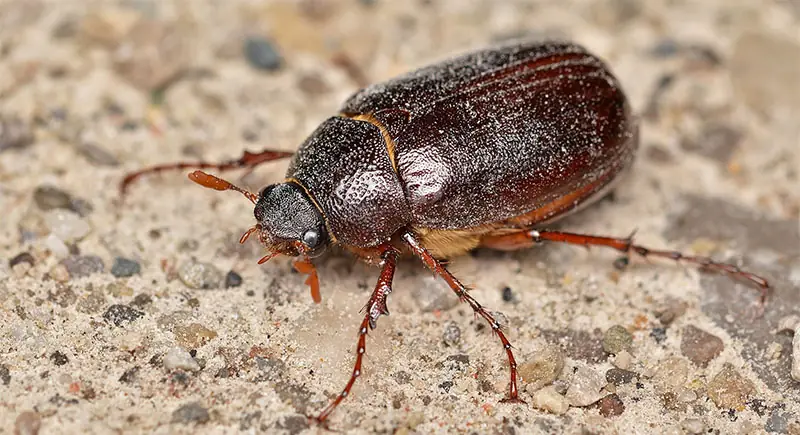
May beetles, known as June bugs, appear on cue during warm spring nights. With their reddish-brown bodies and fuzzy bellies, these chunky flyers grow up to 25 mm long but only get a few weeks to enjoy adult life. They spend that short time munching on leaves, finding a mate, and wrapping up their surface-level adventures.
Tsetse Flies
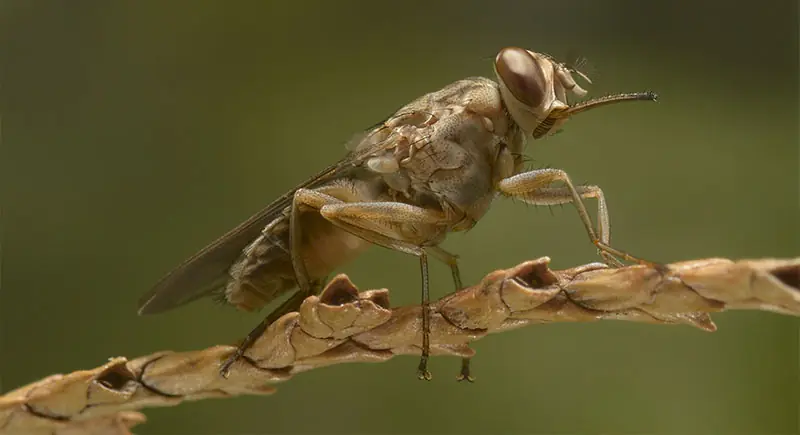
Tsetse flies raise their young like no other insect. Inside the female, a single larva grows through all three stages, nourished by milk-like secretions. After about nine days of in-body development, the larva is gently placed on the ground, where it burrows in and pupates. Males last about 2 to 3 weeks, while females can last a few months.
American Lady Butterfly
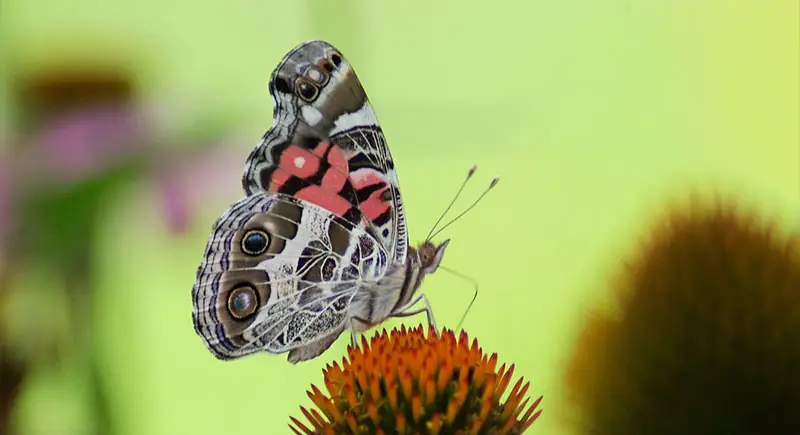
The American Lady butterfly flutters through life in just two to four weeks. During that brief window, it packs in everything: nectar sipping, mate finding, and egg laying on favorite plants like cudweed and antennaria. As pollinators, American Ladies help keep ecosystems humming by moving pollen between blooms while adding bursts of color to the landscape.
African Killifish
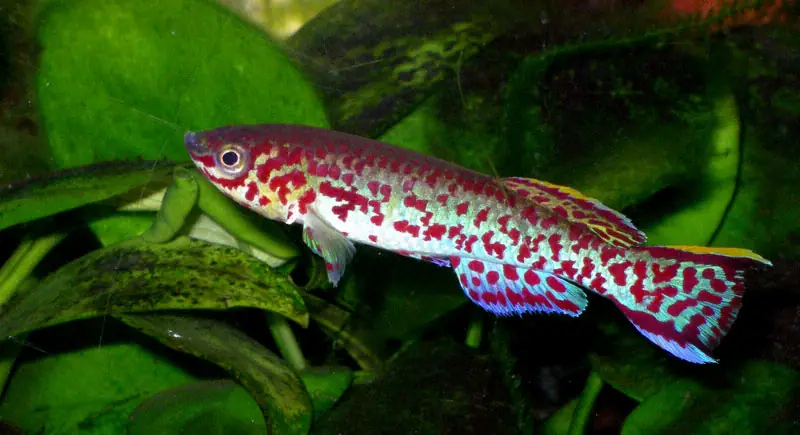
Found in the temporary pools of Mozambique and Zimbabwe, the African turquoise killifish speeds through life faster than any other vertebrate by reaching maturity in just 14 days. Most don’t make it past two months in the wild and race to reproduce before their watery homes vanish.
Labord’s Chameleon
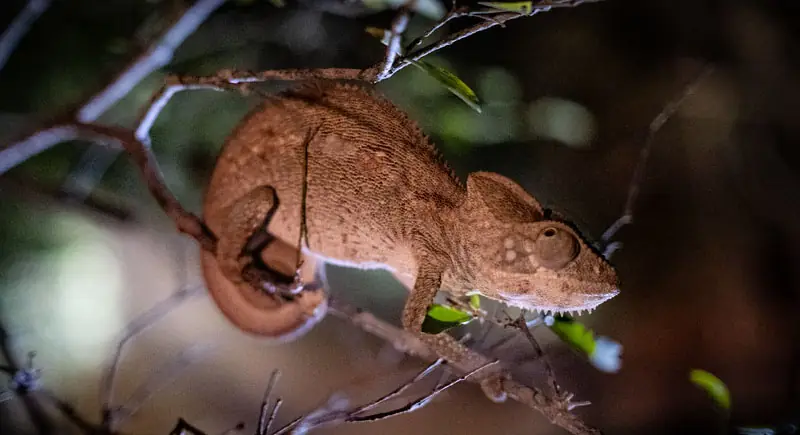
Life comes at Labord’s chameleon like a monsoon, as it spends most of its existence sealed inside an egg, biding time for the November rains. Once hatched, it rockets through life and reaches adulthood in under two months before diving into a frenzied mating season, and then, by late March, every adult is gone.
Pygmy Goby
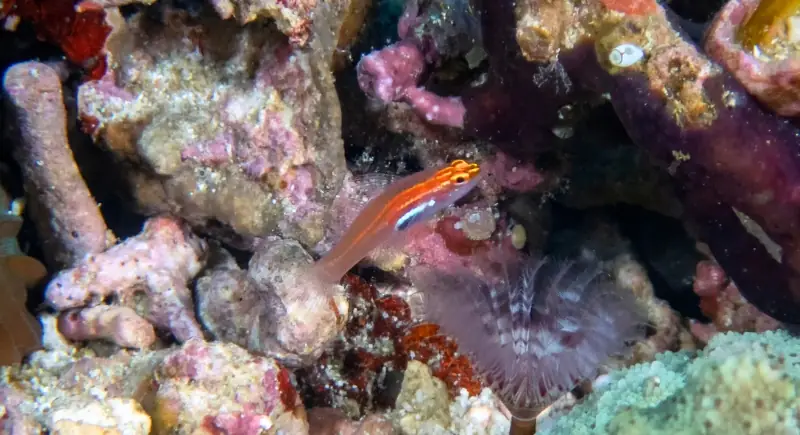
The pygmy goby holds the record as one of the shortest-lived vertebrates ever. Found in coral reef waters, it grows quickly, reaches maturity, and completes its life cycle in just a few weeks. Scientists have observed lifespans as short as 8 weeks, making every stage of its life occur at an unusually fast pace.
Drone Honey Bee
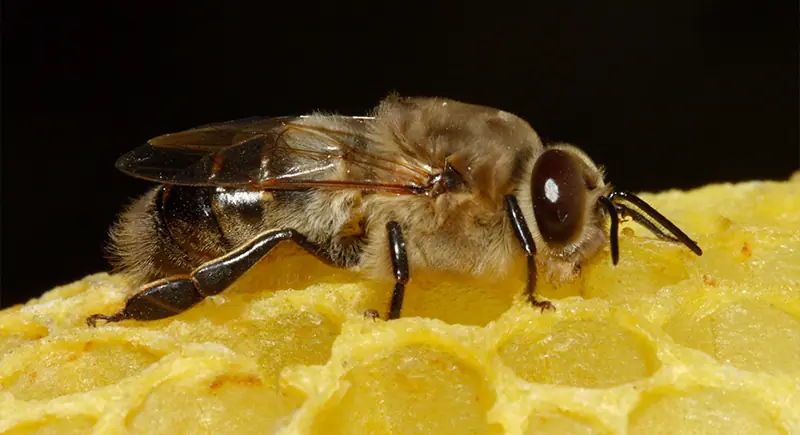
Male honey bees, known as drones, have a surprisingly short window to fulfill their role. Their main purpose is to mate with a queen, and those that succeed die shortly after. Even those that do not mate are often forced out of the hive before winter, leaving them with only a brief adult life.