Most people think superpowers belong in comic books, but nature’s been handing them out for millions of years. Some animals can regrow lost limbs, detect electric fields, or even survive in outer space. They’re real and make the Avengers look like amateurs. We’ve listed animals with powers so wild that they seem straight out of science fiction.
Axolotl
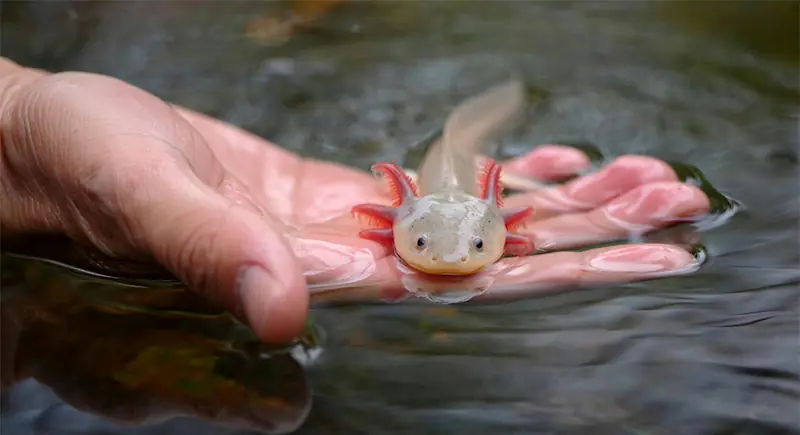
Losing a limb isn’t a big deal for an axolotl. They can regenerate body parts—legs, tail, spine, and even parts of their brain. Axolotls stay in their juvenile form for life, which adds another strange twist to their already impressive biology. They’re the real-world version of a healing mutant.
Tardigrade
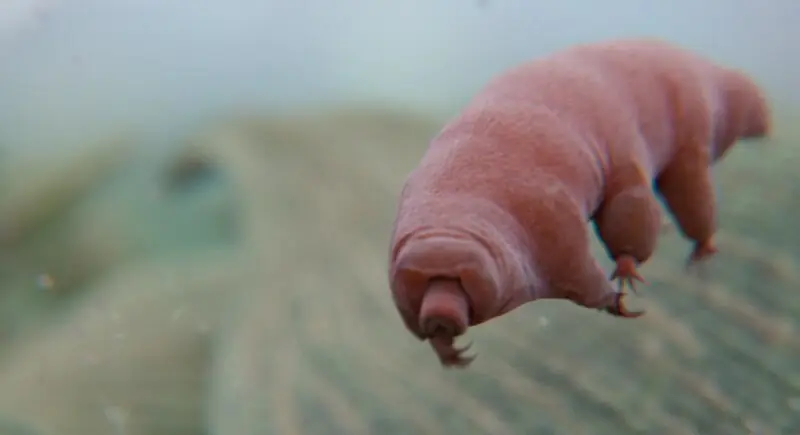
This microscopic animal laughs in the face of terror. Tardigrades survive freezing, boiling, radiation, and even the vacuum of space. When conditions get rough, they dry out and enter a suspended animation called cryptobiosis. Years later, they rehydrate and pick up where they left off.
Lyrebird
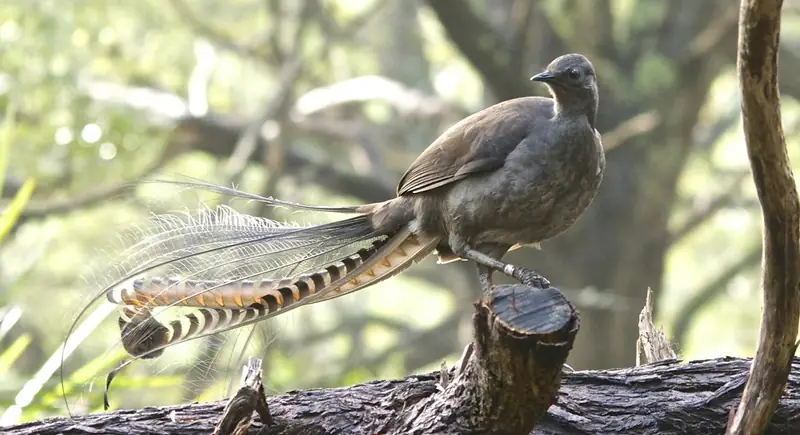
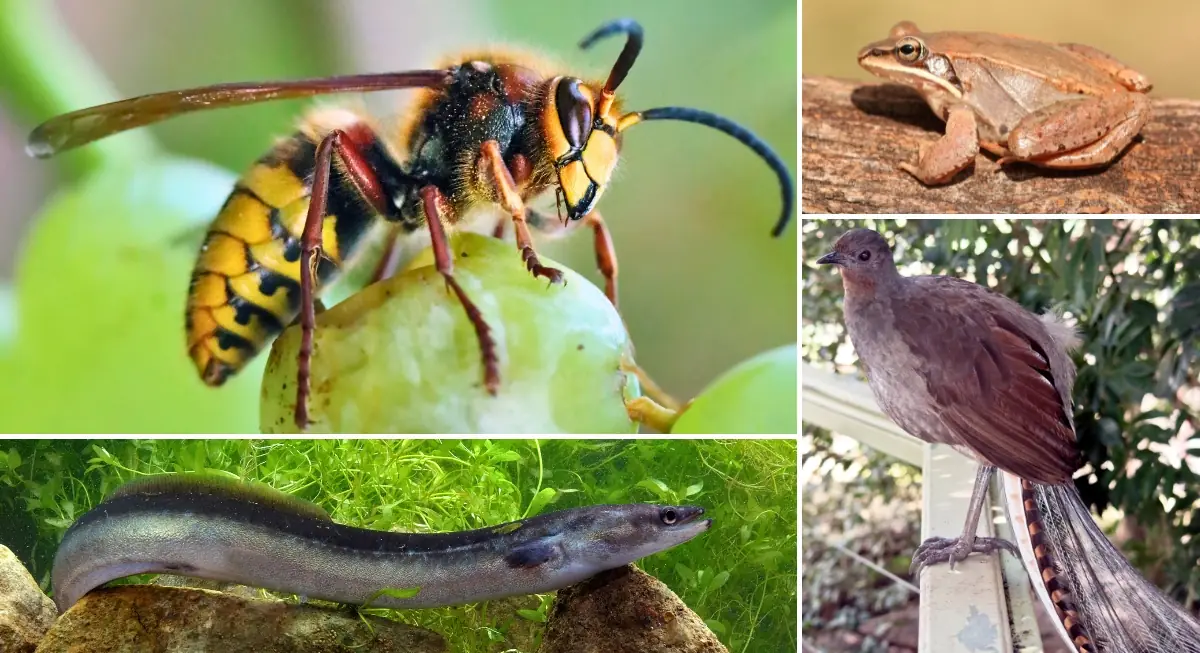
Australia’s lyrebird is a master of mimicry. It can copy chainsaws, camera shutters, car alarms, and other birds—sometimes all in the same sequence. Their voice box is so complex that they can imitate nearly any sound they’ve heard in the wild or near humans.
Electric Eel
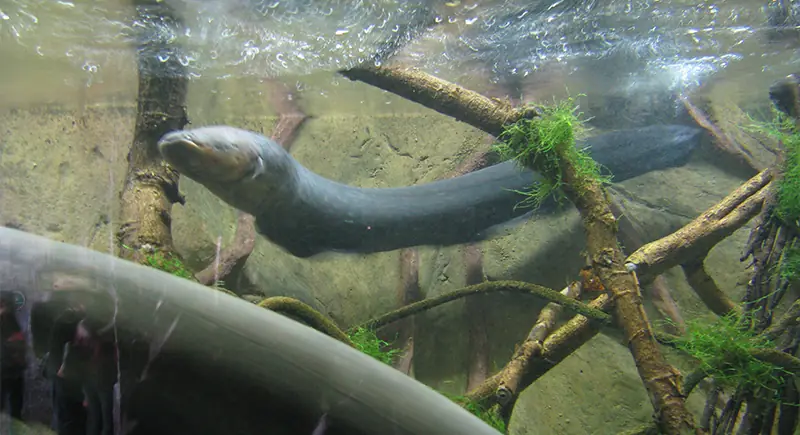
Technically, as a knifefish, the electric eel can release up to 600 volts of electricity to zap prey or defend itself, similar to a taser. It uses special cells called electrocytes to generate the shock and even uses low-voltage pulses to “see” in murky water.
Octopus
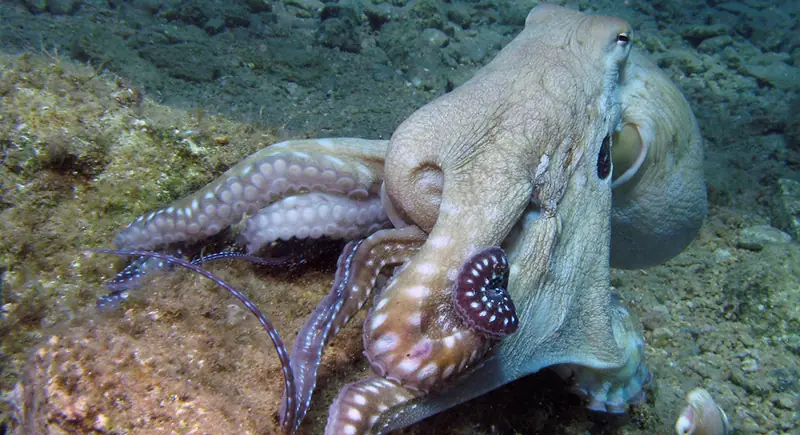
An octopus can change color and texture instantly, thanks to pigment cells in its skin called chromatophores. No bones mean it can squeeze through almost any opening. Combine that with problem-solving skills and short-term memory, and it’s one of the smartest invertebrates in the ocean.
Immortal Jellyfish
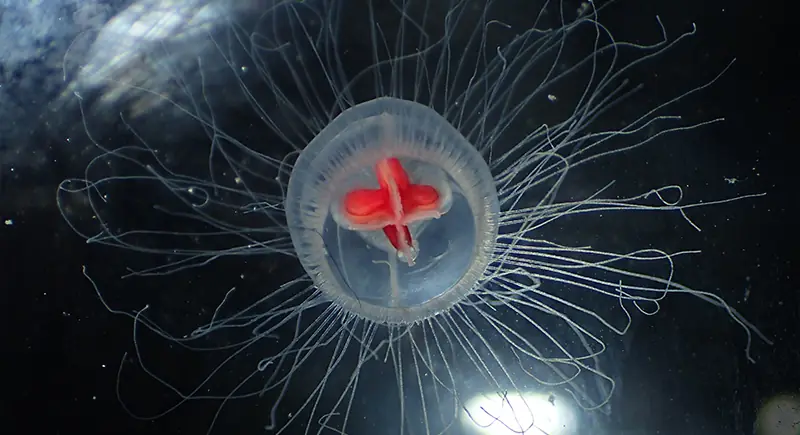
Turritopsis reverses its own aging process. When injured or stressed, it reverts to its juvenile form and starts life over again. This cycle can repeat indefinitely an makes it potentially immortal in biological terms. It’s not immune to being eaten, but left alone, it just keeps resetting the clock.
Pangolin
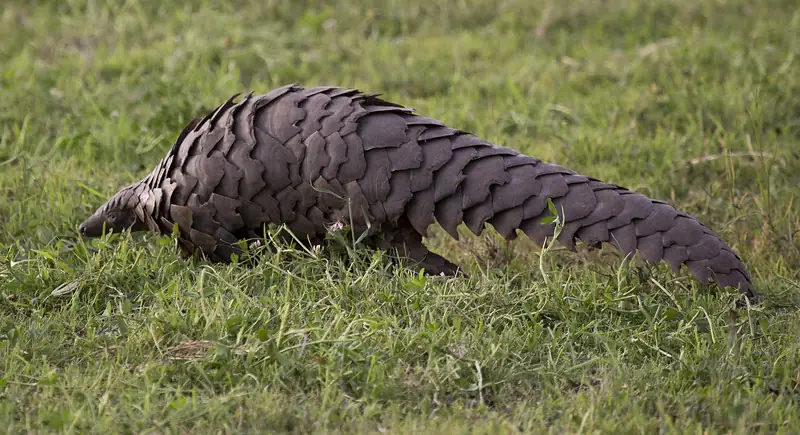
When danger hits, a pangolin turns into a walking fortress. Its body is covered in keratin scales—the same as human nails—which it uses like armor plates. If threatened, it curls into a tight ball that’s nearly impossible for predators to crack. Even lions and leopards struggle.
Bombardier Beetle
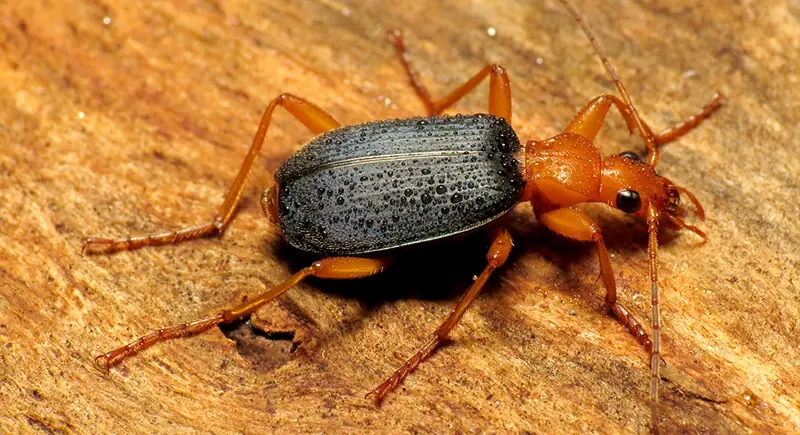
Forget pepper spray—this beetle defends itself with a chemical explosion. It mixes hydrogen peroxide and hydroquinone in its abdomen, then blasts the mixture at predators in a boiling hot spray. The loud, toxic burst deters nearly anything with jaws.
Salmon
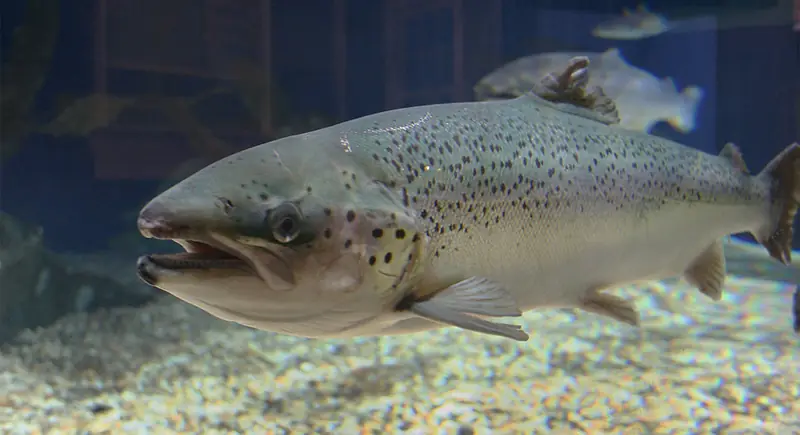
After years in the open ocean, Salmon return to the exact freshwater stream where they were born. They rely on Earth’s magnetic field and a keen sense of smell to guide them thousands of miles.
Sea Cucumber
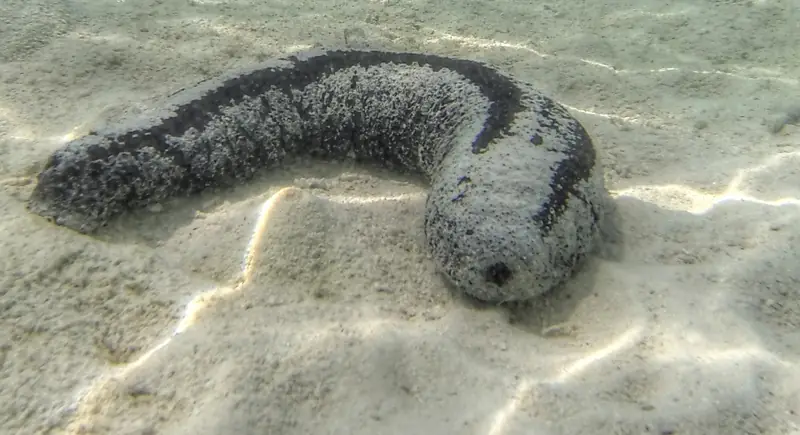
If threatened, a sea cucumber ejects its internal organs as a distraction. It survives the self-ejection and regenerates the lost parts over time. Some species also liquefy their bodies to slip through tight cracks.
Wood Frog
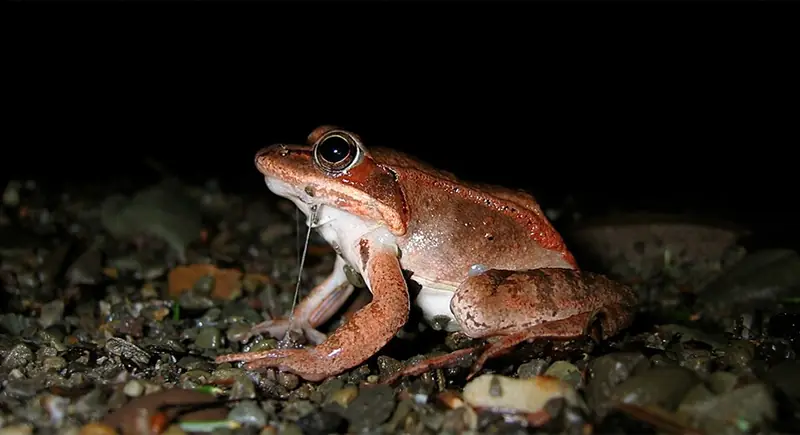
In winter, the wood frog freezes solid. Their heart stops, breathing halts, and blood becomes slushy with glucose, which acts like antifreeze. Come spring, it thaws out and hops away like nothing happened. It’s shutting down and restarting like a biological computer.
African Spiny Mouse
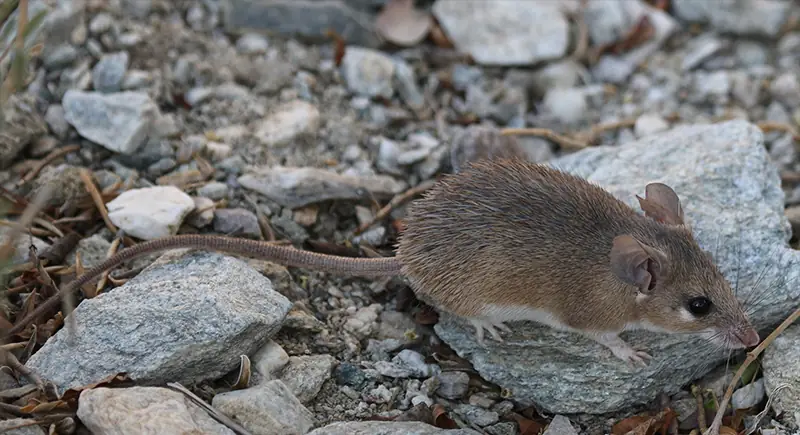
Tear its skin, and it’ll grow back—hair follicles, sweat glands, even cartilage. This mouse has regenerative skills that go far beyond those of typical mammals. Its loose skin can tear to escape predators, but what’s more surprising is how fast and fully it heals afterward.
Oriental Wasp
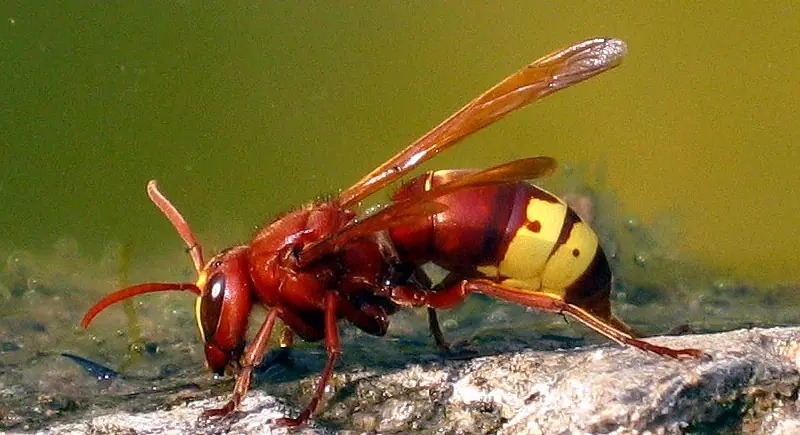
This wasp may be running on sunlight. Researchers found it has a unique ability to convert solar energy into electricity using specialized pigments in its exoskeleton. While the exact use is still being studied, it’s one of the rare known animals that might produce bioelectricity on purpose.
Box Jellyfish
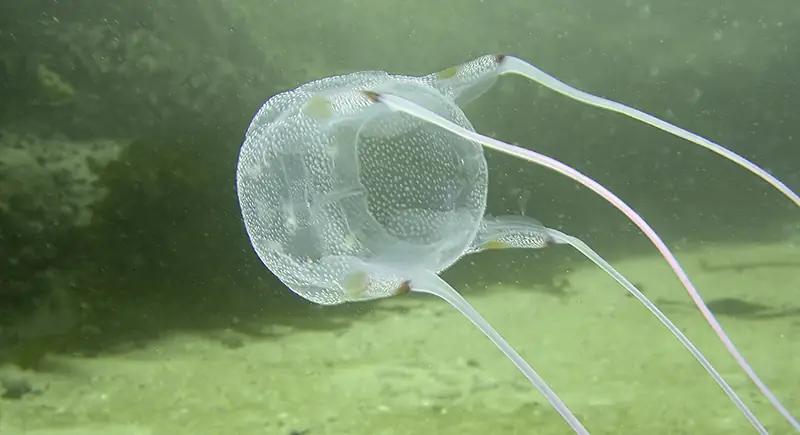
It may look harmless, but the box jellyfish is among the most terrifying animals in the ocean. Its tentacles carry venom that attacks the heart, nervous system, and skin cells. However, that’s not the only surprise: it has 24 eyes and can actively swim instead of drifting.
Star-Nosed Mole
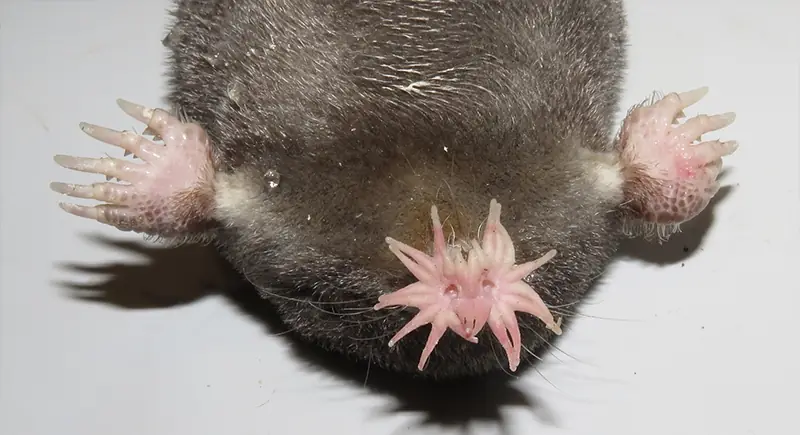
Blink and you might miss it, but this mole has a star-shaped nose packed with over 25,000 sensory receptors. It can identify and eat prey in under a quarter of a second, faster than most brains can register what they’re seeing.
Pistol Shrimp
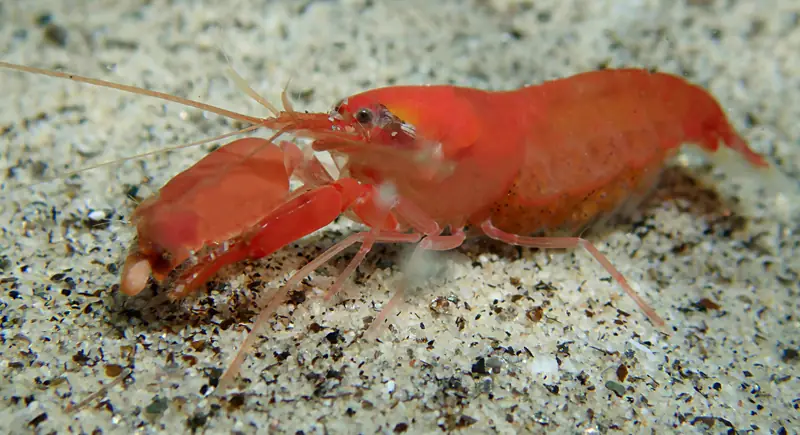
The pistol shrimp does not need size on its side. It snaps one oversized claw so fast that the water around it forms a bubble, then collapses with a crack like a tiny underwater gunshot. Prey nearby gets stunned before it knows what happened. Small body. Ridiculous weapon.
Mantis Shrimp
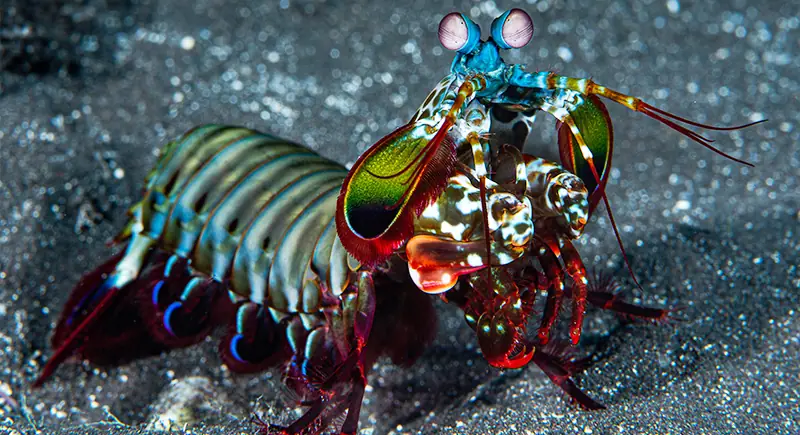
The mantis shrimp hits like it came from a superhero lab. Its club-shaped arms punch with enough speed to smash shells, crack aquarium glass, and send prey into instant regret. Then there are the eyes. They see colors humans cannot even process, which feels unfair for something already armed.