Most people rarely give eggs a second thought, until they hear about one that could rewrite the story of a species or stump scientists entirely. Across forests, deserts, museums, and kitchen counters, these unusual finds range from prehistoric relics to surprise conservation wins.
This article lists the strangest and rarest eggs ever discovered.
Coastal Emu Clutch in New South Wales
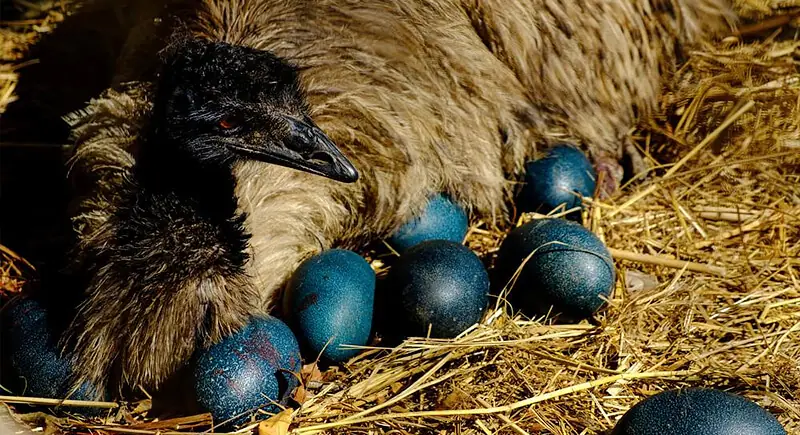
A Forestry Corporation team found a rare clutch of the endangered coastal emu in a regrowth forest in Australia. With fewer than 50 individuals estimated to exist, these dark green eggs represent one of the last remaining chances for the species. Three hatched in the wild, while others entered a breeding program.
Elephant Bird Egg in Madagascar
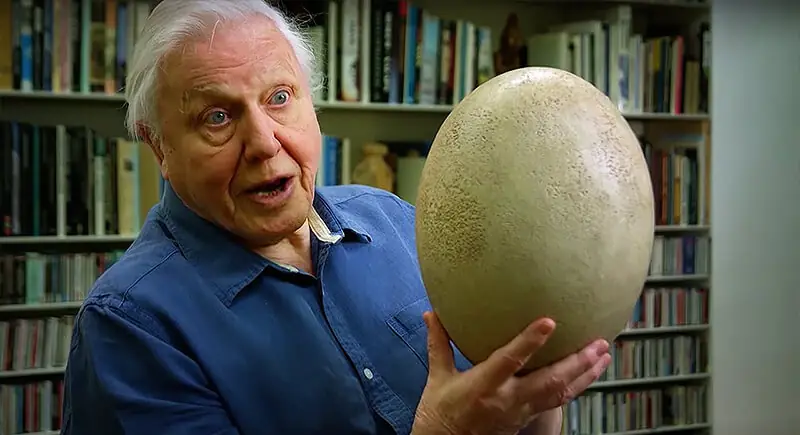
If size mattered, this one would win by a landslide. The elephant bird, once native to Madagascar, laid eggs that could hold over two gallons of liquid. Even broken ones cause a stir among scientists and collectors. Complete specimens are so rare they’re considered priceless.
Titanosaur Egg in Argentina
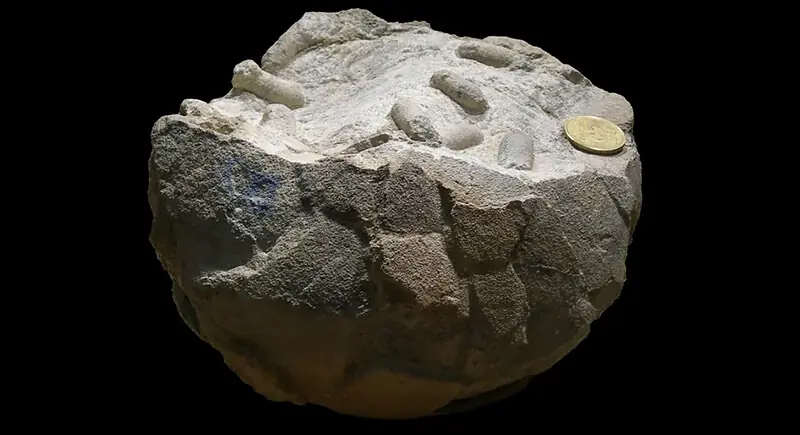
In Argentina, paleontologists unearthed a titanosaur egg fossil, basically a time capsule from the age of the giants. Scientists pieced together clues about how some of the largest creatures in history protected their nests and raised their young.
Green Turtle Nest on Miami Beach
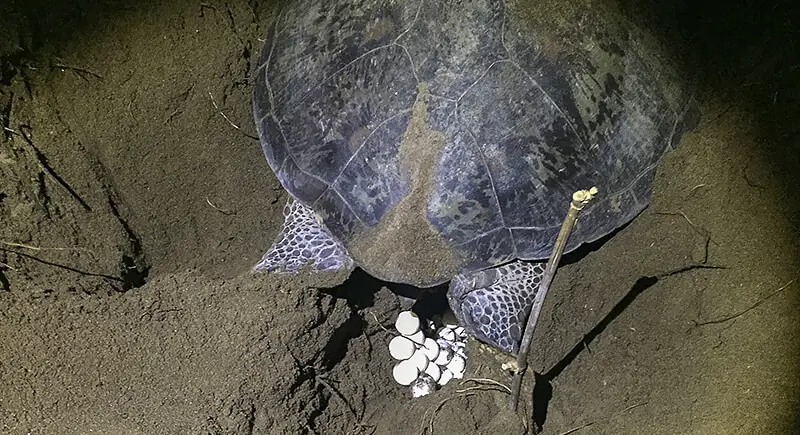
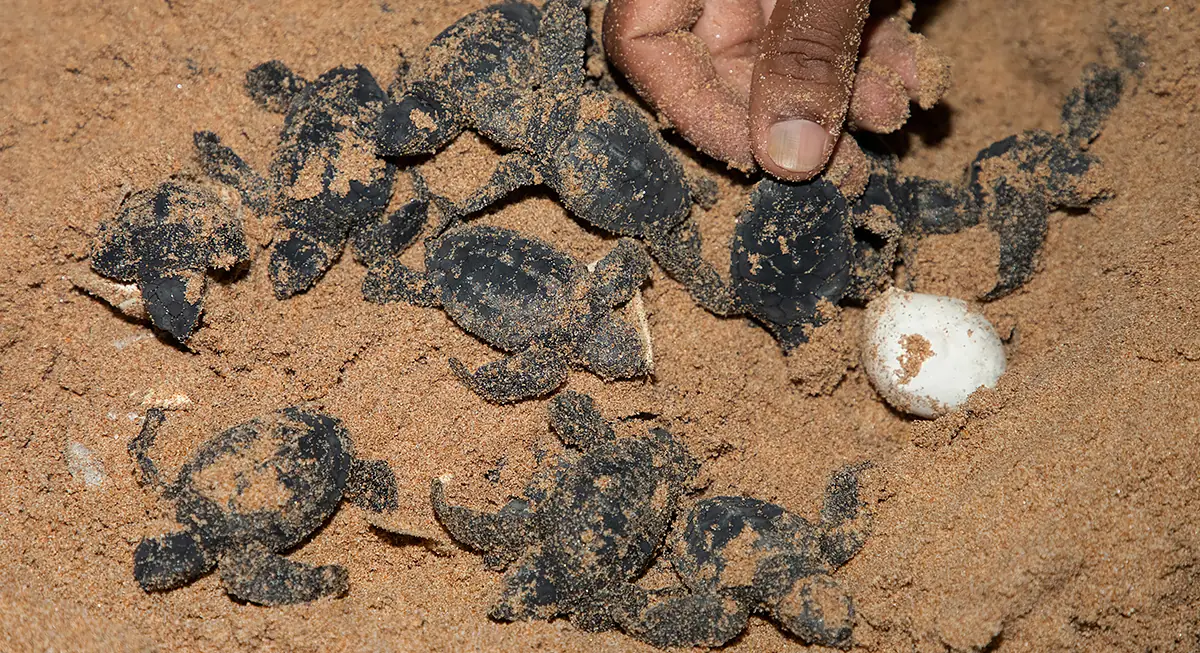
Green turtles don’t often lay eggs in heavily trafficked areas, so when a nest was spotted in busy Miami Beach, wildlife experts responded fast. After marking the area off, they allowed the eggs to develop undisturbed. The hatchlings later crawled toward the ocean under the cover of night.
Fossilized Theropod Egg in China
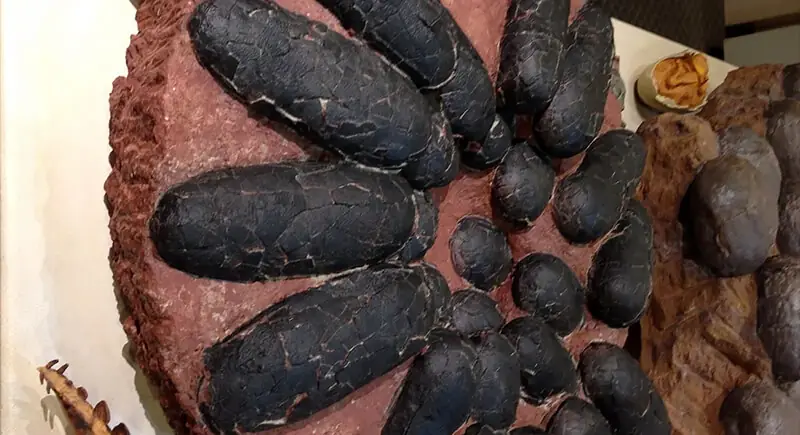
Paleontologists in Henan Province stumbled upon an elongated, fossilized egg that they traced back to a theropod dinosaur. Unlike typical fossil finds, this one included partial embryonic remains inside. It offered new insights into how meat-eating dinosaurs evolved and reproduced before eventually giving rise to birds.
Kākāpō Egg in New Zealand
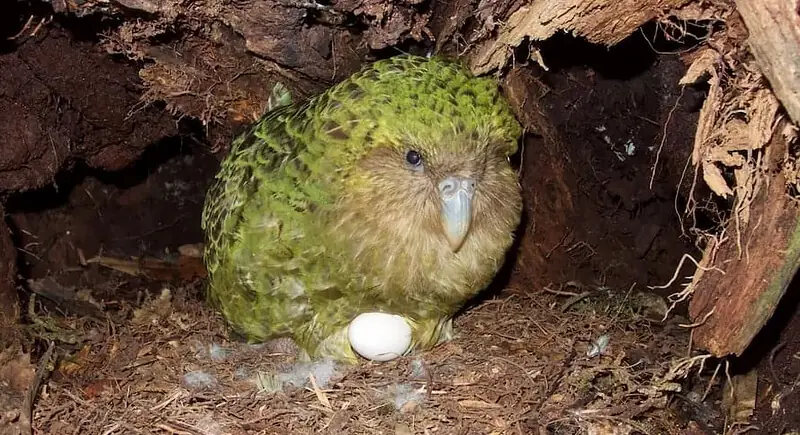
New Zealand’s famously awkward flightless parrot, the kākāpō, shocked scientists with a record-setting breeding season, 249 eggs. That’s a lot for a species that once teetered on extinction. Every egg was treated like gold, monitored closely, and in many cases, artificially incubated.
Great Auk Egg in the British Museum
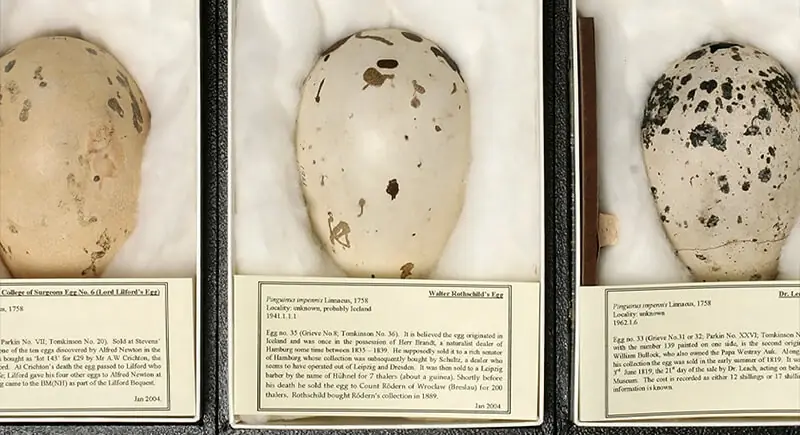
The great auk is long gone, but its eggs still make headlines. Fewer than 80 are known to survive, and one of them rests at the British Museum. Back in the 1800s, collectors would pay outrageous sums to own one. This particular egg still bears the marks of the hands that prized it so dearly.
Kiwi Egg in New Zealand Sanctuary
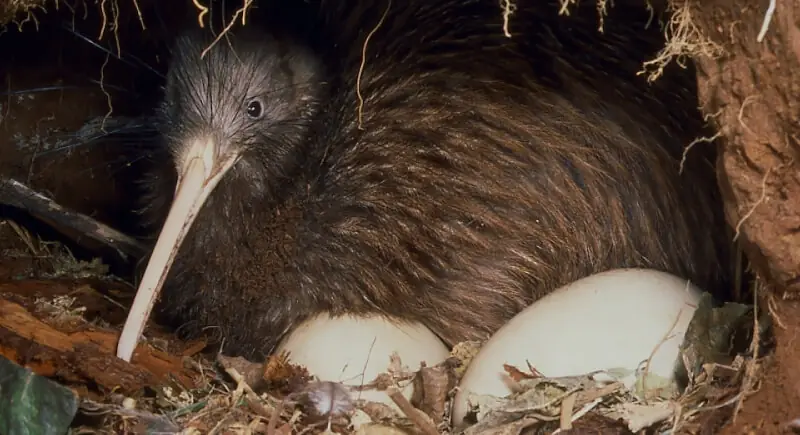
Imagine laying an egg the size of a grapefruit when you weigh only five pounds. That’s what happened at a New Zealand sanctuary when a kiwi laid a 16-ounce whopper. It looked cool, but the bird was in distress. Vets stepped in and saved both the mom and her egg.
Cassowary Egg Found on Queensland Trail
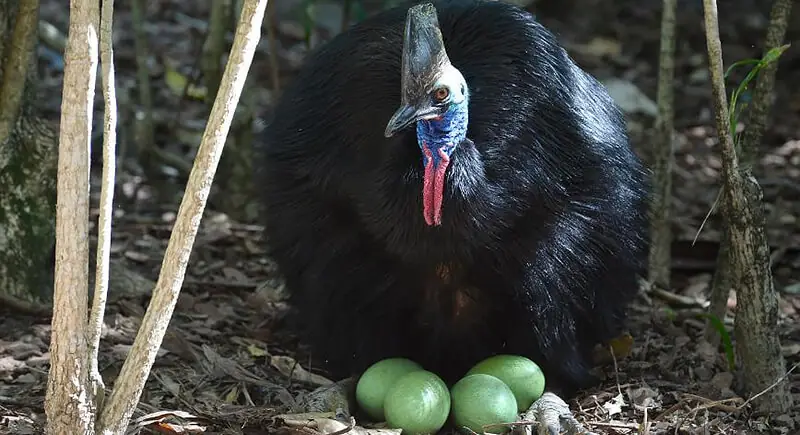
Cassowaries are secretive nesters, so when park rangers in Queensland saw a bright green egg lying exposed on a hiking trail, alarms went off. These birds are better known for their dinosaur-like feet than for their parenting. Rangers moved it to a safer spot before curious hikers could ruin the surprise.
Extinct Moa Egg in New Zealand Collection
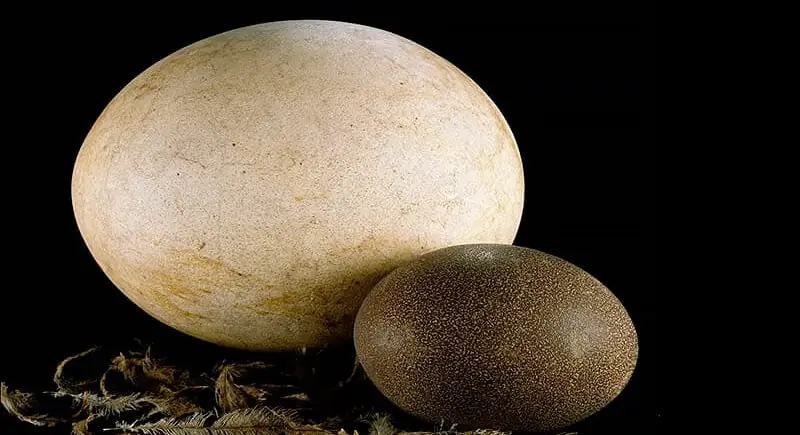
The moa, another extinct giant bird from New Zealand, left behind only a handful of intact eggs. One displayed in the Museum of New Zealand measures nearly 10 inches long. Its delicate shell has survived earthquakes, colonization, and careless handling over the centuries. Scientists still analyze its chemistry for clues.
Egg With Embryo Discovered in Burmese Amber
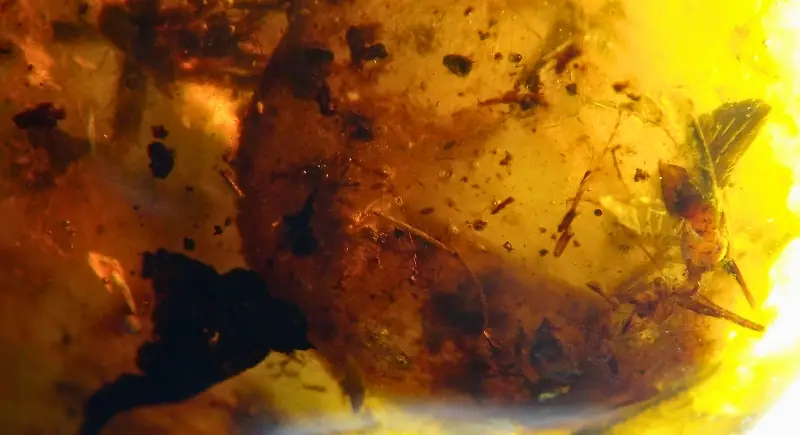
In a piece of 99-million-year-old amber from Myanmar, scientists found what appeared to be part of a tiny egg, complete with a developing embryo. It’s likely from an early bird or small dinosaur; in any case, the discovery sparked debate. It’s one of the smallest and most fragile eggs ever identified.
Harpy Eagle Egg in Panama Canopy
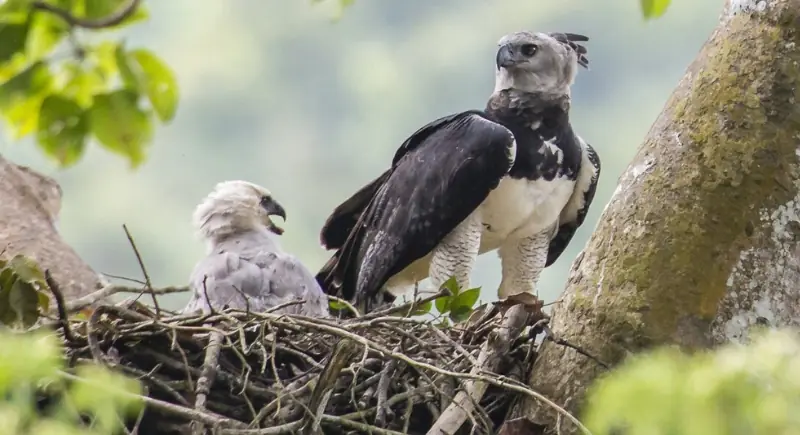
High in the Panama rainforest, a harpy eagle did what harpies rarely do, laid an egg. These raptors only lay one egg every couple of years. Conservationists installed canopy cams and waited. After months of watching, they finally saw a chick.
Flamingo Egg at Lake Natron
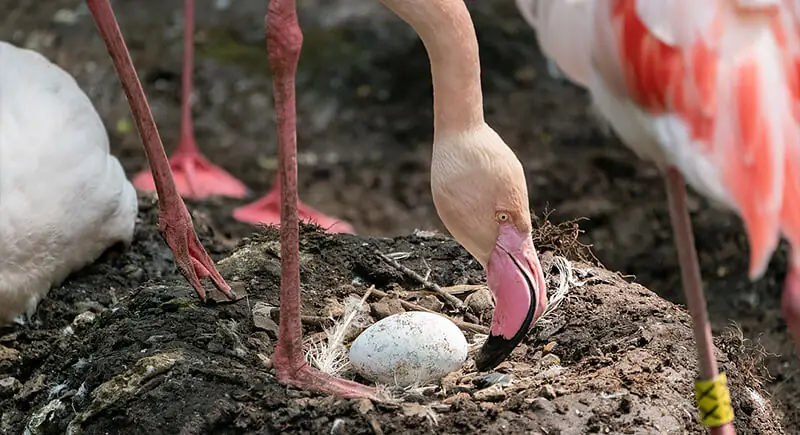
Flamingos are selective breeders, but an isolated egg on the caustic shores of Tanzania’s Lake Natron raised questions. The lake’s water is so alkaline that it can burn skin, yet flamingos breed there en masse. This single egg, abandoned and intact, revealed shell thickness and shape adaptations.
Gobioolithus Eggs in Mongolia’s Gobi Desert
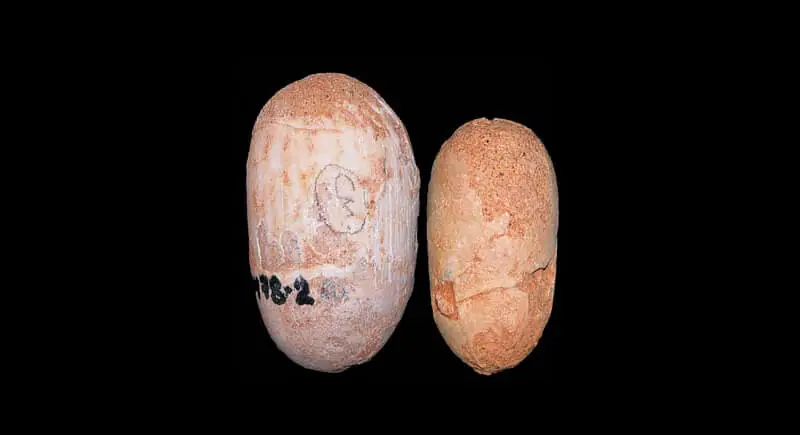
Hunters in the Gobi Desert came across something remarkable: a nest of eggs from an ancient bird species called Gobioolithus. These eggs held tiny preserved embryos of enantiornithines, a group of early birds. It’s a rare glimpse into how prehistoric birds reproduced, and adds another link between dinosaurs and avians.
Perfectly Round Chicken Egg Found in Buffalo
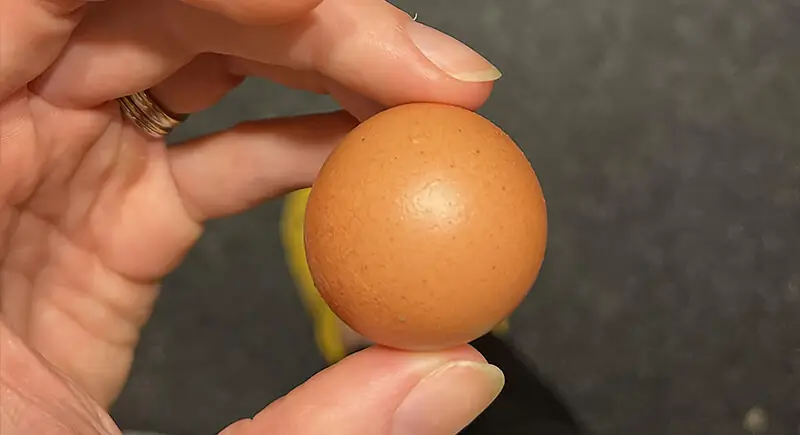
While cracking eggs for a recipe at The Globe Market in Buffalo, baker Christopher Wahl noticed something strange. The egg was a flawless sphere. Odds of finding one like it? Reportedly, one in a billion. It’s still just a regular egg, but collectors have paid over $100 for similar finds.
Oviraptorosaur Nest with Blue-Green Shells in China
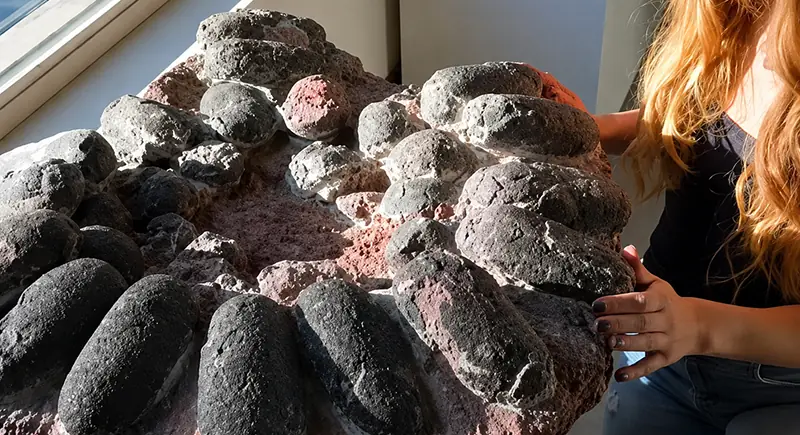
Paleontologists studying fossil nests in China realized the blue-green tint on certain dinosaur eggs was not caused by minerals after burial. The color came from pigments inside the shells themselves. That changed a lot. Scientists started drawing stronger links between bird behavior and feathered dinosaurs that guarded nests millions of years ago.
Roman Chicken Egg with Liquid Inside in Aylesbury
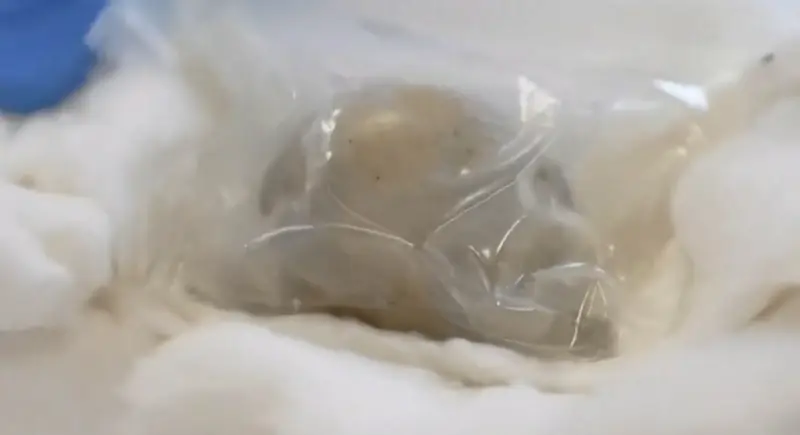
Archaeologists in Aylesbury uncovered a Roman-era chicken egg that still held liquid after nearly 1,700 years underground. Three others cracked during excavation, releasing a sulfur smell that nobody on site forgot. One survived intact. Scans later showed that the yolk and egg white were preserved, sealed inside a shell thinner than cardboard.