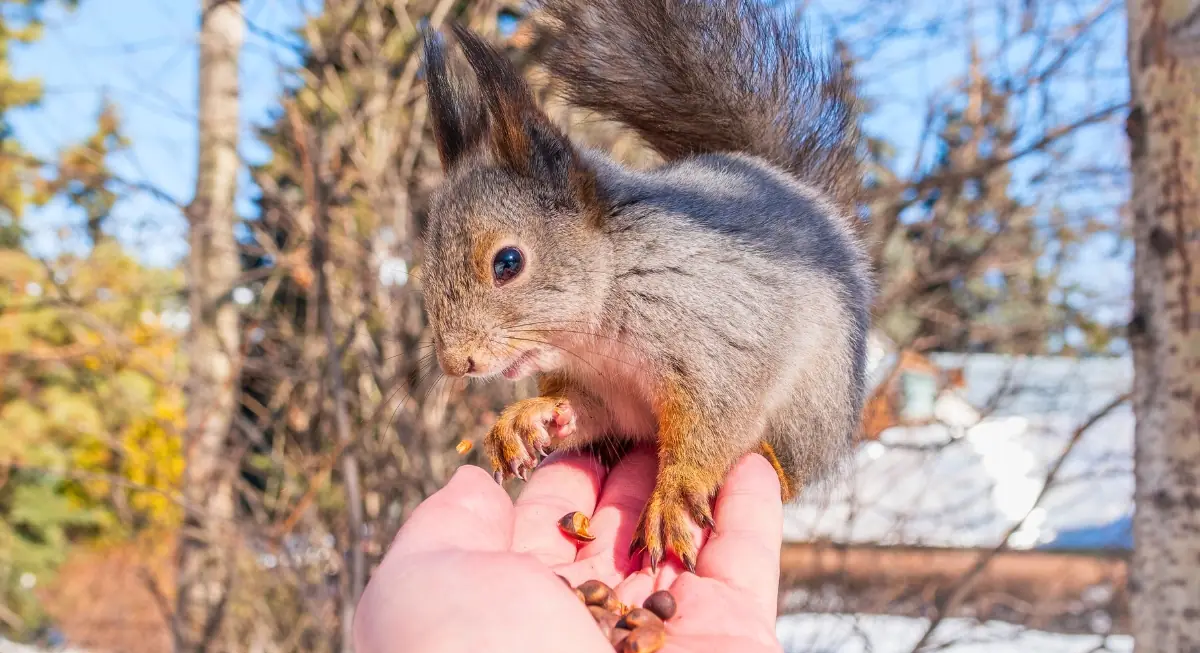
A flick of the tail, a dash across the fence, and they’re gone. Squirrels move like they’re late for something important, which, in their world, they usually are. Often overlooked or dismissed as background wildlife, these quick-footed visitors are worth a second glance. Before looking closer at their role, it’s worth noting that they’re not just there by chance.
Keep the Bugs in Check
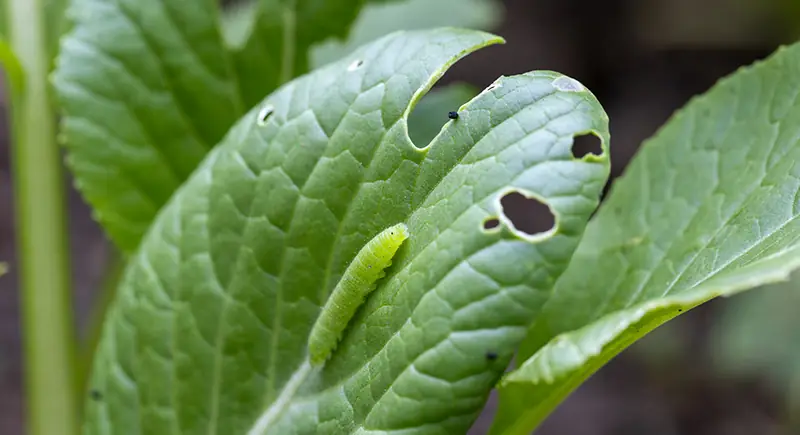
They’re known for raiding bird feeders and darting up trees, but squirrels also help out in the garden in ways most people don’t notice. Alongside seeds and nuts, they’ll snack on beetles, caterpillars, and other insects that damage plants. This kind of pest control means fewer chemicals and a healthier yard overall.
Spreading New Life in Your Yard
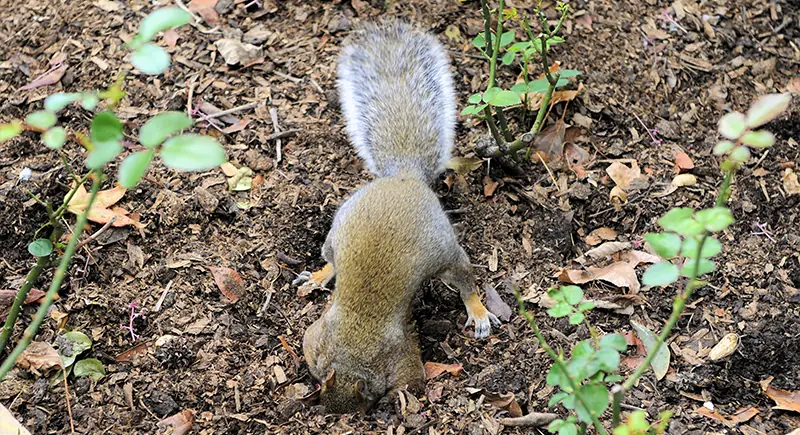
Squirrels dig, bury, and move on, often forgetting where their stashes went. Those lost seeds sprout and help new plants grow without any help. It’s a simple habit that supports plant variety and renewal in areas where natural dispersers are scarce.
Squirrels Aerate Your Soil Naturally
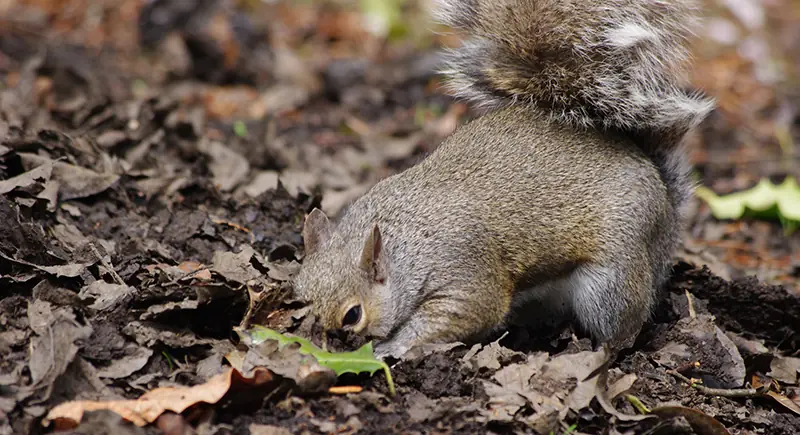
When a squirrel buries a snack, it accidentally helps your garden breathe. Their constant digging breaks up packed soil, which lets water and nutrients move more freely underground. In rainy spots, their tiny holes can even help prevent water from pooling.
Squirrel Activity And Local Environment
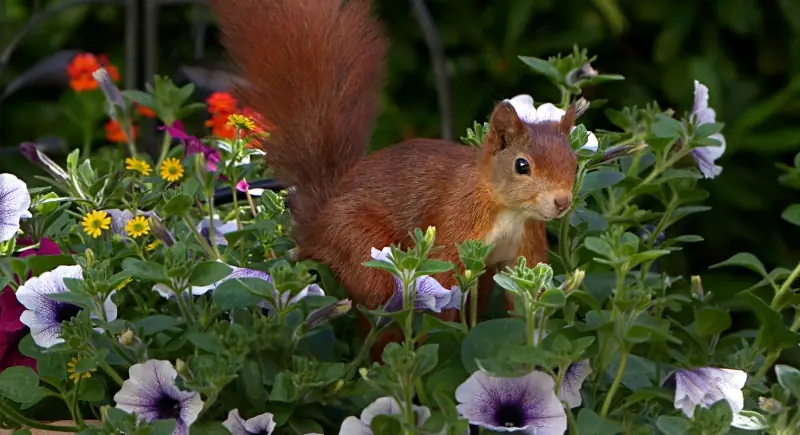
A yard full of squirrels usually means things are going well. But if they vanish or suddenly swarm the place, something’s shifting. Fewer squirrels might hint at shrinking food supplies or nearby habitat changes. Even how they move or where they build nests can say a lot.
Tool for Childhood Learning
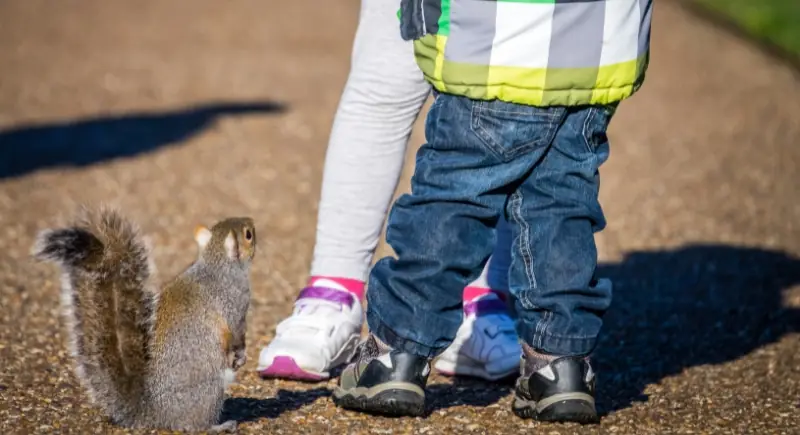
A squirrel darting across the yard can lead to questions about how animals live, eat, and survive. Their movements offer kids a way to learn by watching. Simple projects, like tracking where squirrels go or what they do, can turn into early lessons about ecosystems and habitats.
Role in Supporting Local Wildlife
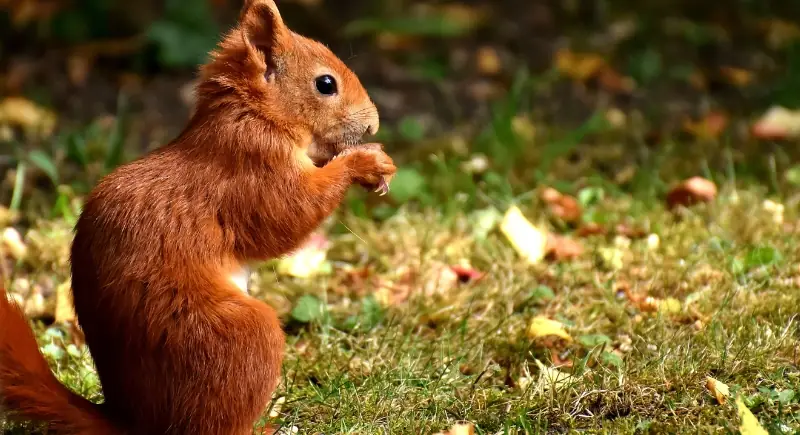
By being prey for predators like hawks and owls, squirrels help keep predator populations stable. This, in turn, controls the populations of smaller animals, prevents overpopulation, and maintains a balanced environment.
Helping to Maintain Plant Diversity
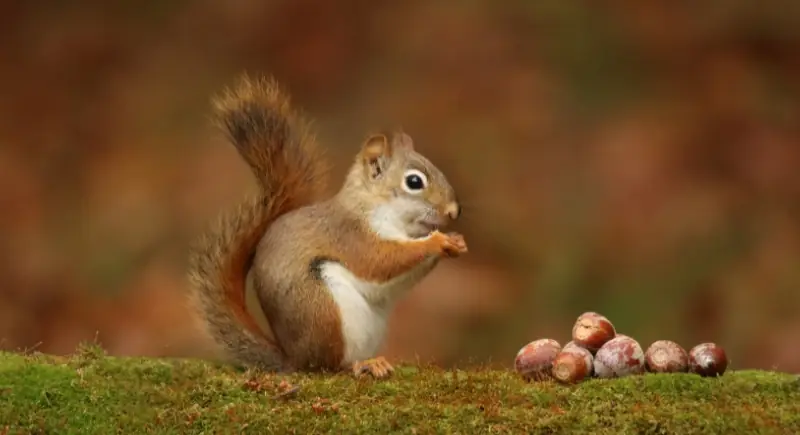
By eating acorns and nuts, squirrels stop certain trees, like oaks, from taking over every corner of your yard. That makes space for other plants to thrive and keeps outdoor space more diverse and self-sustaining.
Contributing to Squirrel Research
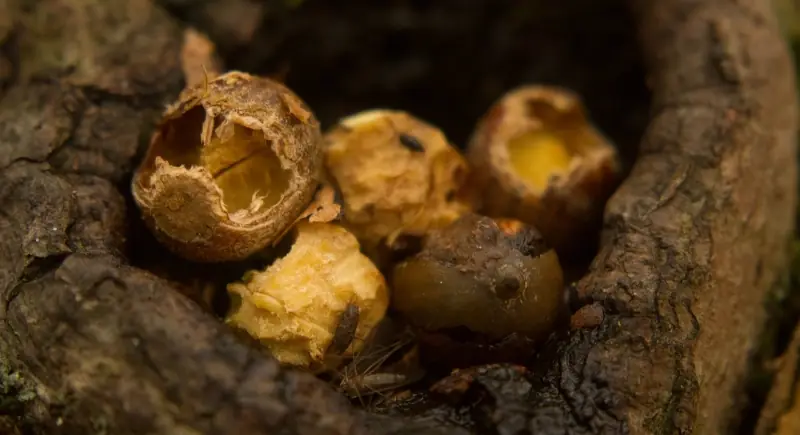
Everyday sightings; nut stashing, tree chasing, tail flicking, can feed real research through projects like SquirrelMapper and Project Squirrel. These programs use casual observations to track how squirrels adapt to cities, seasons, and shifting food sources. Logging what you see takes just a phone and a few minutes.
Finding Calm by Watching Squirrels
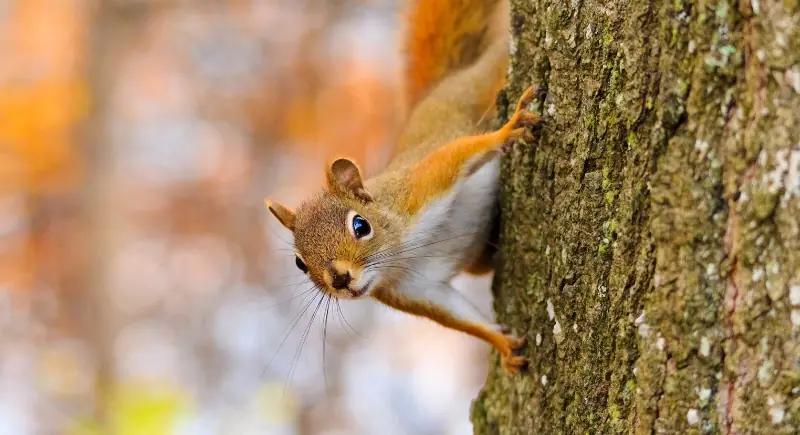
Catching sight of a squirrel scrambling across a branch or tumbling through leaves gives your brain a break. Their constant movement and oddball habits offer a quick escape from screens and to-do lists. Watching them brings you into the moment, helping to calm nerves and lift your mood.
Contribution to Soil Enrichment
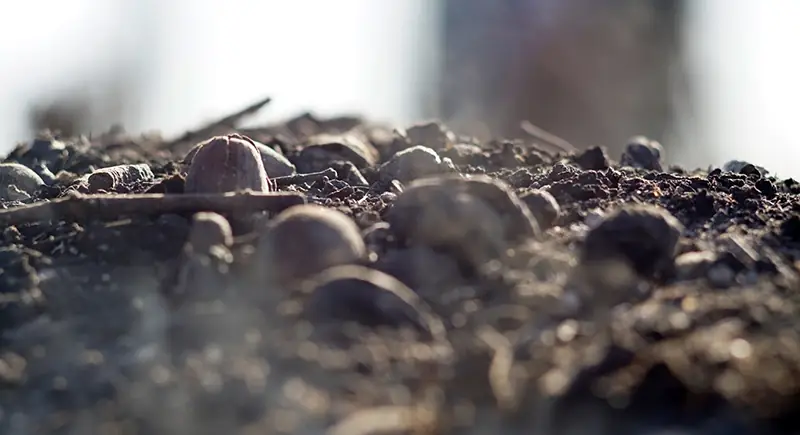
Buried nuts that never get reclaimed don’t sit idle; they break down and return nutrients to the soil. This natural decay improves fertility and supports the microbes that keep plant roots fed. Their forgetfulness creates small boosts beneath the surface.
They Accidentally Plant Trees Everywhere
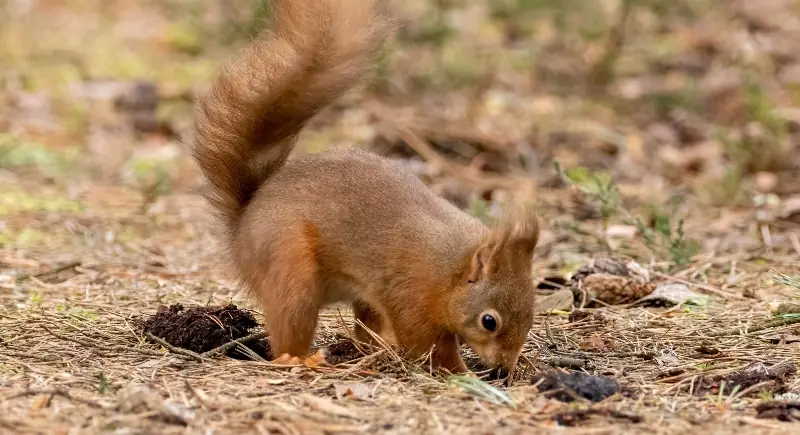
Squirrels are forgetful hoarders, and that works in your favor. They bury nuts all over the yard and never recover a good portion of them. Those forgotten stashes sprout into new trees and shrubs over time, quietly helping your space grow greener without you having to lift a finger.
Fungi Forecasters for Your Garden
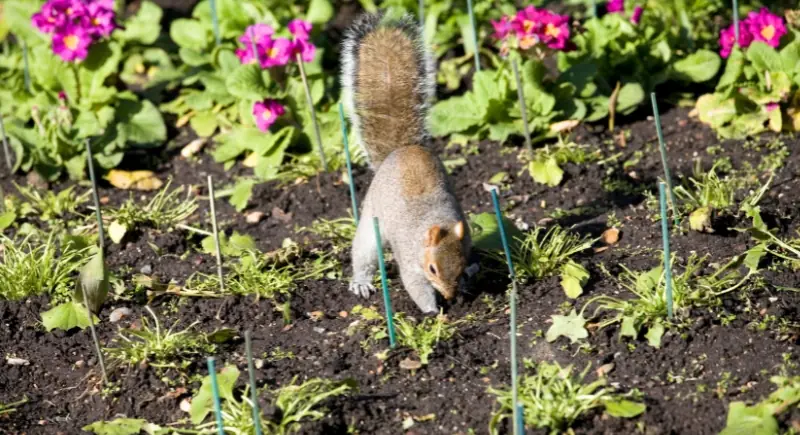
Squirrels have a habit of digging up and burying fungi, especially truffles, which grow underground. In doing so, they spread fungal spores throughout the soil. These fungi form partnerships with plant roots, helping them absorb nutrients. Their presence can point to a thriving underground ecosystem supporting your garden’s overall health.