

A dog has carried the title “man’s best friend” for generations. You may have heard stories of loyalty across cultures, and many involve dogs protecting or helping their owners during emergencies. Those stories helped shape the idea that the bond between humans and their canines runs deeper than ordinary companionship.
Researchers eventually began studying that connection through medical and behavioral science. Universities and health organizations have explored how living with a dog influences physical health, mental stability, and habits. Their findings show that this relationship produces measurable changes in the body and mind.
Reduced Loneliness

A dog provides consistent companionship in the home, which can help individuals feel less alone in daily life. Owners interact with their dogs throughout the day, such as talking to them, responding to their behavior, or spending time together. This builds regular emotional contact, which can support emotional well-being, particularly for people who spend long hours alone or live without large social circles.
Lower Stress

Gentle interaction with a dog can slow breathing and ease muscle tension that builds during stressful moments. Researchers who study stress responses have observed that contact with animals can lower hormones connected with stress.
Better Heart Health

Since canines require daily activity and attention, this can help you maintain a more consistent, active routine. Caring for a dog often means regular walks, outdoor time, and frequent contact. These habits naturally introduce more movement into everyday life. Medical experts studying lifestyle patterns frequently observe healthier cardiovascular trends among people who live with dogs.
More Physical Activity

It is quite normal for pet parents to walk longer distances or spend more time outside after bringing a dog home. This steady activity supports circulation, strengthens muscles, and keeps joints flexible. In addition, exercise helps regulate body weight and energy levels.
Emotional Support During Difficult Periods

If you spend time with your dog during difficult moments, its presence can bring you stability and familiarity. A lot of people feel comfort simply knowing their dog remains nearby during the day. Spending time with your four-legged friend can also take attention away from stressful thoughts and promote a sense of awareness between owner and pet.
Stronger Social Connection with Others

For many individuals, dog ownership introduces social contact that might not occur in their regular routines. One example of this is walking a dog, which often leads to brief conversations with neighbors, other dog owners, or people passing by. These instances gradually build familiarity within communities. Owners may also spend more time at parks, walking trails, or training classes because of their pups.
Natural Mood Improvement Through Bonding

The relationship between humans and dogs involves strong emotional bonding. Time spent with a pet can trigger chemical responses in the body linked to feelings of trust and attachment. Eye contact, gentle touch, and shared attention during play all contribute to that bond. These interactions are known to improve mood and create a sense of comfort.
Support for Mental Health Stability

Dogs also contribute to mental health stability through routine and accountability. Feeding schedules, walks, grooming, and playtime encourage discipline. Mental health professionals mostly view this structure as helpful for maintaining emotional balance. Even small tasks, like preparing food or taking a walk, can interrupt long periods of inactivity or rumination.
Improved Well-Being for Older Adults
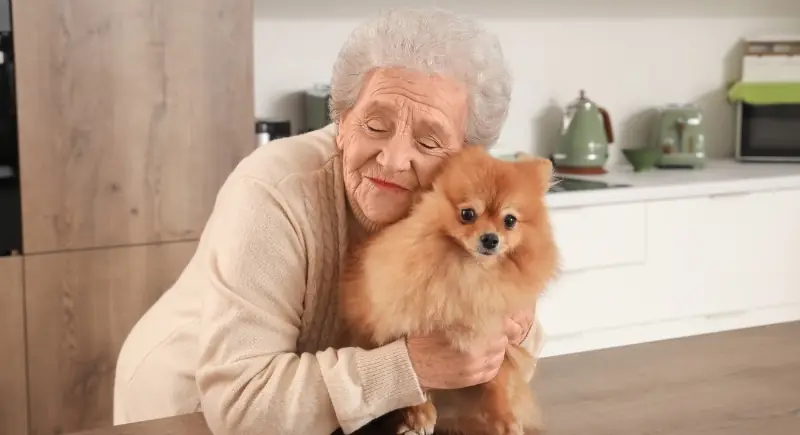
Sometimes, canines visit assisted living centers and rehabilitation facilities as part of therapy programs. Residents have been found to respond positively to these visits as engagement with a dog can encourage conversation and movement. Older adults enjoy petting the animal, observing its behavior, or talking about past experiences with pets, which leads to emotional stimulation.
Provide a Sense of Purpose

Being a pet parent comes with all kinds of responsibilities that naturally introduce a sense of purpose. Dogs rely on their owners for food, exercise, attention, and regular care. Meeting those needs requires planning and consistency. Various individuals find satisfaction in knowing their efforts directly support their pet’s well-being.





