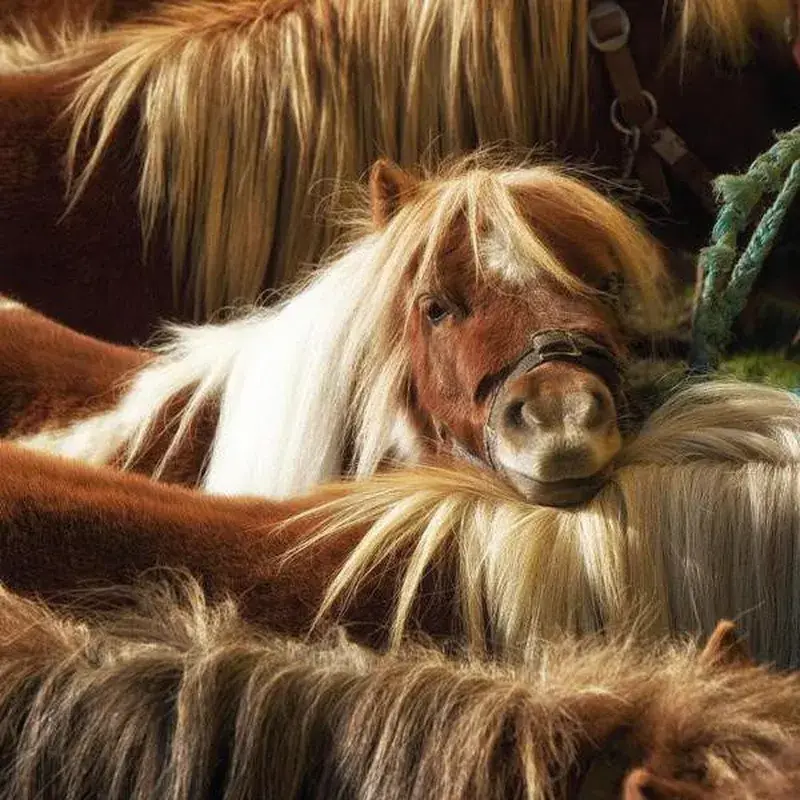
Hippotherapy, or equine therapy, has been around forever — it’s believed the ancient Greeks had forms of it — but modern hippotherapy was formalized in the 1960s in Europe. Since then, the use of horses for emotional and physical therapy has grown exponentially as we continue to discover just how powerful the effect a horse has on a broken body or mind.
Debbi Rosengarth Fisher is the training director at Hope for Heroes Equine Therapy in Washington State. Her program uses a variety of different horse breeds for different reasons, including needing breeds that can carry large riders. Most importantly, she says, is the horse’s temperament. They must be safe and not easily spooked by noises and movements that are not common with non-therapeutic work. All potential horses go through a rigorous trial process to make sure they are suitable for this special work. “One in 12 will become therapy horses,” she says.
Each individual horse has its own temperament as well as past training that affects their suitability for hippotherapy. Still, there are breeds that have a tendency to be better at equine therapy. Here are 25 horse breeds that excel in therapy programs.
1. Norwegian Fjord
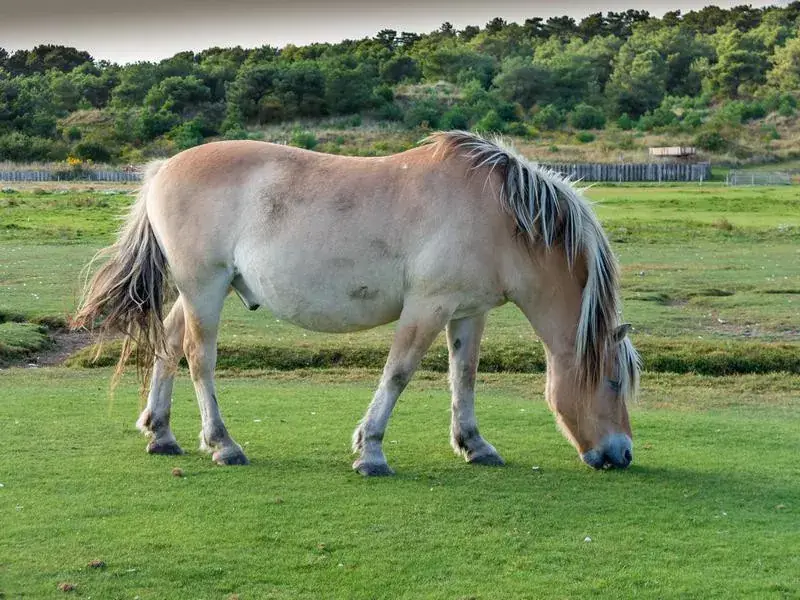
Physical characteristics: Compact, powerful body with thick bones and a large head; known for their black- and white-striped mane Height: 13 (52 inches) – 15.2 (62 inches) hands Country of origin: Norway
Bottom Line: Norwegian Fjord
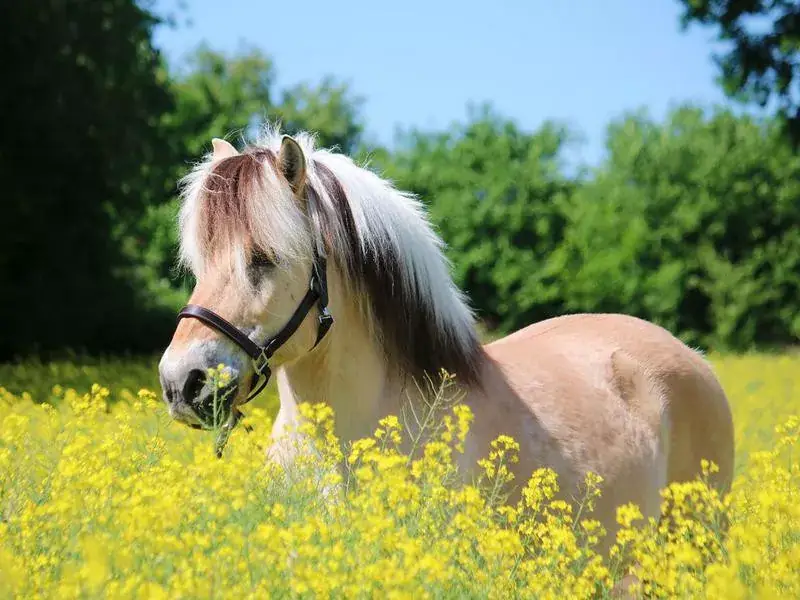
Norwegian Fjords are very popular in all kinds of equine therapy programs due to their solid nature. Most Fjords are about as “bomb proof” as a horse can get. They are also slow walkers, making them easy for a sidewalker to keep up with for riders who need extra assistance in the saddle.
2. Haflinger
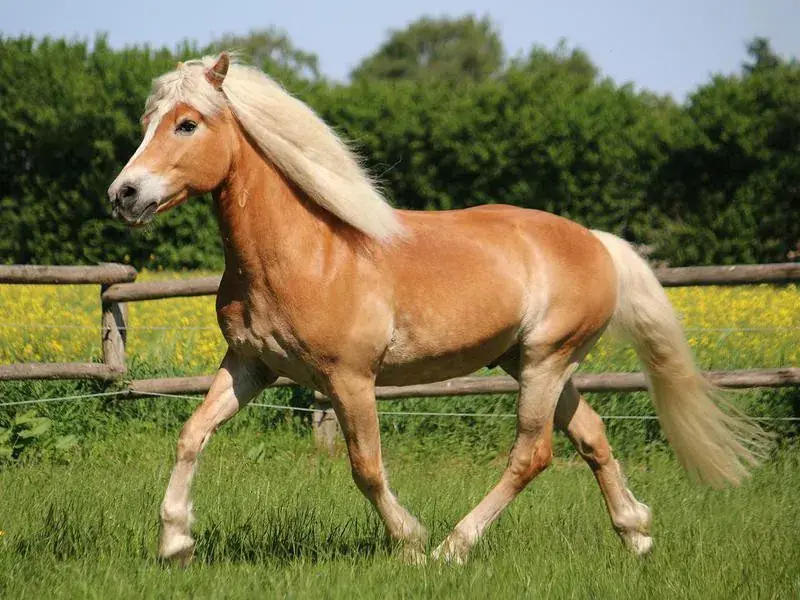
Physical characteristics: Stocky build, with short but strong legs and neck Height: 13 (52 inches) – 15.2 (62 inches) hands Country of origin: Austria/Northern Italy
Bottom Line: Haflinger
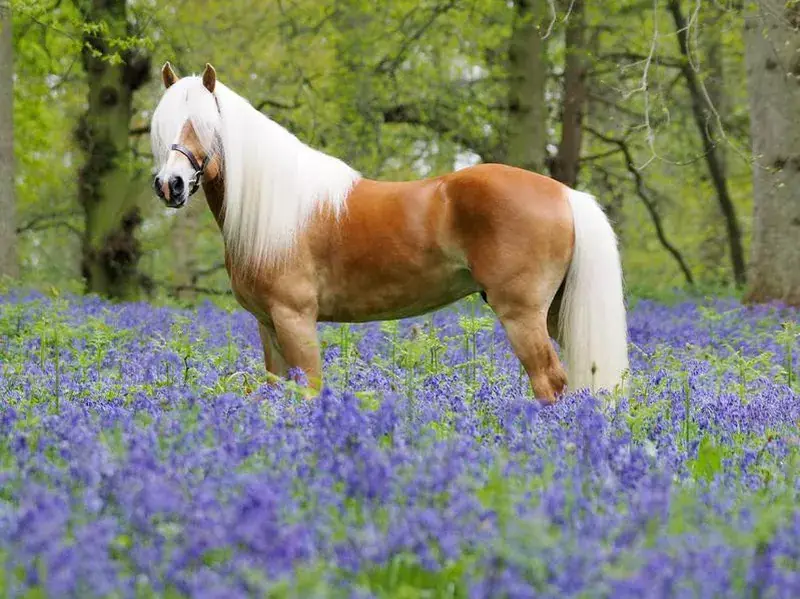
Another stout breed that is commonly seen at therapy centers is the Haflinger. Like the Fjord, they are docile and slow, making them great therapy horses for kids or those who have disabilities that require sidewalkers. They may not win any speed awards, but they will definitely help heal the soul.
3. Gypsy Horse
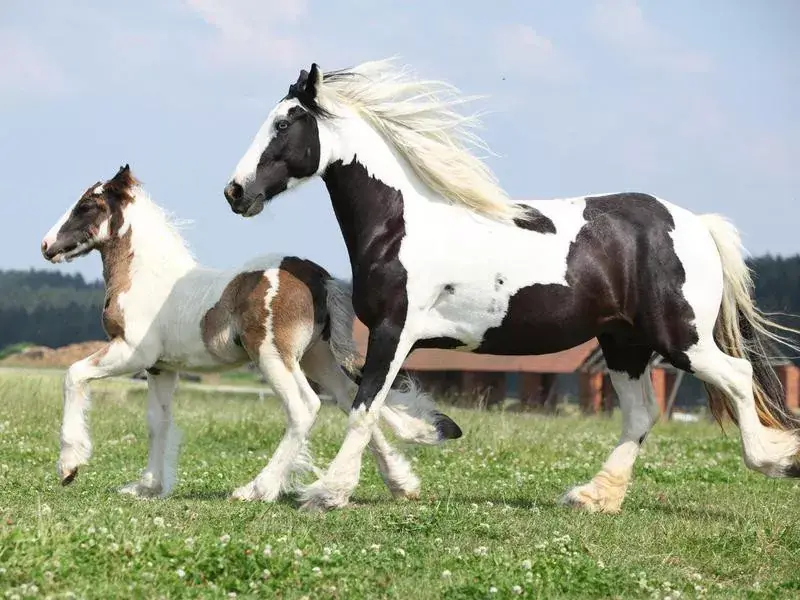
Physical characteristics: Thick body with large bone and a refined head as well as ample feather (hair on feet), mane and tail Height: 10 hands (40 inches) – 16 hands (64 inches) Country of origin: Ireland
Bottom Line: Gypsy Horse
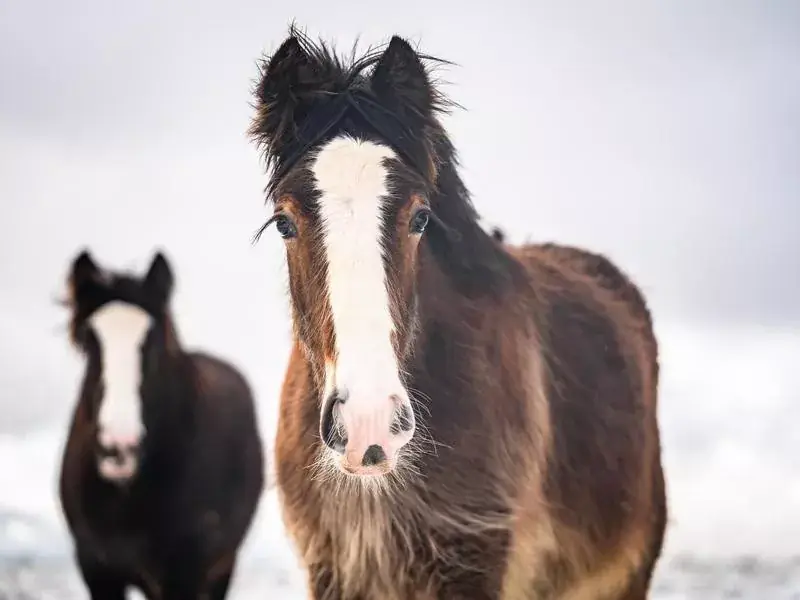
The Gypsy Horse, also called the Gypsy Vanner or Gypsy Cob, among other names, is an intelligent horse that was bred for temperament first and foremost. They tend to think things out instead of being reactive — a great quality for a therapy horse. Gypsy Horses come in a range of sizes, which also makes them great for therapy programs: whether you want a small horse for in-hand work or a larger horse to carry bigger riders, the Gypsy Horse fits the bill. Some therapy programs have cart horses, and the Gypsy Horse’s versatility allows them to be used for riding, in-hand and driving work.
4. Belgian
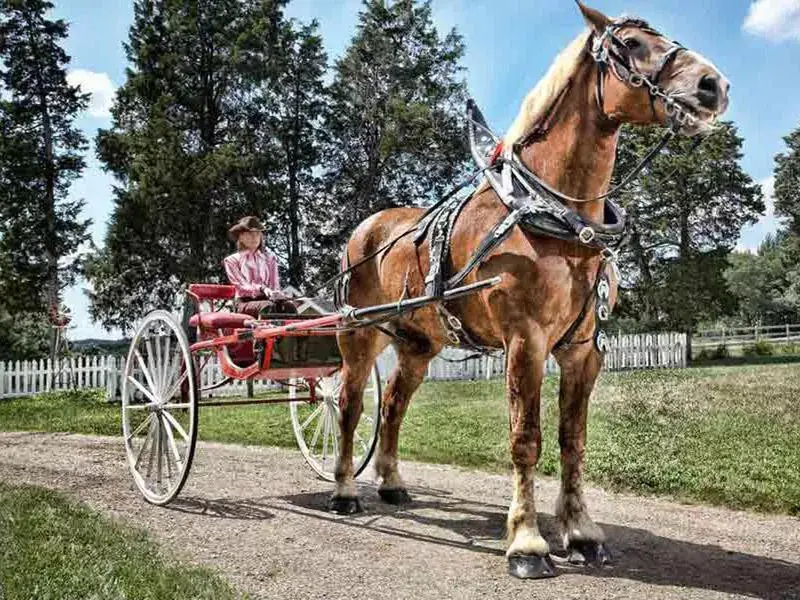
Physical characteristics: Heavy-set body, thick bones and short legs Height: 16 hands (64 inches) – 17 hands (68 inches) Country of origin: Belgium
Bottom Line: Belgian
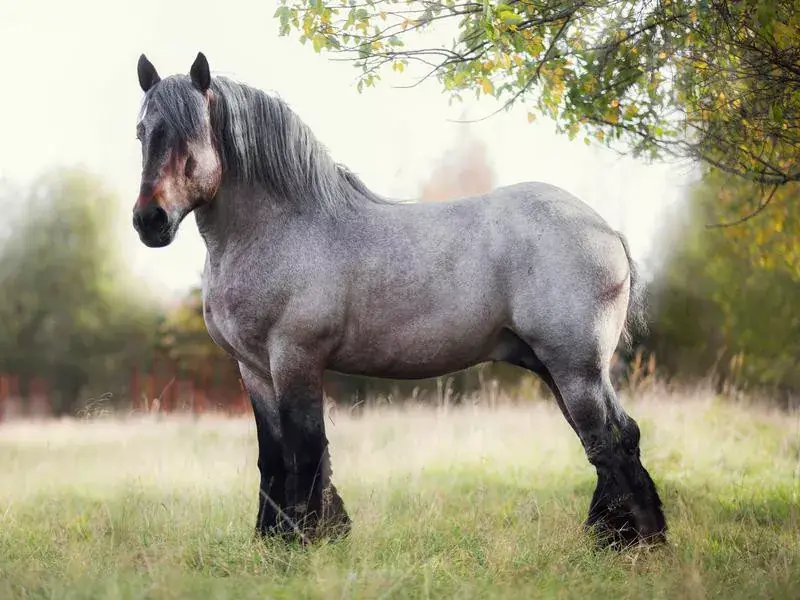
Some equine therapy programs use draft breeds like the Belgian. Belgians are known for having a kind disposition and being easy to handle — two things definitely needed for a therapy horse! Their large size makes them perfect for larger riders. They definitely are slow and steady, which is great for a program focusing on the horse’s movements under the rider.
5. Clydesdale
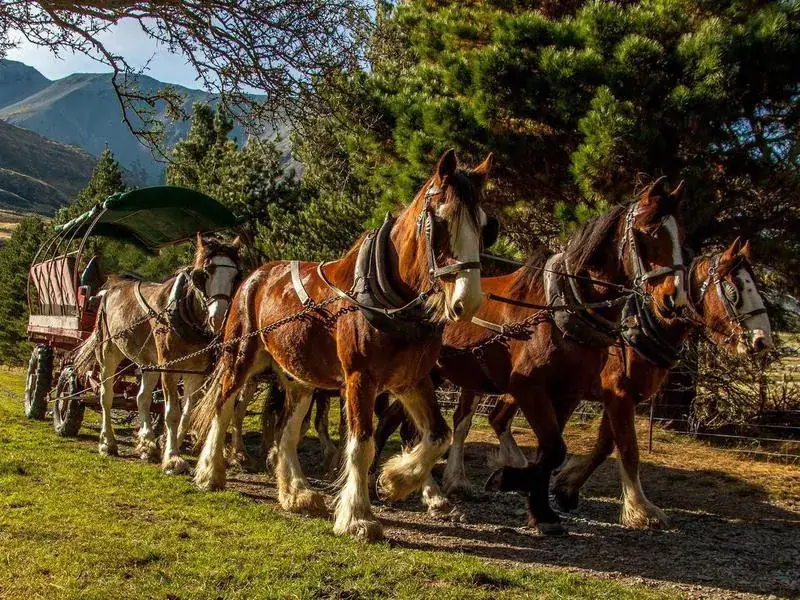
Physical Characteristics: Large-boned, tall and feathered feet Height: 16 hands (64 inches) – 18 hands (72 inches) Country of Origin: Scotland
Bottom Line: Clydesdale
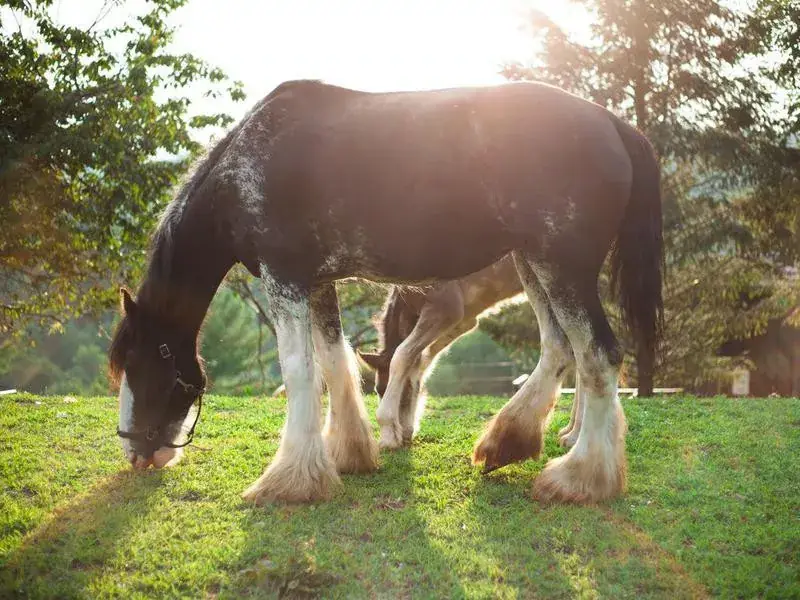
Sometimes thought of as “lazy” due to their quiet nature, the Clydesdale (and Clydesdale crosses) make an appearance at some horse therapy places, including Debbi’s. Again, their large size allows them to accommodate bigger riders, including those weighing in the mid-200s to low 300s. They are docile, and as the famous Budweiser Clydesdales prove, not much phases them.
6. Thoroughbred
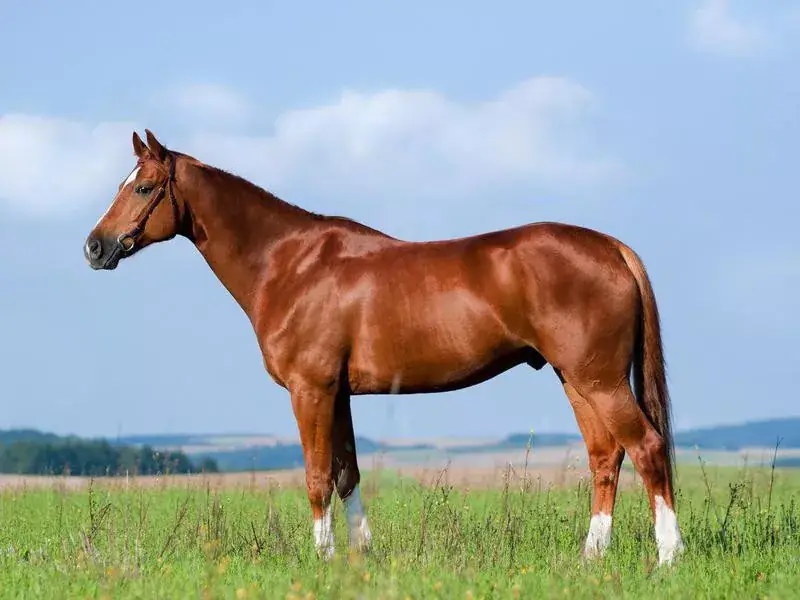
Physical characteristics: Tall, athletic, refined Height: 15 hands (60 inches) – 17 hands (68 inches) Country of origin: England
Bottom Line: Thoroughbred
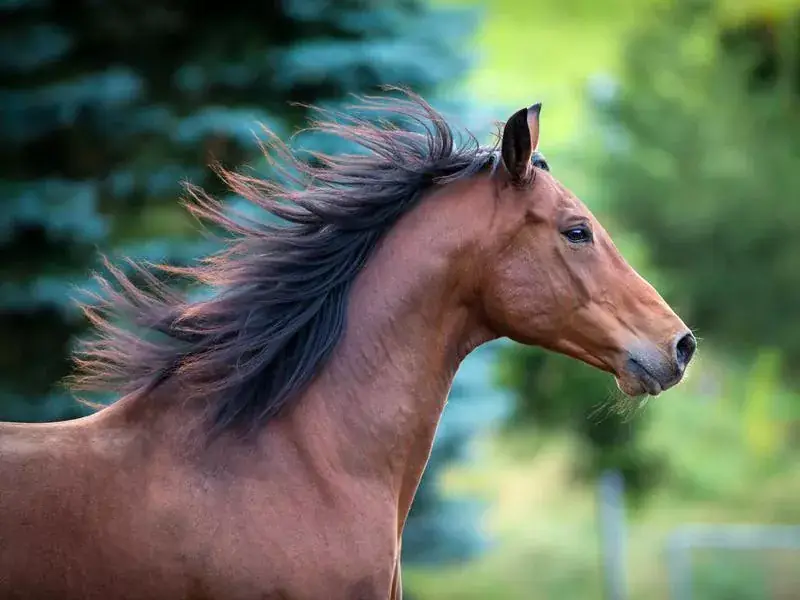
The Thoroughbred is an interesting breed because they are most known for racing, which would make you think they must all be hot-blooded horses that want to run all the time. But actually, many Thoroughbreds are calm and level-headed, making them great for therapy work. They have a quiet presence about them and are excellent at mirroring emotions, something sought after for therapy programs focused on healing invisible wounds.
7. Missouri Fox Trotter
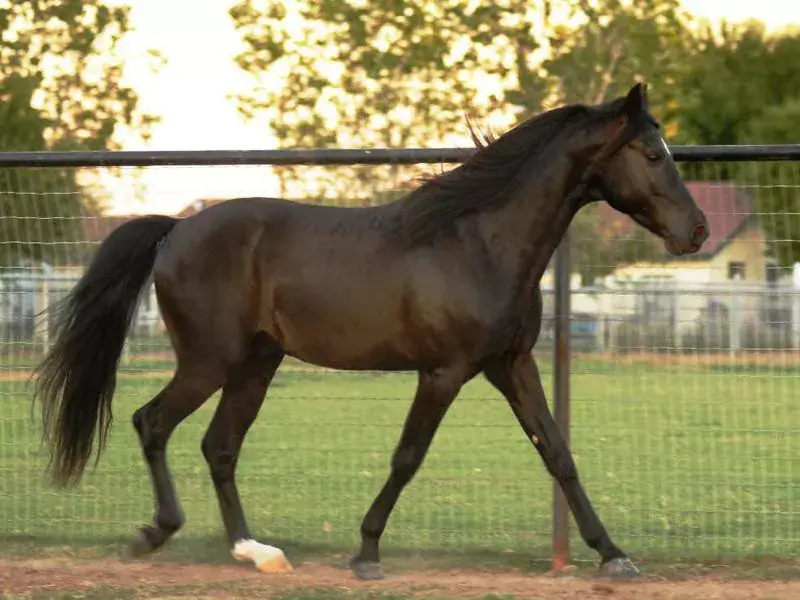
Physical characteristics: Medium build with a shapely neck; known for their special gait, the foxtrot Height: 14 (56 inches) – 16 (64 inches) hands Country of origin: United States
Bottom Line: Missouri Fox Trotter
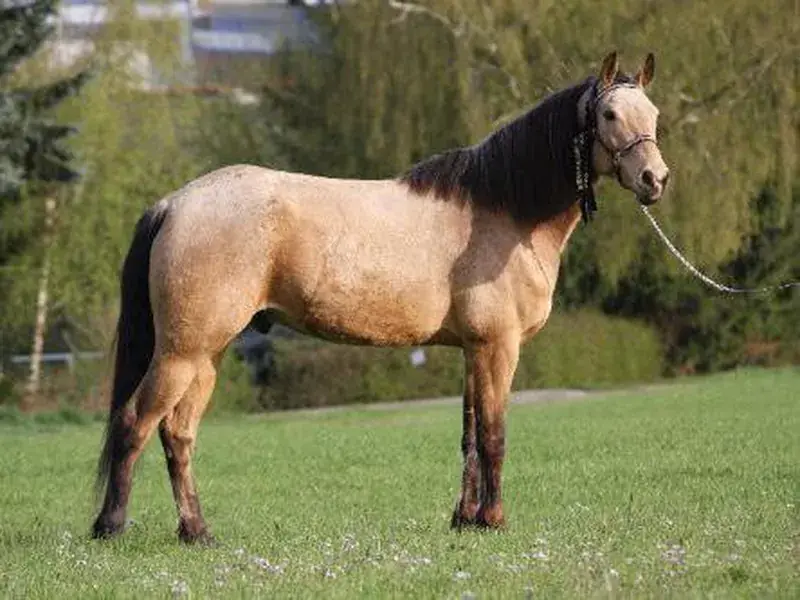
The Missouri Fox Trotter is a gaited horse breed, meaning they have special gaits (speeds) that other horses do not. The foxtrot is their signature gait and is very smooth. Fox Trotters also have a calm temperament that makes them great for use as a therapy horse. Their smooth way of going can be useful if the rider has back issues or is affected by the more jarring feel of a non-gaited breed.
8. Miniature Horse
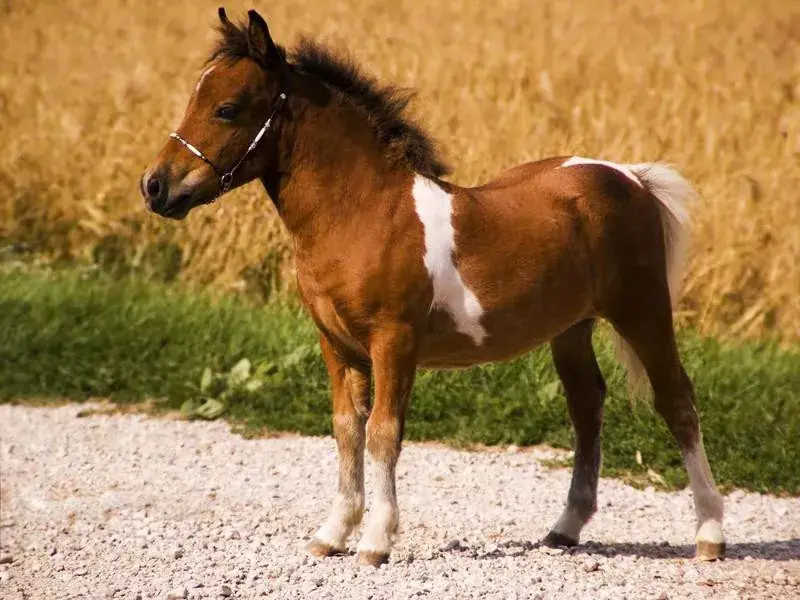
Physical Characteristics: Well-balanced miniature version of a full-sized horse, with petite legs, head and ears Height: Up to 34 inches Place of origin: Europe
Bottom Line: Miniature Horse
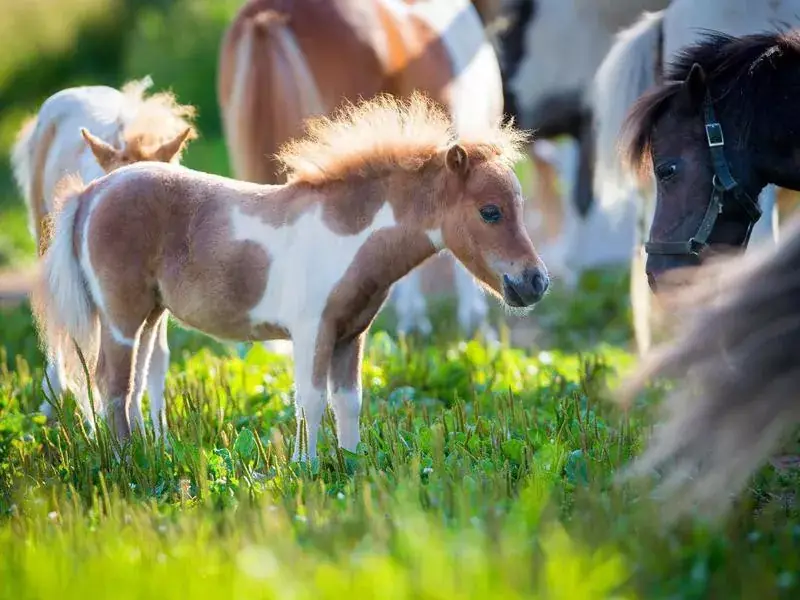
Not all therapy happens in the saddle. Sometimes, those seeking equine therapy are nervous about riding at first, or they may not physically be able to. Miniature horses fill a very important role when it comes to equine therapy. Some even make visits to hospitals and senior centers.
9. American Quarter Horse
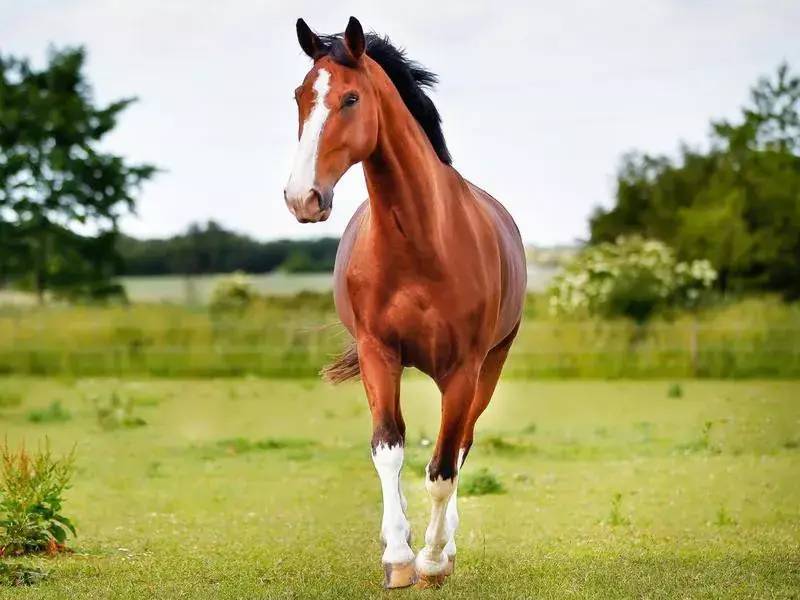
Physical characteristics: Medium-boned and athletic with a semi-refined head Height: 14 hands (56 inches) – 16.2 hands (66 inches) Country of origin: United States
Bottom Line: American Quarter Horse
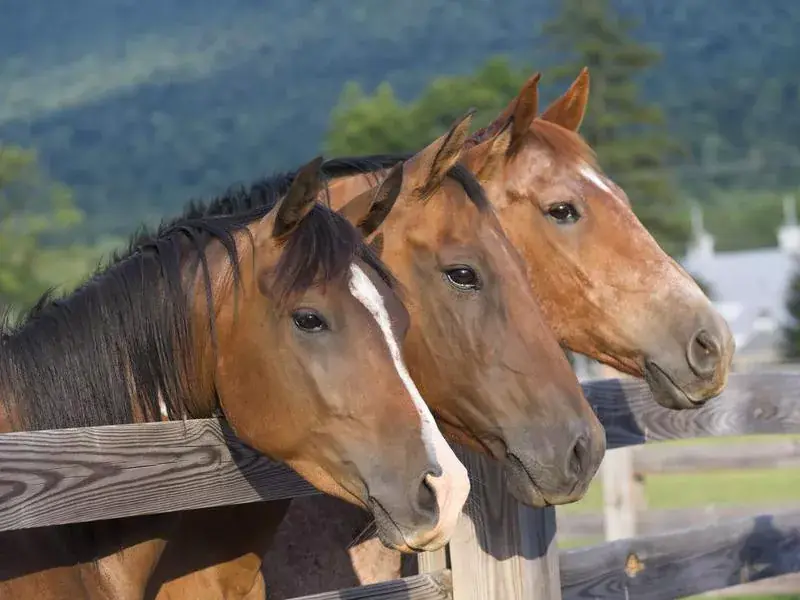
The Quarter Horse is known for its versatility, and that includes being kind enough for therapy work. Many centers use them for their safe and sane natures, as well as their nice, medium size. They can be ridden by children and most adults, without being so big they are intimidating.
10. American Paint Horse
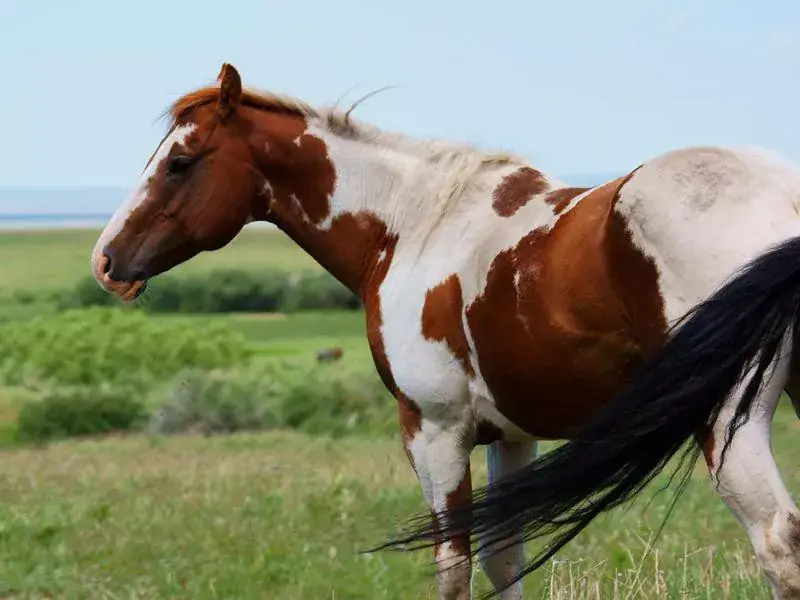
Physical characteristics: Medium-boned athletic body; known for having white spots all over their body Height: 14 hands (56 inches) – 16+ hands (64+ inches) Country of origin: United States
Bottom Line: American Paint Horse

Like the Quarter Horse, the American Paint Horse is a nice, medium-sized horse that is known for having a good disposition. They are also common, making them easy to find for therapy centers. They are also intelligent and good at reading their rider, another important trait of a therapy horse.
11. Appaloosa
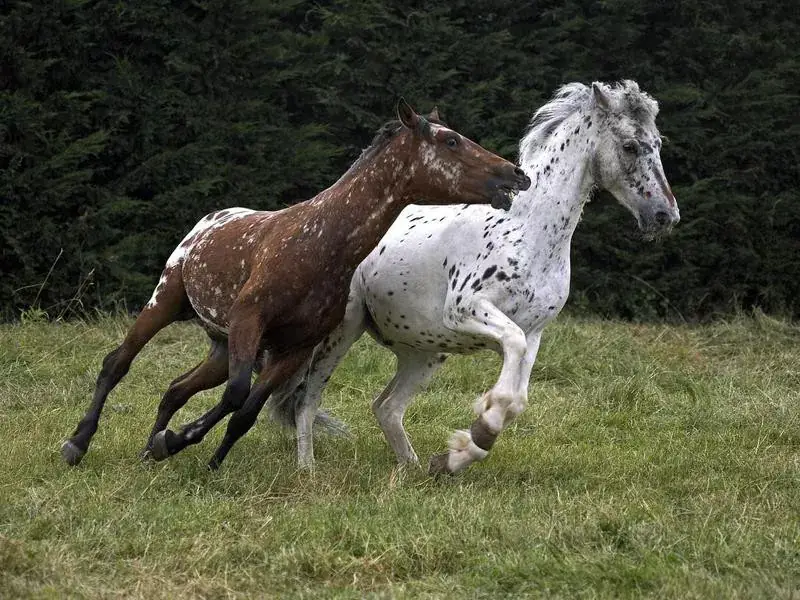
Physical characteristics: Loud coat patterning is the hallmark characteristic of this breed Height: 14 hands (56 inches) – 16 hands (64 inches) Country of origin: United States
Bottom Line: Appaloosa
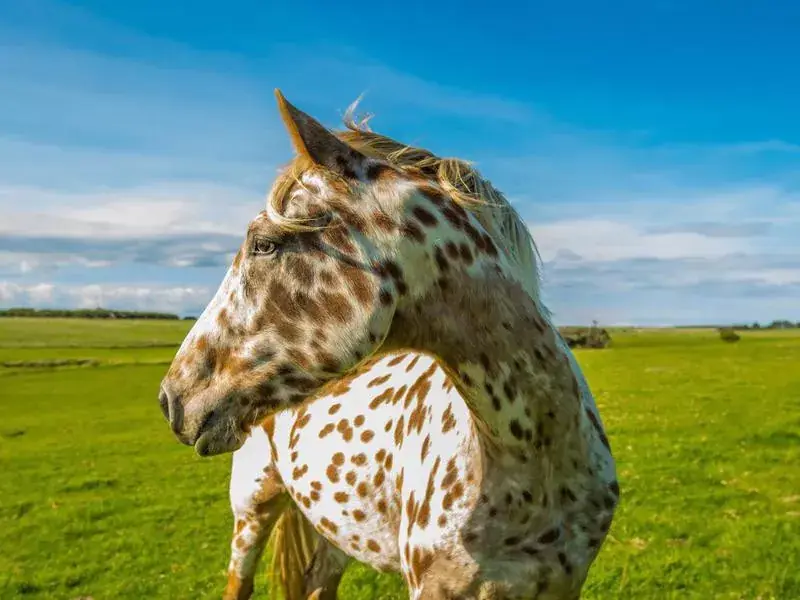
The Appaloosa is sometimes thought of as being stubborn, but they are steadfast and calm. They are known for being loyal and gentle with children, which makes them a good choice for a lot of therapy programs. They come in a range of heights, too, which makes them versatile enough for a variety of therapy programs.
12. Rocky Mountain Horse
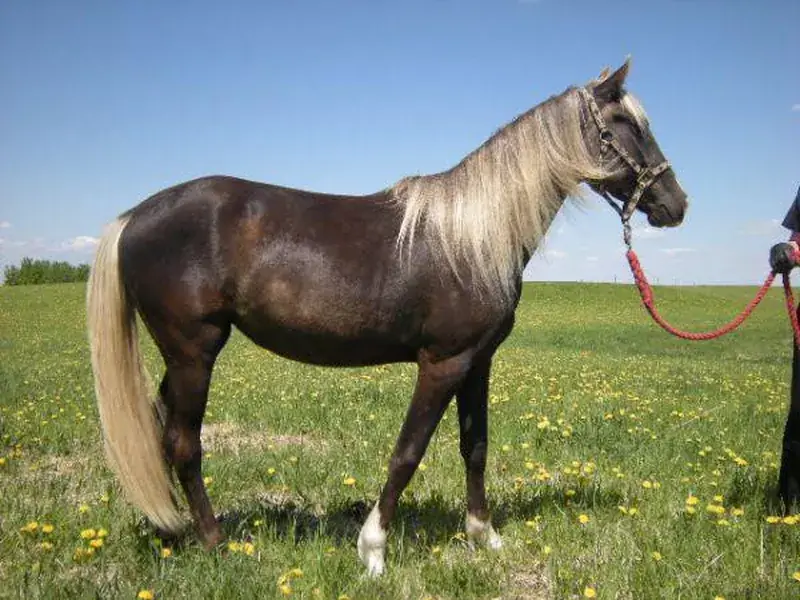
Physical characteristics: Long legs, a medium build and a short back; known for their special gaits, including the single foot and the rack Height: 14 hands (56 inches) – 16 hands (64 inches) Country of origin: United States
Bottom Line: Rocky Mountain Horse
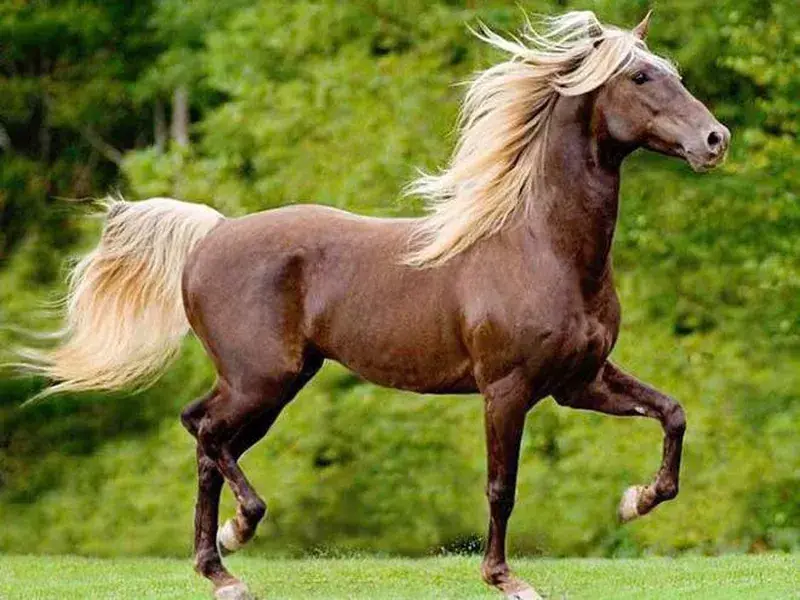
The Rocky Mountain Horse is known for their calm temperament that makes them perfect for kids. Their incredibly smooth gaits are wonderful for anyone with issues that make a non-gaited horse’s movement painful. Both of these reasons make them a great choice for therapy programs. Due to their speed, even at the walk, they may be best suited for independent riders, as sidewalkers may have a hard time keeping up.
13. Drum Horse
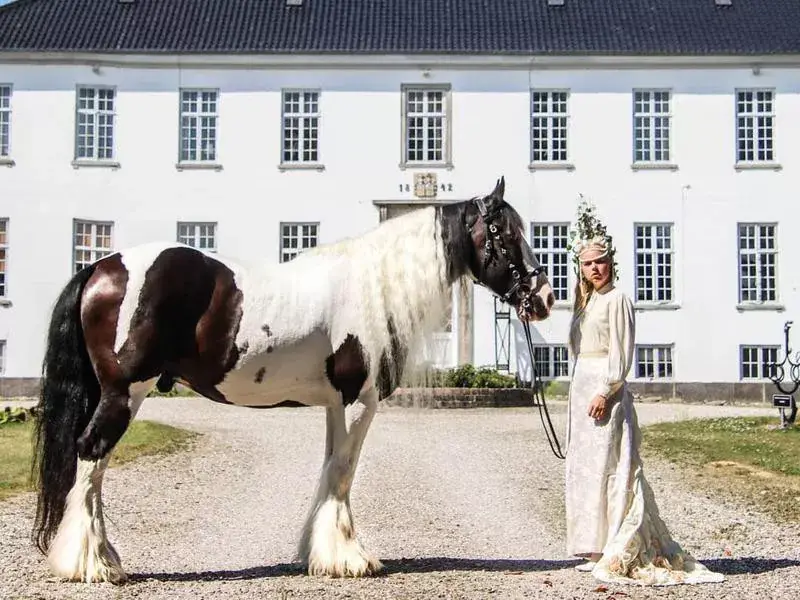
Physical characteristics: Large, lightweight draft horse that’s often spotted Height: 16 hands (64 inches) and up Countries of origin: England; United States
Bottom Line: Drum Horse
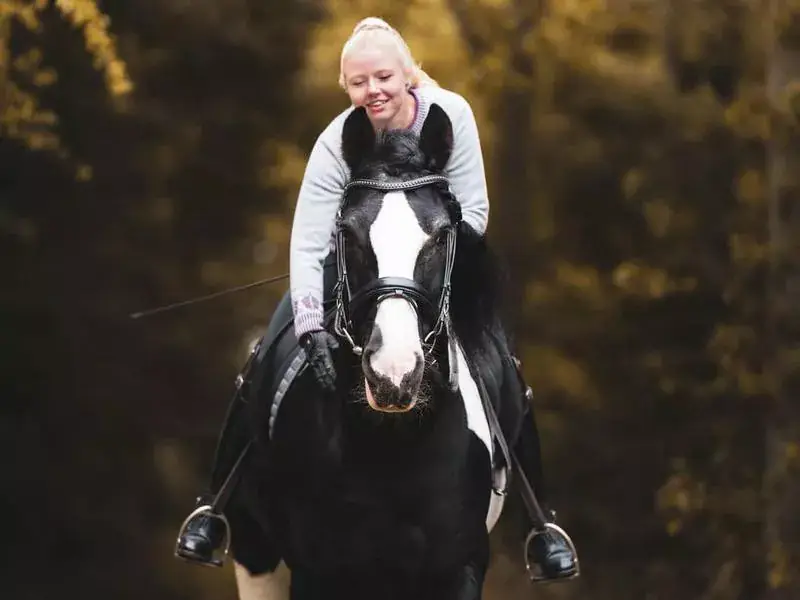
The Drum Horse is a breed of light draft created by crossing Gypsy Horses with Shires and Clydesdales. The result is a slightly smaller draft that offers the best of all worlds: the ability to carry heavy loads, a calm temperament and easy to handle. They are a great asset to any therapy program since they are docile and able to carry heavier riders.
14. Morgan
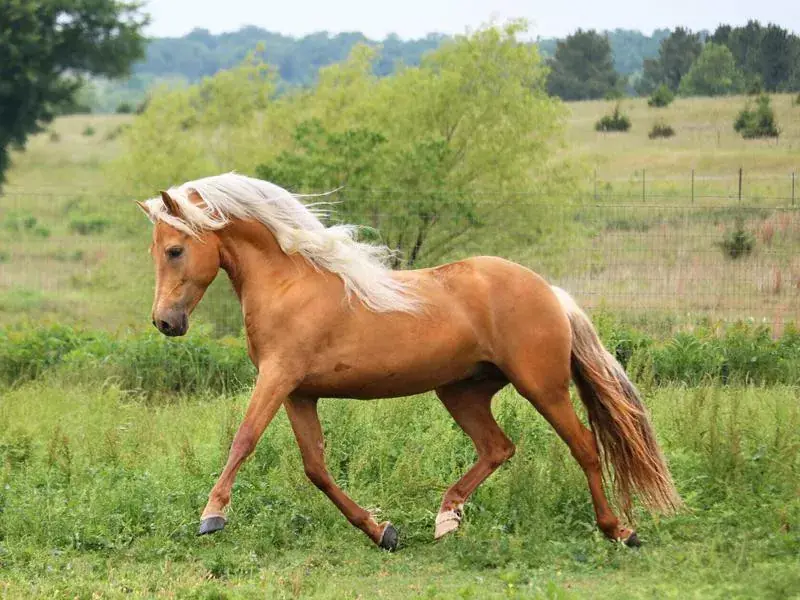
Physical characteristics: Compact with a short back and an expressive head Height: 14.1 hands (57 inches) – 15.2 hands (62 inches) Country of origin: United States
Bottom Line: Morgan
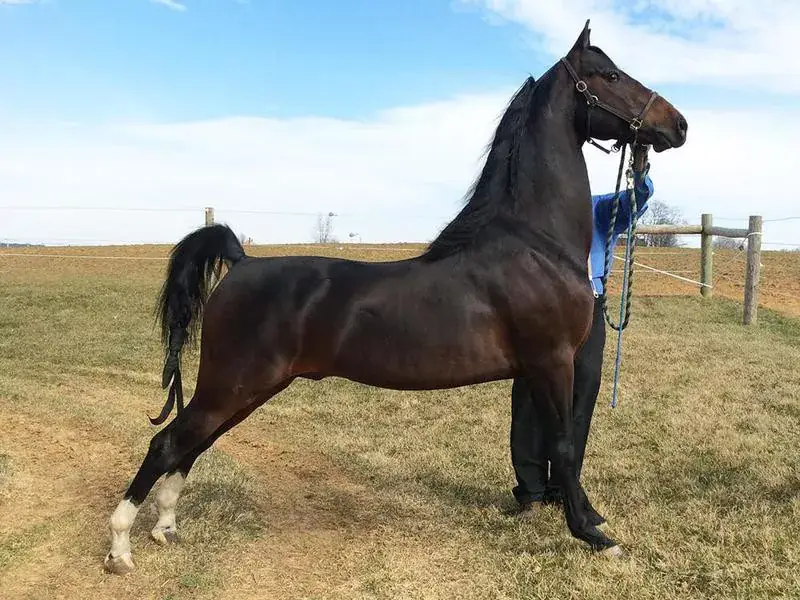
Bred to be a horse breed that could do it all, the Morgan had to have a great disposition. A smaller horse, they have a willing temperament and calm demeanor, which makes them a good candidate for therapy. Like the Gypsy horse, the Morgan’s versatility allows them to be used for riding, in-hand and driving work.
15. Fell Pony
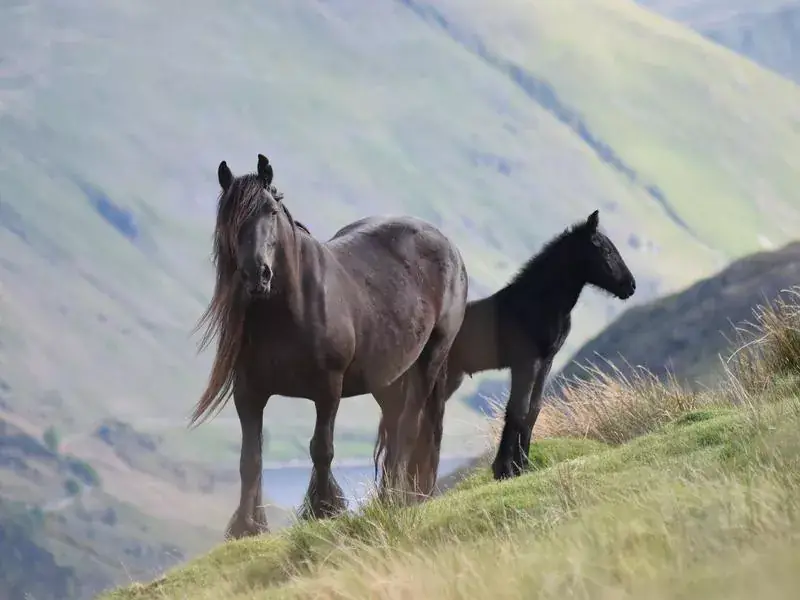
Physical characteristics: Short back, stout legs, a small head and light feathering on the legs Height: 12.1 (49 inches) – 14 hands (54 inches) Country of origin: England
Bottom Line: Fell Pony
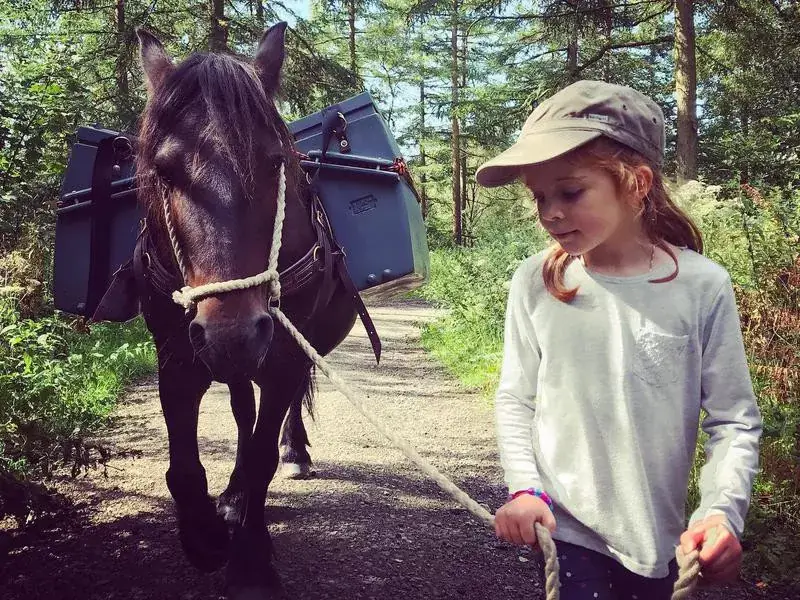
The Fell Pony is known for having a steadfast, calm temperament that is exactly what is needed for therapy work. Her Royal Majesty the Queen of England continues to ride her Fell ponies regularly even in her 90s. They are a rarer breed, so hard to find, but they are great candidates for hippotherapy programs with children or young adults.
16. Canadian Horse
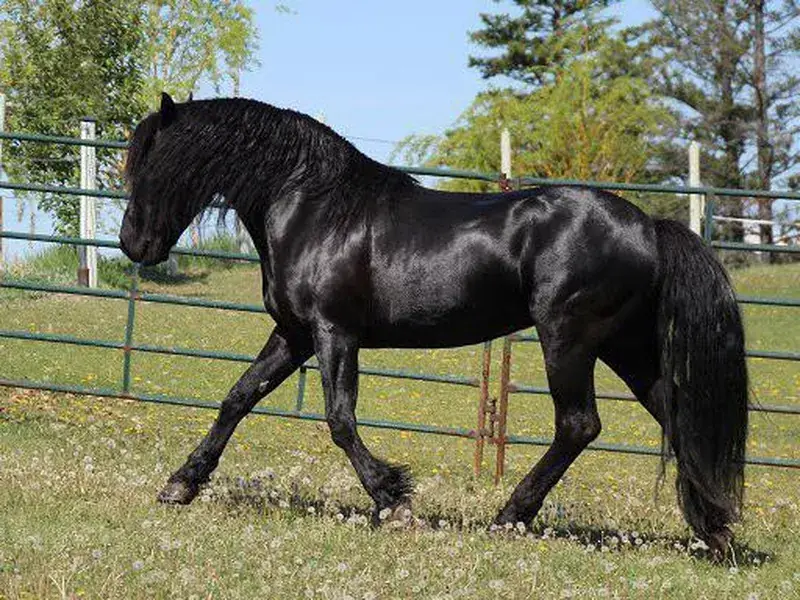
Physical characteristics: Strong, well-muscled horse with a deep chest and fine head Height: 14 hands (56 inches) – 16 hands (64 inches) Country of origin: Canada
Bottom Line: Canadian Horse
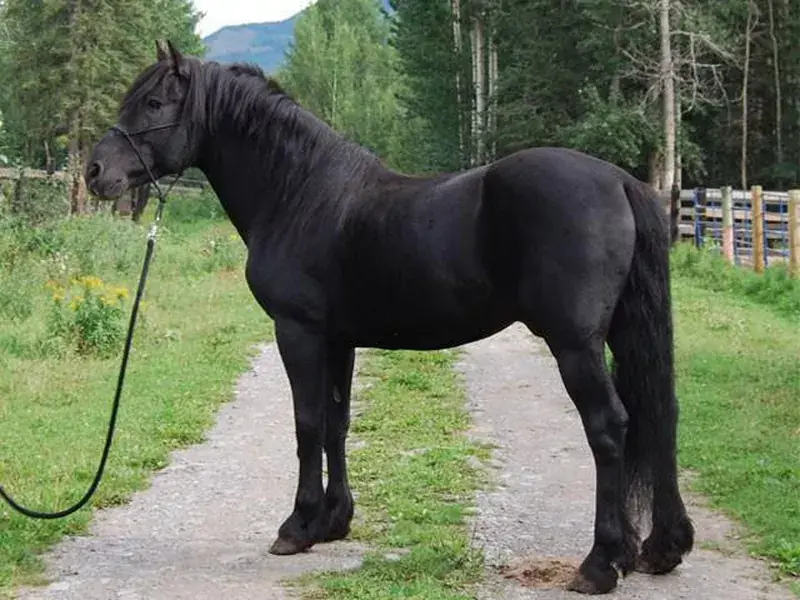
Used for both riding and driving, the Canadian Horse is a tough, easy keeper with a strong immune system, making them a fairly easy keeper for nonprofit facilities to keep. In addition, they are steadfast, not being bothered by noises or when things go wrong (including an improperly hitched cart!). This good nature makes them great for therapy work.
17. Quarter Pony
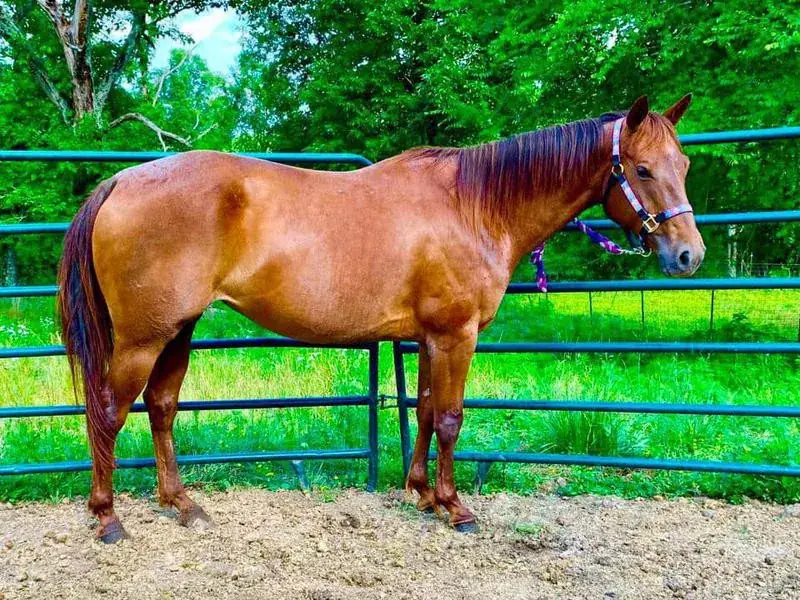
Physical characteristics: Well-muscled with a nicely rounded hindquarter and refined head; a smaller version of the American Quarter Horse Height: 11.2 hands (46 inches) – 14.2 hands (58 inches) Country of origin: United States
Bottom Line: Quarter Pony
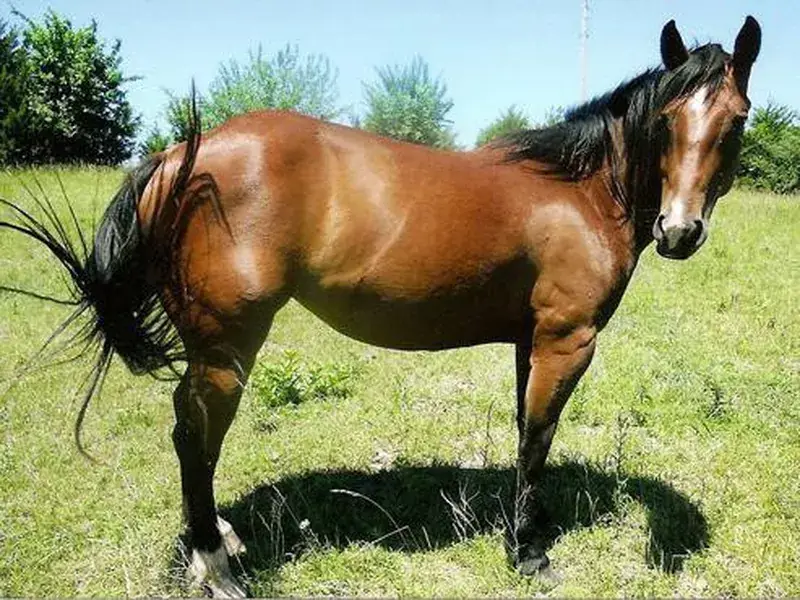
For the same reasons the American Quarter Horse makes a good therapy horse, the Quarter Pony does, too — for children and small riders. They are versatile, calm and kind, which means they are great for children who may be intimidated by larger horses or for in-hand work with any size patient.
18. Percheron
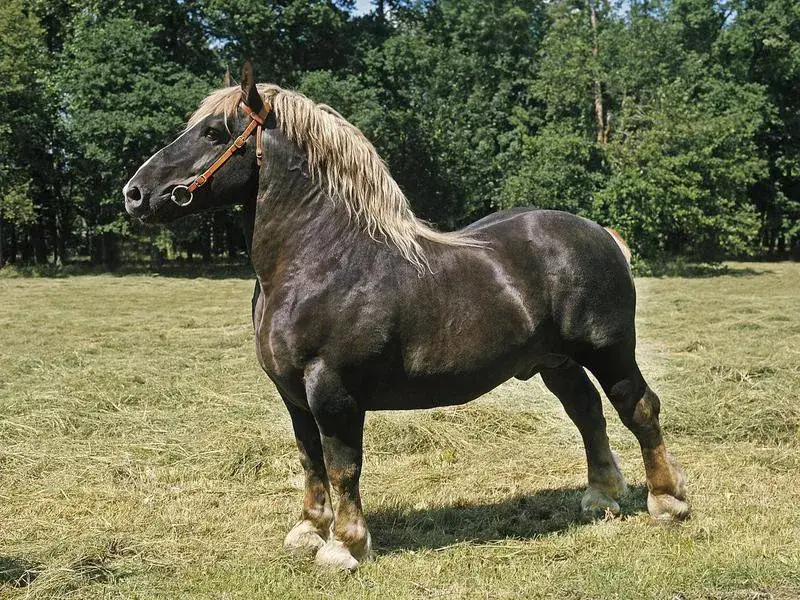
Physical characteristics: Large-boned, agile and powerful Height: 15.1 hands (61 inches) – 18.1 hands (73 inches) Country of origin: France
Bottom Line: Percheron
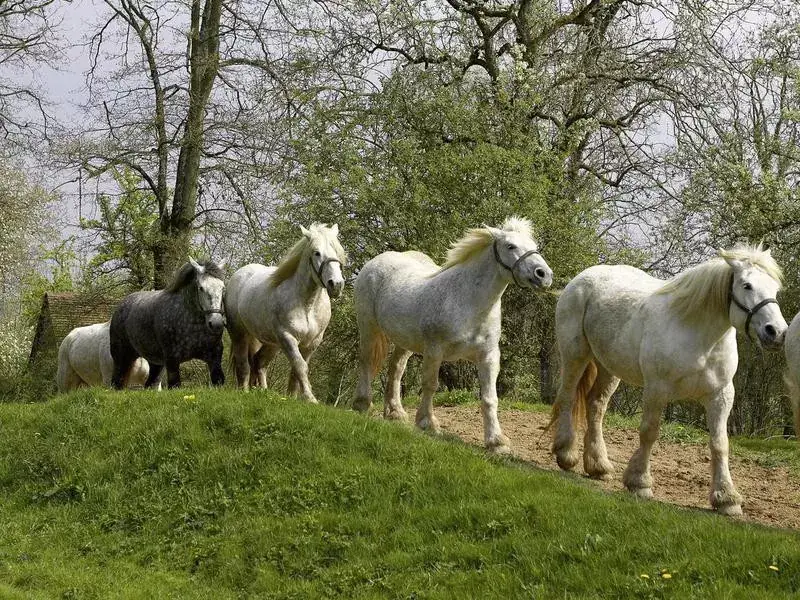
Like many draft breeds, the Percheron is known for being a “gentle giant.” They are great for therapy programs needing horses for larger riders. They are docile and slow. One drawback for sidewalker work is this breed’s height — your sidewalker would need to be pretty tall to walk next to one of these and support a rider. Because of that, they may be best suited to work with independent riders.
19. Tennessee Walking Horse
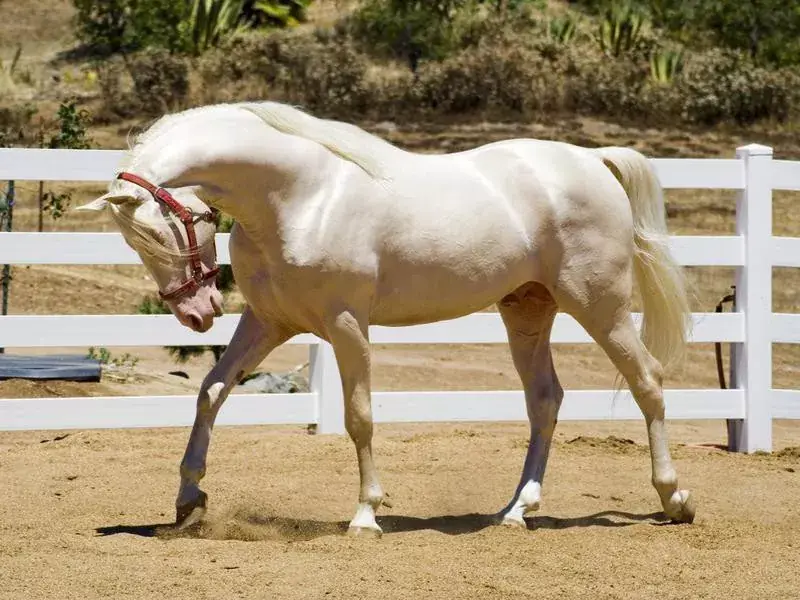
Physical characteristics: Long hip and shoulder, with a short back and a refined head Height: 14.3 hands (59 inches) – 17 hands (68 inches) Country of origin: United States
Bottom Line: Tennessee Walking Horse
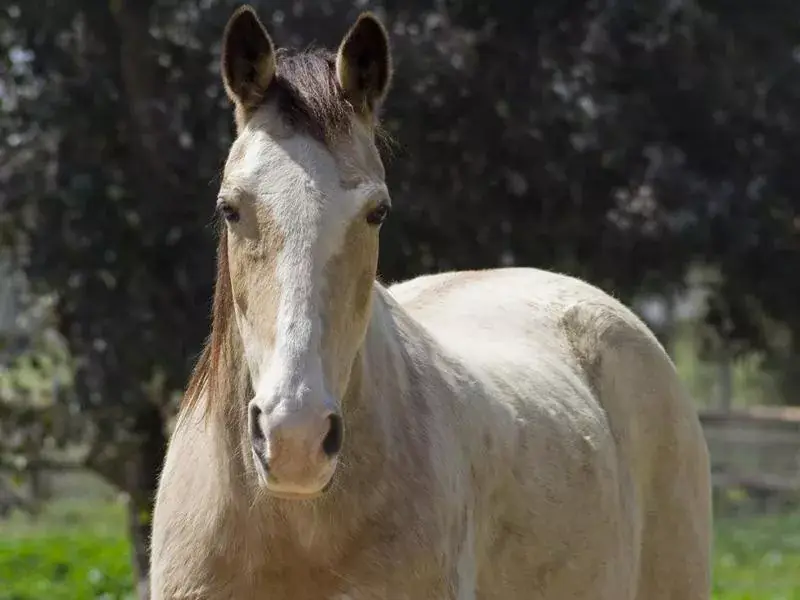
The Tennessee Walking Horse is another gaited breed with a calm disposition. Popular with trail riders for their smooth gaits, the Walker is known for having calm dispositions. Sidewalkers may have trouble keeping up with their sweeping stride, but they are great for therapy programs that need a smooth ride.
20. Welsh Pony
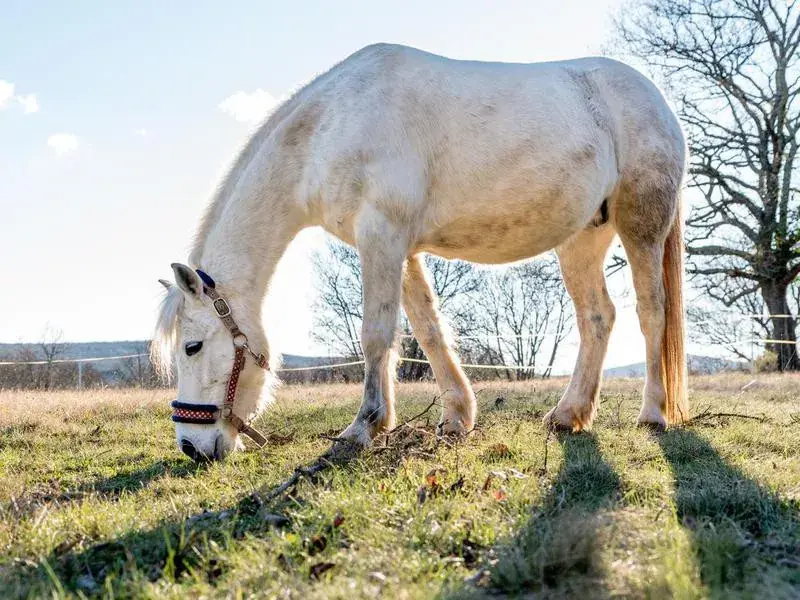
Physical characteristics: A refined looking pony, with slender legs and a petite head Height: 12.2 hands (50 inches) – 13.2+ hands (54+ inches) Country of origin: Wales
Bottom Line: Welsh Pony
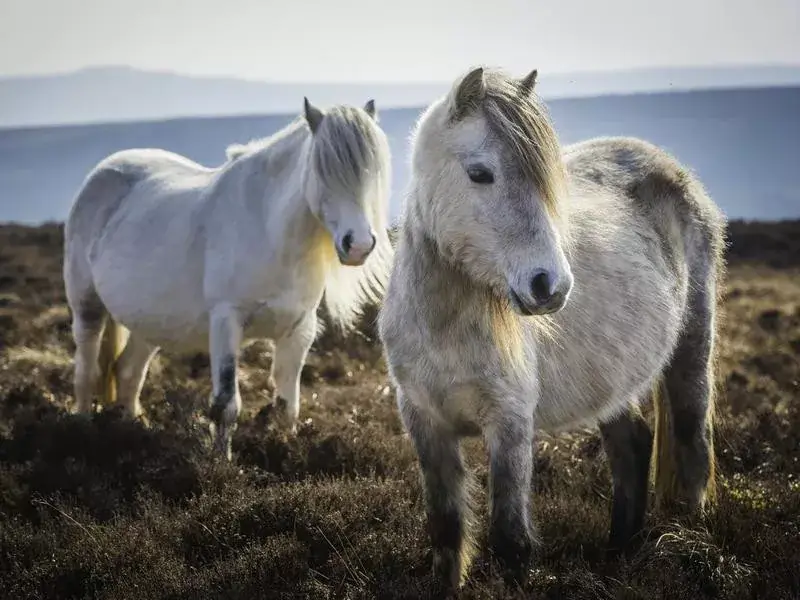
For programs that cater mostly to children, a Welsh Pony may be a good choice. They are a popular child’s mount the world over and are very versatile. They are known for being friendly, intelligent and easy to train — all traits that are great for equine therapy programs.
21. Dales Pony
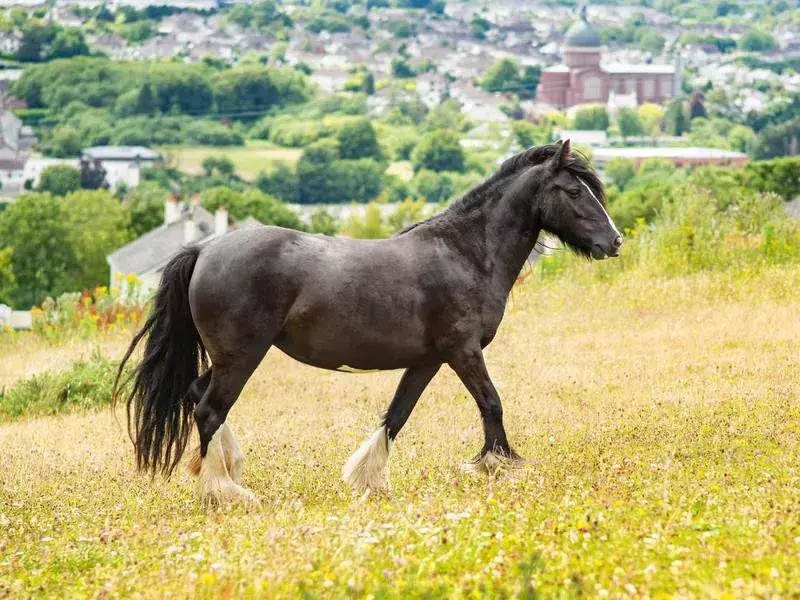
Physical characteristics: A small draft breed with thick bones and feathering on the legs Height: 14 hands (56 inches) – 14.2 hands (58 inches) Country of origin: England
Bottom Line: Dales Pony
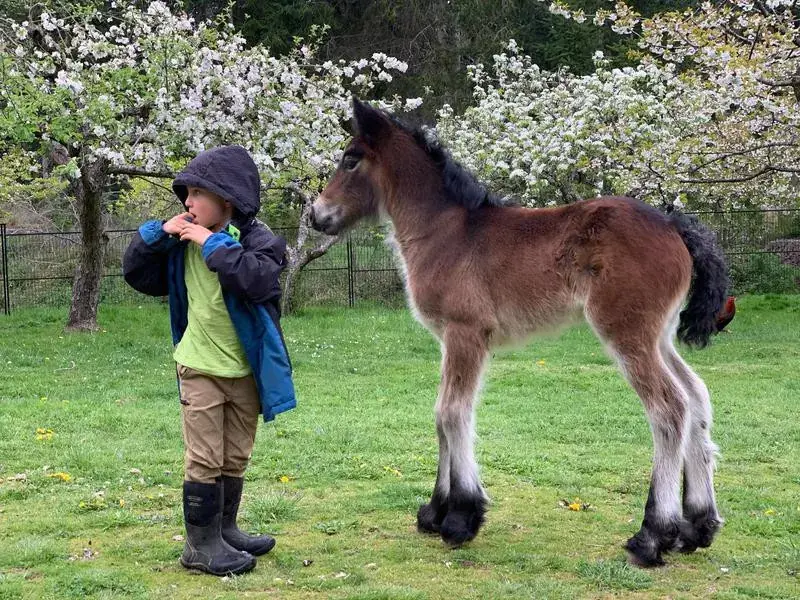
Another good pony for children therapy programs, the Dales Pony is a sweet-natured equine that is large enough for small adults to ride as well. Aside from a calm temperament, they are known for being courageous and almost unflappable, making them an excellent therapy horse.
22. Icelandic Horse
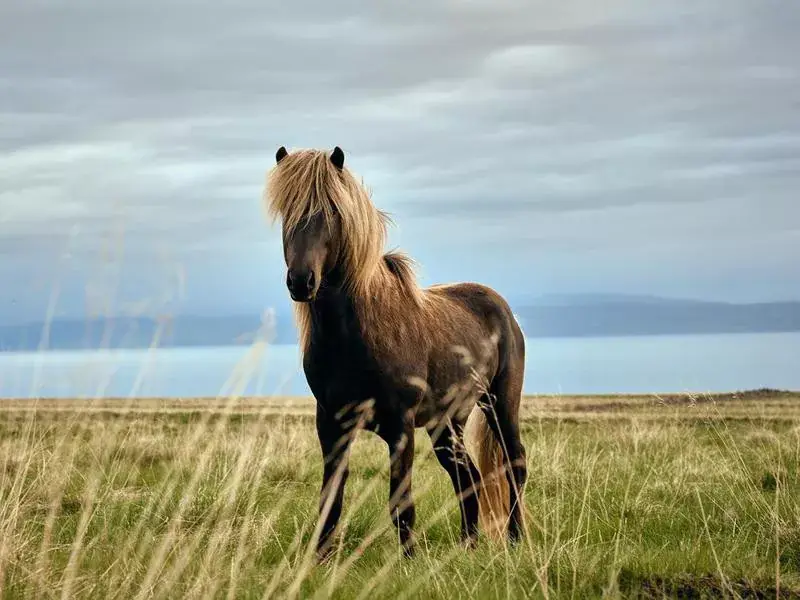
Physical characteristics: Compact body, rectangular in shape, with fine legs and head Height: 12 hands (48 inches) – 14.1 hands (57 inches) Country of origin: Iceland
Bottom Line: Icelandic Horse
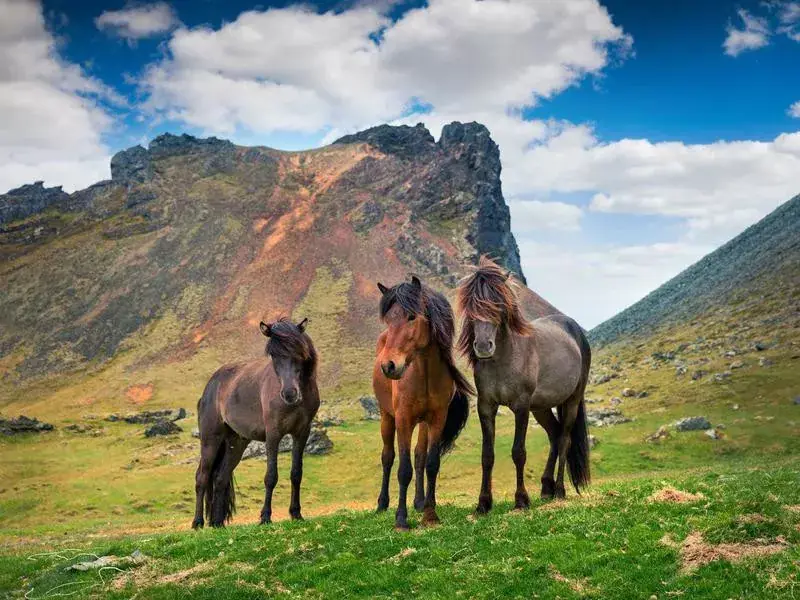
This speedy little horse may not be the best for programs with sidewalkers, but they are steadfast, brave and intelligent. They have a good temperament and are not bothered by much. They are popular as mounted archery mounts for this reason. It also makes them a great candidate for therapy programs with independent riders.
23. Shetland Pony
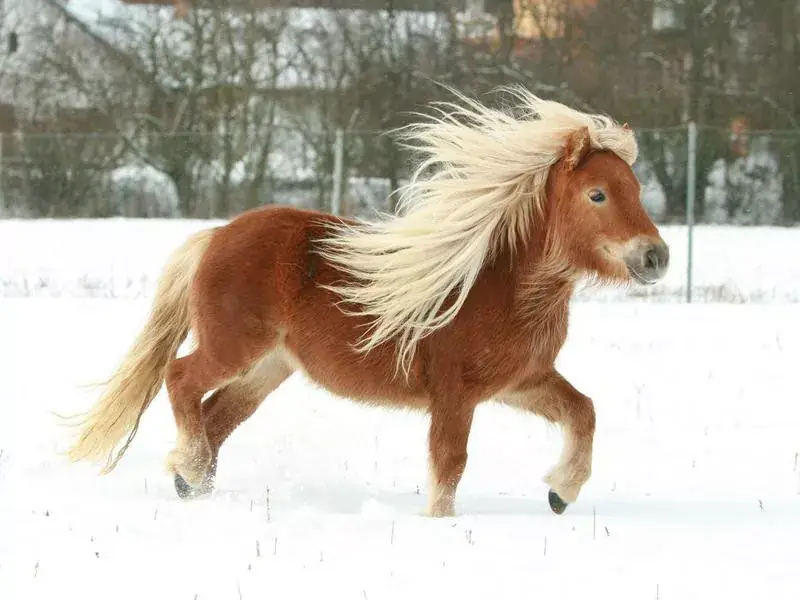
Physical characteristics: Has three different body types, from the older stouter body type (Foundation), to the more refined Classic, to the ultra-refined Modern type Height: 7 hands (28 inches) – 11.2 hands (46 inches) Country of origin: Shetland Islands (Scotland)
Bottom Line: Shetland Pony
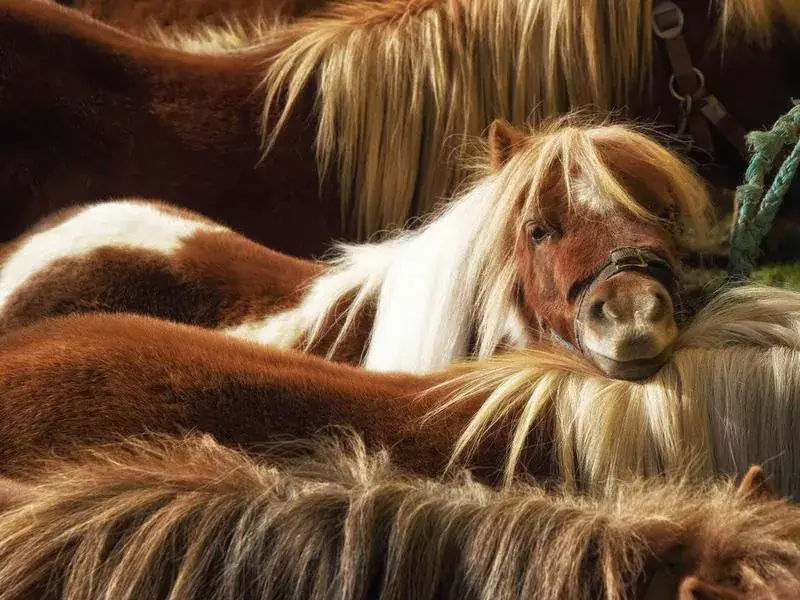
The Shetland Pony is a small but hardy equine that comes in a wide range of sizes and body types. They are brave, and when trained properly, are great for children to work with and are not bothered by much.
24. Mules
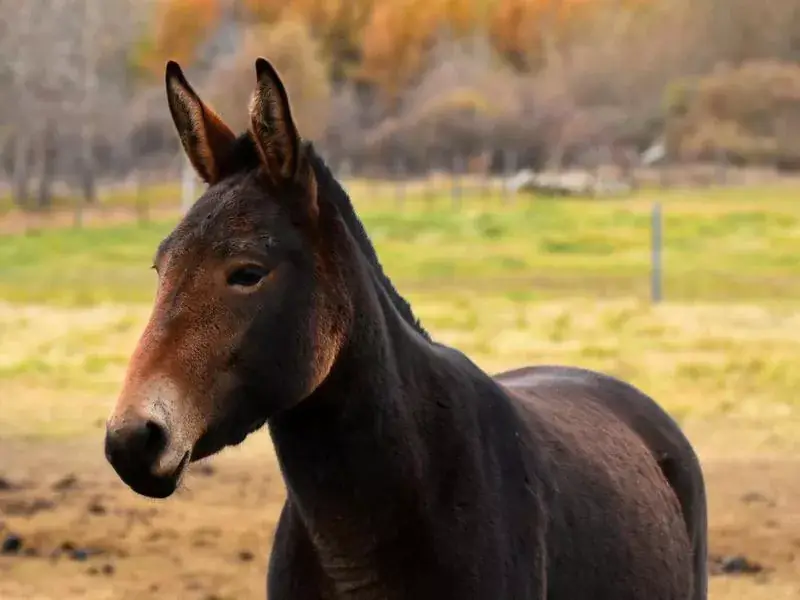
Physical characteristics: Range in size and type, from miniature to draft Height: Any Country of origin: Unknown, but most likely somewhere near modern-day Turkey
Bottom Line: Mules
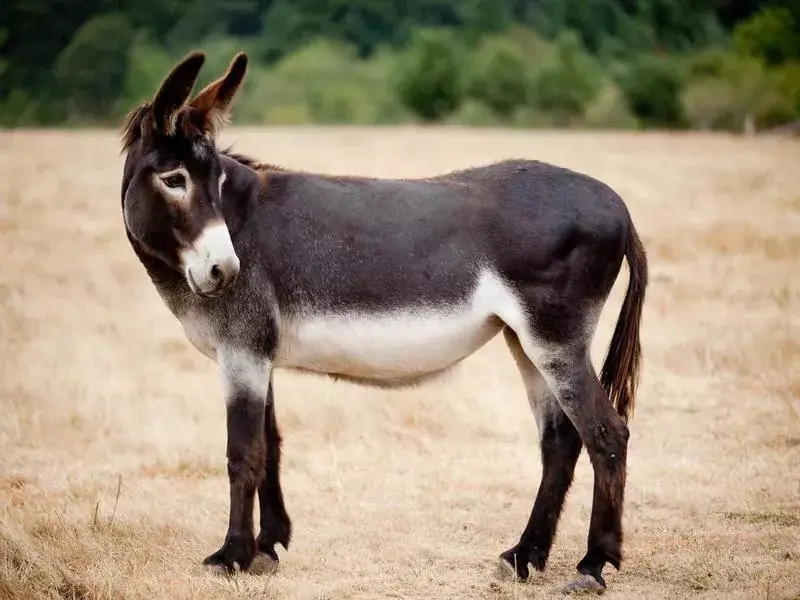
While technically not a horse, they are great for equine therapy. The cross between a donkey and a horse, the mule is hardy and sure-footed: A mule won’t stumble with a rider! In addition to being sure-footed, they are known for being calm. Since they come in every size from miniature to draft, equine therapy programs can pick the size that fits their program best.
25. Konik Pony
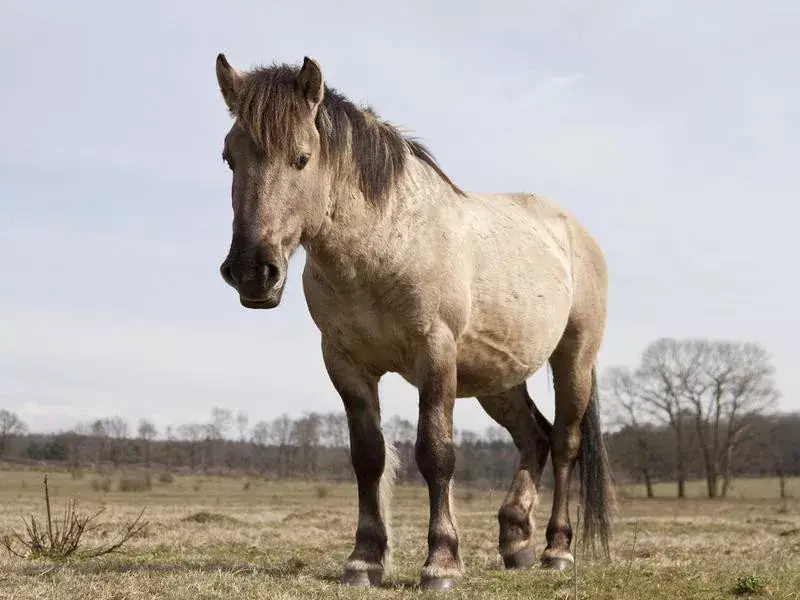
Physical characteristics: Strong, stocky build with a blue dun (mouse gray) coat Height: 12.3 hands (51 inches) – 13.3 hands (55 inches) Country of origin: Poland
Bottom Line: Konik Pony
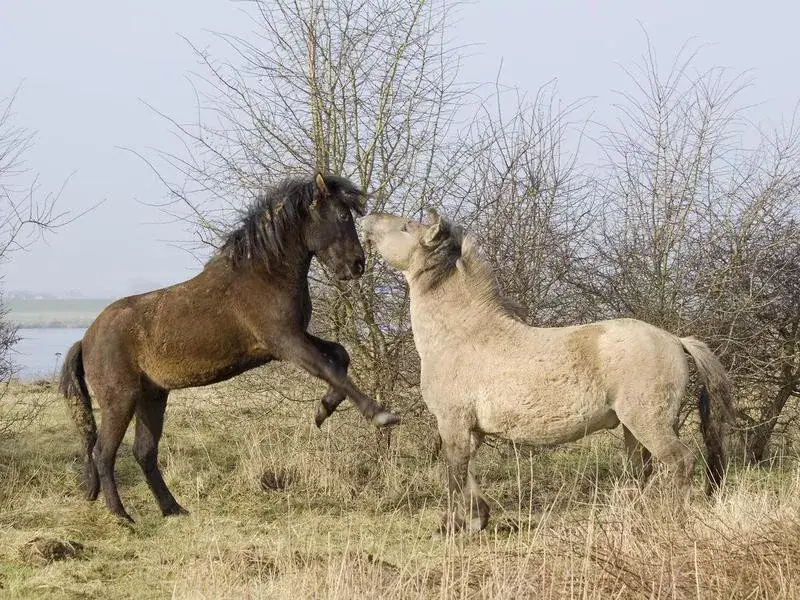
This rare pony has been around for centuries. In fact, next to the Przewalski horse, they are thought to be one of the most ancient and primitive breeds. While many of them are semi-feral, those that are trained have been found to excel at therapy work. They are often used for equine therapy in their native Poland.