It’s easy to miss. A blink from a dog doesn’t grab your attention the way a bark or growl does. But for anyone who spends real time around dogs (trainers, handlers, long-time owners), you learn to pay attention to these subtle cues. A blink can carry the weight of a shrug, a peace offering, or sometimes, a polite request for space.
A group of researchers in Parma, Italy, ran a now widely discussed study: 54 dogs were shown silent video clips of other dogs blinking, licking their noses, or sitting still. Only the blinking dogs triggered a measurable uptick in the viewers’ own blinks, without any sign of stress or arousal. That last detail matters. Because if blinking were just a stress response, you’d expect heart rate or posture changes. But that wasn’t the case.
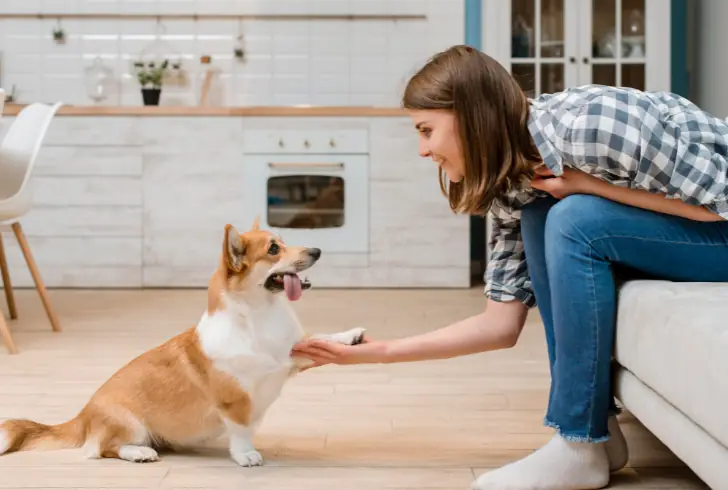
What does that suggest? Well, for starters, dogs might be reading each other’s eyes more than we thought. And they might be using blinking the same way we sometimes do in awkward meetings or overlong conversations: to soften tension, pace interaction, or simply say “I’m present, and I mean no harm.”
Among professional trainers and canine behaviorists, there’s a term that pops up often: calming signals. First coined by Norwegian dog trainer Turid Rugaas, these are subtle body cues dogs use to prevent escalation. Think of them as the dog world’s version of conflict de-escalation tactics. Slow blinking sits in that category. It’s not performative. It’s more like a gentle sidestep in social choreography—“I see you, I’m cool, we’re good.”
It tends to happen during close encounters: dogs sniffing each other out, tolerating a new houseguest, or even navigating unfamiliar environments. The blink slips in almost unnoticed, but it speaks volumes. And it’s easy to miss unless you’re looking for it.
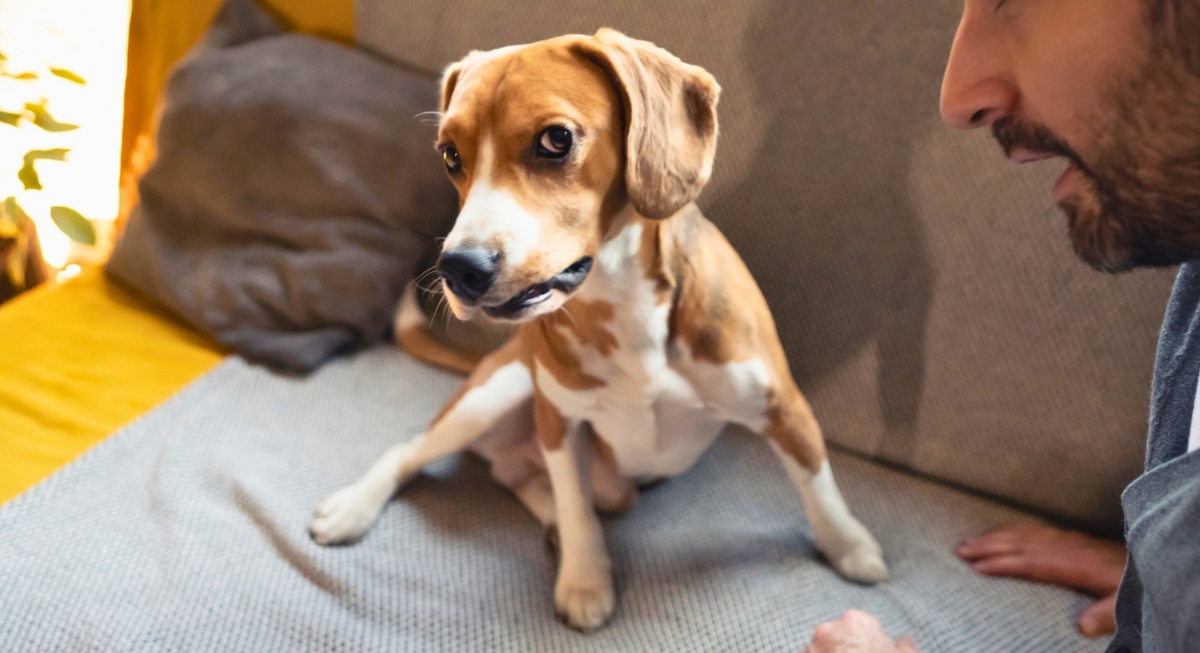
Not every blink is a sign of peace. If your dog is blinking rapidly, with tense shoulders, a closed mouth, and stiff ears, they might not be calm at all. They might be managing discomfort. The blink in this context doesn’t mean “all is well”—it’s closer to “I’m trying to keep it together.” That’s a different message entirely.
Here’s where nuance matters. You can’t read a blink in isolation. It has to be considered alongside body tension, posture, and what happened just before. Did someone new walk in? Was there a sudden noise? Did the energy shift in the room? These moments frame the blink.
Try Blinking Back!

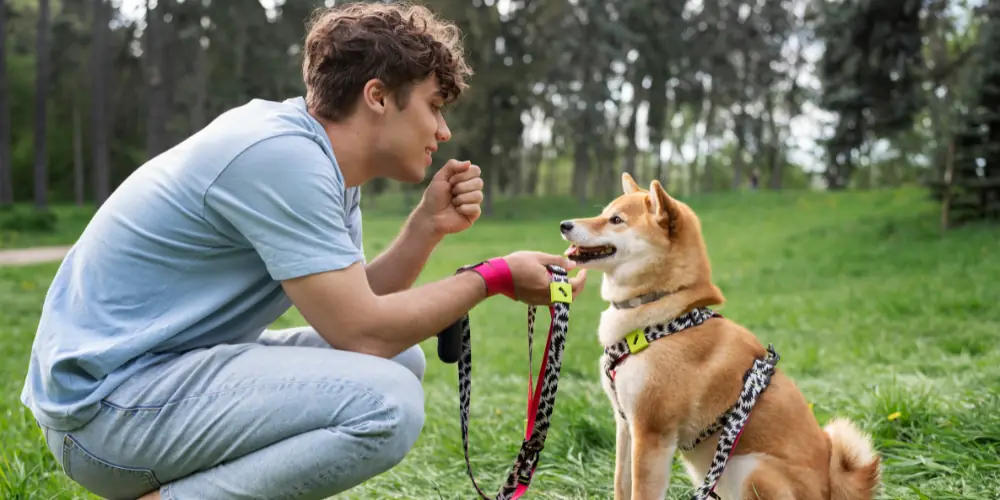
There’s something oddly disarming about mimicking your dog’s slow blink. Don’t make it theatrical—just soften your eyes and blink slowly when they look at you. Dogs who trust their people often return the gesture. It’s subtle, but it builds something.
In training sessions, especially with anxious or reactive dogs, this technique can help lower the temperature in the room. It’s not a magic wand, but it tells your dog you’re not pushing. You’re engaging at their pace.
Learning to read blinks—and to respond—builds a better relationship. Not because it’s cute, but because it forces us to listen differently. Most of us default to verbal correction or reward systems. But dogs, despite living in our world, still speak their own language. Blinking is one part of that—and once you learn to notice it, you’ll start seeing conversations that were happening all along, right in front of you.
So next time your dog looks at you and blinks, pause. That might be a moment of trust, a signal of discomfort, or just their way of keeping the social waters smooth. You don’t have to overanalyze it, but you should respect it. They’re telling you something.