
Fostering a pet often looks simple online: smiling selfies, playful moments, and picture-perfect updates. But those snapshots don’t capture the full experience. Behind the scenes, it involves early mornings, disrupted routines, and the slow work of earning an animal’s trust when it may be scared or confused. Yet it’s those unseen efforts that make fostering meaningful.
Every small win shows real progress, and that’s where the value truly lives. Here are some things I wish I had known before taking in my first foster pet.
Make an Honest Assessment

The real prep work for fostering starts way before a new pet crosses your doorstep. It requires taking an honest look at your space, your lifestyle, and your energy levels. A chill senior cat might settle right into apartment life, but a hyperactive working dog could feel like a caged rocket without room to zoom.
Willpower Matters More Than Space

A small apartment does not necessarily mean you can’t foster. Some pets actually thrive in cozy spaces. Kittens, senior cats, and mellow dogs prefer a snug setup that feels more like a den than a palace.
Accommodating Foster Pets Requires Patience

Welcoming a foster pet means trading picture-perfect expectations for real-life patience. Many dogs have never seen a couch, heard a blender, or discovered that carpet is not the same as grass. A calm space, a steady routine, and the 3-3-3 rule: three days to decompress, three weeks to learn, three months to settle, can turn that chaos into lasting comfort.
Consistent Mealtime Truly Matters

Meal time might seem simple, but for a foster pet, it is a major part of settling in. Feeding them at the same time each day helps their body find a steady rhythm and makes potty breaks easier to predict. It also gives you a better shot at spotting any changes in appetite early.
Routine Walks Offer Comfort

Some foster dogs arrive with nerves wound tighter than a leash on a windy day. One of the easiest ways to help them unwind is a walk they can count on. For a pup learning the ropes of a new home, knowing that adventure is always waiting right on schedule can be the ultimate comfort.
Bonding Happens Through Playtime

Full bellies and soft beds are great, but what really lights up a foster cat’s world is a good chase. Short, action-packed play sessions, about 15 minutes each, spread through the day do wonders for their body and brain. Regular play taps into their hunting instincts, keeps their minds sharp, and gives them the rhythm and routine they secretly crave.
Learn Their Signals

A foster pet might not use words, but their body does plenty of talking. Dogs rely on soft cues, like casually turning their heads away, to quietly ask for space. Cats have their style, too; a puffed-up tail or pinned-back ears are clear warnings.
Respect Their Individual Journey

Every pet brings a different backstory, and rushing the process only makes things harder for both sides. Some cats have been known to need months before they trusted anyone enough to knead a blanket.
Always Celebrate Small Progress
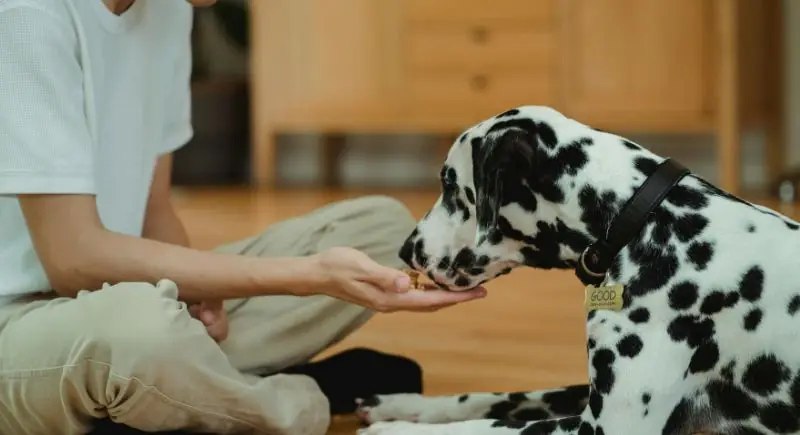
Every small victory matters, even if it’s just the first relaxed tail wag or a cautious pawstep into the living room. Fostering success often boils down to celebrating progress over perfection and letting pets reveal who they are at their own speed. Staying flexible and encouraging their curiosity gently lays the groundwork for deeper trust and a smoother transition.
Boundaries Keep Fostering Focused

Taking in a foster pet means opening your heart, not necessarily opening your home forever. While the temptation to adopt is real (and often ends in adorable “foster fails”), most volunteers stick to the original plan: preparing pets for their next big adventure.
Your Insight Helps Their Happy Transition

Seeing your former foster pet thrive with their new family can be one of the most rewarding parts of the entire journey. Your insider knowledge about their quirks and habits can also make the transition easier for the adopters.
Teamwork Makes the Dream Work

Good communication with your foster team is essential because quick updates about your foster pet’s quirks, wins, or warning signs keep everyone in the loop and ready to jump in with help if needed. Setting a rhythm: weekly messages or casual check-ins, will make the whole experience a team effort.
Show Patience With Rescue Teams

Messages that go unanswered for a while can feel frustrating, especially when you’re knee-deep in foster life and need advice quickly. Most rescue groups rely heavily on volunteers, meaning they may also be coordinating adoptions, organizing supplies, or balancing a full-time job. A little patience goes a long way in keeping the partnership firm.
Never Overlook the Paperwork
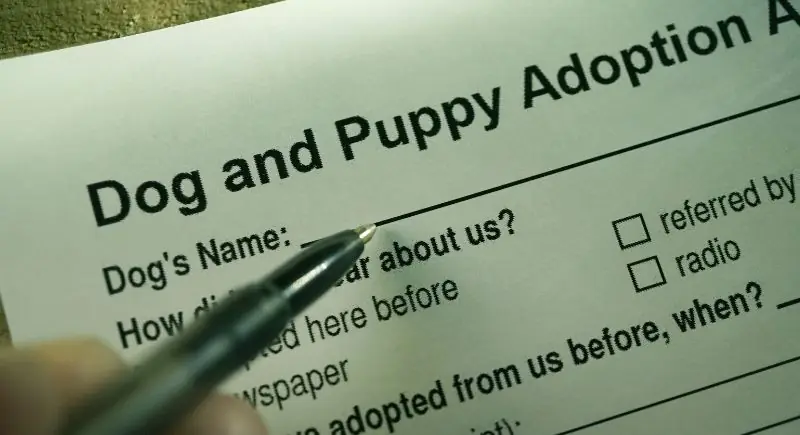
Paperwork might not feel exciting, but those medical and care documents tucked into your foster pet’s file aren’t for show only. Beyond the basics like vaccinations and allergies, you might spot notes about favorite treats, triggers to avoid, or little quirks that make them tick. Skipping the fine print could mean missing out on vital hints that smooth the road ahead.
Expect the “Decompression” Period

The first few days can feel awkward for both you and your foster pet. They might hide, pace, or ignore you completely. That is normal. Animals need time to adjust to new smells, sounds, and routines. Give them space, keep things predictable, and resist rushing the bonding process.
Stock Up on Cleaning Supplies

Accidents will happen, even with well-trained pets. New environments can throw off habits, especially in the first week. Keep paper towels, pet-safe cleaners, and extra bedding within reach. Staying prepared makes cleanup less stressful and helps you stay patient when things get messy, which they inevitably will.