Nature isn’t as quiet as it seems on a peaceful hike or during a soothing nature documentary. In the wild, animals compete in their thunderous Olympics, and the volume can get seriously extreme. But here’s the kicker: loudness doesn’t always come from size. Some of the loudest species are small enough to fit in your palm. Below are a few of the loudest animals on Earth!
Sperm Whale – 236 Decibels (Underwater)
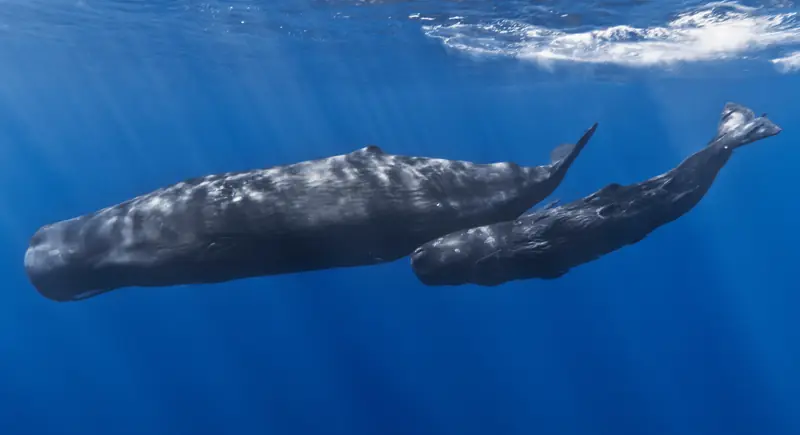
The sperm whale produces rapid-fire clicks that reach 236 dB underwater. These loud clicks help the whale echolocate squid in pitch-black ocean depths. However, researchers say being close to one when it clicks could cause physical damage, such as ruptured eardrums or worse.
Tiger Shrimp – Over 200 Decibels (Underwater)
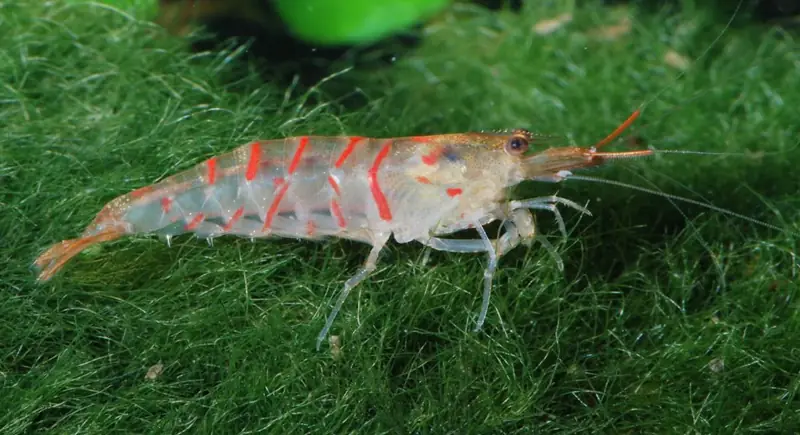
This shrimp is packing serious artillery. It slams its claw shut to create a cavitation bubble that collapses with a bang. The shockwave can knock out nearby prey. Oh, and the collapsing bubble gets momentarily as hot as the sun’s surface.
Blue Whale – 188 dB (Underwater)
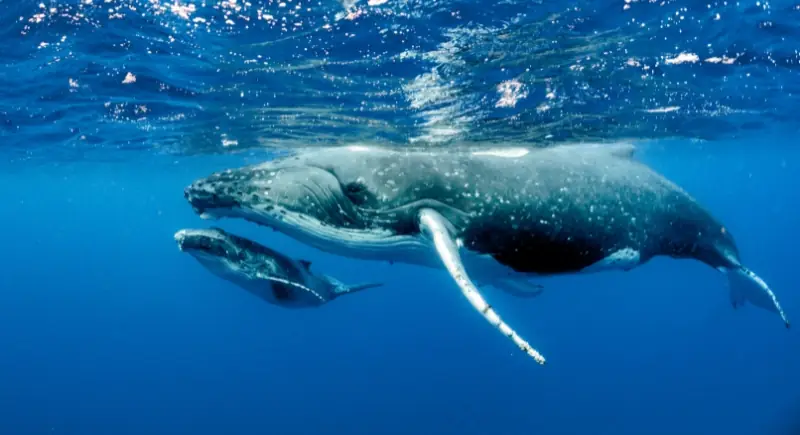
The blue whale is the largest animal on Earth, and its voice is just as massive. At around 188 decibels, its calls would still measure approximately 126.5 dB in the air, enough to cause ear discomfort with prolonged exposure.
Howler Monkey – 140 dB (Air)
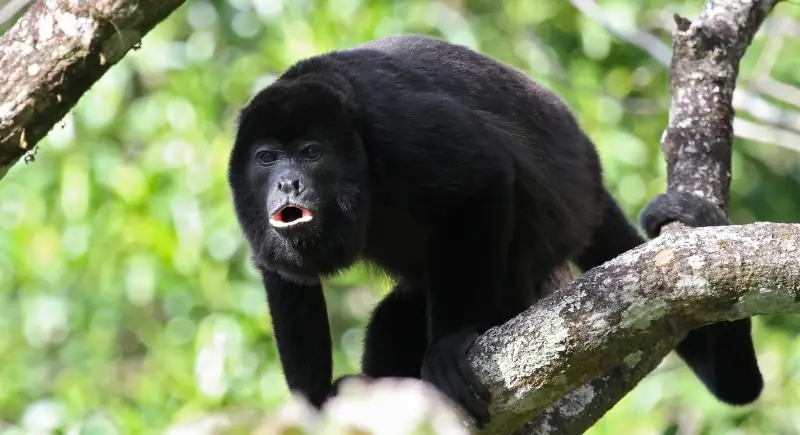
The howler monkey is the loudest land animal. Their throaty cries echo through tropical forests, warning rivals and calling to their groups. Remarkably, their unique voice comes from an enlarged throat bone that acts like an acoustic chamber.
Greater Bulldog Bat – 140 dB (Ultrasonic)
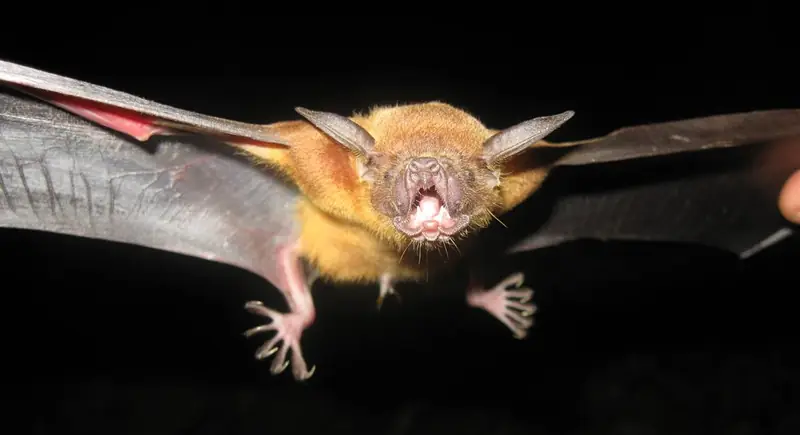
While its high-frequency sounds are beyond human hearing, they’re recorded at 140 decibels. These calls help it find fish in water while flying above at night. It’s a specialized hunter with one of the loudest calls in the bat world.
Synalpheus Pinkfloydi – 210 dB (Underwater)
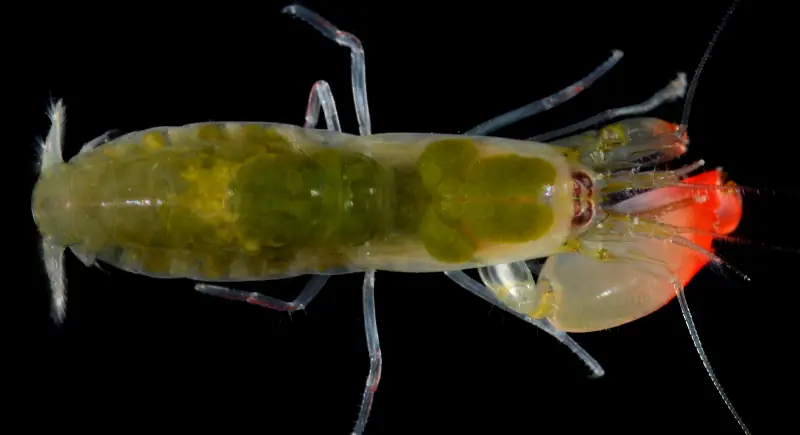
This little snapping shrimp releases a claw snap that reaches around 210 decibels, easily among the loudest underwater sounds. Despite being smaller than a paperclip, its rapid claw action produces a powerful shockwave.
White Bellbird – 125 dB (Air)
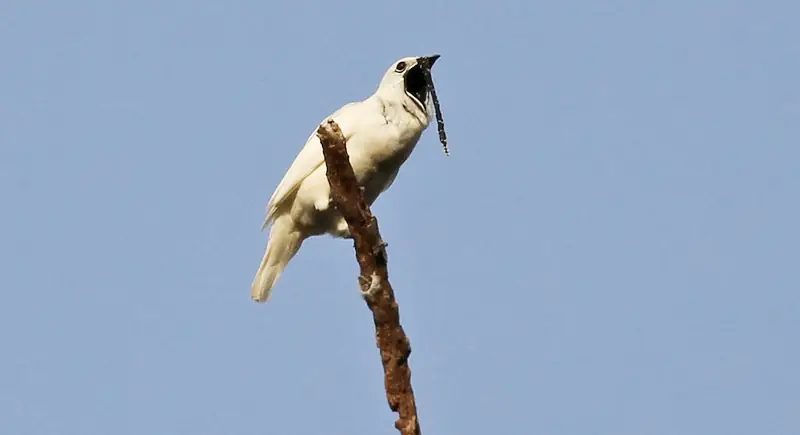
Found in South America, the white bellbird belts out one of the world’s loudest bird calls. Males deliver their songs at up to 125 decibels. What’s truly strange is how they perform these calls face-to-face with females, often just inches away.
Kakapo – 132 dB (Air)
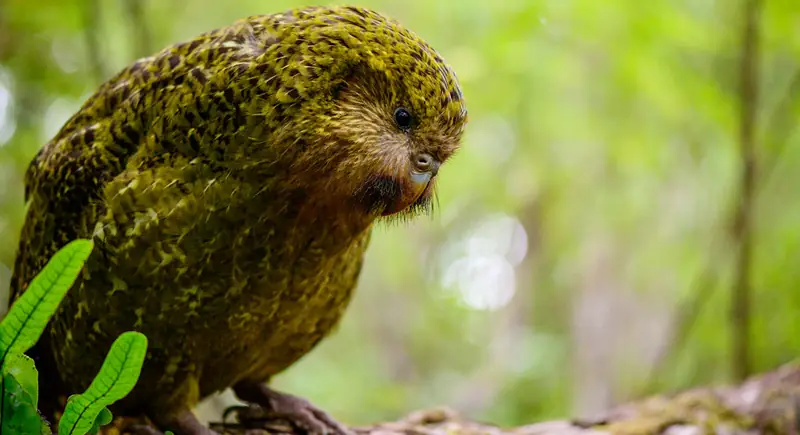
This flightless parrot from New Zealand may be rare, but it’s anything but quiet. During mating season, the male kakapo uses inflatable chest sacs to produce calls that hit 132 decibels. These deep tones are designed to attract mates across long distances.
Fin Whale – 189 dB (Underwater)
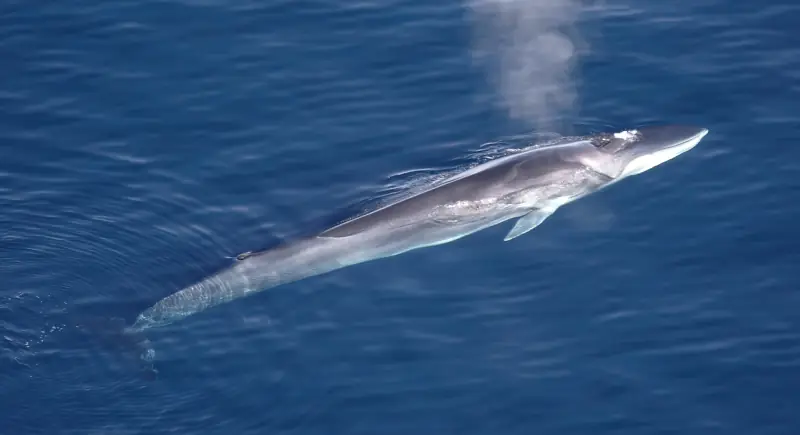
The fin whale, second in size only to the blue whale, makes deep rumbles that travel vast distances through the ocean. It’s one of the most efficient long-range communicators in the sea, using sound to connect with other whales over hundreds of miles.
Lions – 114 dB (Air)
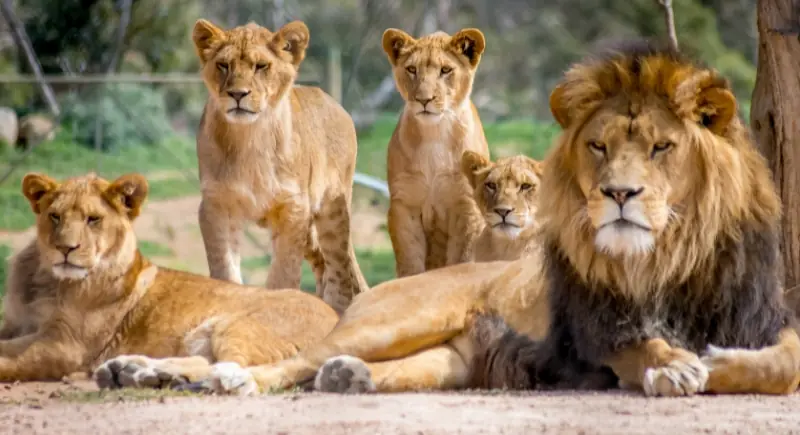
A lion’s roar is one of the most recognizable sounds in nature. At 114 decibels, it’s loud enough to be heard five miles away. This vocal power helps lions establish dominance, locate pride members, and warn intruders. It’s a kingly sound, fitting for the king of the savanna.
Salmon-crested Cockatoo – 135 dB (Air)
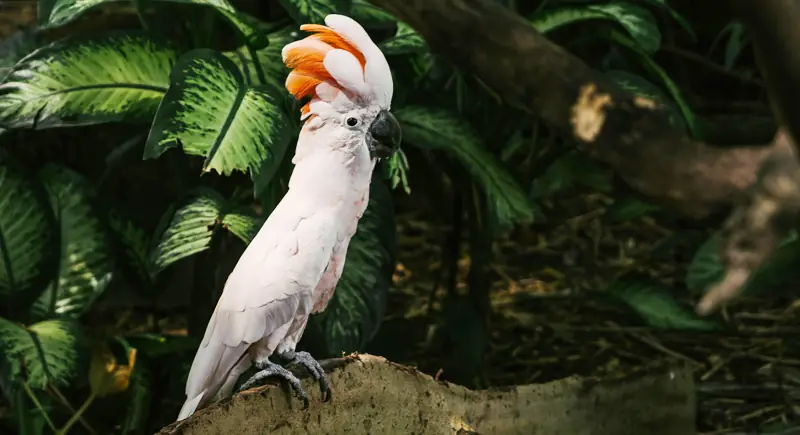
Also known as the Moluccan cockatoo, this tropical bird produces shrill, piercing screams that can top 135 decibels. These sounds help them communicate across the thick forests of Indonesia. In captivity, their loud calls often surprise new owners.
Cicadas – 120 dB (Air)
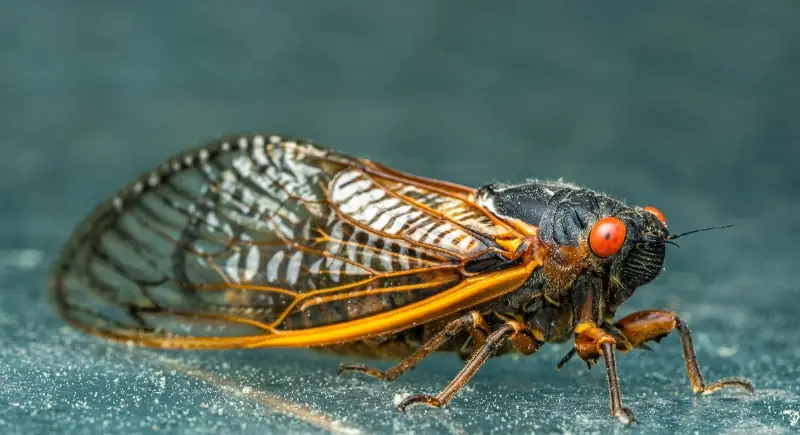
These buzzing bugs are summertime’s natural alarm clock. Male cicadas produce calls by vibrating thin plates on their abdomen, reaching around 120 decibels. Some species form synchronized choruses, resulting in a sound wall that’s nearly impossible to ignore.
Coquí – 95 dB (Air)
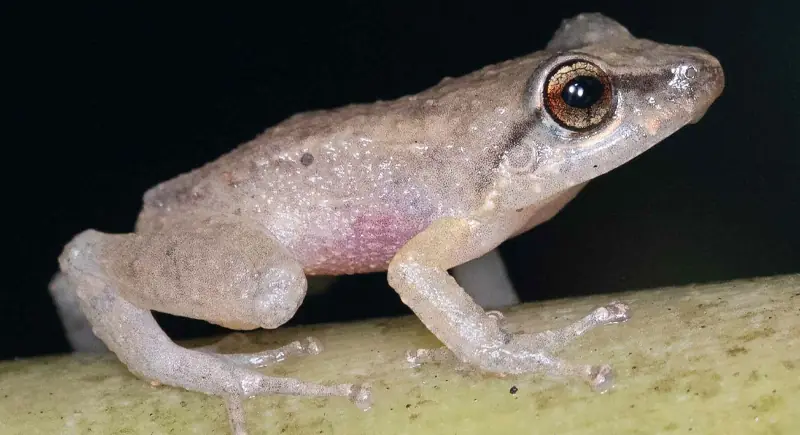
The coquí is a small frog native to Puerto Rico. It is named after its signature call, which sounds like “co-kee. ” It’s surprisingly loud for something so small. Males sing every night to find mates and defend their turf. Their high-pitched chorus is a symbol of Puerto Rican culture.
Screaming Piha – 116 dB (Air)
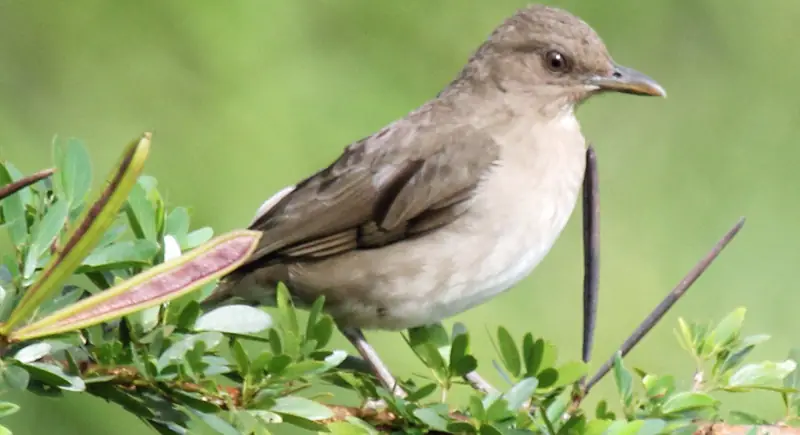
The screaming piha produces a call so loud it can be heard clearly over the rainforest’s usual chaos. The sound is a high-pitched whistle that males use to impress potential mates. Despite the volume, these birds are tricky to spot, thanks to their excellent camouflage.
Elephants – 117 dB (Air + Infrasonic)
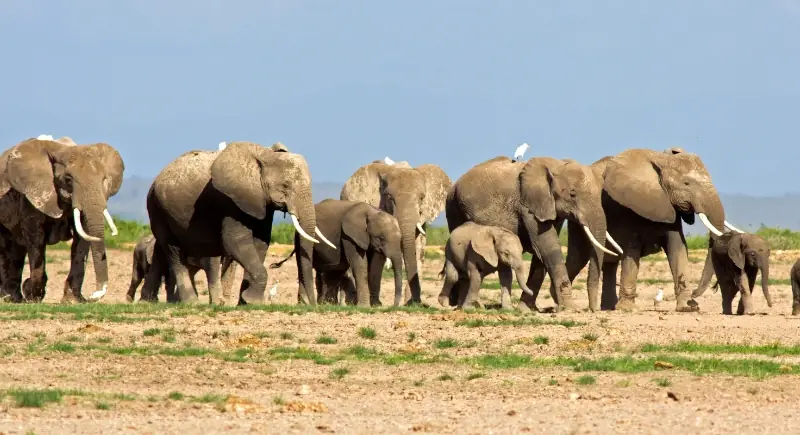
Elephants are known for their trumpeting calls, which can hit 117 decibels. But their real communication power lies in infrasound; low-frequency vibrations that travel miles through the ground. Scientists believe elephants use these vibrations to sense approaching animals and upcoming weather.
Water Boatman – 99 dB (Underwater)
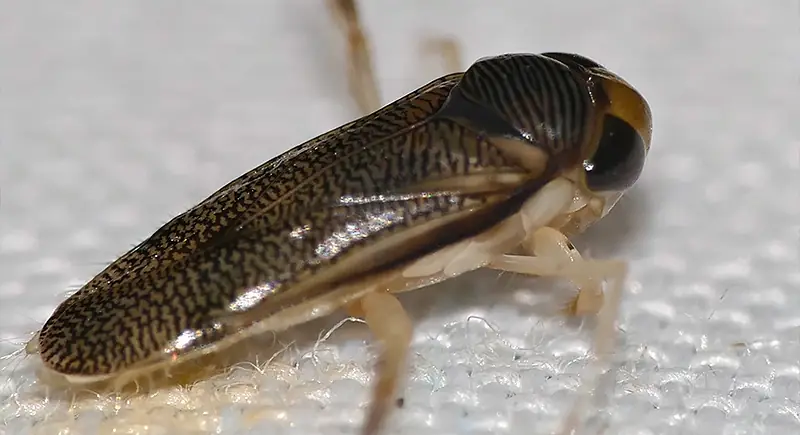
It’s easy to overlook something this tiny, but the water boatman punches far above its weight. Males rub body parts together to produce a high-pitched call that travels surprisingly well through water. At around 99 decibels underwater, it’s one of the loudest animals relative to its size, which is honestly kind of wild.
North American Bullfrog – 80 dB (Air)
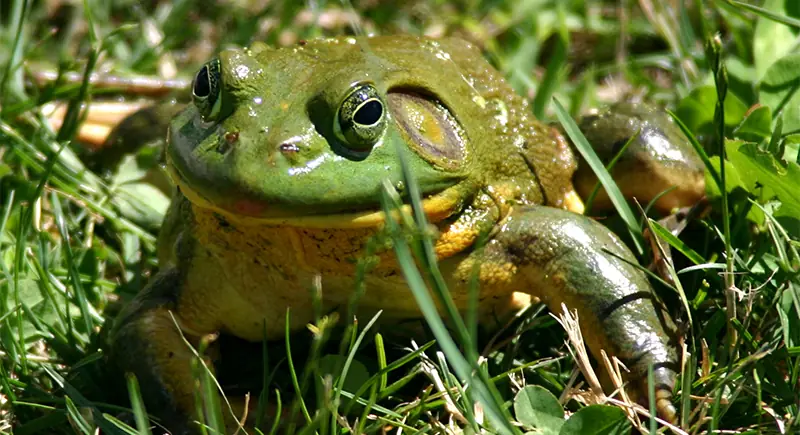
The North American bullfrog doesn’t hold back when it comes to volume. Its deep, booming croak can hit about 119 decibels, carrying across ponds and wetlands with ease. That iconic “jug-o-rum” call is mainly about territory and attracting mates, and once you hear it, it’s hard to miss or forget.