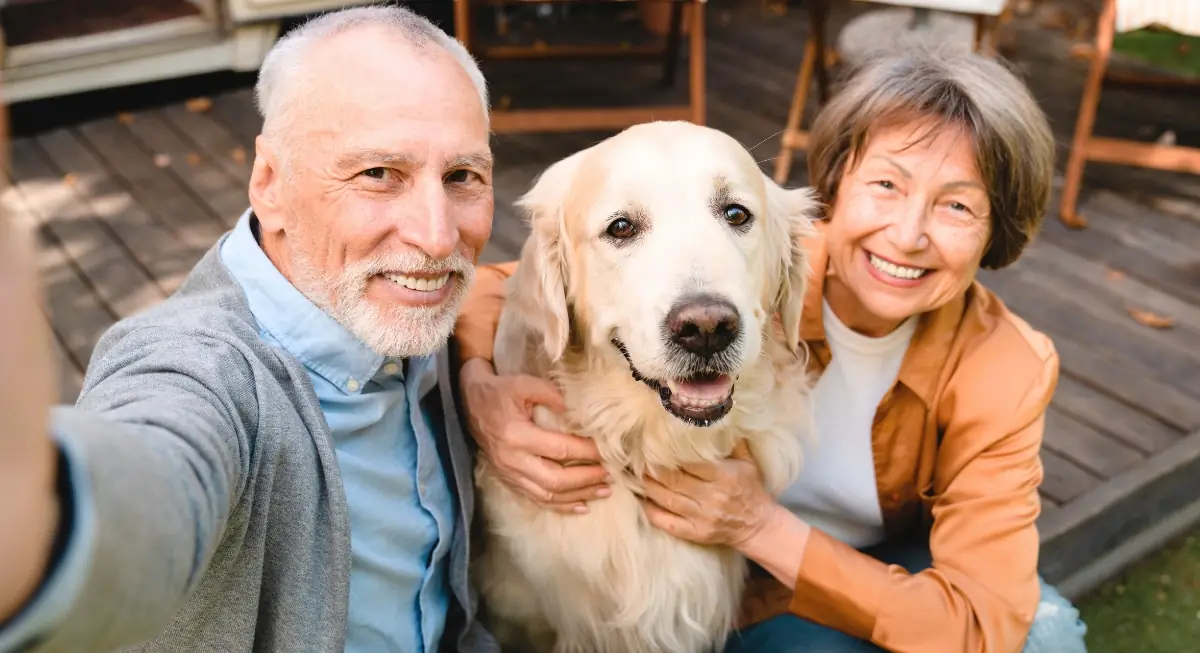
Research and real-world experience demonstrate that owning a pet can significantly impact daily life in measurable ways. Retirement can remove built-in routines and regular social contact, which can influence health and mood over time. Pets fill many of those gaps naturally by offering steady activity and connection without feeling like work. Here are ten ways pet ownership can meaningfully improve retirement.
Built-In Daily Structure
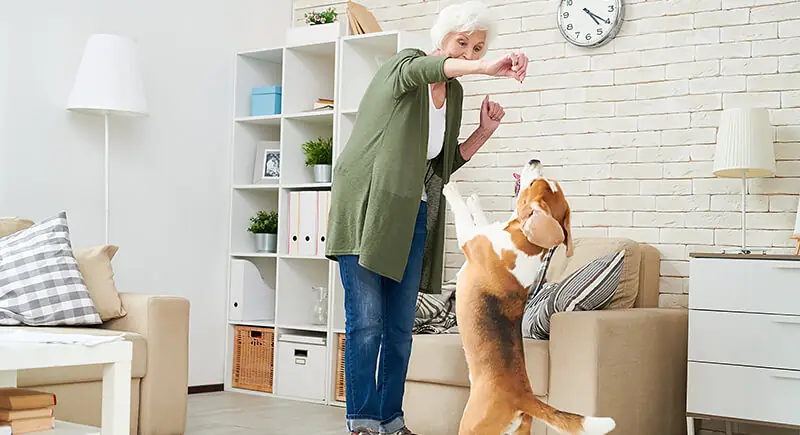
After retirement with no schedules tied to meetings or shifts, maintaining routine becomes difficult. Pets require feeding, walking, and care at set times, which creates a dependable daily rhythm. Studies link consistent routines in older adults to better sleep quality and lower rates of depression.
Lower Stress and Better Mood
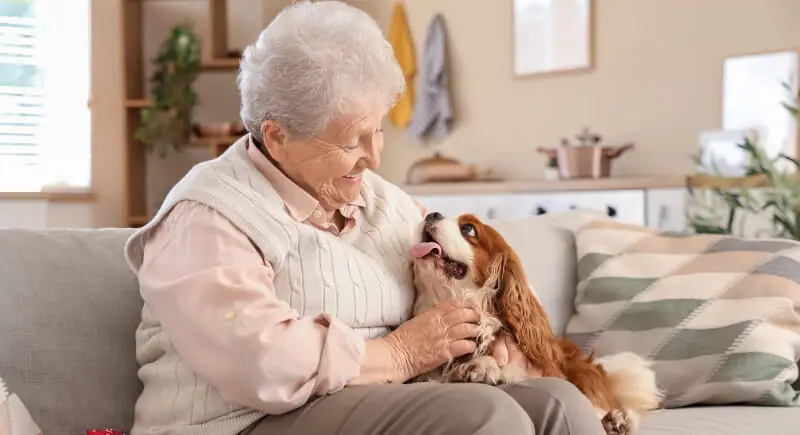
Interacting with pets has been shown to lower cortisol levels, a hormone linked to stress. Petting a dog or a cat increases oxytocin levels, which support emotional bonding and calm. These chemical changes are associated with reduced anxiety and improved mood in older adults. Consistent emotional support can reduce the likelihood of chronic stress-related health issues.
More Physical Activity Without the Gym
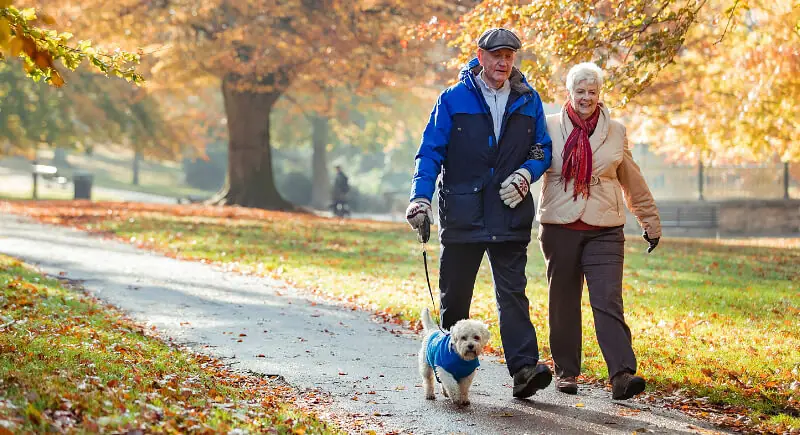
Dog owners walk an average of 22 minutes more per day than non-pet owners, according to public health research. Even moderate daily walking can improve cardiovascular health and help maintain joint mobility. Regular physical activity lowers the risk of heart disease and supports balance, which in turn reduces the risk of falls. Pets create reasons to move that feel natural instead of forced.
Reduced Risk of Loneliness
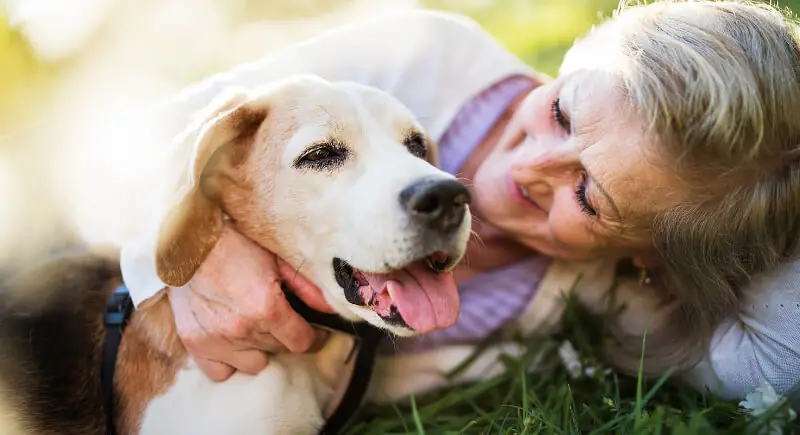
Loneliness affects nearly 25% of adults over age 65 and is linked to higher rates of cognitive decline. Pets provide constant companionship, which helps reduce perceived isolation, even for retirees who live alone. Studies show that pet owners report lower loneliness scores than non-pet owners. This emotional connection can support long-term mental health.
Easier Social Connections
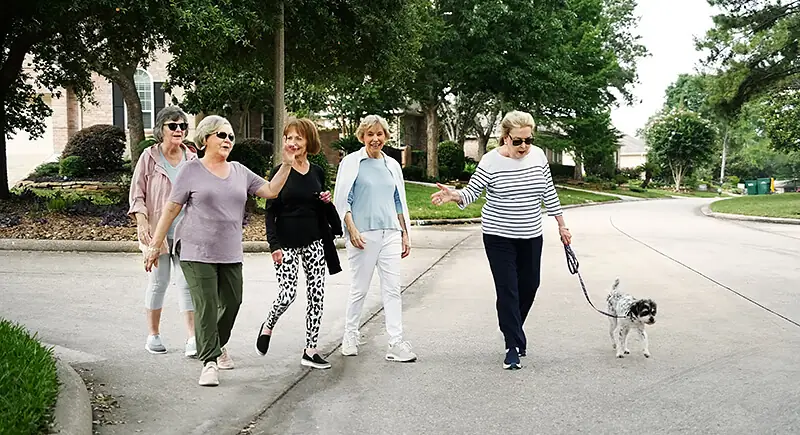
Dog walking often leads to repeated interactions with neighbors, which increases familiarity and trust. Research shows that pet owners are more likely to engage in casual conversations with strangers. These small interactions strengthen social networks over time. Social engagement is linked to slower cognitive decline in retirement.
Improved Heart Health
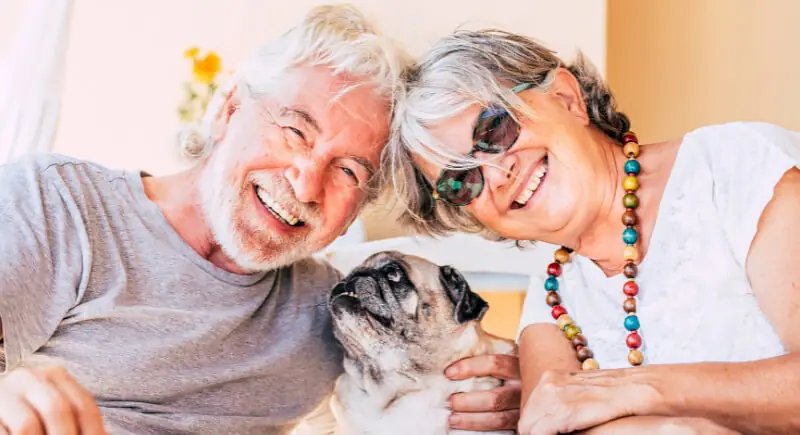
Pet ownership has been associated with lower blood pressure and improved cholesterol levels. A large American Heart Association review found dog owners had a lower risk of cardiovascular death. Regular walking and stress reduction both contribute to these outcomes. Heart health improvements often compound over time in retirement.
Cognitive Engagement Through Care
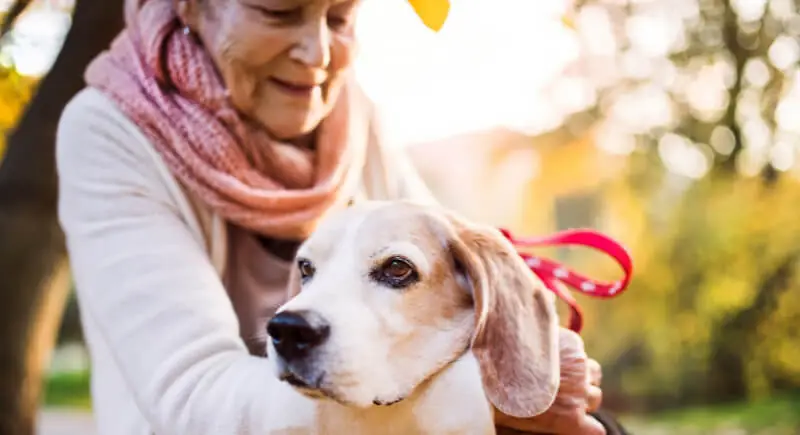
Caring for a pet requires attention, planning, and problem-solving. Remembering feeding schedules, monitoring behavior, and responding to health changes keep the brain active. Cognitive engagement helps preserve memory and executive function. Mental stimulation is a known factor in healthy aging.
Sense of Purpose After Work Ends

Leaving a career can reduce feelings of usefulness for some retirees. Pets rely on their owners for daily care, which reinforces a sense of responsibility. Psychological studies link purpose-driven routines to better mental health in older adults. Feeling needed can improve overall life satisfaction.
Healthier Personal Habits
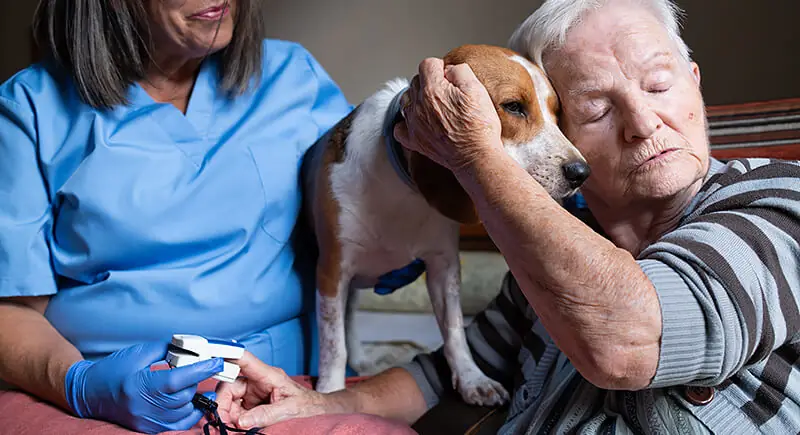
Owners often maintain better self-care habits because their pet depends on them. Retirees with pets are more likely to remain physically capable of meeting daily care demands. This connection encourages adherence to doctor visits and medication routines. Better personal health supports long-term independence.
Long-Term Emotional Stability
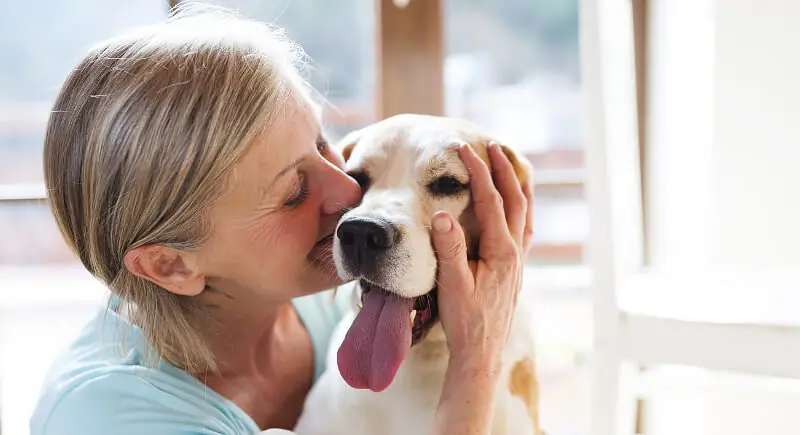
Pets provide consistent companionship during life changes common in retirement, including relocation or loss of social circles. Emotional bonds with animals are linked to reduced symptoms of depression over time. Stability in emotional support plays a role in the overall quality of life. Many retirees report higher day-to-day satisfaction after adopting a pet.