One minute your pet’s fine, the next something’s off and you just know it. Maybe it’s the way they’re acting, or something looks wrong. It’s hard not to spiral. Here’s a quick guide to the situations that actually do need a trip to the emergency vet.
Difficulty Breathing or Choking

If your pet is gasping, wheezing, or making high-pitched noises while breathing, it’s a red flag. Choking hazards like toys or bones can obstruct airways. Immediate veterinary intervention is crucial to restore normal breathing and prevent fatal outcomes.
Heatstroke Symptoms

Heatstroke often hits fast, especially during summer walks or if a pet is left in a car. Signs include panting, drooling, bright red gums, or collapse. It’s a life-threatening condition that requires urgent cooling and care to prevent brain swelling or multi-organ failure.
Seizures or Staggering

A seizure can look like twitching, stiffening, or sudden collapse with uncontrolled movements. Sometimes, pets appear confused or aggressive afterward. These episodes could result from epilepsy, toxins, or brain issues. Keep them safe and calm, then get to the vet to determine the cause and begin treatment.
Persistent Vomiting or Diarrhea

Frequent vomiting or diarrhea, especially if paired with a lack of appetite or blood, may lead to dangerous dehydration. It’s not just a stomach bug; your pet could have an infection, parasite, or organ issue.
Inability to Urinate or Defecate

If your pet is straining to urinate or defecate without success, something is wrong. Urinary blockages, especially in male cats, can be fatal within days. You may also notice crying or frequent trips to the litter box.
Eye Injuries
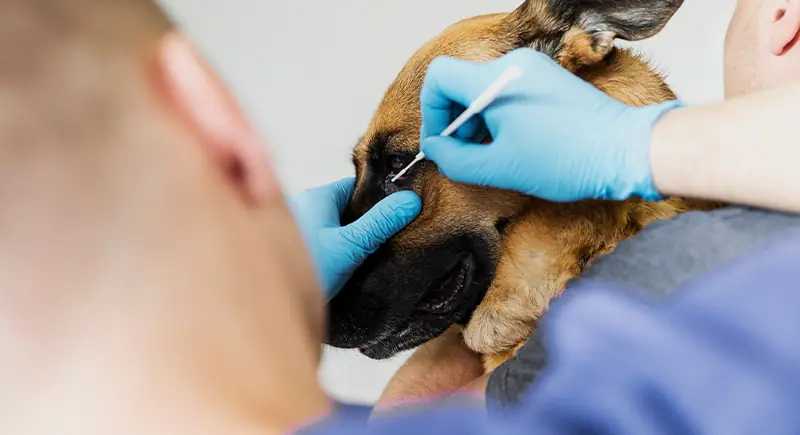
Eye injuries may start with redness or squinting, but even a small scratch can quickly become serious. Pets can’t avoid rubbing or pawing at it, which makes things worse. Cloudy corneas or discharge are also bad signs.
Suspected Poisoning

Poisons like chocolate, antifreeze, grapes, and certain household plants can trigger vomiting, drooling, or seizures in pets. No amount is safe; some toxins are deadly even in the most minute doses.
Unconsciousness or Collapse

If your pet collapses or loses consciousness, even briefly, it’s not something to shrug off. Causes could include low blood sugar, heart failure, or trauma. If breathing is irregular or gums are pale, it’s even more urgent.
Refusal to Drink Water

A pet refusing water for more than a full day could be facing dehydration, kidney disease, or an underlying infection. This becomes especially serious if the pet is also vomiting or lethargic. Hydration is vital to organ function.
Signs of Pain or Extreme Anxiety

Pain doesn’t always look dramatic in pets. Subtle signs like hiding, growling when touched, or restlessness may signal something’s very wrong. Pets are good at masking discomfort, so behavioral changes should not be ignored.
Bleeding That Doesn’t Stop
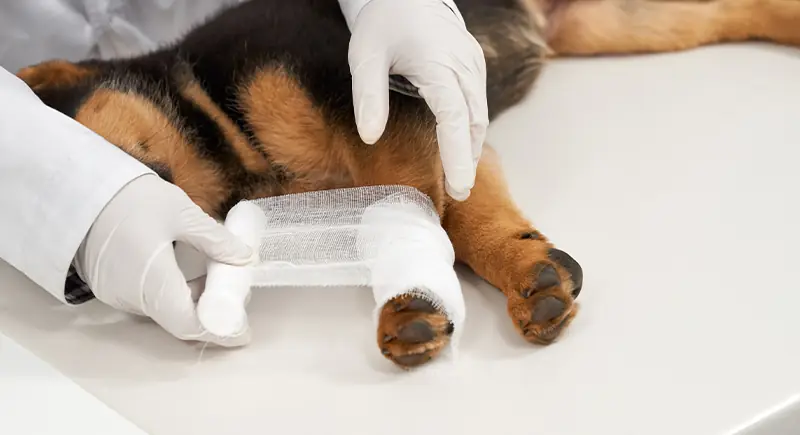
Bleeding that won’t stop after five minutes, whether from a wound, nose, or in urine or feces, is an emergency. It could signal internal trauma or a clotting disorder. Apply gentle pressure to external wounds, but don’t delay veterinary care.
Fractured Bones or Severe Lameness
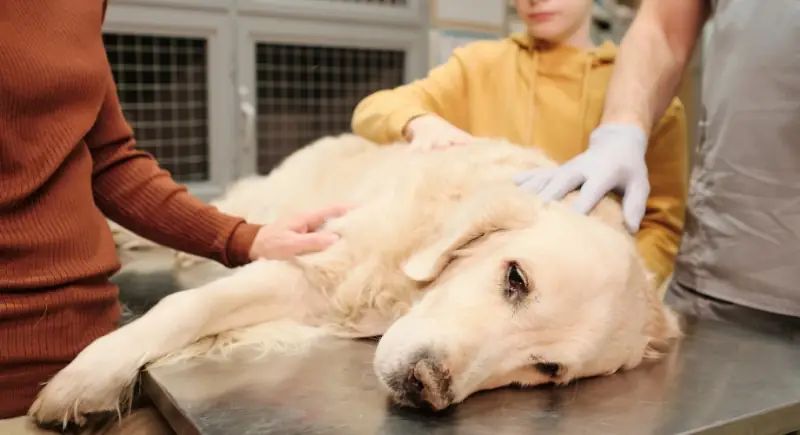
If your pet is limping heavily, refusing to move a limb, or has an obviously misshapen bone, assume it’s broken or seriously injured. Carry them carefully to avoid making it worse. Fractures may not always be visible, so diagnostic imaging is key.
Exposure to Toxic Substances

Toxic exposure isn’t always ingested. Skin contact or inhalation can be dangerous, too. Products like rodenticide, fertilizer, and essential oils can cause tremors or organ failure. Symptoms may take hours to show.
Canine Parvovirus Infection
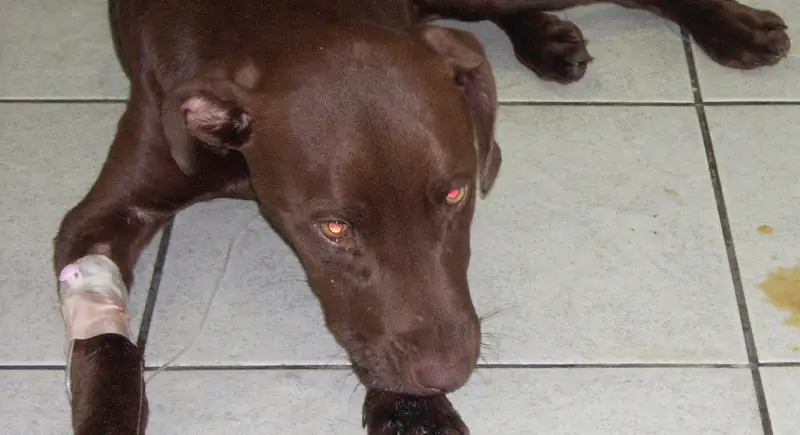
Parvovirus mainly affects puppies and causes bloody diarrhea, vomiting, and collapse. It’s highly contagious and often fatal without urgent care. Quick action, including IV fluids and medication, offers the best chance of survival.
Laryngeal Paralysis
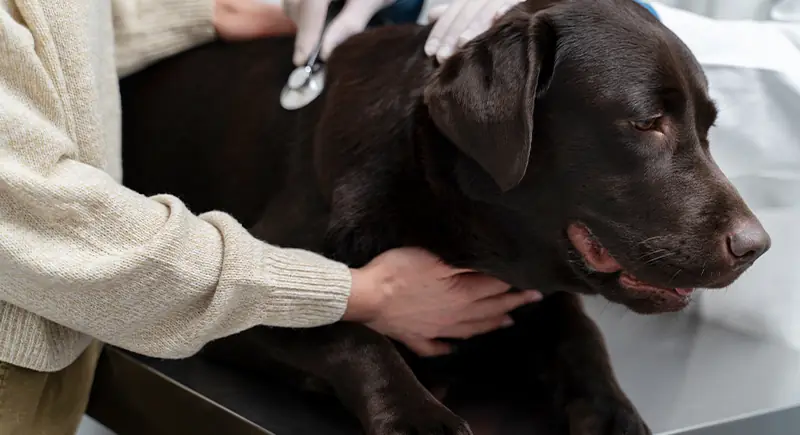
Laryngeal paralysis affects a dog’s ability to breathe and regulate airflow, often making their breath sound raspy or labored. Dogs may also panic from feeling like they’re suffocating. It’s more common in large breeds and older pets. In severe cases, it can become a full airway blockage.
Sudden Abdominal Swelling or Bloat

If your dog’s belly suddenly looks tight or swollen, don’t wait it out. Bloat can develop quickly and may involve the stomach twisting, which cuts off blood flow. You might notice restlessness, drooling, or attempts to vomit with nothing coming up. This is an emergency that needs immediate veterinary attention.
Pale or Blue-Tinged Gums
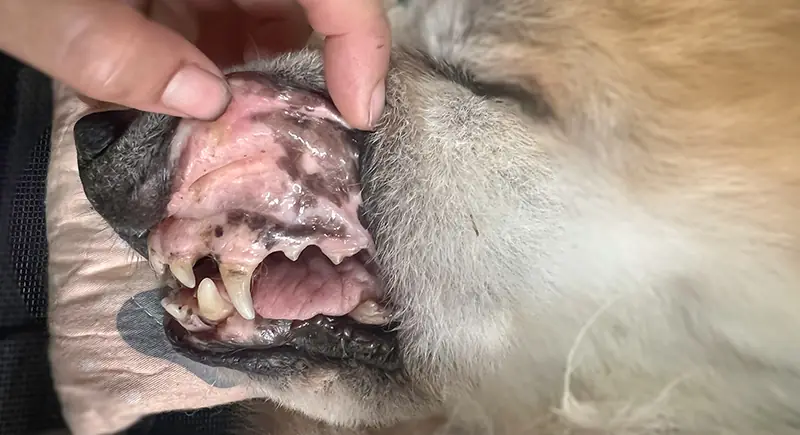
Healthy gums should be pink, so any shift to pale, gray, or bluish tones is a warning sign. It can indicate low oxygen levels, blood loss, or circulation problems. If your pet seems disoriented or is breathing differently, don’t hesitate to seek help. Gum color changes are often among the earliest visible signs that something is seriously wrong.