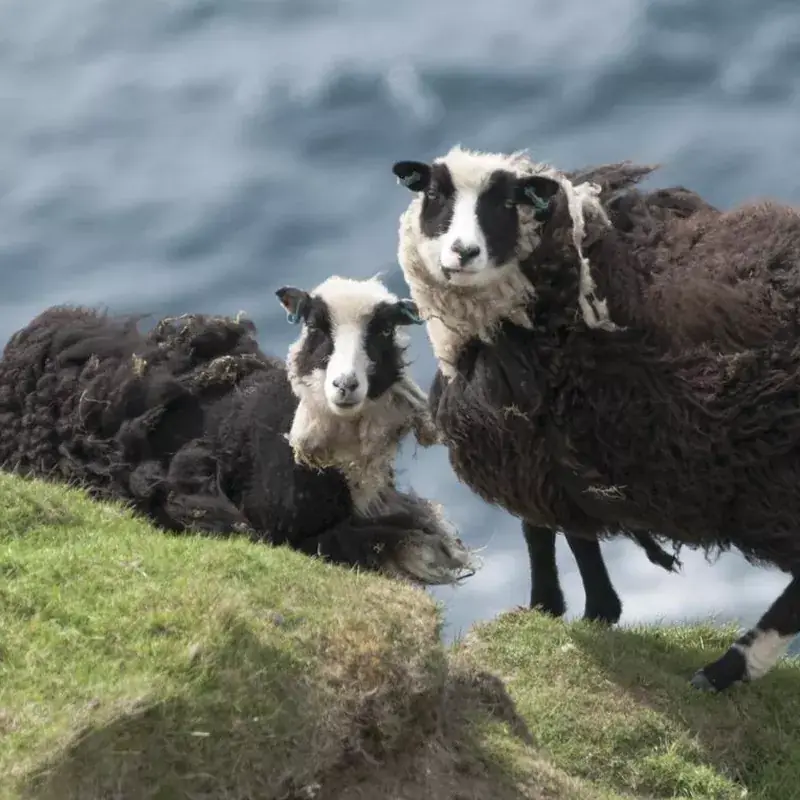
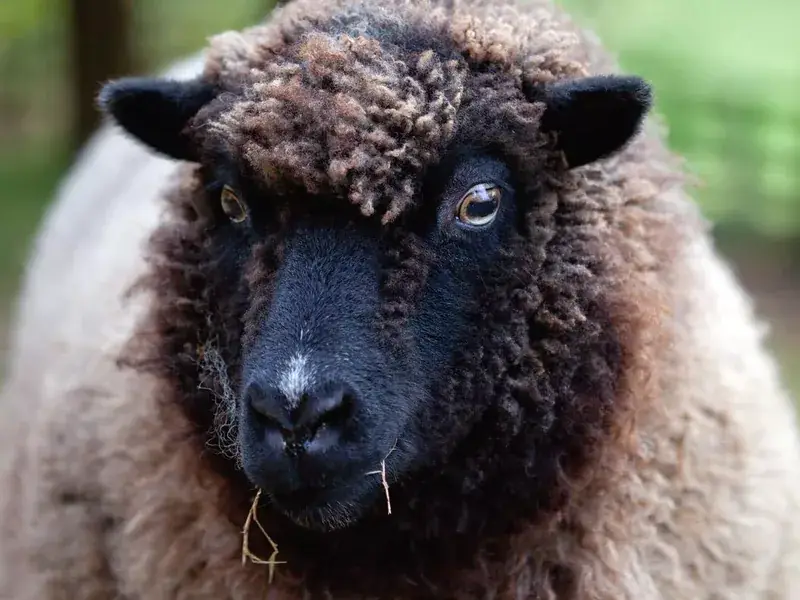
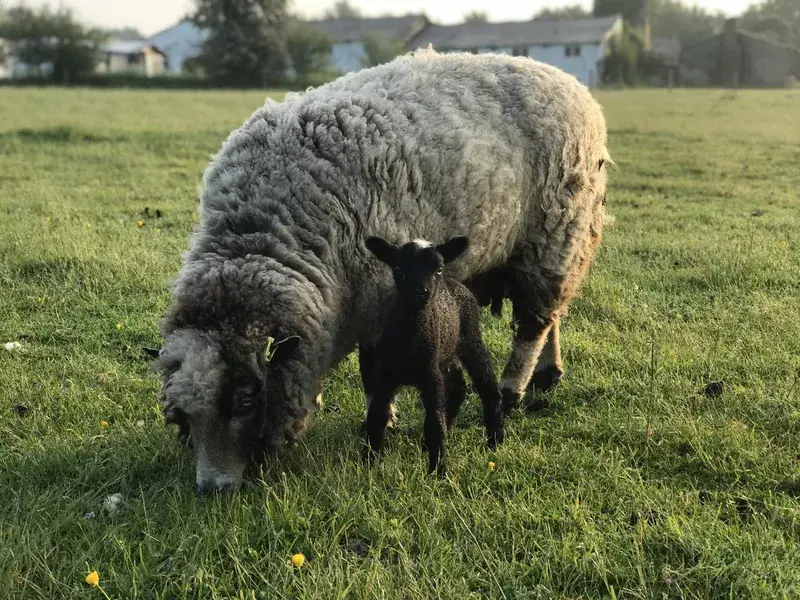
Sheep are cute. With their wool-covered bodies and Roman noses, it’s hard not to resist them. And arguably one of the cutest sheep breeds is the Shetland sheep, especially because it produces truly ink-black fleece.
If you are not familiar with these adorable creatures, we’re here to introduce you to them. Just don’t blame us if you end up wanting to buy a farm and have a few for yourself because Shetland sheep really are that amazing.
Check out what we mean…
They’re Named After the Shetland Islands
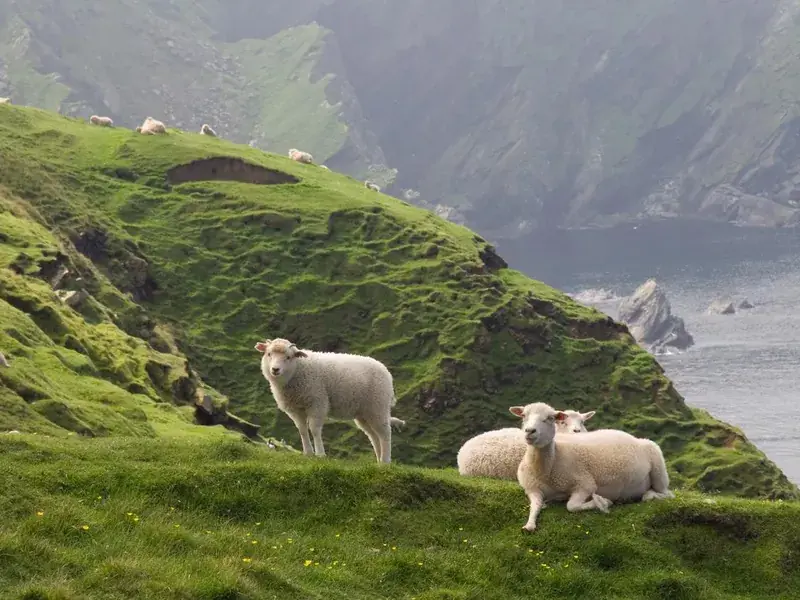
Like the dog and horse breeds that also share the same name, the Shetland sheep were named for the Shetland Islands, a small 100-island archipelago off the coast of Scotland. The sheep originated on that island and so were given the name, too.
Shetland Sheep Have a Long History
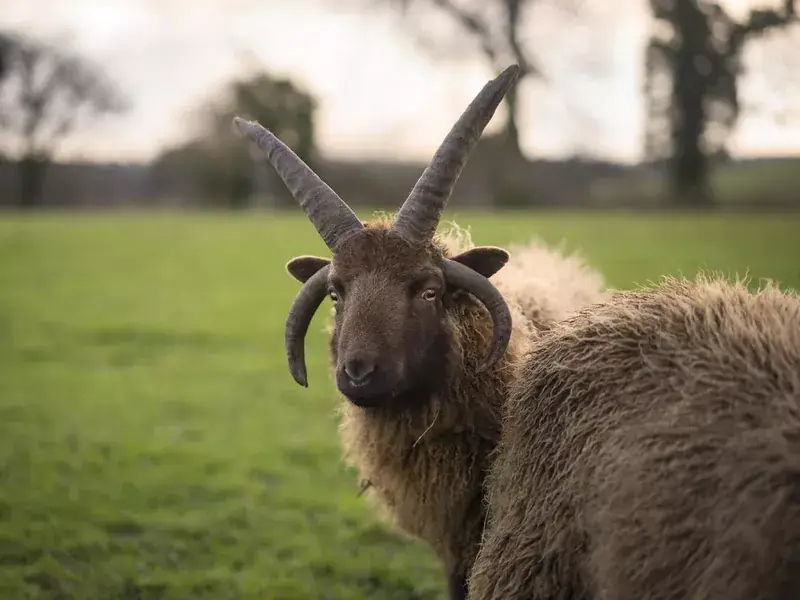
If the Shetland sheep looks like something you may see in a medieval movie, you’re not wrong. These sheep have old roots, going back over a thousand years. It’s believed the Vikings brought sheep over to the islands, and the Shetland developed from their stock.
They’re Surviving Relatives of an Extinct Breed
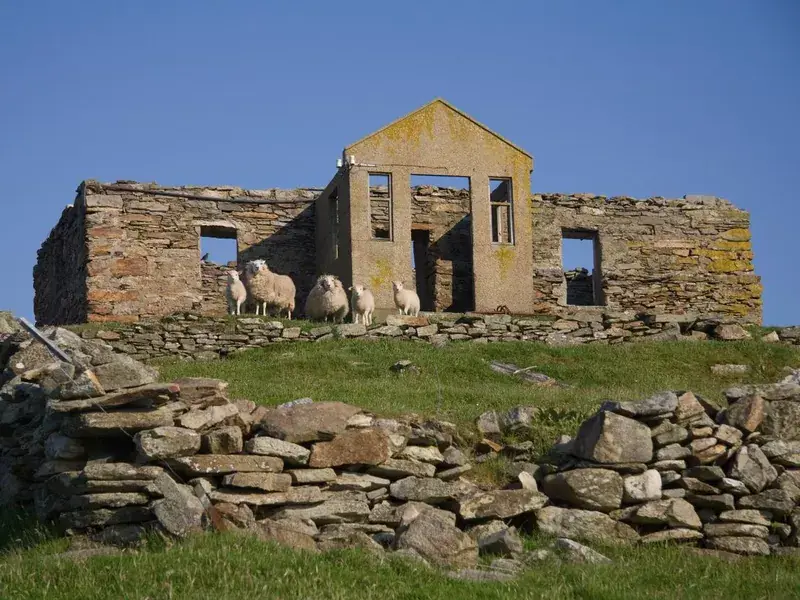
The Shetland sheep is the relative of the Scottish Dunface, a breed of sheep that is now extinct. The Dunface were all over Northern Europe until the mid-19th century when the popularity of the Scottish Blackface caused their numbers to dwindle. They were extinct by the late 19th Century.
These Are a Short-Tailed Sheep
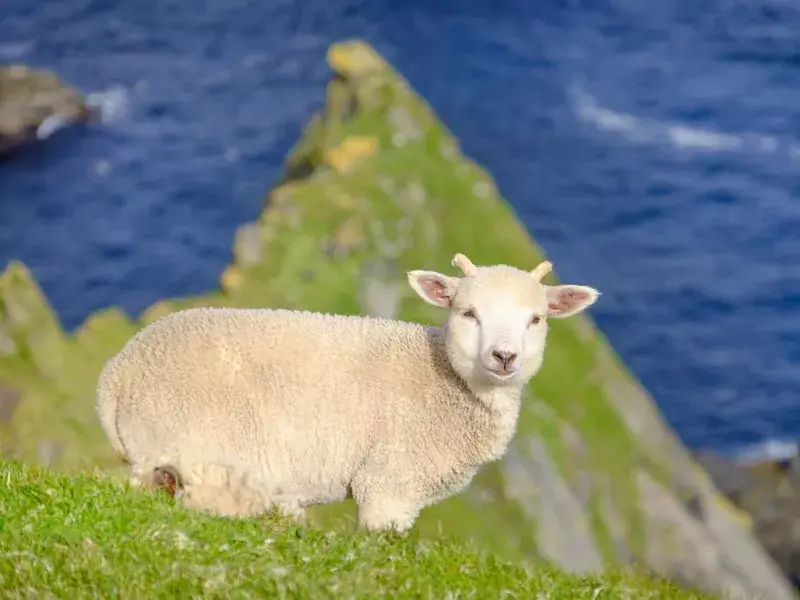
If you have never owned sheep, you may not be aware that some breeds have long tails that are often docked, while others have short, or naturally docked tails. Shetland sheep are the former, with cute little short tails that wag when they’re happy.
British Breeds of Sheep Don’t Get Any Smaller Than This
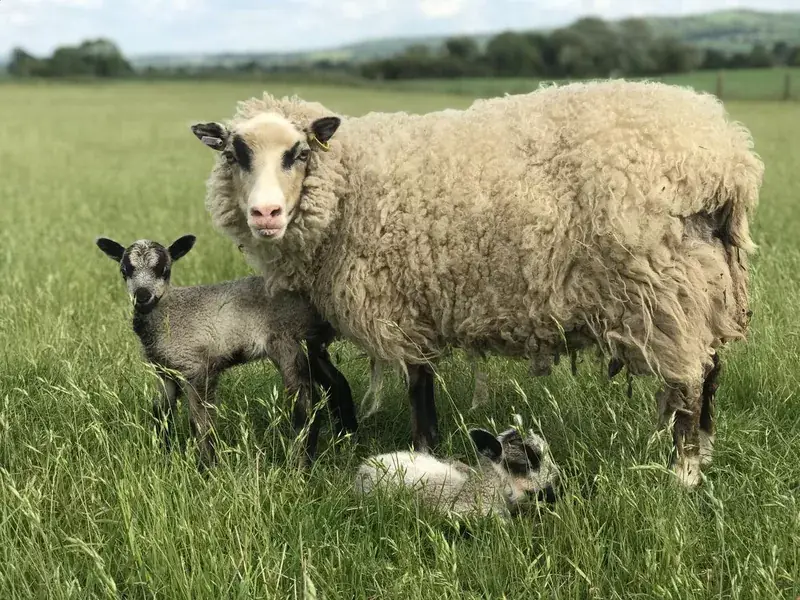
Another great thing about Shetland sheep is their size. They are the smallest of the British sheep breeds. Rams weigh between 90 to 125 pounds, and ewes weigh between 75 to 100 pounds. Their small size makes them great for hobby farms.
They’re Classified as an ‘Unimproved’ Breed

The Shetland sheep breed is a primitive breed, classified as a landrace or unimproved breed. This classification is given for animals that adapted well to their local environment without the need for human selective breeding.
Shetland Sheep Have Great Dispositions
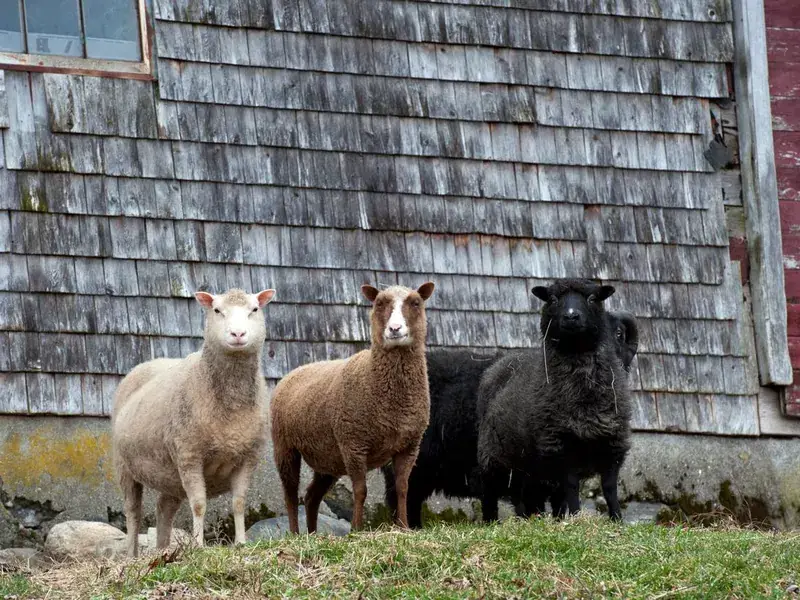
If you’ve been around sheep before, you may not have been that impressed with them. But give the Shetland a chance. The breed is known for being docile and friendly, often seeking human attention.
Shetland Sheep Are Intelligent
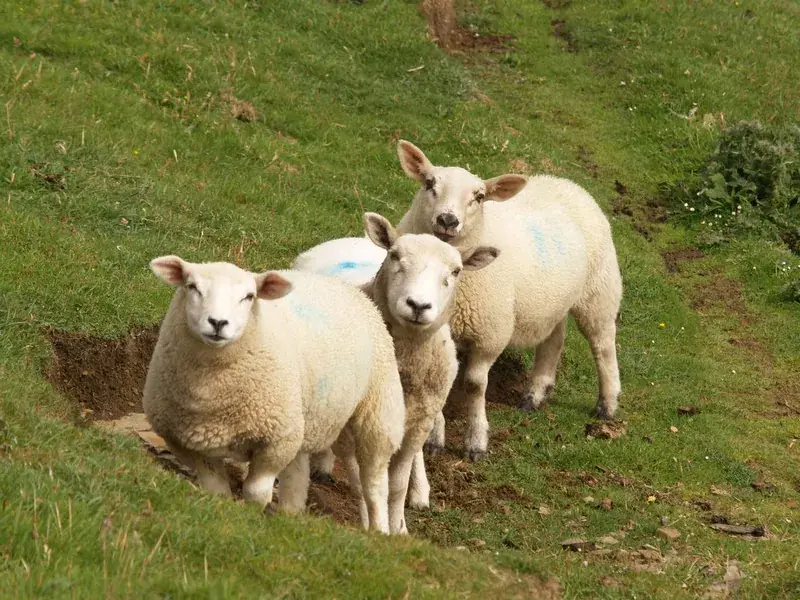
There are a lot of negative quotes used to describe people that follow another blindly and well, dumbly, as being like “sheep.” People often do not equate intelligence with this species. However, the Shetland sheep is quite intelligent, making it easy to train them.
They Are Hardy
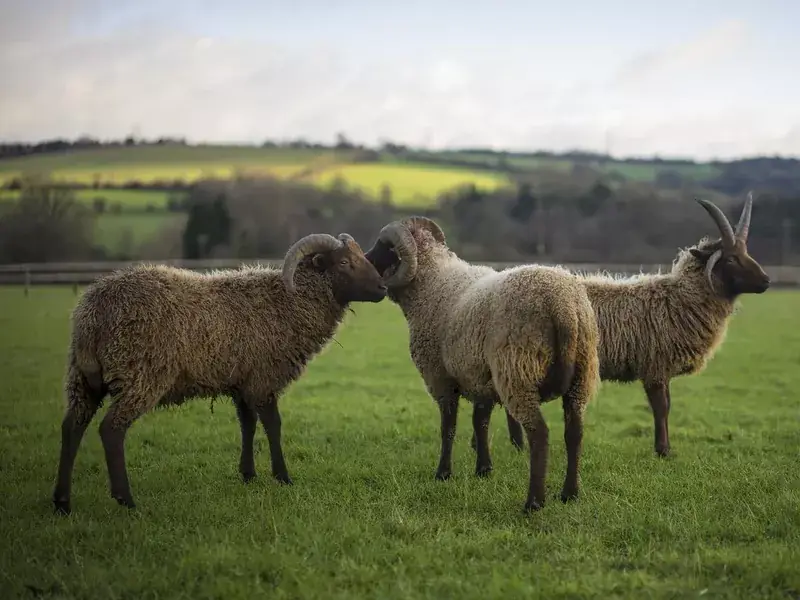
Being a primitive breed that developed on the harsh subarctic landscape of the Shetland Isles, this breed of sheep is hardy and easy to manage. That includes being easy to lamb.
Listed as ‘Recovery’
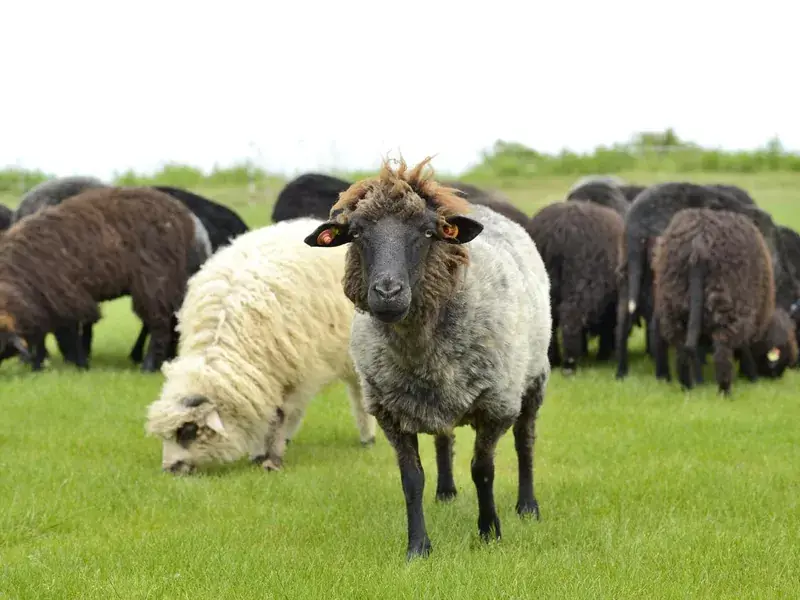
While this cute sheep sounds like it should be very popular, it was actually listed as endangered up until recently by the Rare Breeds Survival Trust in Britain. The Livestock Conservancy has them now listed as “recovering,” though in Britain in particular, they are still concerned about genetic diversity and the loss of some colors and markings.
There Are Only 2,000 Breeding Ewes Registered in the U.K.
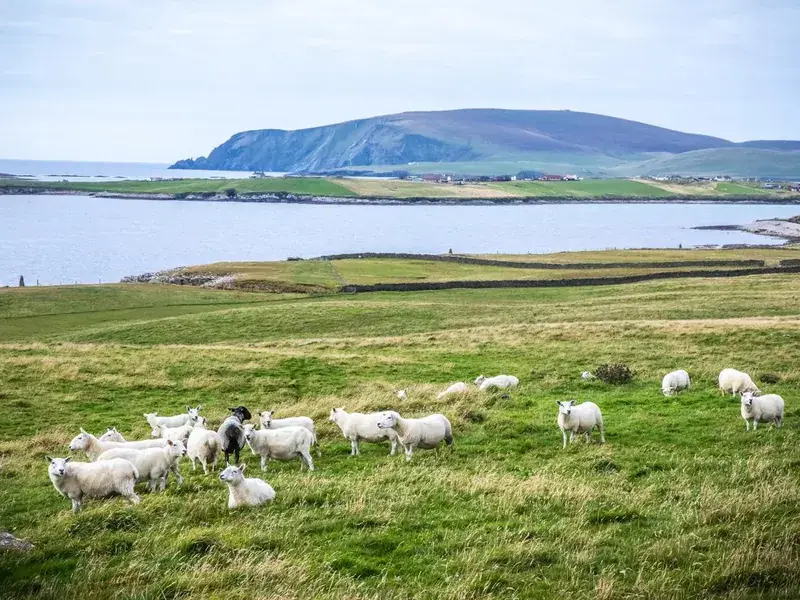
While Shetland sheep are no longer listed as endangered, there are only 2,000 breeding ewes listed in the pedigree breeding groups in the U.K., including the Shetland Sheep Breeders Group and Shetland Flock Book Society. This number is the result of an increase over the last 10 years.
Shetland Sheep Came to North America in 1980
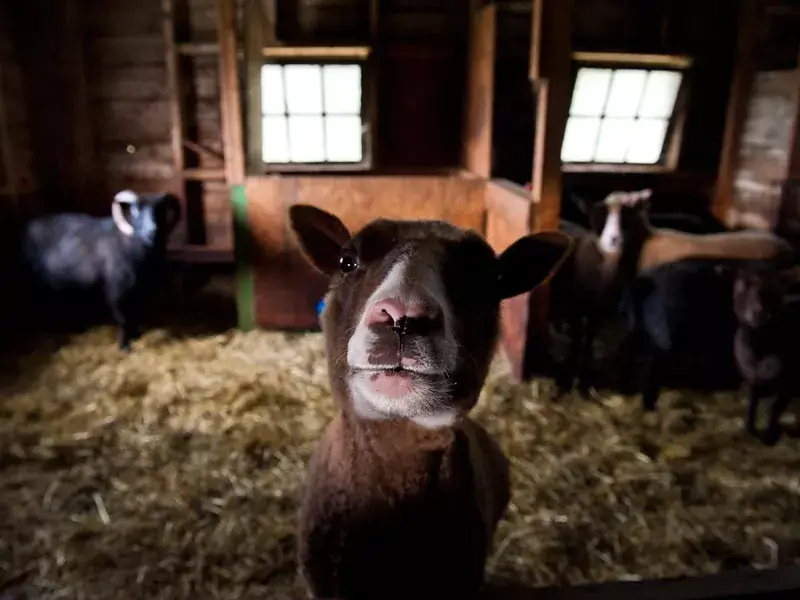
According to the Livestock Conservancy, most of the Shetland sheep in North America came from a herd of 32 sheep that were imported in 1980 by G.D. Dailley from Ontario, Canada.
Thomas Jefferson Owned Shetland Sheep
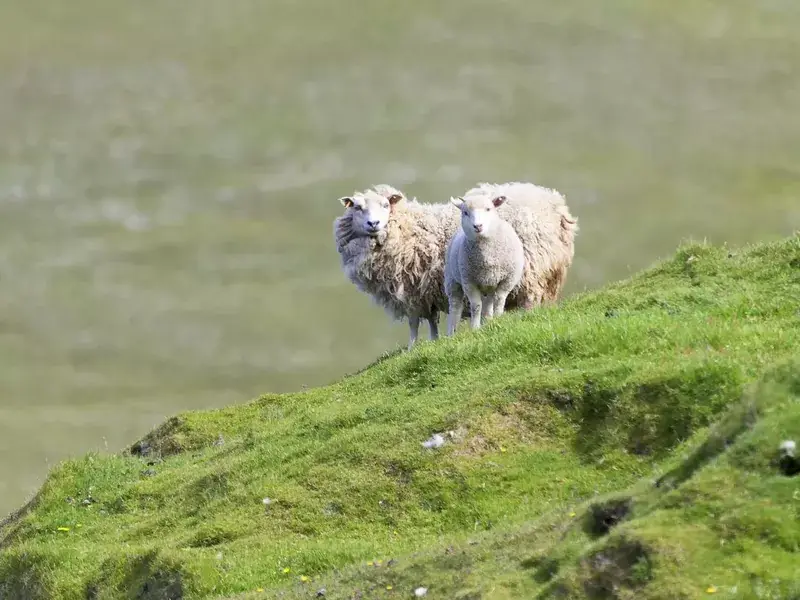
Even presidents have found these adorable sheep irresistible. In fact, Thomas Jefferson had a small flock of them at Monticello, according to the Livestock Conservancy.
An Association Was Formed to Preserve the Breed in North America
In 1994, the North American Shetland Sheepbreeders Association (NASSA) was formed to preserve and promote the breed in North America. Its mission is to “assist breeders of Shetland sheep in North America in maintaining the quality of the breed and to provide accurate registration and pedigree records for informed breeding decisions.”
Only the Rams Have Horns (Usually)
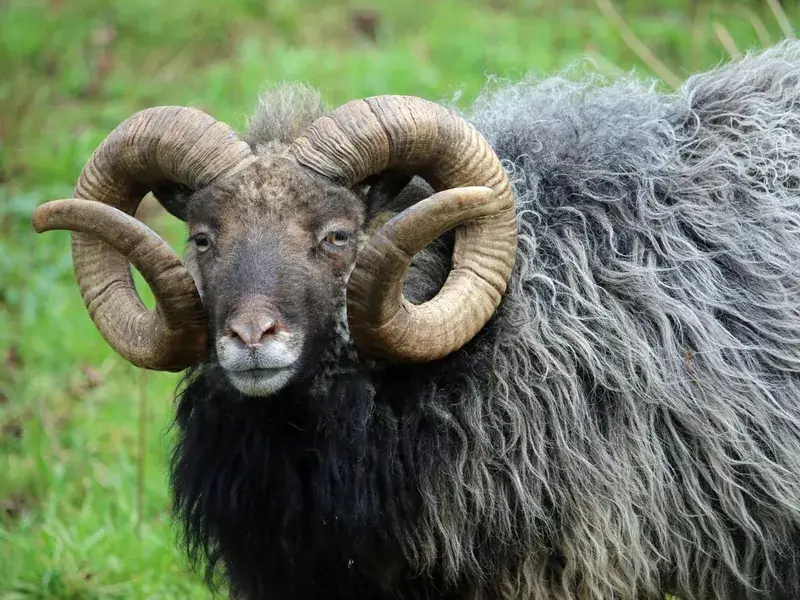
Another great thing about Shetland sheep is that ewes are usually naturally polled, so they have no horns. The rams grow beautiful, curled horns that can get quite big. However, there are also polled rams, which are often sought after by breeders. Ewes with horns do occur on rare occasions.
Their Wool Comes in a Rainbow of Colors
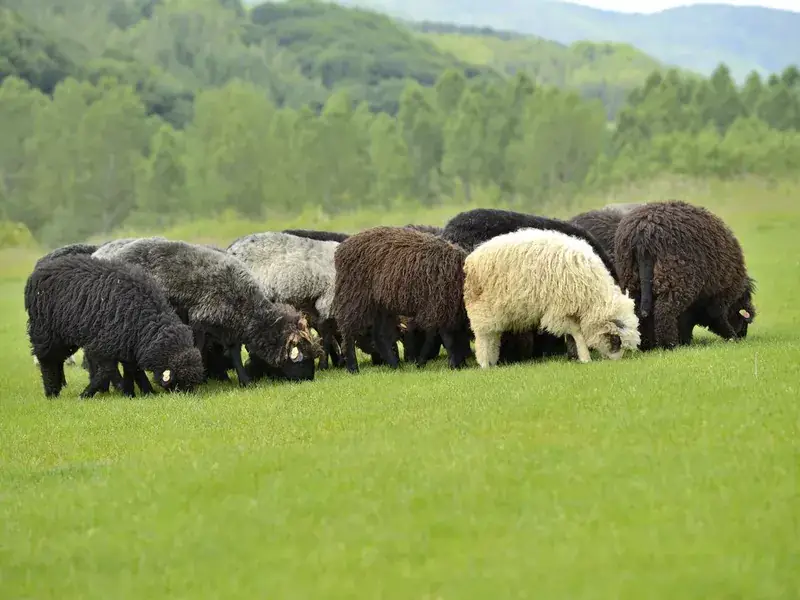
If you think a herd of white sheep is boring, get some Shetlands. The Shetland sheep boosts more colors and markings than almost any other breed of sheep. There are 11 wool colors and 30 markings they may have to make up dozens of different-looking sheep.
Shetland Sheep Coat Colors and Markings Have Native Names
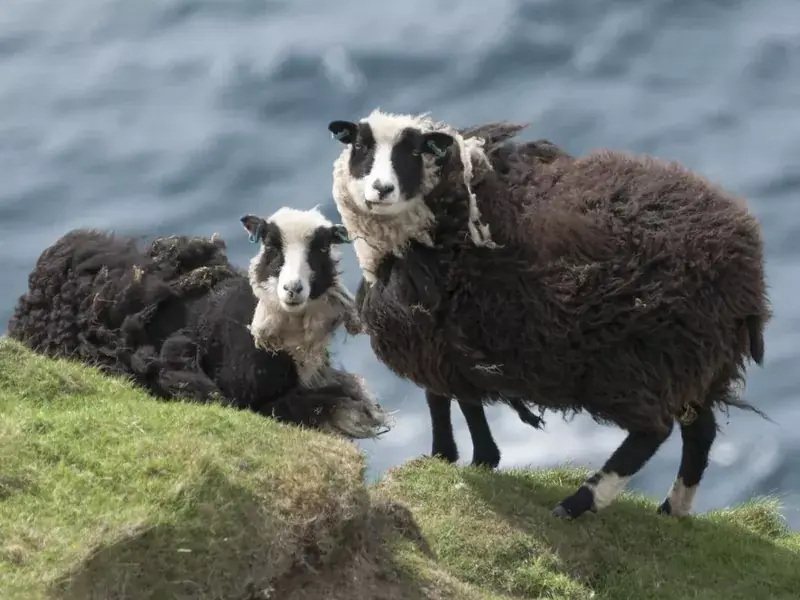
While it may be easy to say “Shetland,” good luck pronouncing any of their coat colors or markings, most of which have Shetland dialect names. For example, the red-brown wool is Moorit, and the silvery-grey wool is shaela. Worse are the marking or pattern names, such as katmoget — a light-colored body with dark belly and legs and moget facial markings. Moget facial markings are dark and light patches around the mouth, eyes and ears.
Shetland Wool Is Prized
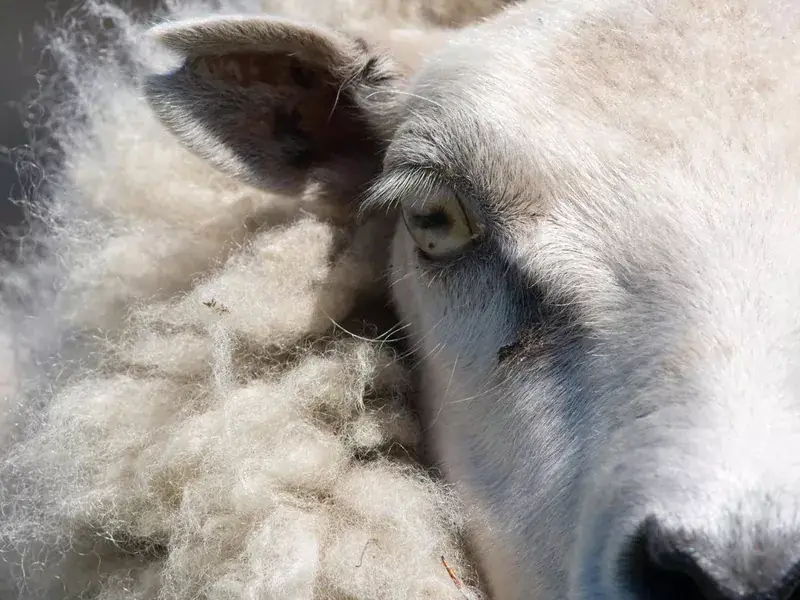
Just another wonderful thing about this breed is their soft wool, which is the basis for the Shetland wool industry. According to the North American Shetland Sheepbreeders Association, the wool is strong and durable as well as soft, making it easy to spin and knit. Sweaters and other items made from their wool fetch high prices.
Shetland Sheep Have a True Black Wool
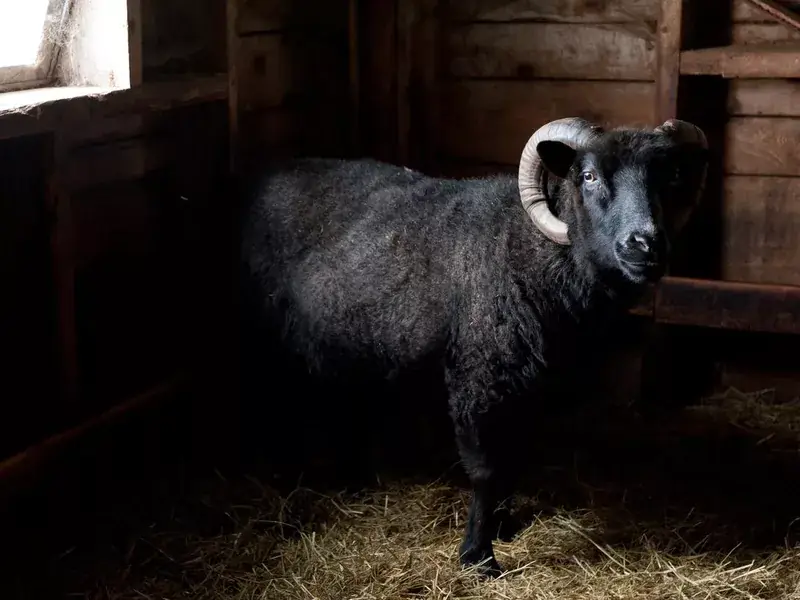
Another unique feature of the Shetland sheep is they are one of just a few breeds that produce a true, ink-black fleece that requires no additional dying.
Some Shetland Sheep Molt
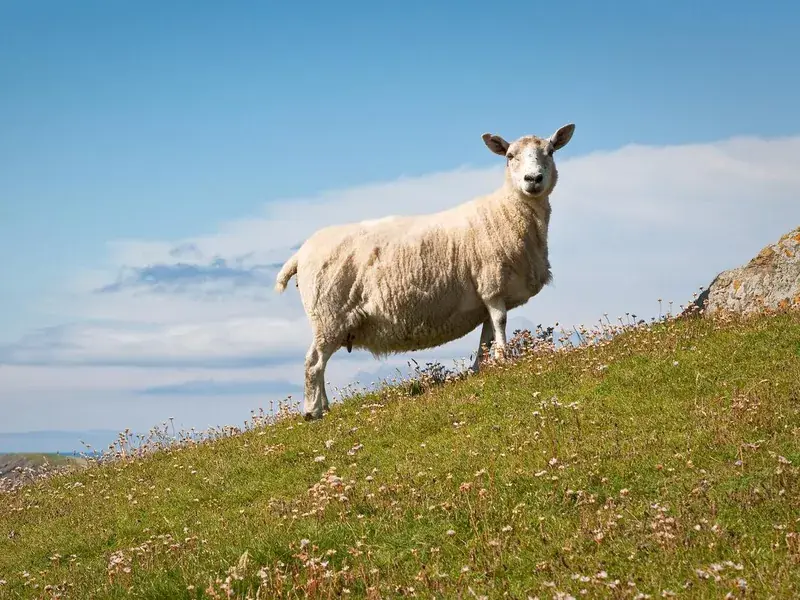
While most breeds of wool sheep require shearing each year, some Shetland sheep molt. This is a primitive characteristic of the breed and is also called a wool break. Raisers can pull the wool off by hand during this spring shed, called “rooing.”
Shetland Wool Is Almost as Soft as Merino
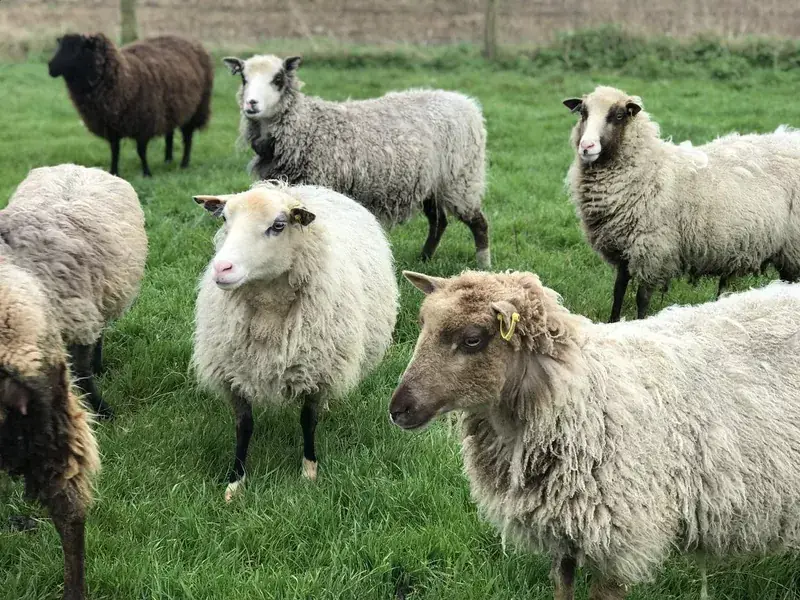
Most people who enjoy wearing wool sweaters are familiar with Merino as high-quality wool. Shetland sheep wool can be close in Bradford count — one of the ways to indicate the thickness of the fiber — to that of Merino. Shetland wool is usually in the upper 50s to lower 60s, while Merino wool is usually between 64 to 80. The higher the number, the thinner the fiber.
Fleece Weighs Around 3 Pounds on an Adult Shetland Sheep
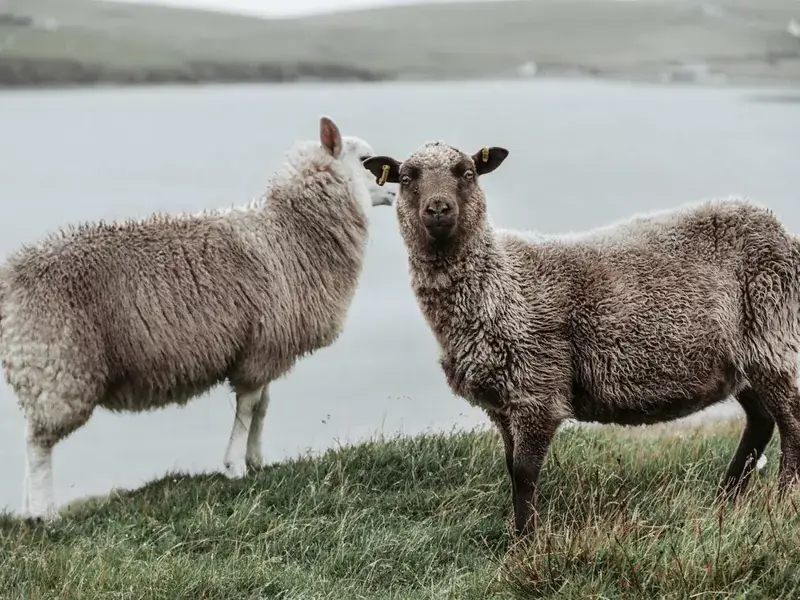
Once sheered, a typical fleece from a Shetland weighs between 2 to 4 pounds, though the NASSA says 5- to 6-pound fleeces are not uncommon.
They Have a Double Coat
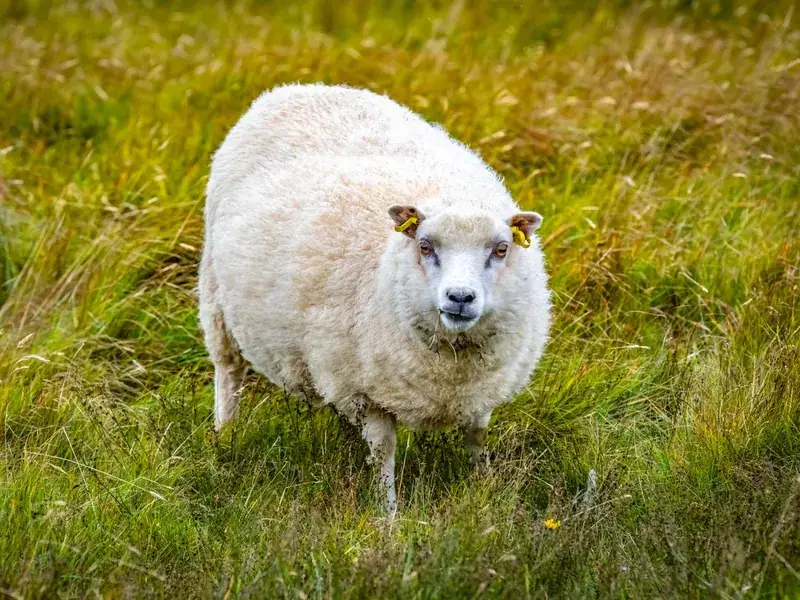
Like the Shetland sheepdog, Shetland sheep have a double coat. This is another one of the primitive characteristics that helped it survive the harsh Shetland Islands environment.
Shetland Sheep Are Not Hard Keepers
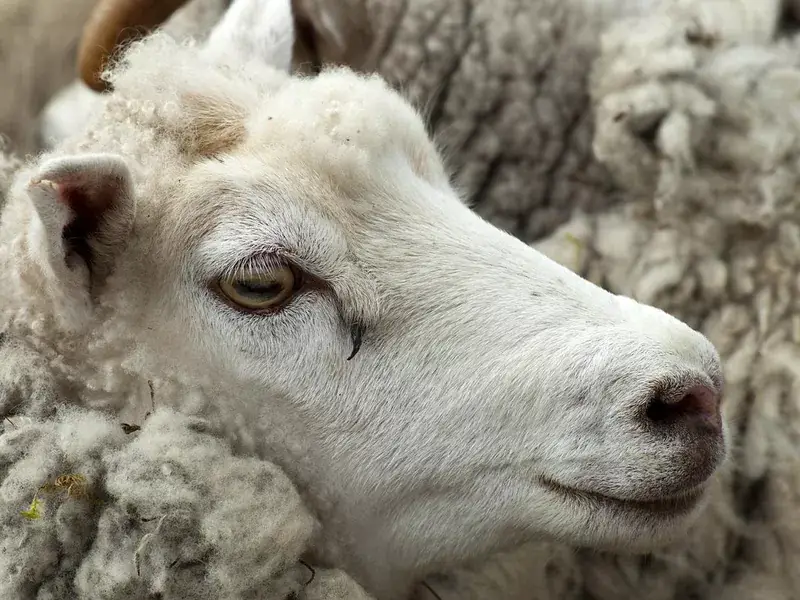
Being from a climate where grass is not often found, Shetland sheep are easy keepers that do not require a great deal of rich food to be healthy. They eat grass but also are happy to eat weeds and other plants, including blackberries, that other breeds of sheep will not. They are more like a goat in that respect.
Shetland Sheep Lambs in the U.S. Are Not Terribly Expensive
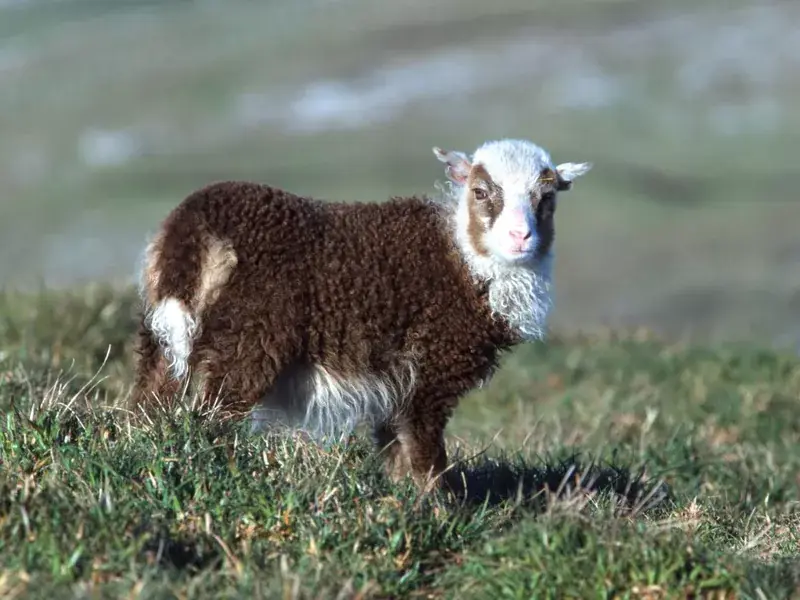
Depending on where you live and the breeder you are going to, you can get a registered Shetland sheep lamb for $200 to $600. Price will depend on color, condition of wool and if the sheep comes from a line of prizewinners.
Shetland Wool Is So Fine, It’s Used for Specialized Lace
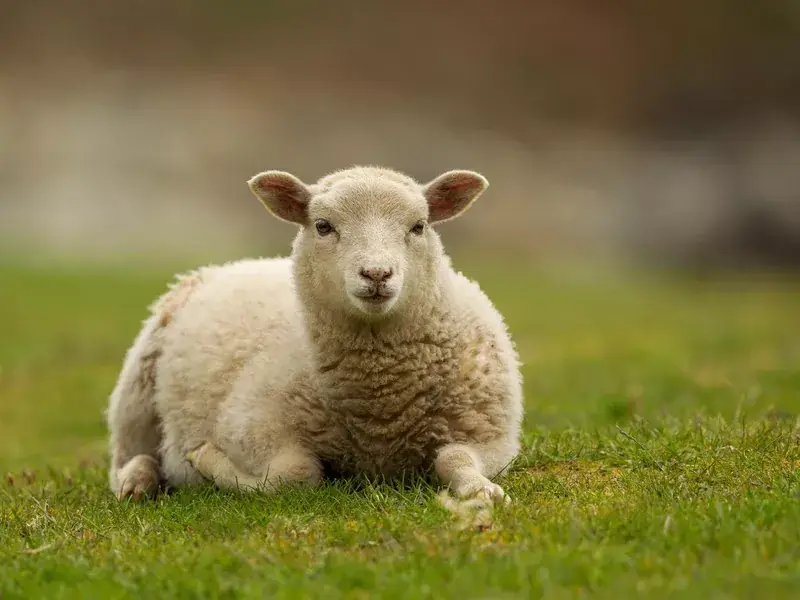
A heritage craft, Shetland lace knitting is the art of creating “extremely delicate knitted fabric made with soft Shetland wool spun into very fine yarn and knitted into intricate patterns. It is traditionally knitted by hand on wires using a knitting belt,” according to the Heritage Crafts Organization. Unfortunately, the craft is critically endangered with few people knowing how to do it today.
You Can Buy Shetland Yarn
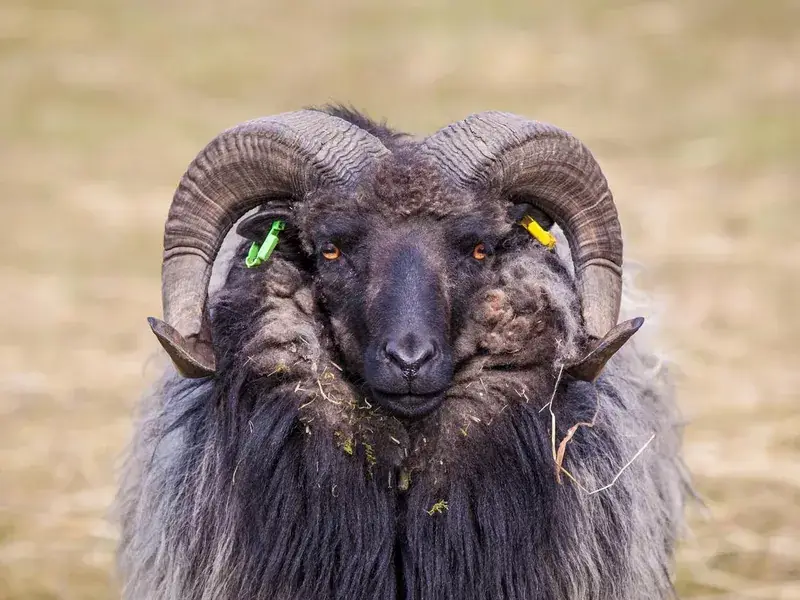
Maybe you are not interested in owning a Shetland but, after reading about them, think it would be fun to try your hand at some fiber art using their incredible wool. You can buy Shetland yarn from many places online and for a wide range of prices.
Shetland Sheep Are Slow-Growing
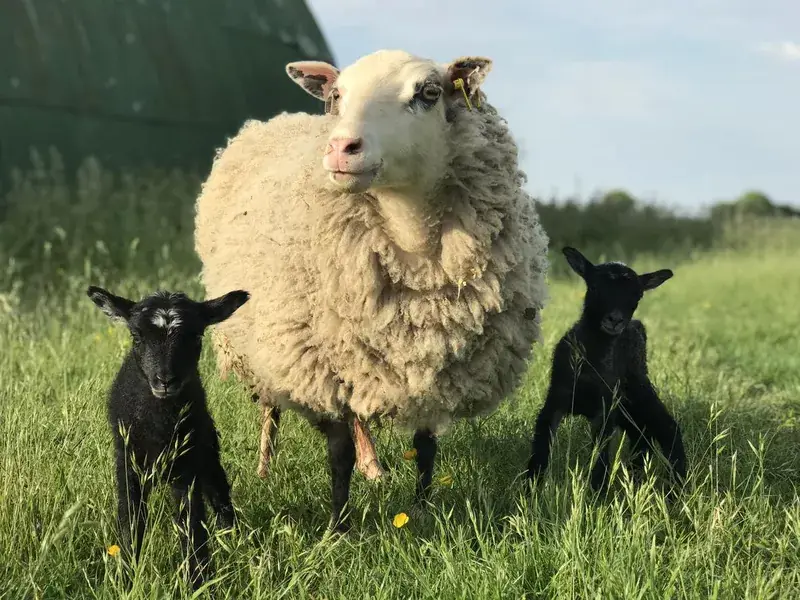
Having not originally been developed as a meat breed, the Shetland sheep is slow-growing compared to other breeds of sheep. However, people do eat their meat and also mix them with other meat breeds for that purpose.
Though Rare, Rams Can Have Four Horns
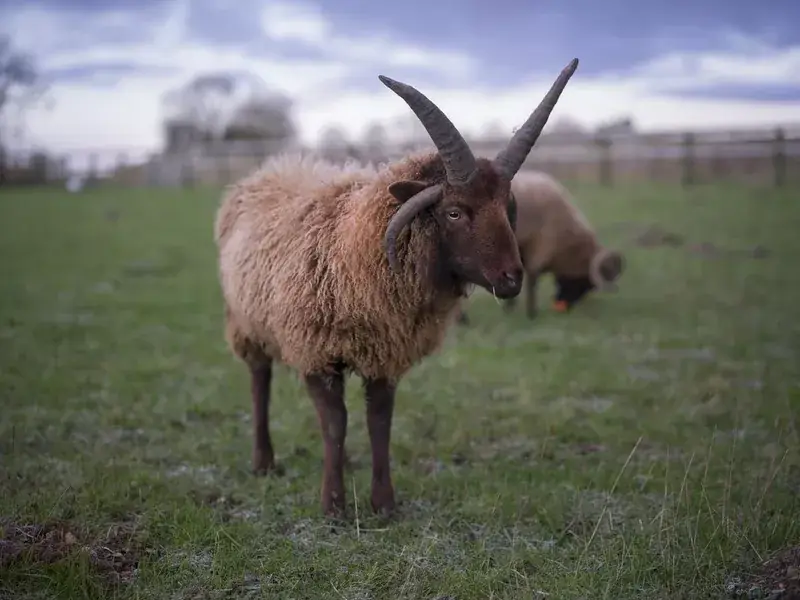
Though not seen often, Shetland rams can grow four horns on their head. However, this is not common in the breed and is not part of the breed standard.
They Eat Tansy
If you live somewhere where Tansy is an invasive and poisonous species that you have to battle every year, you may want to get a couple of Shetland sheep. Not only are sheep immune to the toxins in tansy, but Shetlands, being better brush eaters than other breeds of sheep, will also eat it down the ground. They are great at weed control!