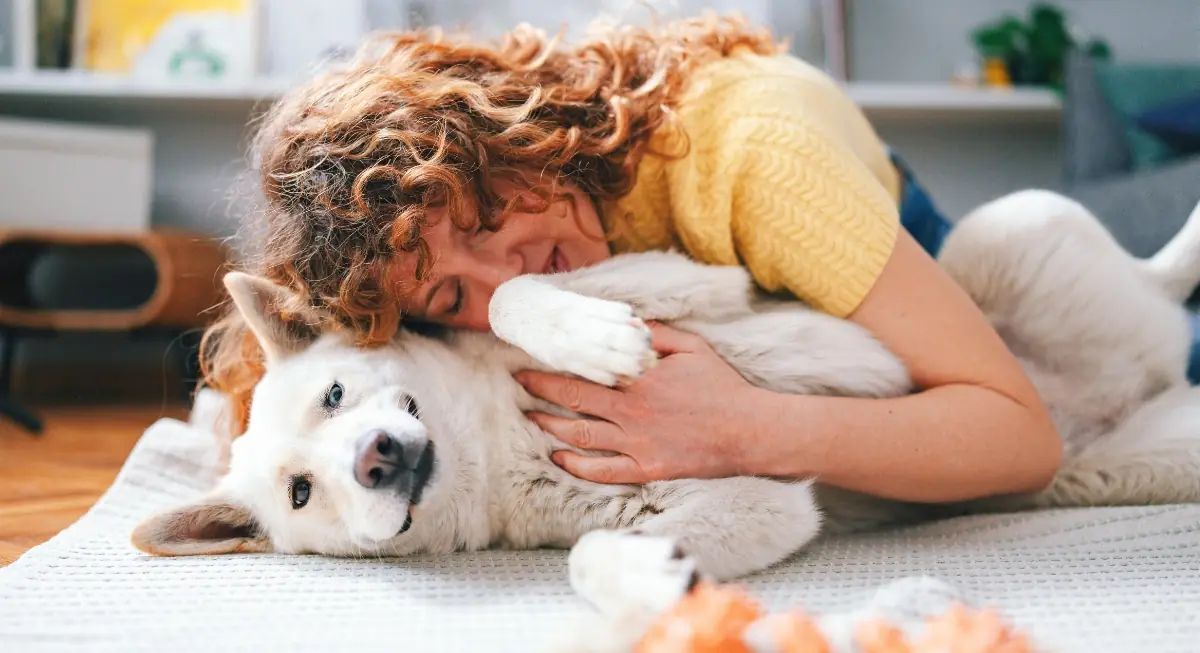
Pets have learned how to get exactly what they want, and most of the time, you don’t even realize it. Those guilty looks and dramatic yawns near an empty bowl are not accidents. Over time, cats and dogs have learned how to manipulate human behavior in their favor. Here are 10 ways they’re subtly running your household.
The “I Didn’t Hear You” Routine
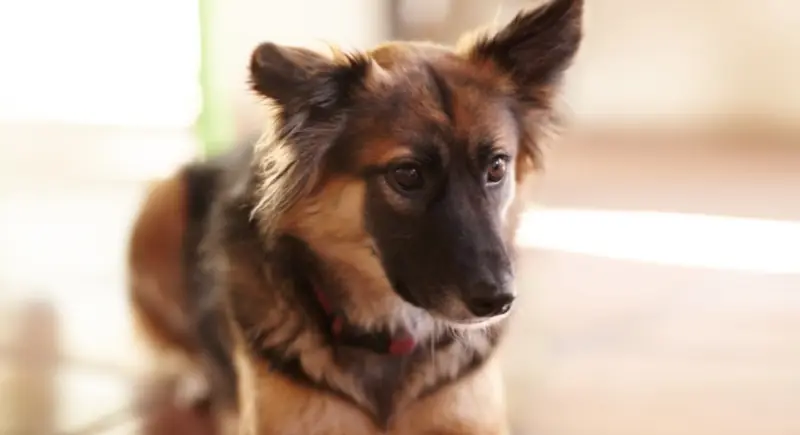
A dog may ignore being called in from the backyard, but come running the moment a snack bag rustles. Researchers at the University of Sussex have found that dogs selectively process certain words and vocal tones. If the word benefits them, they tune in.
Pretending to Need Help
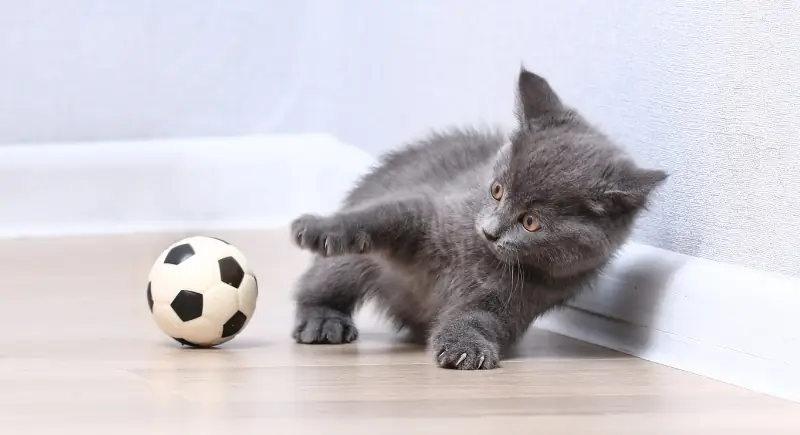
A cat might suddenly act like it can’t reach a toy under the couch or stop at the bottom of the stairs, waiting to be lifted. They’ve figured out that humans are more likely to offer attention or treats when they appear helpless. It’s a behavior built on cause and effect.
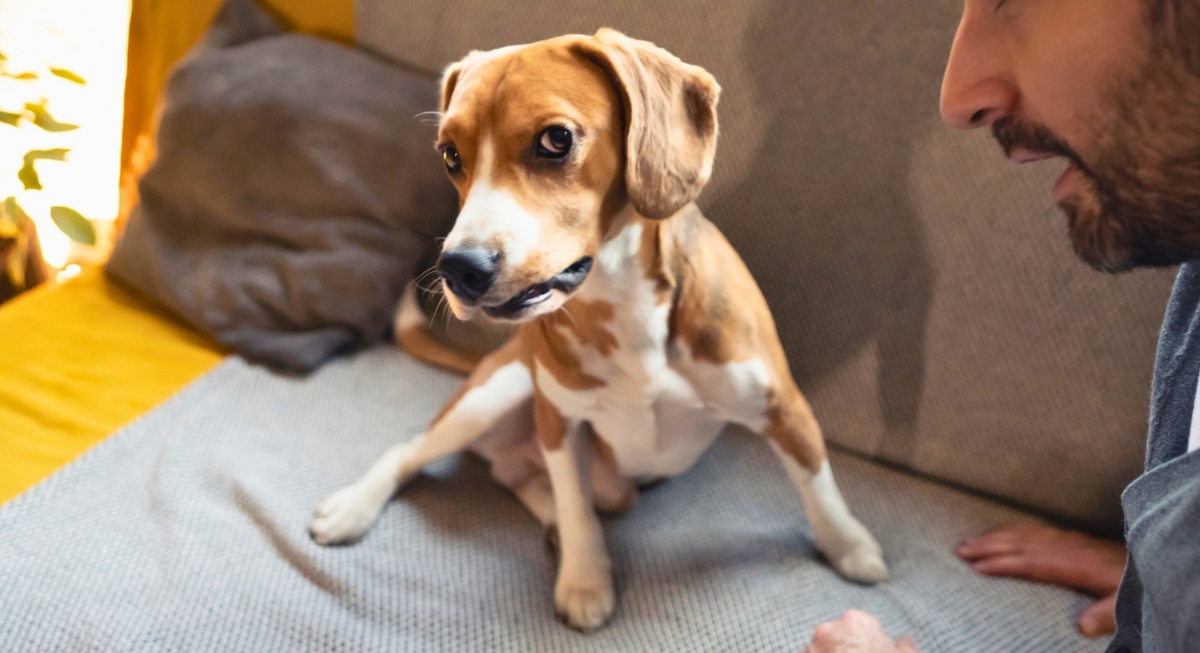
Acting Sad for Cuddles
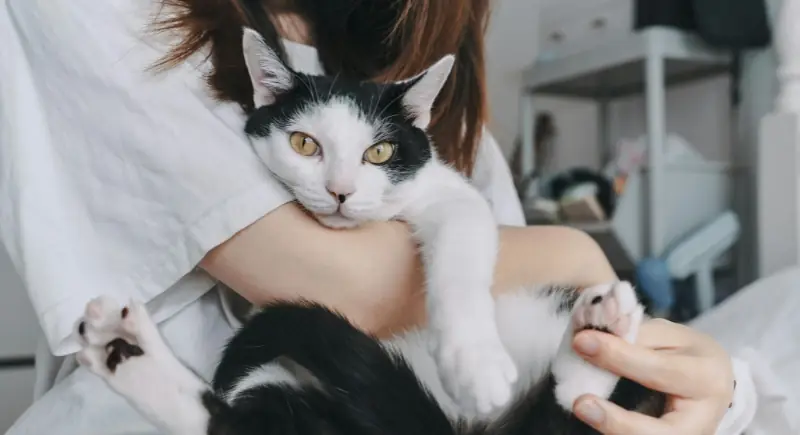
Pets know how to signal sadness to trigger human empathy. A 2017 study in Scientific Reports found that dogs change their expressions more when people are watching. It’s social awareness at work. You feel guilty, you offer comfort, and your pet gets exactly what they wanted—extra affection.
Waking You Up on Schedule

The early-morning nudge is often timed perfectly around their stomach. Pets are creatures of habit, and when they associate a certain hour with food or cuddles, they make sure you stick to it. Over time, your body adapts, and they no longer have to ask.
Affection Right Before Feeding Time
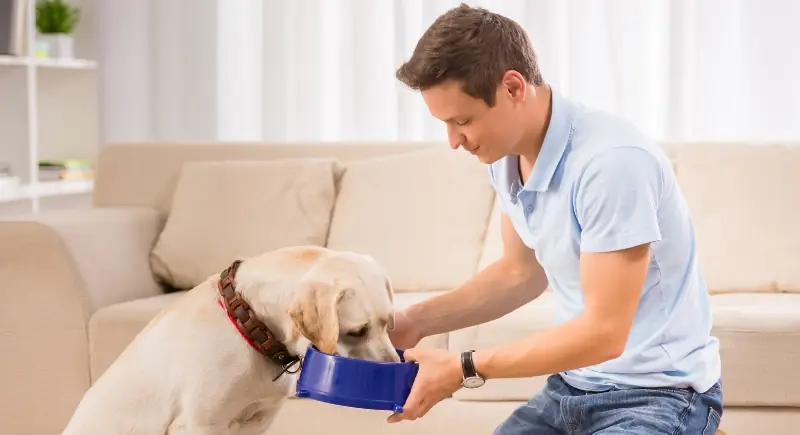
A study published in Current Biology found that cats use a specific purr embedded with a higher-pitched “cry” element to trigger feeding behavior in humans. It sounds similar to a baby’s distress cry, and it works. You’re emotionally wired to respond.
Double-Dipping Meals

Dogs are notorious for playing both sides of a household. They’ll eat dinner with one person, then pretend to be starving when another person walks in. Without synced communication between household members, pets exploit the gap.
Interrupting Work on Purpose
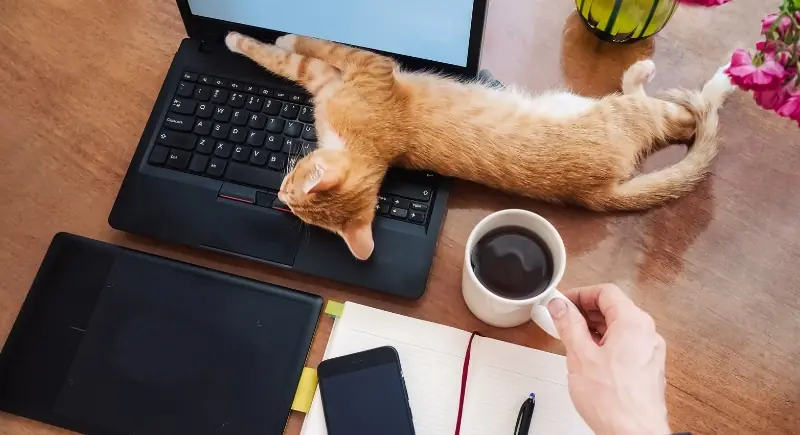
Pets learn quickly that interrupting your focus guarantees attention. They adapt based on results. When your pet flops across your laptop and you stop working to pet them, they’ve trained you.
Drawing Out Walks with Strategic Sniffs
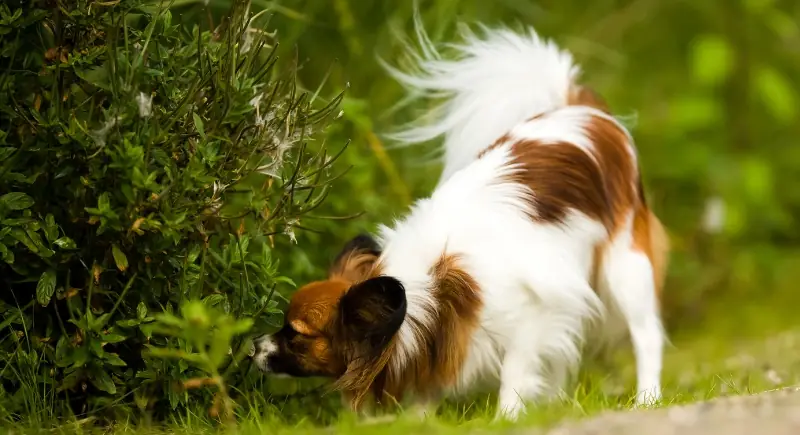
Dogs pause to sniff the same tree for what feels like hours, subtly controlling the walk’s pace. By delaying movement, they extend their time outdoors. Over time, you stop pulling the leash and start waiting. They’ve flipped the dynamic.
Creating Guilt When You Leave

Many pets sit near the door or look away dramatically when you’re about to head out, and that’s behavioral conditioning. The sad face ensures a reward when you return—treats, attention, maybe a longer play session.
Overreacting to an Empty Bowl
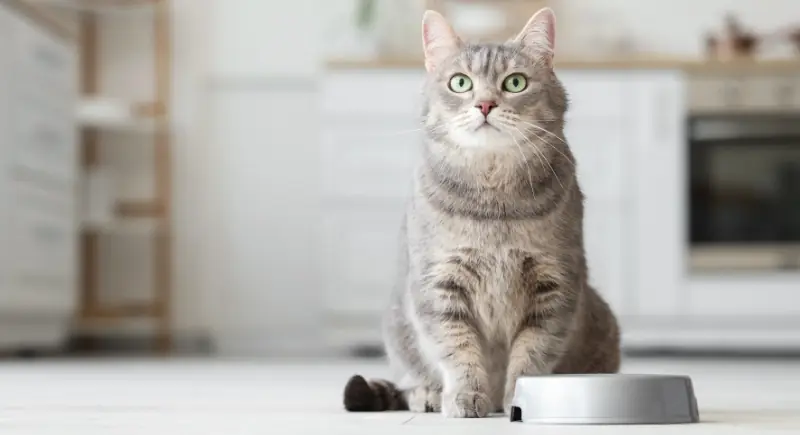
Even if they just ate, some pets act like their food bowl hasn’t been filled in years. Cats might sit beside it and meow loudly. Dogs may nudge it or sigh heavily. Pets learn that dramatic displays often lead to bonus snacks. Their performance gets stronger every time it works.