One of the best uses of the internet is its ability to achieve instant joy through adorable animal pictures. Pets of the Week exists for exactly that reason: to spotlight lovable cats, dogs, and other companions whose photos and stories offer a brief, welcome break from everyday routines. Having said that, here are some adorable animals from this week’s pets.
Atlas
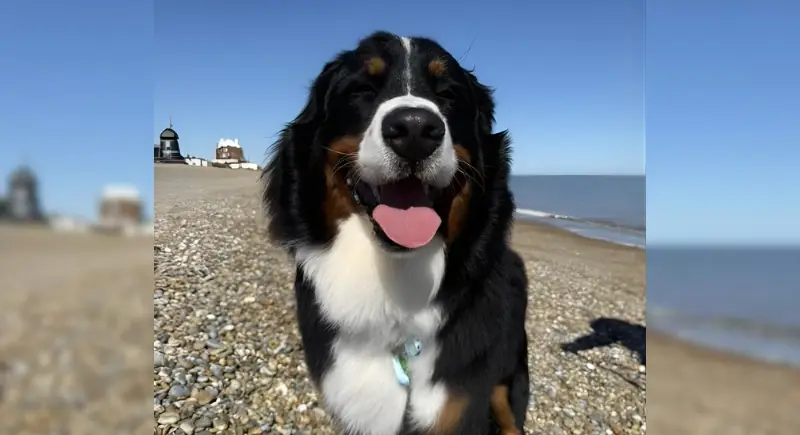
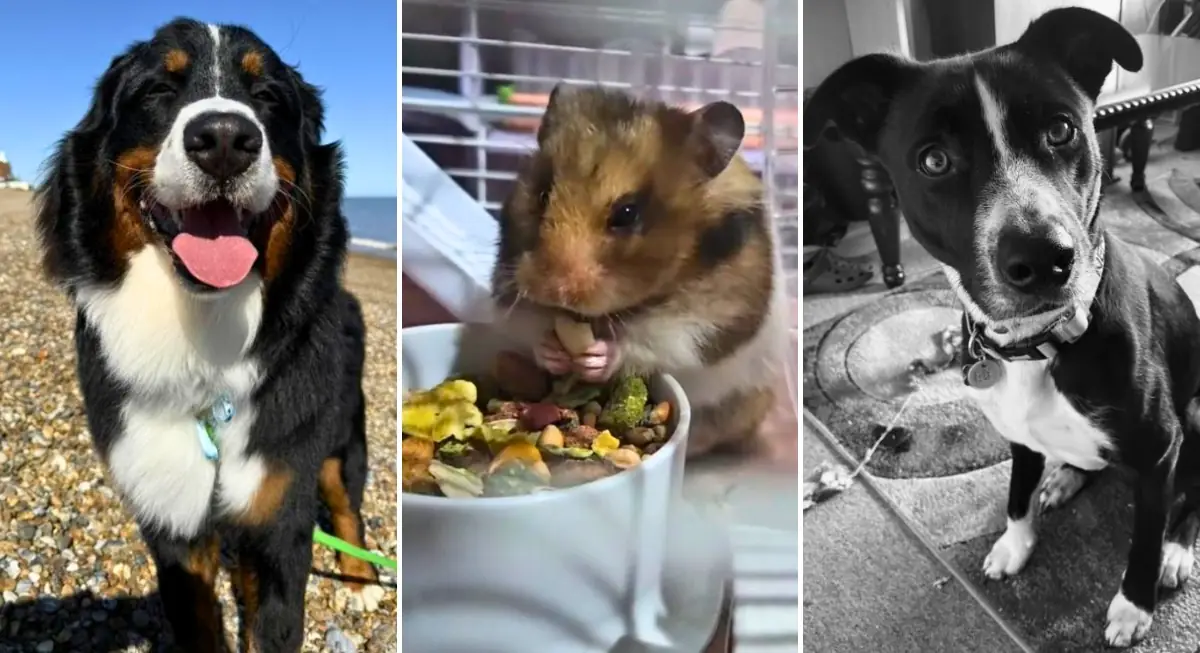
Big dogs often get mislabeled as either lazy or hyper. Atlas from Ipswich sits somewhere in between. Bernese Mountain Dogs were developed for farm work in cold regions, where endurance and tolerance were favored over speed. That background influences how the breed typically navigates daily life.
Sky
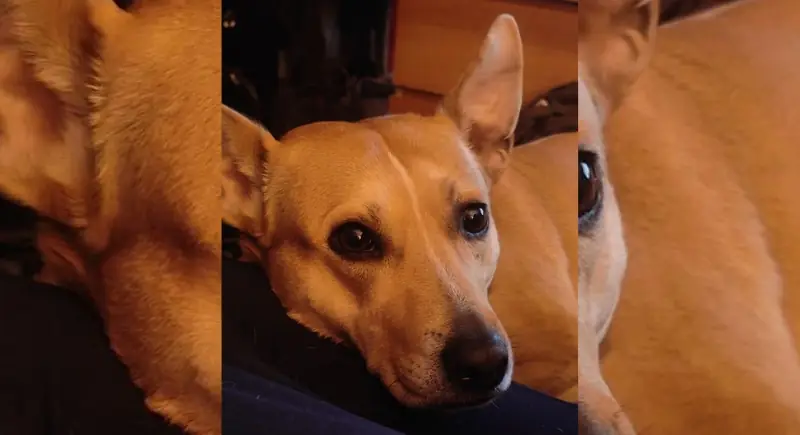
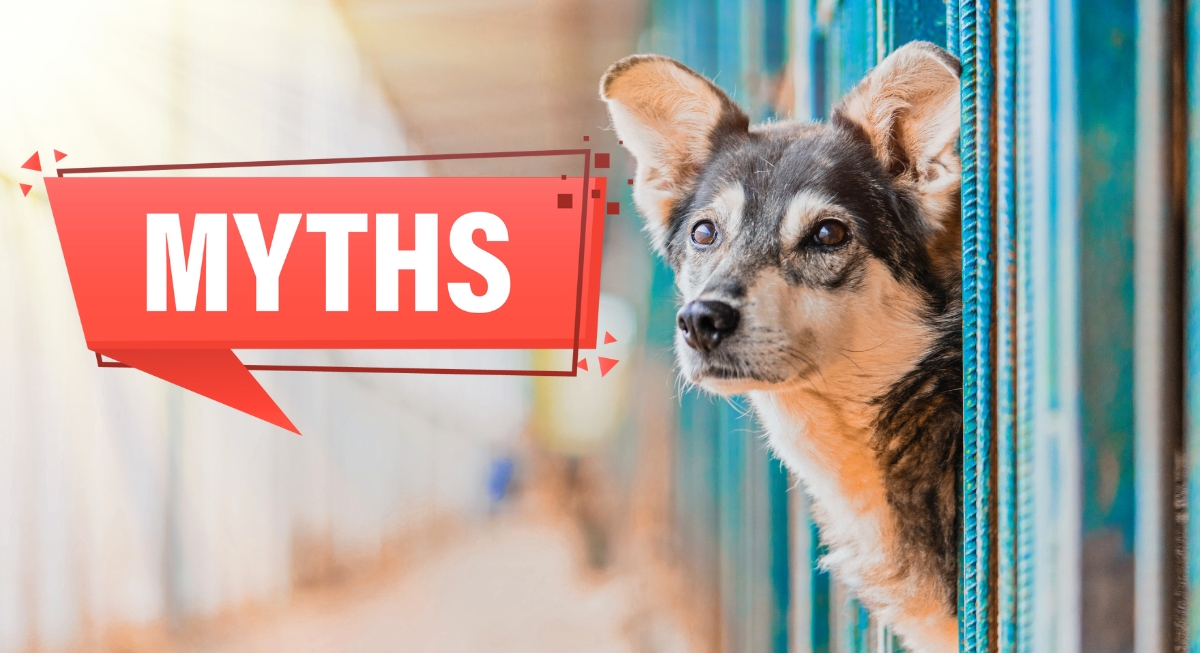
Ears change how a dog’s face reads to people. Sky’s upright ears give a constant look of attention, even in stillness. While the photo can’t show what she hears, the shape of the ear itself developed around sound detection and directionality.
Cooper
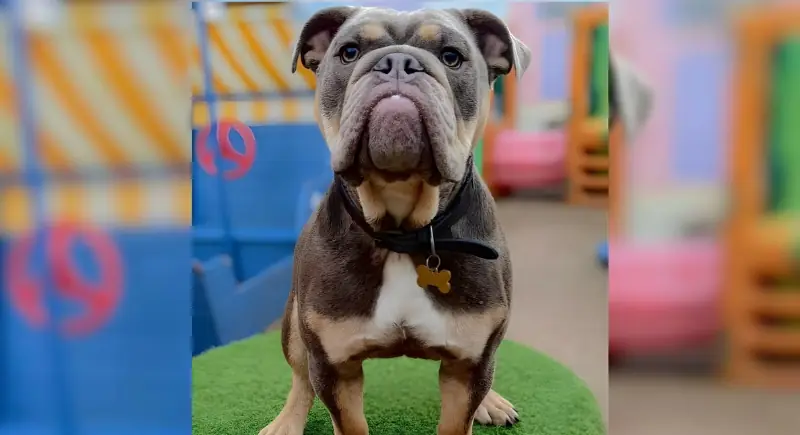
The unmistakable face of Cooper the British Bulldog comes with a surprisingly complex backstory. Earlier Bulldogs were taller and far more athletic, bred for endurance rather than compact charm. Over time, selective breeding reshaped the look, which is why modern Bulldogs now require extra care around breathing, heat, and exertion.
Eddie
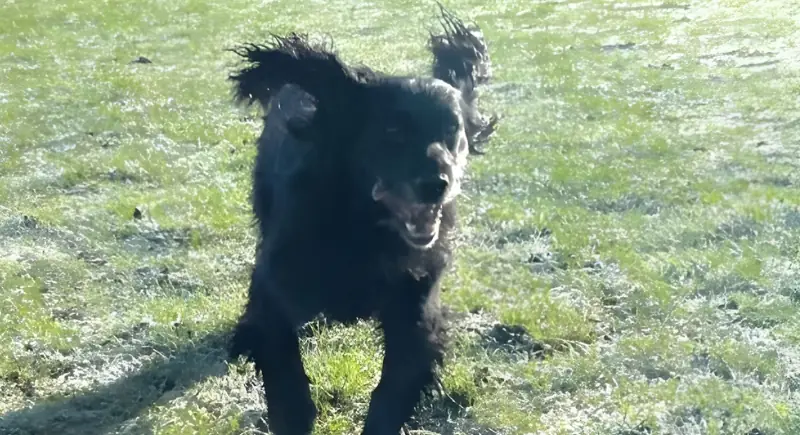
At 11 years old, Eddie from Ipswich clearly hasn’t lost his enthusiasm for movement. This photo captures a moment of full-speed joy, ears flying and focus locked forward. Senior dogs don’t stop enjoying bursts of activity, even as their needs shift. Age changes how often and how long those moments happen, not whether they still matter.
Ronald
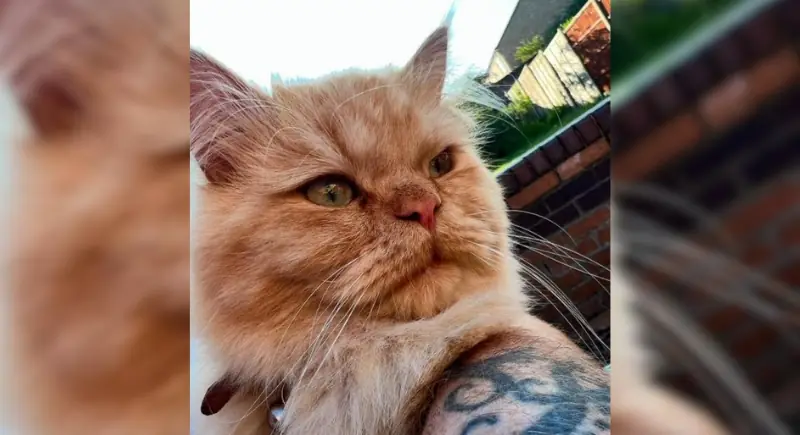
Ronald from Stoke has the kind of face that makes people pause for a second look. His thick fur, broad muzzle, and calm expression give him an imposing presence in this photo. He almost looks like the cat version of a motorcyclist.
Biscoff

Small pets are often described as simple or low-maintenance, but their routines are anything but random, especially for hamsters like Biscoff. Feeding habits tend to follow consistent patterns, with careful handling and pacing that owners learn to recognize over time.
Fido
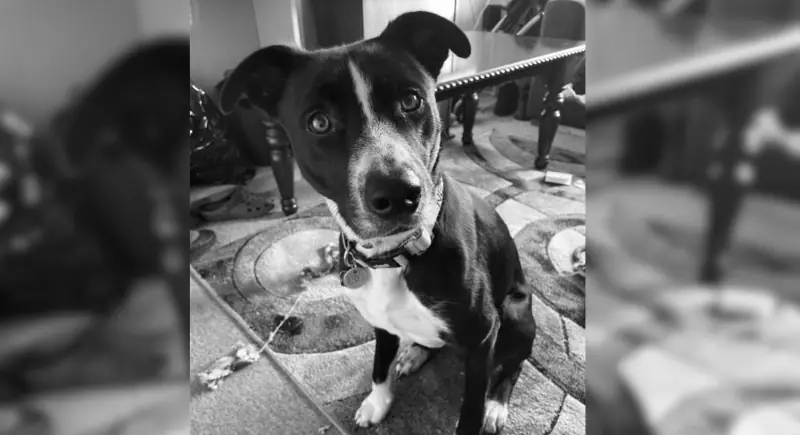
Mixed-breed dogs like Fido from Woodbridge tend to defy expectations. Without a single lineage to point to, traits show up in combinations that surprise owners over time. Canine genetics research suggests that diversity can influence health and behavior in uneven ways.
Molly
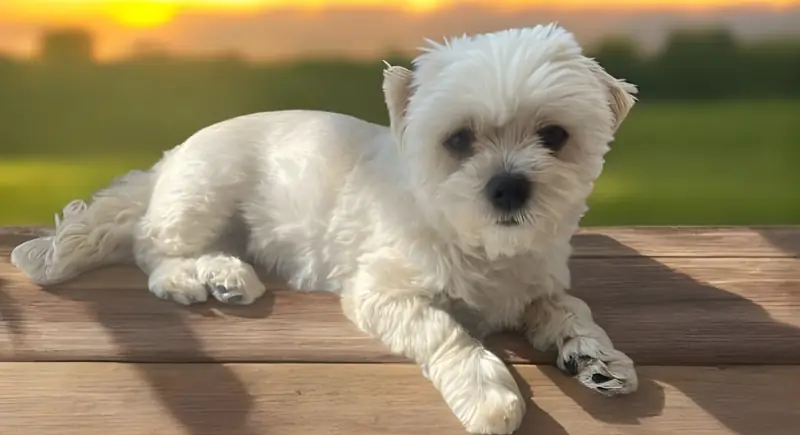
Small companion dogs love to be around their people, especially mixes bred primarily for company rather than work, like Molly. Morkies combine two breeds, the Maltese and Yorkshire Terrier, that have long been valued for their closeness to people.
Dusty

Long ears and bright expressions are more than decorative features for dogs like Dusty the Cocker Spaniel. The breed was originally developed for scent work, and those ears help trap ground scents close to the nose. Their history explains why young Cockers often pause mid-walk to investigate smells humans barely notice.
Mimi
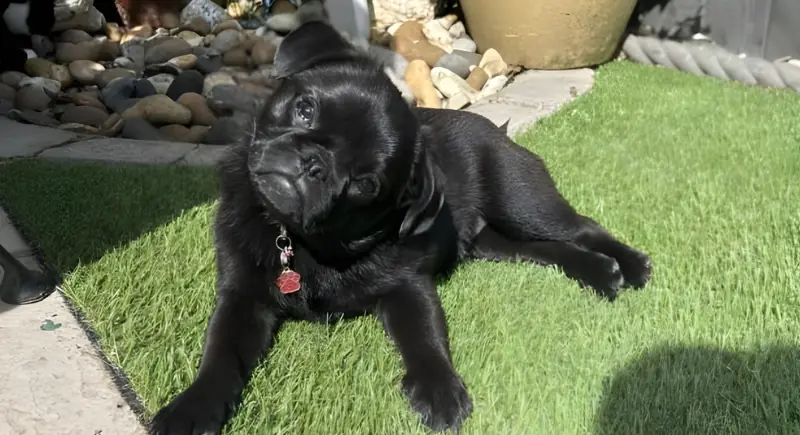
Compact builds like Mimi the pug’s come with a surprising emotional advantage. Pugs were bred primarily for companionship rather than work, which shaped their sensitivity to human attention and routine. The focus helps explain why they often prefer staying close rather than roaming, even in busy households.