Three tracker patterns (and one boring setting) that can explain the weird combo of lower movement and picky eating.
The three-number check I do before I change food
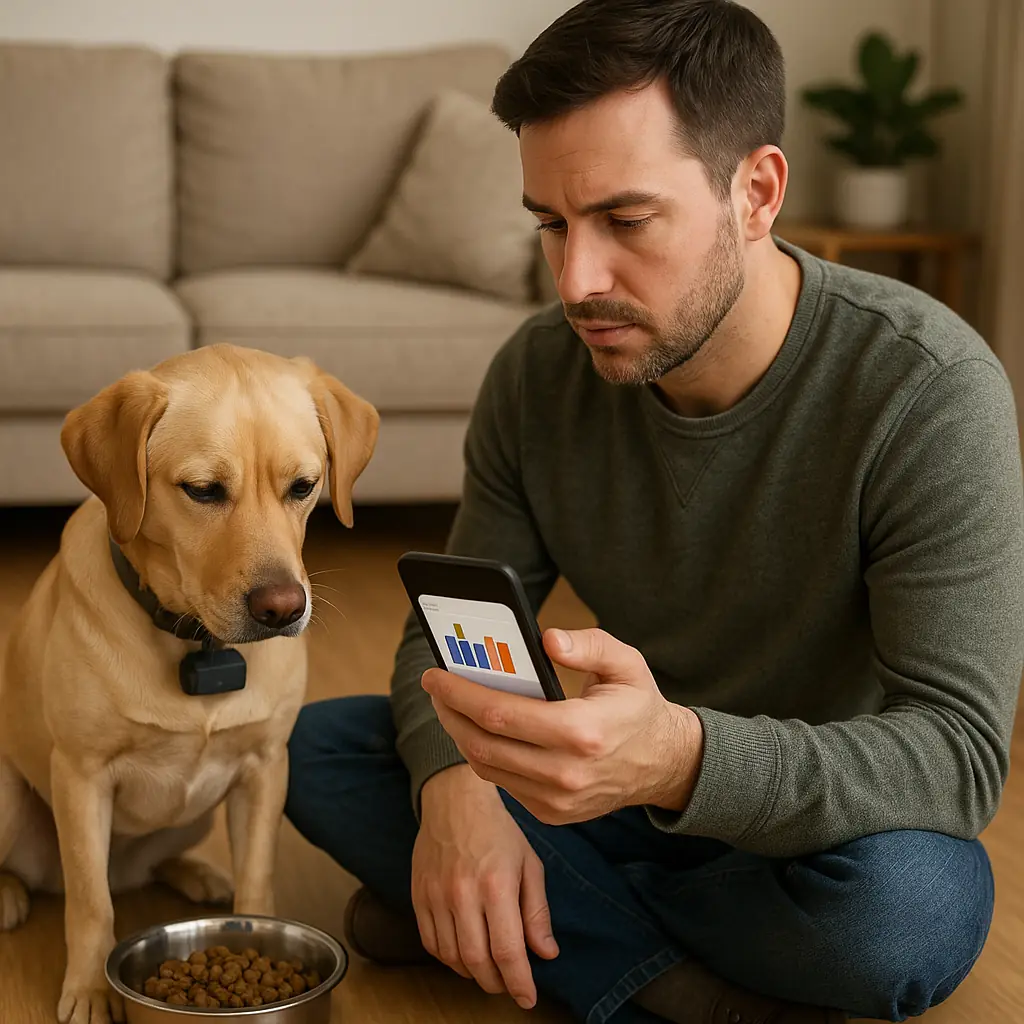
I learned the hard way that I can talk myself into a food switch based on one dramatic chart. The day-to-day truth is usually hiding in three numbers most pet activity trackers surface in some form: total activity, rest/sleep, and the intensity or “active minutes” slice (FitBark calls it points; Whistle and Tractive slice it a little differently, but the idea is the same). Here’s the quick check I do when appetite and movement both shift and I can’t tell if it’s a phase or a flag.
1) Compare today to your own 14-day baseline, not to the app’s idea of normal. If my dog’s activity is down 20% but the rest chart is flat, I’m less impressed. If activity is down and rest is up, now I’m paying attention. I want direction across a couple weeks, not one moody Tuesday.
2) Look for intensity collapse. The most telling pattern for me isn’t “fewer steps,” it’s when the high-intensity chunk disappears. A dog can still follow you around the kitchen and rack up low-level movement while skipping the usual bursts that make them feel hungry later.
3) Match it to when the bowl got weird. I’ll pull up the timeline and ask: did the picky eating start after the intensity drop, or before it? If the appetite change leads, I start thinking nausea, dental discomfort, or stress. If the activity change leads, I start thinking soreness, heat, or something making movement less comfortable.
I’m not diagnosing anything from a graph, but this three-number check keeps me from doing the classic human move: changing three variables at once, then staring at the bowl like it owes me answers.
Your collar fit can fake a behavior change
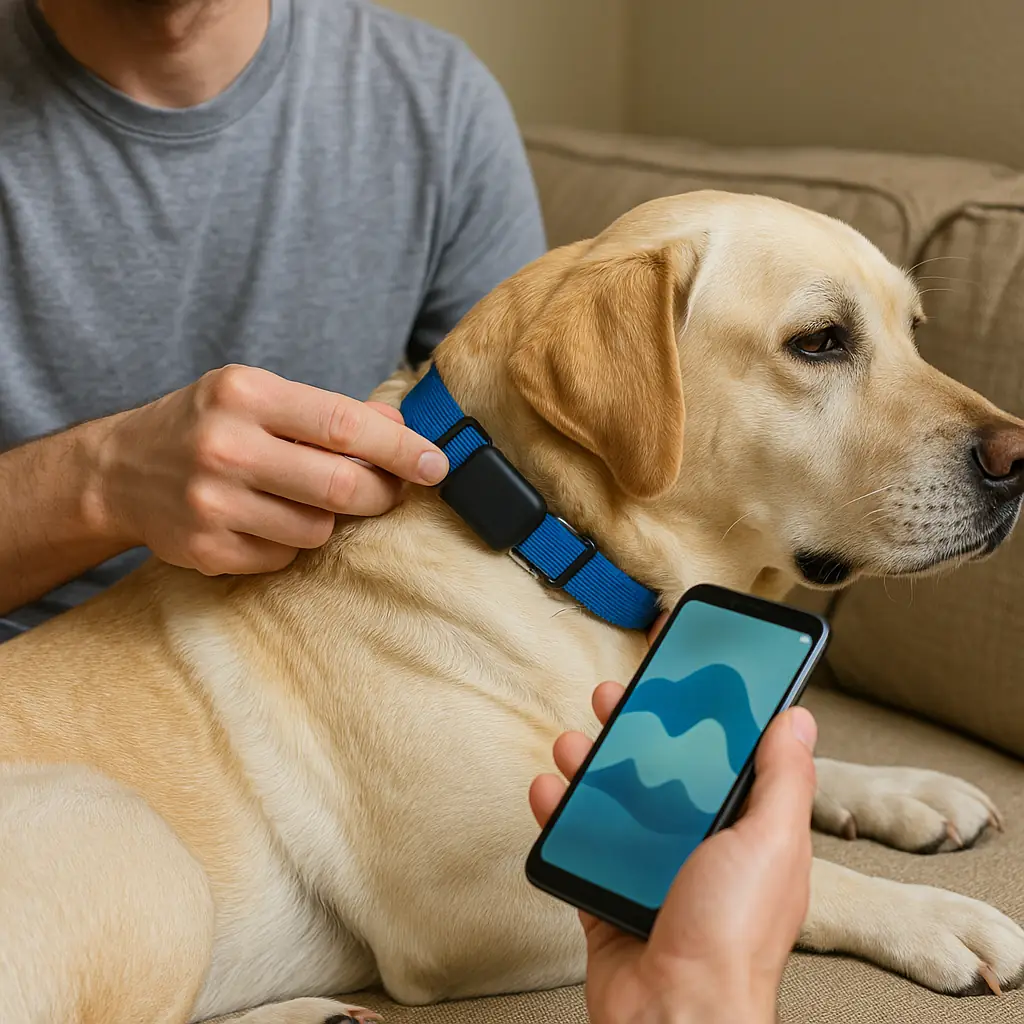
When people say trackers are inaccurate, half the time they mean, “I forgot I moved it.” If your pet’s appetite is wobbling and the tracker is suddenly reporting a couch potato, do the boring physical check first because it can save you a whole spiral.
Most of these devices assume a consistent orientation. If the module flips under the collar, or slides from the top of the neck to the side, it can undercount movement or misread scratching as activity. I’ve seen it after a grooming appointment (new collar, different thickness), after switching to a martingale, and during that awkward week when my dog dropped a little weight and the collar wasn’t sitting the same. The chart looked like a personality change. It wasn’t. It was hardware.
What I do: I put the tracker where the brand intends, then I tighten the collar to a proper fit. Two-finger guidance is fine as a starting point, but I also do a quick shake test: if I can rotate the collar and the tracker module keeps drifting to the underside without much effort, it’s too loose for reliable reads. If your device uses a separate mounting bracket, check the bracket’s teeth or clip points. Those little plastic nubs wear down, and the module starts walking around the strap.
Then I sanity-check with a known event. Toss a ball for two minutes, or take a brisk lap around the block at the same pace you always do. If the tracker logs almost nothing, don’t interpret the appetite change through that data until you fix the fit. And if the fit is fine but your pet is chewing at the collar or rubbing the neck, that discomfort alone can change both movement and eating. In that case I’ll give the neck a break, swap to a harness for walks, and relocate the tracker if the system allows it. Data’s only as good as the spot you stick it.
The pattern that makes me call the vet sooner
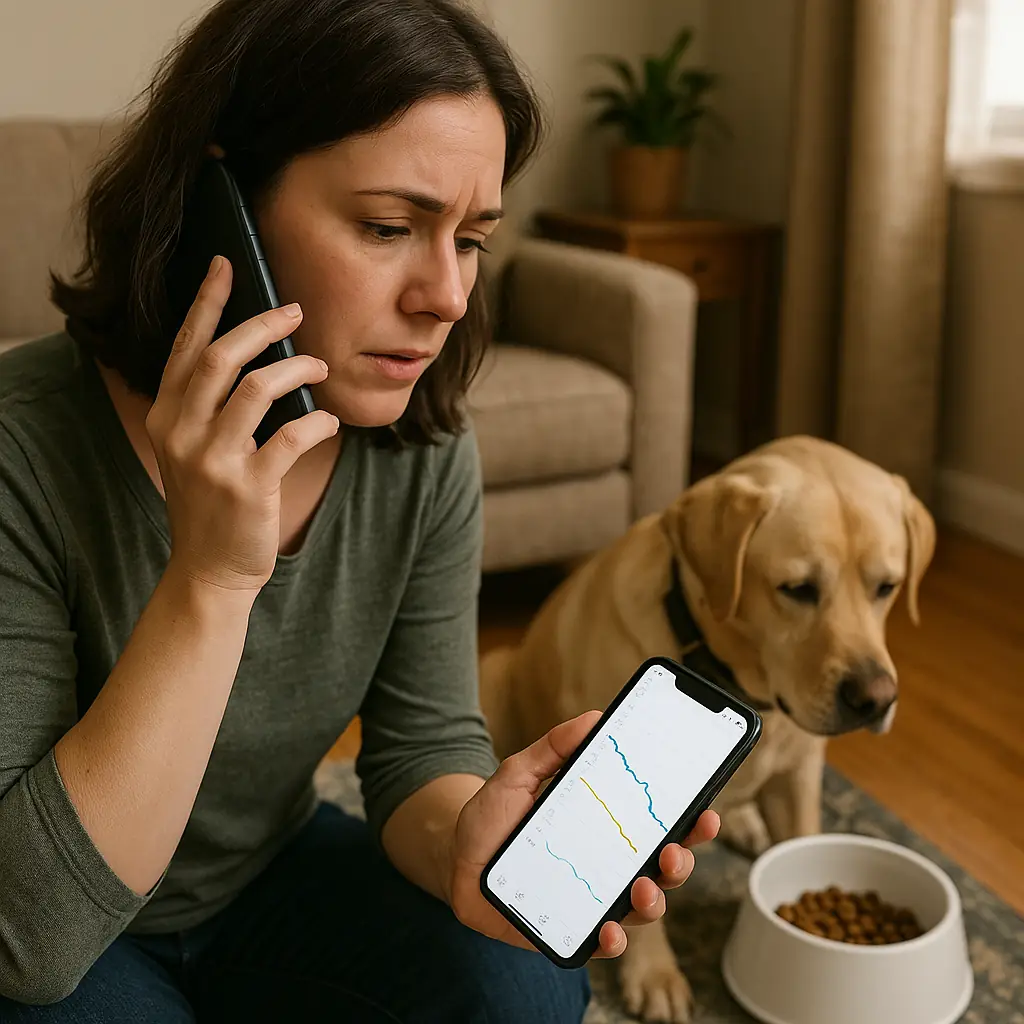
I’m not a panic caller, but there’s one tracker pattern that changed how fast I pick up the phone: a smooth, boring decline. Not the obvious “we hiked all weekend so Monday is quiet” dip. I mean a slow step-down across 5 to 10 days where activity trends down, rest trends up, and the high-intensity slice thins out like someone is turning the volume knob lower every day. When that lines up with an appetite shift, I stop trying to solve it with food toppers and start treating it like a comfort problem until proven otherwise.
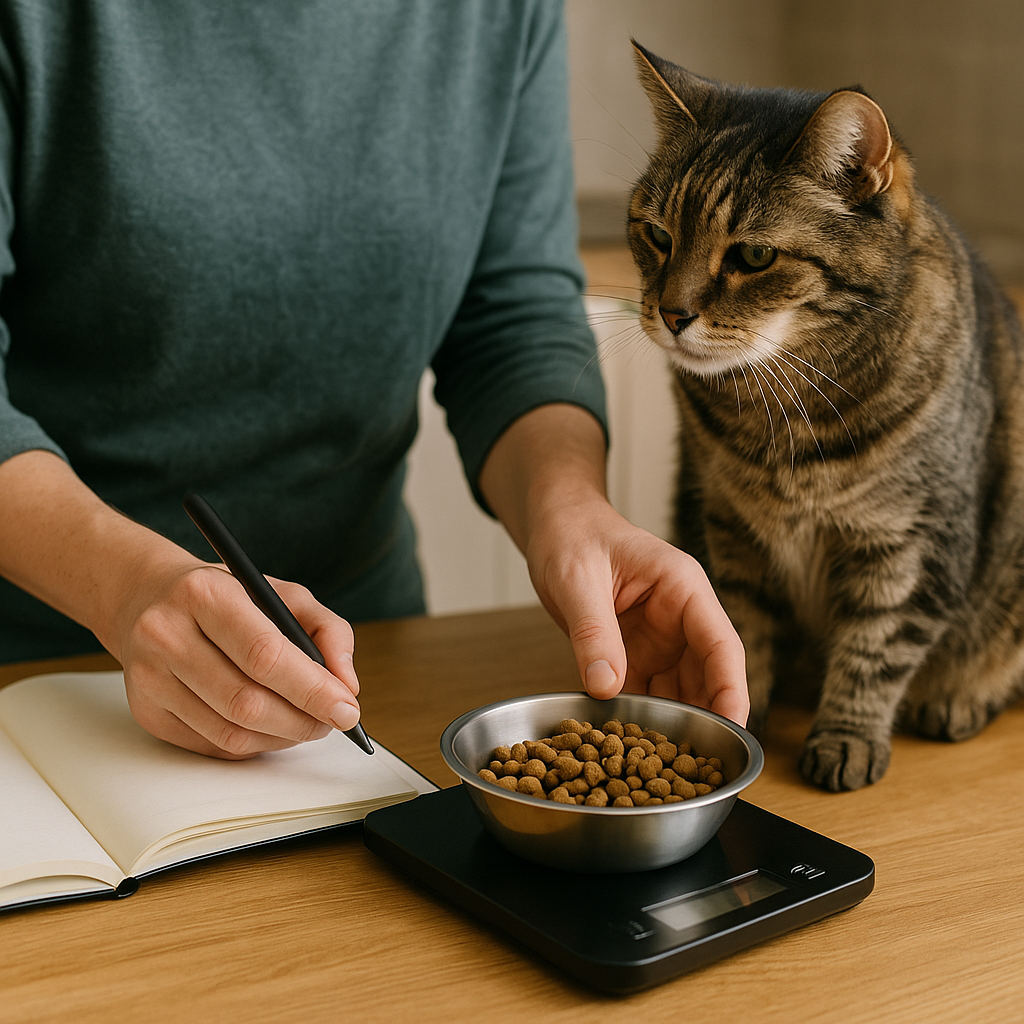
Here’s how it usually shows up in my house. The bowl behavior changes first in tiny ways: slower approach, sniff-and-walk-away, leaving the last third. Then the movement changes in a way that’s easy to miss in person because your pet is still “with you.” They’re still following room to room, still showing up for the leash, still begging if you open a cheese drawer. But the tracker is quietly telling you the pep is gone. When I see that combination, I start a short log in my notes app with three lines: appetite (percent eaten), any vomiting/diarrhea, and one sentence about energy on walks.
If it’s mild and my pet is otherwise normal, I’ll book a routine appointment and bring screenshots. Vets don’t need every chart, but they do appreciate a clear picture of trend and timing. What I won’t do is pretend a device can rule anything out. A normal-looking chart doesn’t mean nothing is wrong, and a weird chart doesn’t tell you what the problem is.
What the tracker is good for is confidence. If you’re thinking, “Am I imagining this?” and the data shows a steady slide plus appetite change, you’re not imagining it. That’s when I’d rather be the slightly annoying person who calls early than the person who waits until my dog fully quits eating and the story gets harder to untangle.