A small weight shift plus a new nap schedule can point to teeth, thyroid, or just food that needs a softer landing.
The weekly weigh-in that catches the quiet slide
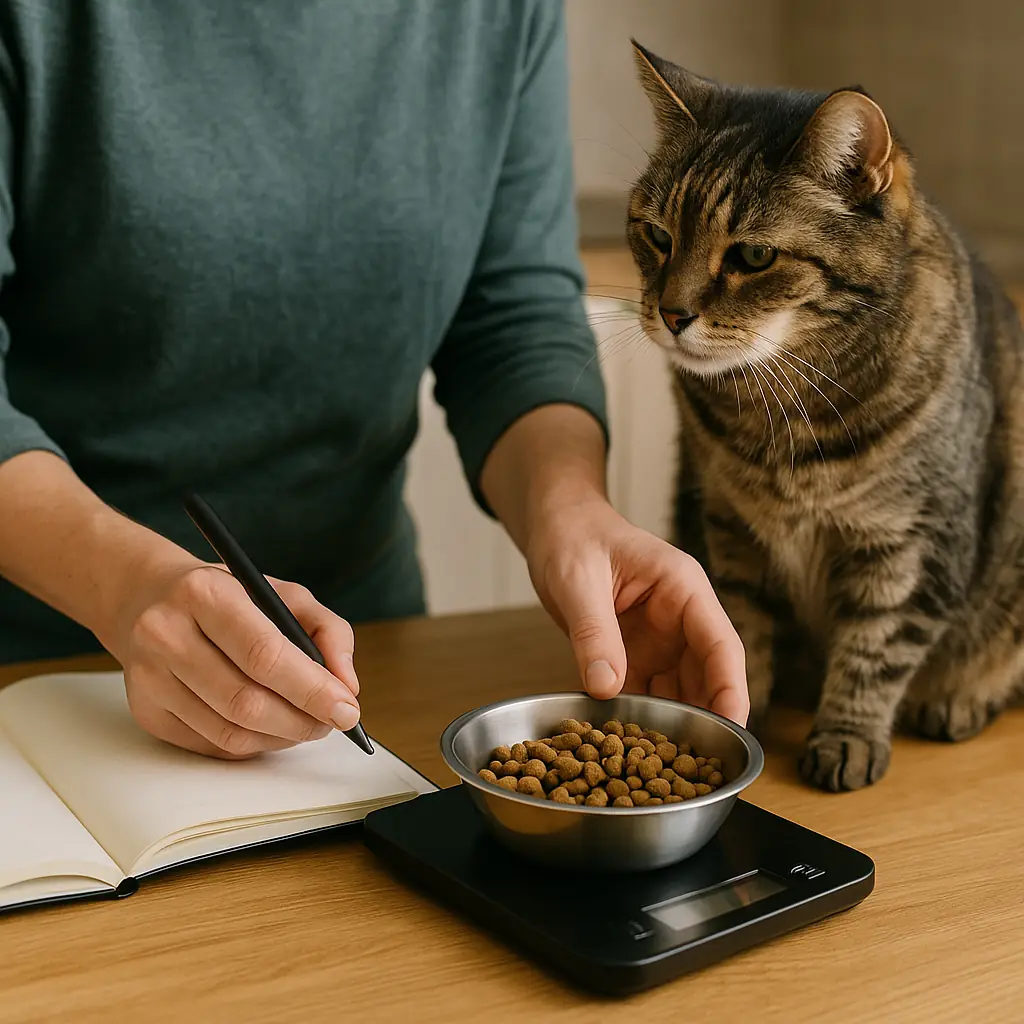
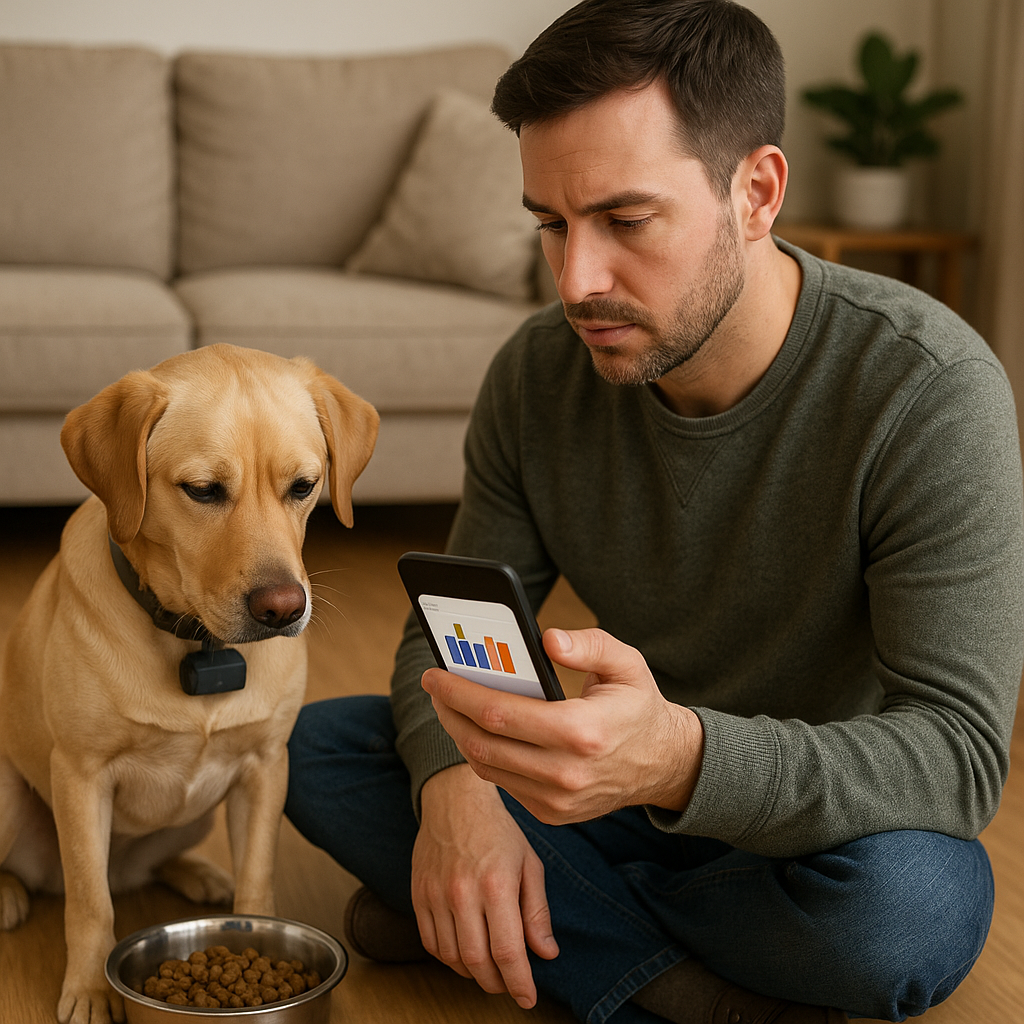
I didn’t start weighing my senior pet because I’m obsessive. I started because the food bowl lied to me. Some days it looked like they barely touched breakfast, other days it was spotless, and I couldn’t tell if I was seeing a trend or just the normal weirdness of living with an animal who might decide to eat after their 11 a.m. nap. The thing that gave me a straight answer was a kitchen scale and a notebook, once a week, same time of day.
Here’s the routine that stuck: I weigh them on my bathroom scale (me holding them, then me alone, subtract), then I weigh the food. If you’re feeding kibble, weigh the day’s portion in grams and keep it in a lidded container. If you’re doing wet food, weigh the can portion you actually serve. A tablespoon here and there adds up, especially when you’re switching to a senior formula or trying to keep weight on without overdoing it. I like grams because it’s unforgiving in a good way. My measuring cup was generous when it wanted to be.
What I’m watching for isn’t drama. It’s the quiet slide: a half-pound down that stays down, or a steady inching up even though their activity is lower. Either one can change what you do next. If weight is dropping and appetite looks fussy, I start thinking mouth first. Older pets will keep showing up to the bowl even when chewing hurts, then back away and circle like they forgot what they wanted. That’s when I swap crunchy meals for softened kibble (warm water, 10 minutes) or a wetter texture and call the vet about teeth. If weight is climbing while they’re sleeping more and moving like the floor is colder than it used to be, I tighten portions before I start adding supplements or treats out of guilt.
The bonus detail nobody told me: once you weigh the food, you can stop arguing with yourself about whether you “already fed them.” The container is either lighter or it isn’t. That alone saved my household from the accidental second dinner situation.
When enthusiasm drops but begging goes up
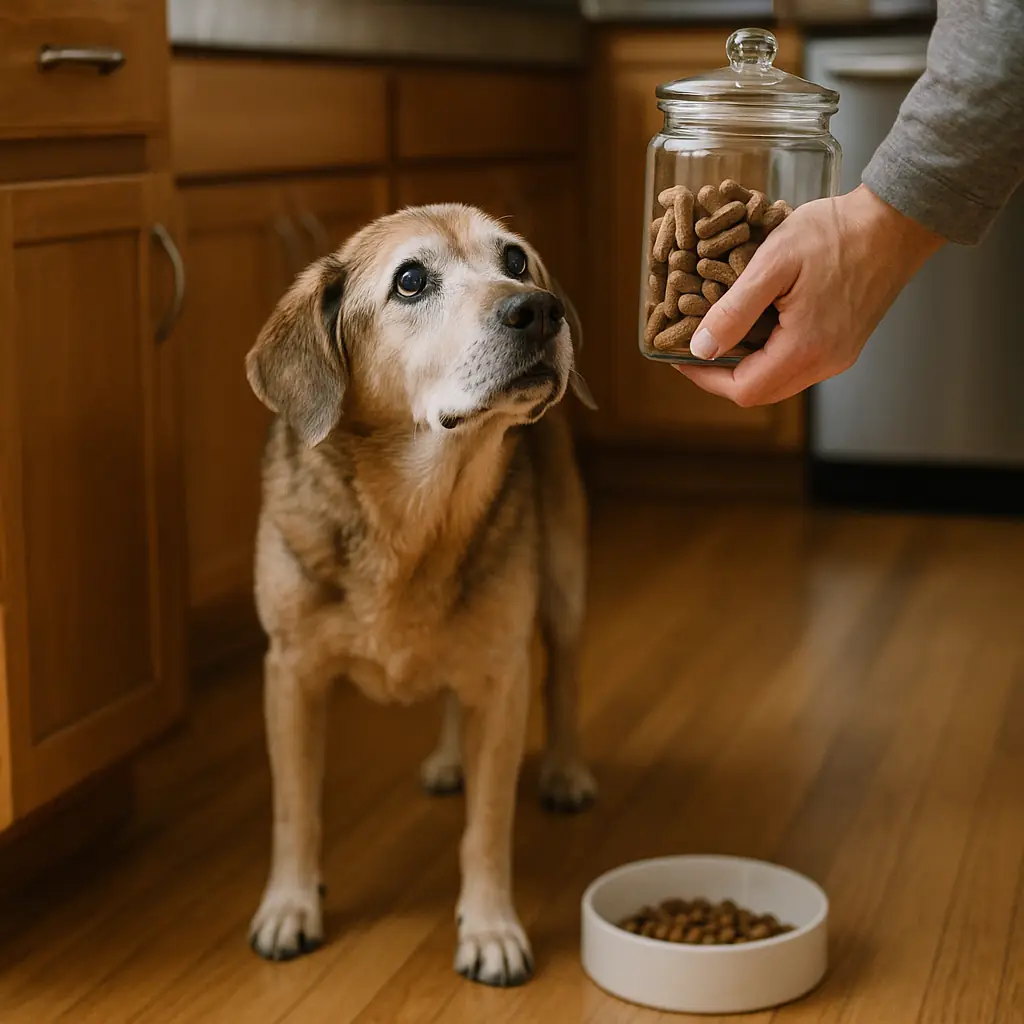
This is the pattern that messed with my head the first time I saw it: they got pickier at meals, moved less overall, and still acted like the treat jar was a moral obligation. If you’re dealing with an older animal, that combo can mean you need to adjust how calories arrive, not just how many.
Senior pets often shift into grazing behavior. They take a few bites, wander off, come back later. Meanwhile their activity budget is smaller: fewer zoomies, shorter walks, more standing and staring at you like they are waiting for the next scene to start. If you respond by leaving food out all day, you can accidentally create a steady drip of calories plus a pet who never arrives at the bowl hungry enough to eat a full, balanced meal. Then you add treats because they’re not eating much. Now you’re feeding the least nutritious stuff at the exact time their body needs the most support.
What worked for me was tightening the schedule without being strict in a way that made everyone miserable. I moved to smaller meals, more often, but with a clear beginning and end. Think: breakfast, a small lunch portion, dinner. For kibble, I sometimes use a slow-feeder bowl so the meal takes longer, not because it’s trendy but because it keeps them engaged when their energy is low and their appetite is inconsistent. For wet food, I warm it slightly by placing the dish in a larger bowl of warm water for a minute or two. It boosts smell, which matters when an older nose isn’t pulling as much weight. I don’t microwave a full meal because hot spots are real, and I don’t want them to get one mouthful that’s too warm and decide the whole dish is suspicious.
Now the treat issue. If begging ramps up but your pet seems sleepy and a little “stuck” getting going, I treat treats like a tool. I pick one low-calorie option and count it. For dogs, a few pieces of their own kibble can be treats. For cats, I break single-ingredient freeze-dried pieces into smaller bits so it’s more reward moments without turning into a second dinner. And if I’m adding anything new because I’m worried about nutrition, I loop the vet in rather than guessing. Older bodies don’t always forgive improv.
The nap map: activity changes that point to feeding changes
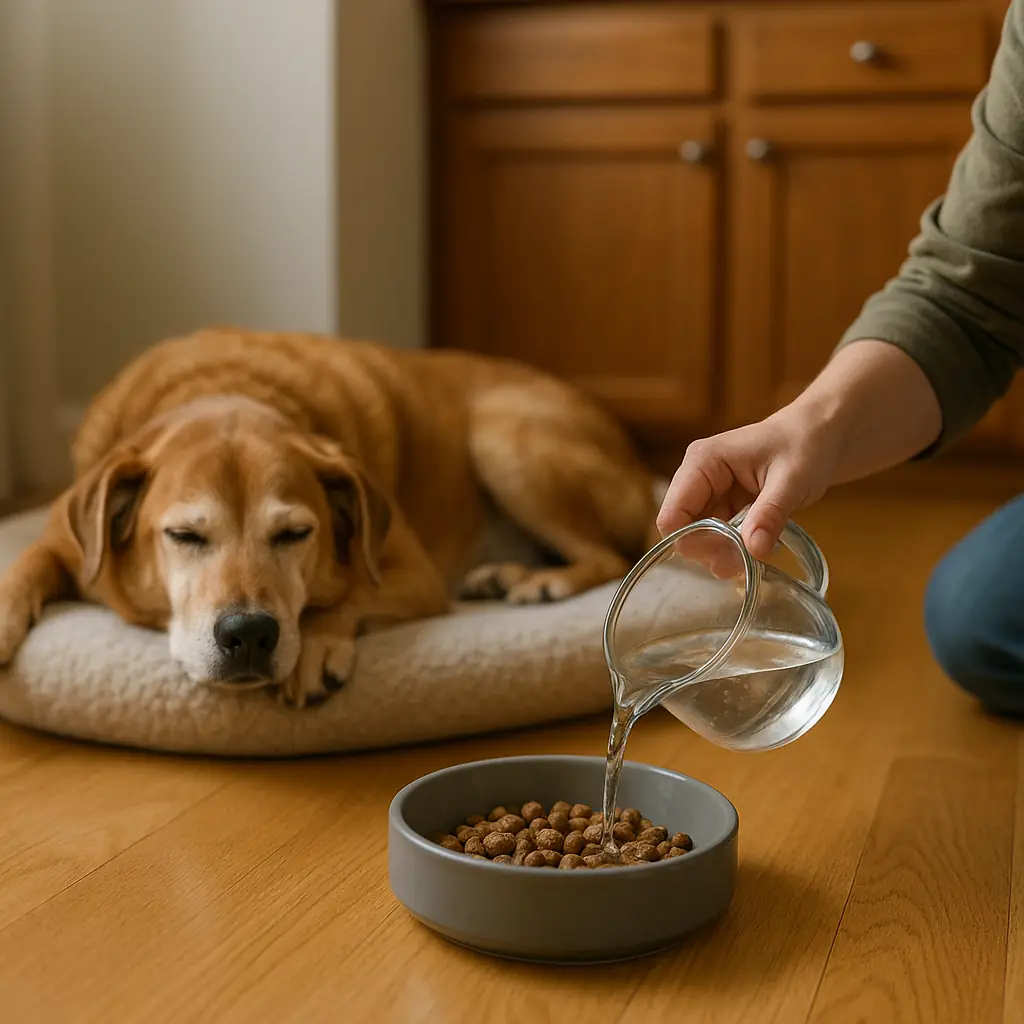
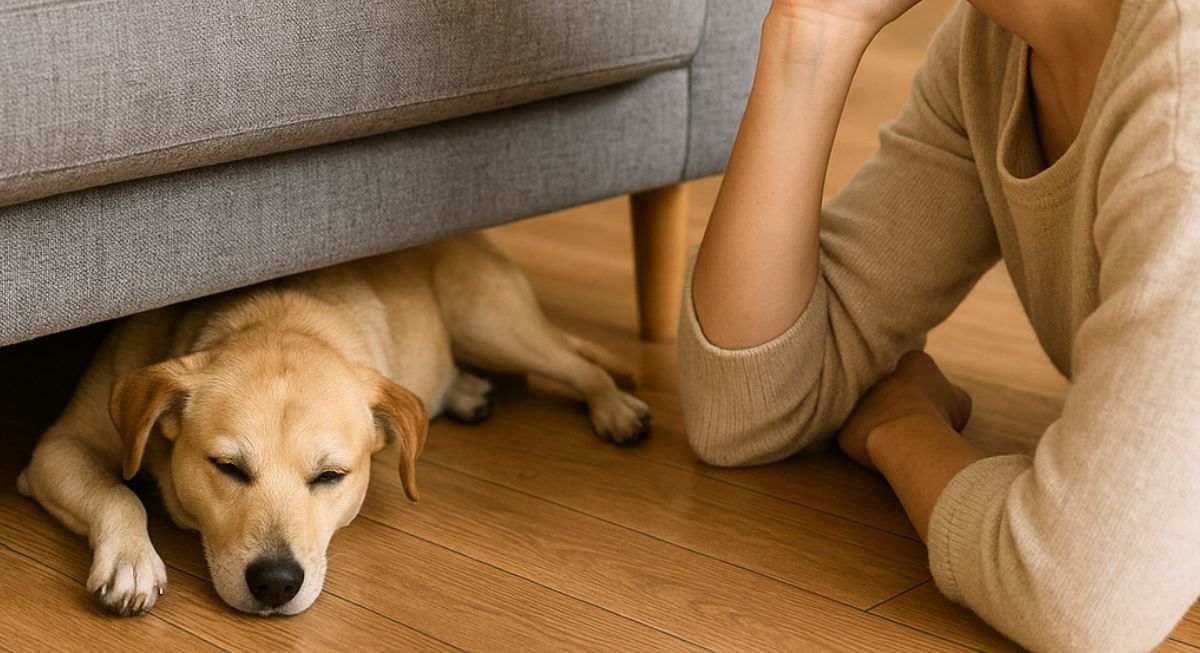
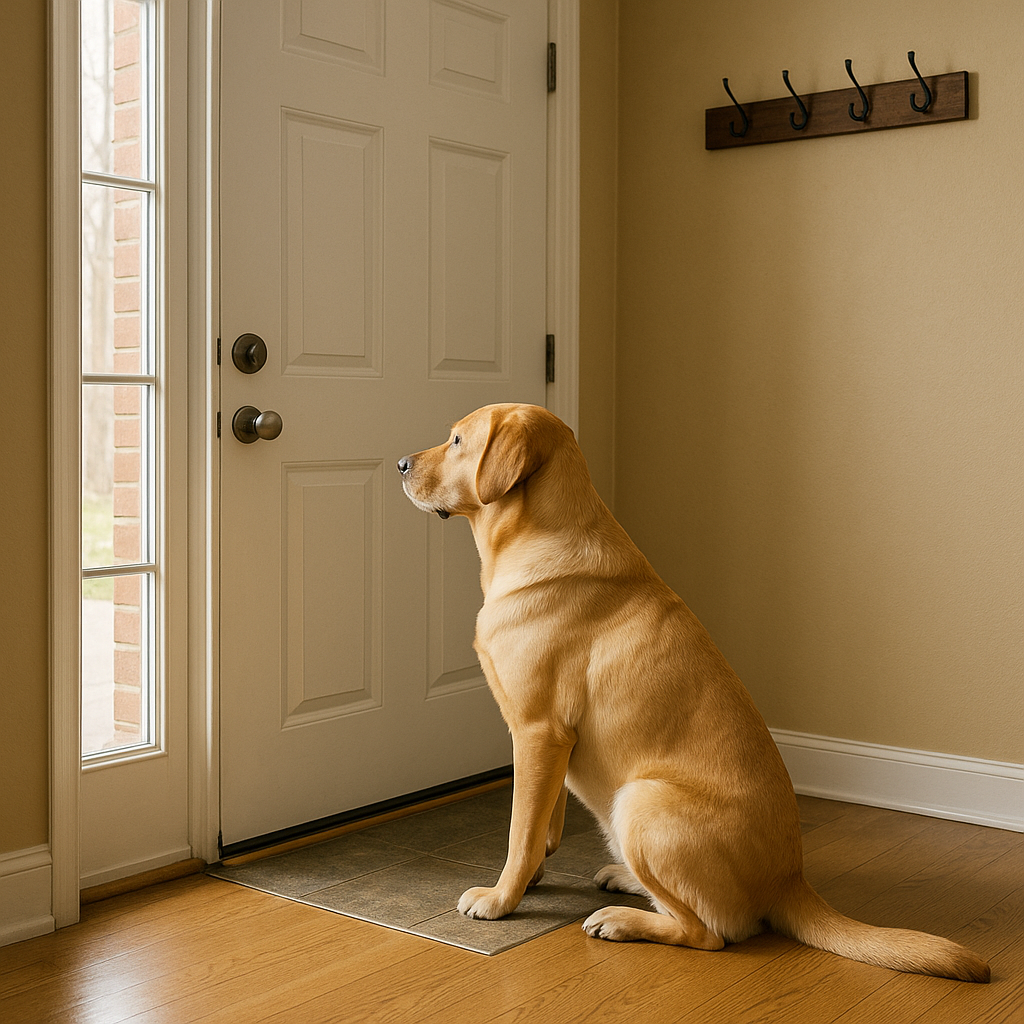
When my pet hit their senior phase, the biggest change wasn’t the gray on the muzzle. It was the daily geography. They stopped following me room to room and started choosing landing zones: one bed for the morning, one spot for the afternoon, and a late-evening collapse that used to be playtime. That shift in activity is a nutrition clue, especially when you’re deciding whether to change meal size, timing, or texture.
I call it the nap map. If they’re sleeping more but still popping up quickly for food, you might be looking at normal aging plus boredom. But if they’re sleeping more and the route to the bowl looks like work, that’s different. Watch the transitions: do they hesitate on slippery floors? Do they take a break halfway to the kitchen? Do they arrive, sniff, then eat only the soft pieces and leave the crunch behind? Those are the moments that made me adjust the food experience, not just the label on the bag.
Three feeding tweaks that matched what I was seeing:
Make water part of the meal. Seniors can get a little behind on hydration, and dry kibble doesn’t help. I started adding warm water to kibble and letting it sit until it’s slightly puffy. Same calories, easier chewing, and it smells stronger. If you’re feeding wet food, adding a tablespoon of warm water turns it into a looser texture that some older pets lap up when they’re not in the mood to chew.
Move the bowl like you’d move a chair for a stiff back. I didn’t buy a fancy feeder. I used a stable, wide container as a riser so they weren’t bending as much, and I put a textured mat under it so it didn’t skid. When they weren’t bracing themselves, they ate more calmly and stopped doing the two-bite, step-back routine.
Front-load calories earlier. My pet’s best energy window was late morning. Dinner got hit-or-miss because they were tired and wanted to sleep hard. So I nudged more of their daily calories into breakfast and lunch, then made dinner smaller. That aligned with their activity instead of fighting it.
If your nap map changes suddenly, or appetite and activity swing together in a way that feels off, that’s a vet conversation. I don’t try to diagnose from the couch. I just bring my notes: weight, how much they ate in grams, and what the day looked like. Vets love a clean pattern, and senior pets deserve decisions based on more than a hunch.