A long absence doesn’t just make them sad, it rewires the clockwork: door duty, nap timing, and the weird new 4:58 patrol.
The door-duty shift: who takes the watch, and when
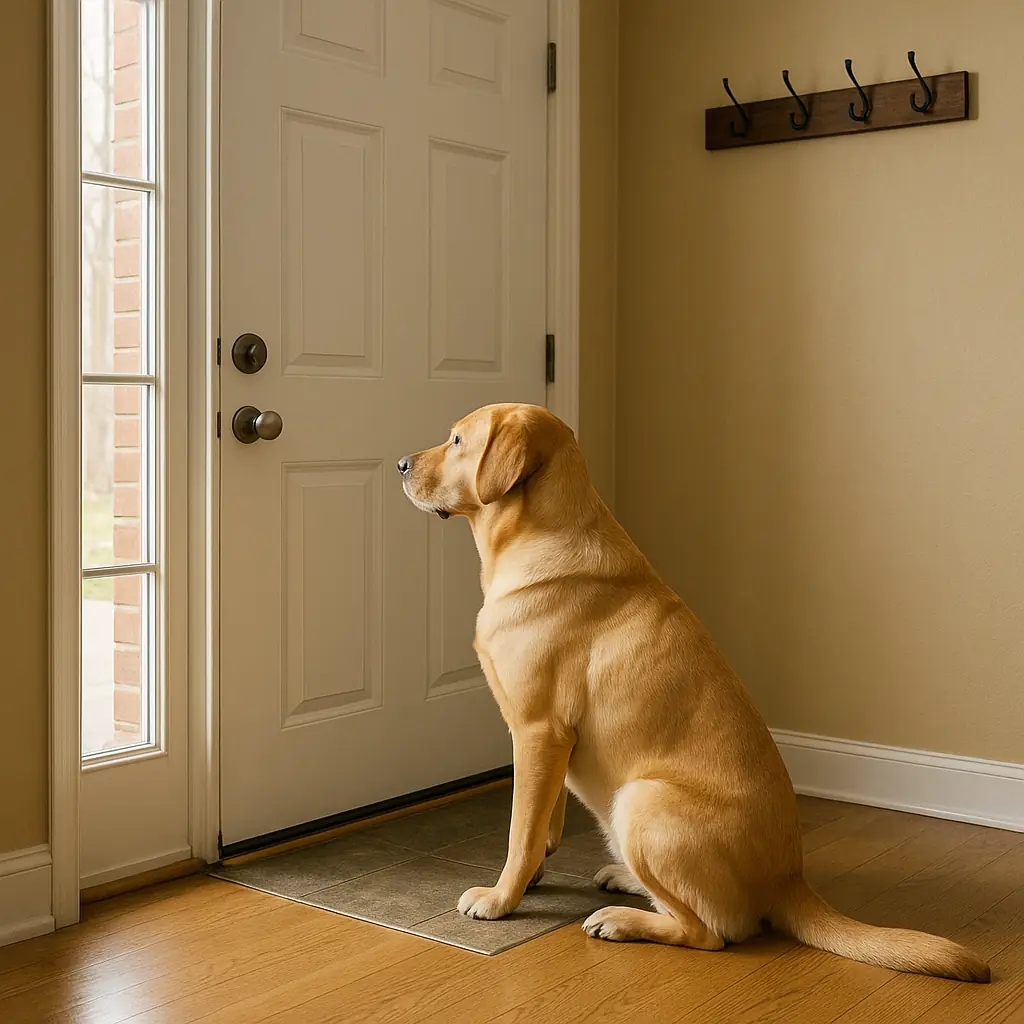
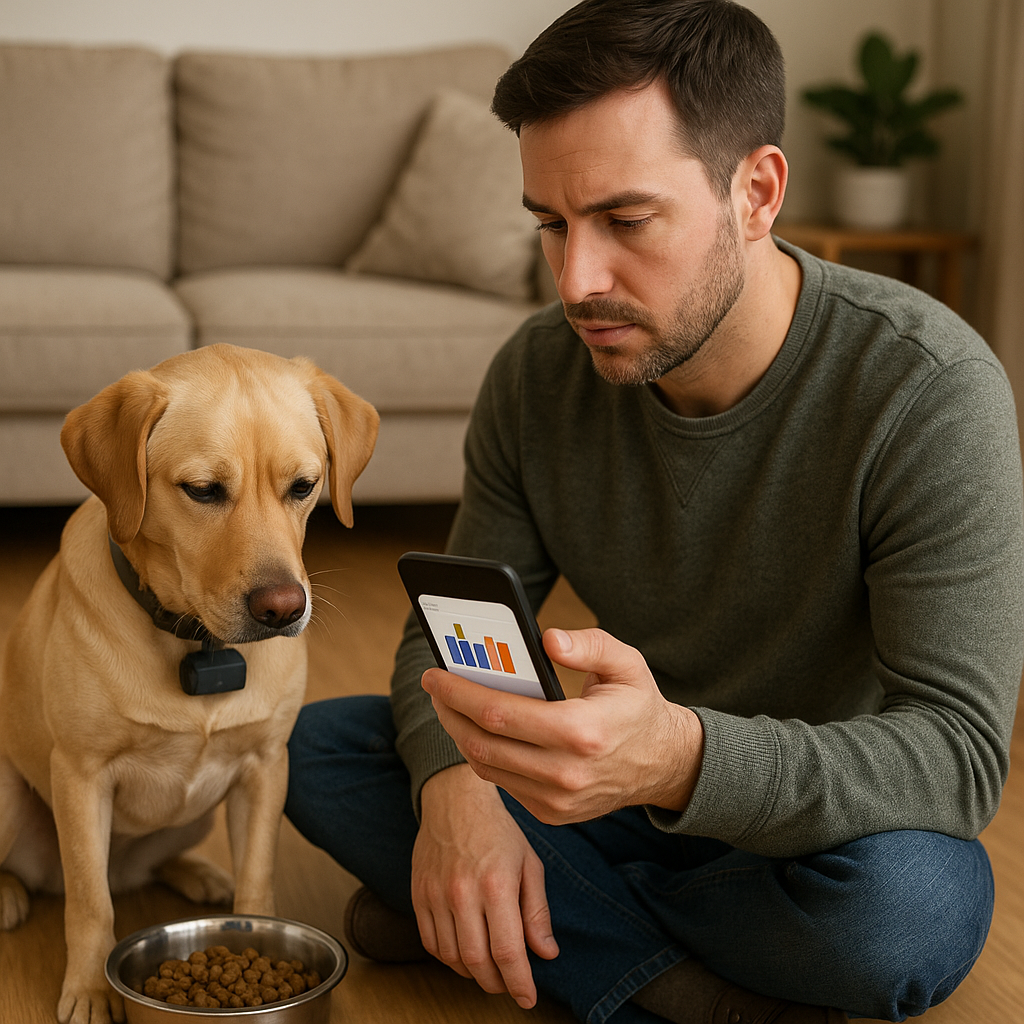
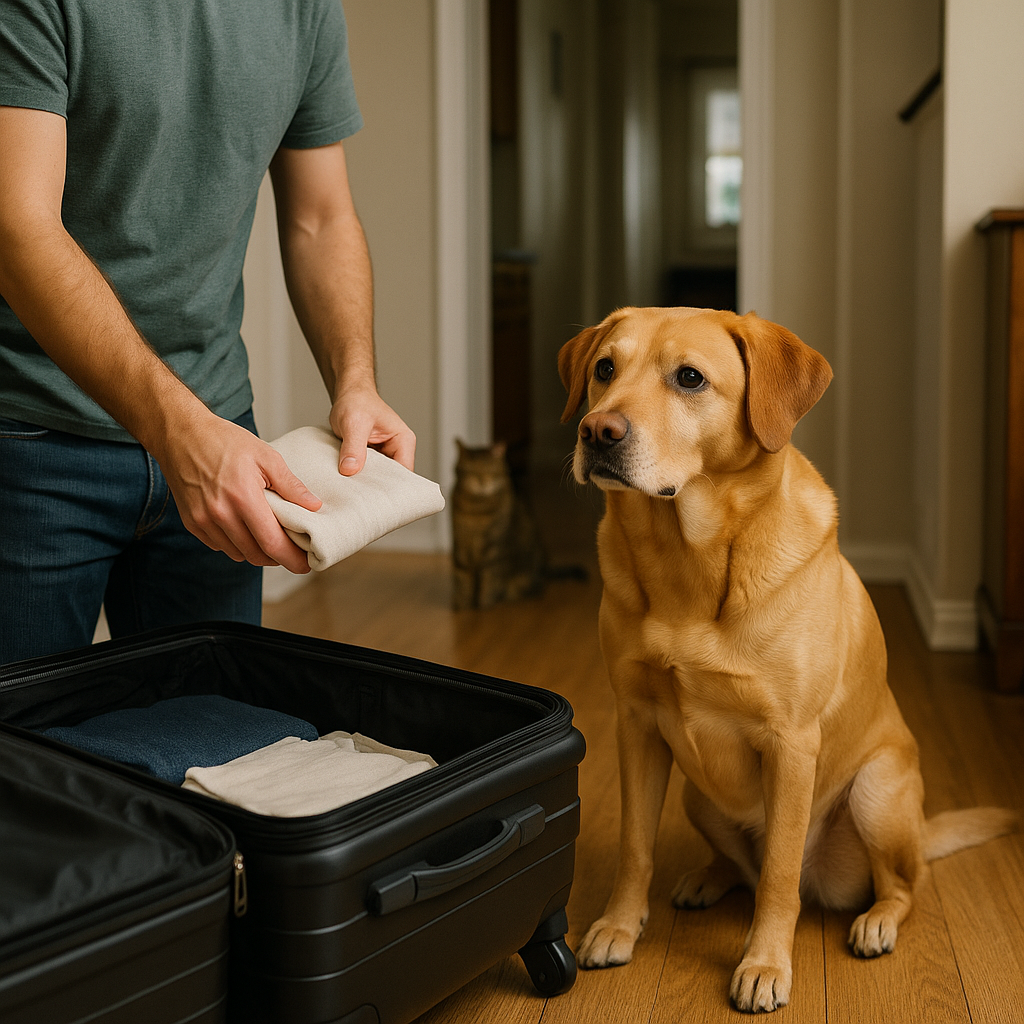
The weirdest change I notice when someone in the house disappears for weeks isn’t the dramatic stuff. It’s how fast the entryway turns into a job site. The dog starts assigning themselves a post, and it isn’t random. Mine moves from the living room to the little strip of tile by the front door right after the morning noise dies down, like the house has clicked into its daytime setting. When the missing person used to be the one who left at 8:10, the dog does a full check at 8:05 for days: nose to the bottom seam, quick glance at the window, then a long, stubborn sit facing the knob. If you have more than one animal, you can watch the roles shuffle. The cat that normally owns the window may stop camping there and start taking the higher vantage point (top of the stairs, back of the sofa) while the dog claims the floor-level sniffing lane. It’s not teamwork in a sweet movie way. It’s just how they cover the same information they used to get from one person’s footsteps.
I also see a second shift appear in the late afternoon. The dog who used to be dead asleep until dinner starts waking earlier and earlier, but not because they’re hungry. It’s a patrol loop: door, hallway, the spot by the coat hooks, back to the door. If you want to understand the routine change, don’t look for whining. Look for the pattern. The loop happens at the same times, and it usually lines up with when the absent person used to come and go. On days it rains, the loop gets tighter and more frequent because outdoor smells don’t refresh the same way, so they keep checking the same seam like the answer changed. By week two, the post can become so fixed that visitors ring, and the dog is already there, staring at the knob like, finally, the schedule is paying off.
Why the nap map gets redrawn when one person is gone
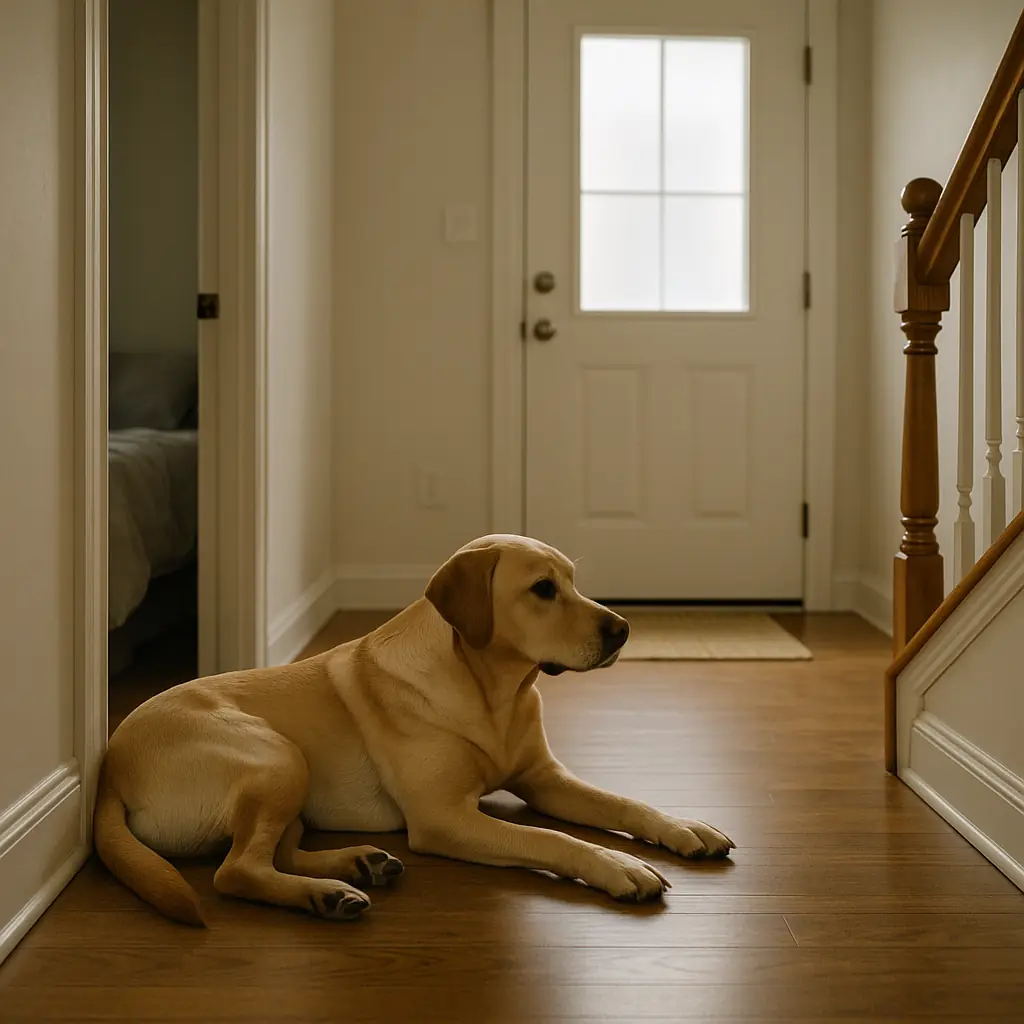
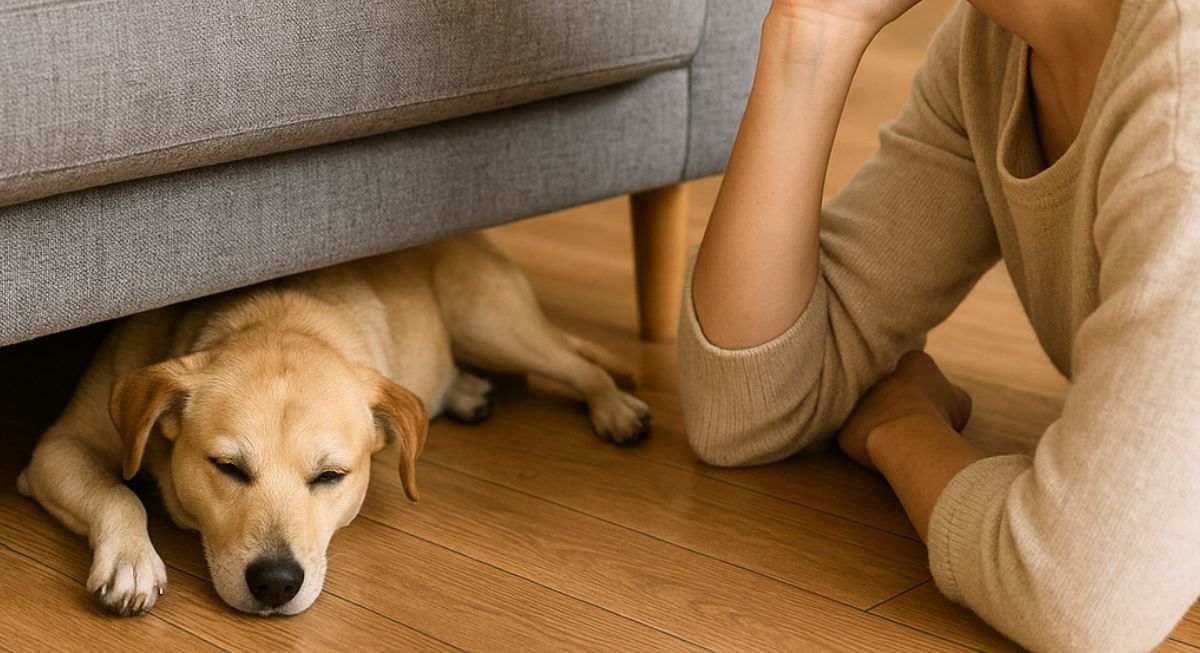
When a household member is gone long enough, my animals don’t just look for them. They rearrange their sleep like they’re editing a floor plan. You can tell because they don’t pick the coziest place, they pick the most informative one. The dog that used to nap in the bedroom after the morning walk will drift to the hallway outside that room instead. Not inside, not cuddled into the blankets. Outside, where they can hear the fridge, see the front door line, and catch anyone coming down the stairs. I call it the nap map because it’s the same set of locations day after day, and each one seems to serve a purpose: one spot for hearing, one spot for watching, one spot for intercepting.
Cats make this even more obvious because they normally treat naps like a real estate portfolio. During an absence, my cat gives up a favorite sun patch to take a perch that faces the driveway. It looks like rest, but the eyes are half-open, ears doing little swivels whenever a car door thumps outside. If you have a dog and a cat, you’ll sometimes see them split coverage without ever touching: cat takes the high sightline, dog takes the floor where scent collects. That shift is a routine, not a mood, and it can stick for the entire absence.
The part people miss is how bedtime changes. If the missing person used to be the last one up, the dog may stop settling until the house hits that old noise pattern. Lights out isn’t the cue anymore; the cue is the final lap: checking the bathroom, checking the kitchen threshold, then choosing a sleep spot that lets them monitor whoever is still moving. I learned this the hard way when I tried to coax my dog back onto the bed with a fresh blanket and a new plush toy. He sniffed, accepted the gift politely, and went right back to the hallway. It wasn’t about comfort. It was about being on the route. Once I started watching the nap map instead of forcing a new one, the whole thing made more sense, and I could predict the fussy evenings before they happened.
The 4:58 problem: when their internal clock won’t let go
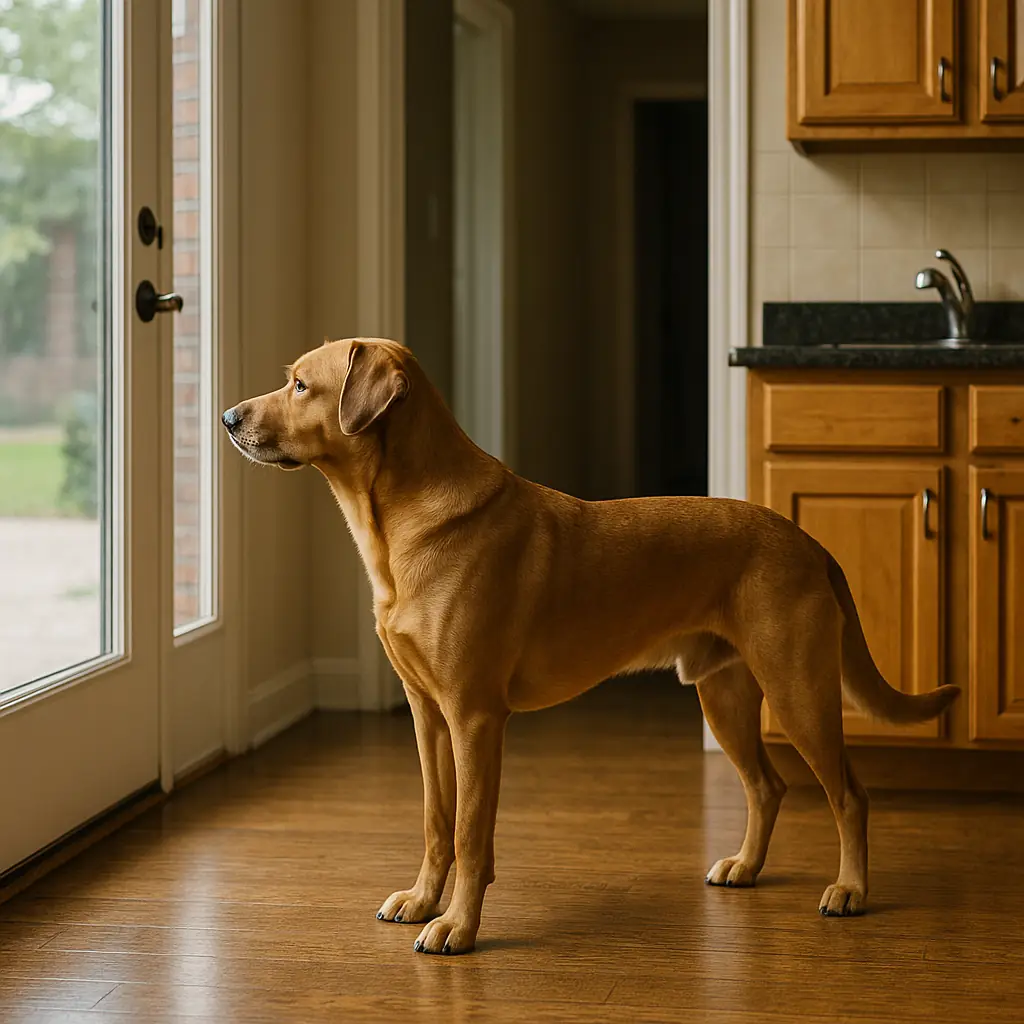
By week three of a long absence, I started getting what I can only describe as a daily appointment I didn’t schedule. At 4:58 p.m., my dog would stand up from a dead sleep, stretch like he’d been summoned, and walk straight to the same spot in the kitchen where you can see the front window reflection and the hallway at the same time. No barking. No pacing. Just a fixed stare and a quiet little huff every few minutes, like the universe was late.
This is the routine impact that sneaks up on you because it’s not triggered by anything you can point to. The mail didn’t arrive. Nobody touched a leash. The house sounded exactly the same as 4:21. But the missing person used to come home around five, and my dog built a whole body schedule around that return: wake, drink water, check the door, be ready. When the person stopped coming home, the dog didn’t delete the habit. He ran it anyway. The cat joined in, too, but in a cat way: she appeared on the back of the sofa at 4:55 like it was a standing reservation, then disappeared again at 5:10 when the non-event was confirmed.
I tried shifting dinner earlier to see if it was food-related, and it didn’t touch it. I tried a longer afternoon walk, and it just made him do the same 4:58 stand-up, only with damp paws. What did help, surprisingly, was changing the sound cue that used to accompany the return. In our case it was the garage door. I started closing the interior garage door firmly once in the afternoon, not as a trick, just to make the house’s rhythm less like a waiting room. On days I forgot, the 4:58 stare got sharper. On days I did it, he still got up, but he’d choose the hallway nap spot again instead of planting himself in the kitchen like a security guard. It wasn’t magic. It was just one small way to stop the house from hitting the exact old beats that kept pulling him into a loop.