
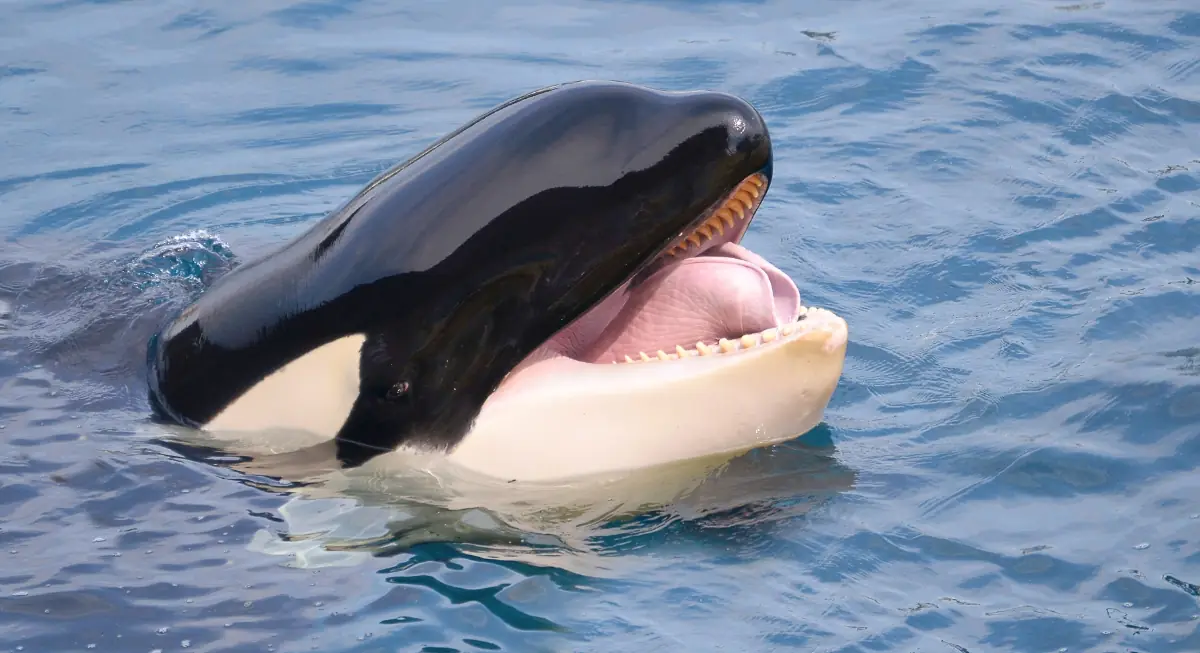
Killer whales in aquariums regularly eat ice cubes, even though ice provides no calories or nutrients. It’s a curious practice that has generated many questions because wild orcas never encounter ice as food and do not seek it out while hunting.
Its use is directly tied to how captive killer whales hydrate, regulate body temperature, protect their teeth, and remain mentally engaged in environments that cannot fully replicate ocean conditions.
Hydration Without Drinking Water
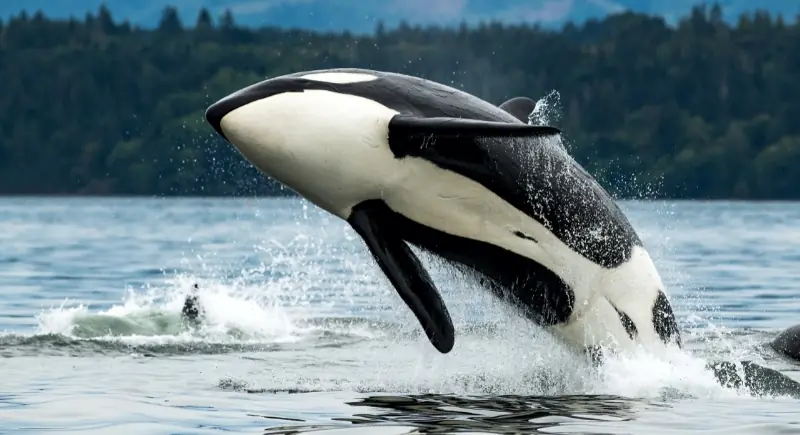
Killer whales do not drink seawater. In the wild, they get nearly all their hydration through prey like fish and marine mammals, which contain a high percentage of water. Captive diets rely heavily on frozen fish, and freezing reduces water content. This has created a problem and prompted trainers to find a way to increase hydration without altering the diet structure or adding salt-free water directly.
That’s where ice comes in. Whales chew it, swallow it, and absorb fresh water in a form their bodies already accept. Aquariums often adjust the size and frequency of ice based on individual hydration needs. The ice looks playful, but hydration drives the decision.
Cooling Bodies Built for Deep Water
Orcas evolved to move between water layers that vary widely in temperature. Deep dives offer natural cooling, especially during long hunts, and captive tanks cannot replicate that range. In warmer climates, water temperatures rise faster than many people realize.
Ice helps offset that gap. Chewing ice and holding it in the mouth lowers body temperature slightly, enough to offer relief during warmer periods, and trainers often increase ice access during heat waves or after high-energy activity.
The Versatile Role of Ice in Captive Killer Whale Care
Ice serves as a safe and effective outlet for destructive chewing. Boredom in large marine mammals can lead them to chew on concrete or metal, causing severe tooth wear, infections, and the risk of swallowing debris. Ice satisfies this chewing urge without damaging enamel and simply melts away, eliminating these hazards.
It adds essential challenge and mental engagement to feeding. Unlike predictable captive feedings, wild hunting requires effort and problem-solving. By freezing fish inside large ice blocks, trainers force whales to crack, toss, and manipulate the ice to retrieve their meal. This process taps into natural hunting instincts, turning a routine into stimulating mental and physical activity.
Ice provides soothing relief for dental issues and acts as a health indicator. Cold ice numbs discomfort and reduces inflammation for whales with sensitive teeth or gums due to exams or past injuries. Trainers observe that whales with dental pain gravitate toward ice more often, and a fading interest can signal recovery, making ice both a comfort tool and a useful monitoring aid.
Finally, ice offers stimulation without dietary consequences. Between scheduled feedings, ice gives whales something to manipulate and chew, filling time without adding extra calories. Changes in a whale’s interaction with ice can also serve as an early warning sign for health issues, as a sudden loss of interest may prompt observation long before changes in appetite appear.





